Louisiana Coyote Diet in Farm Country
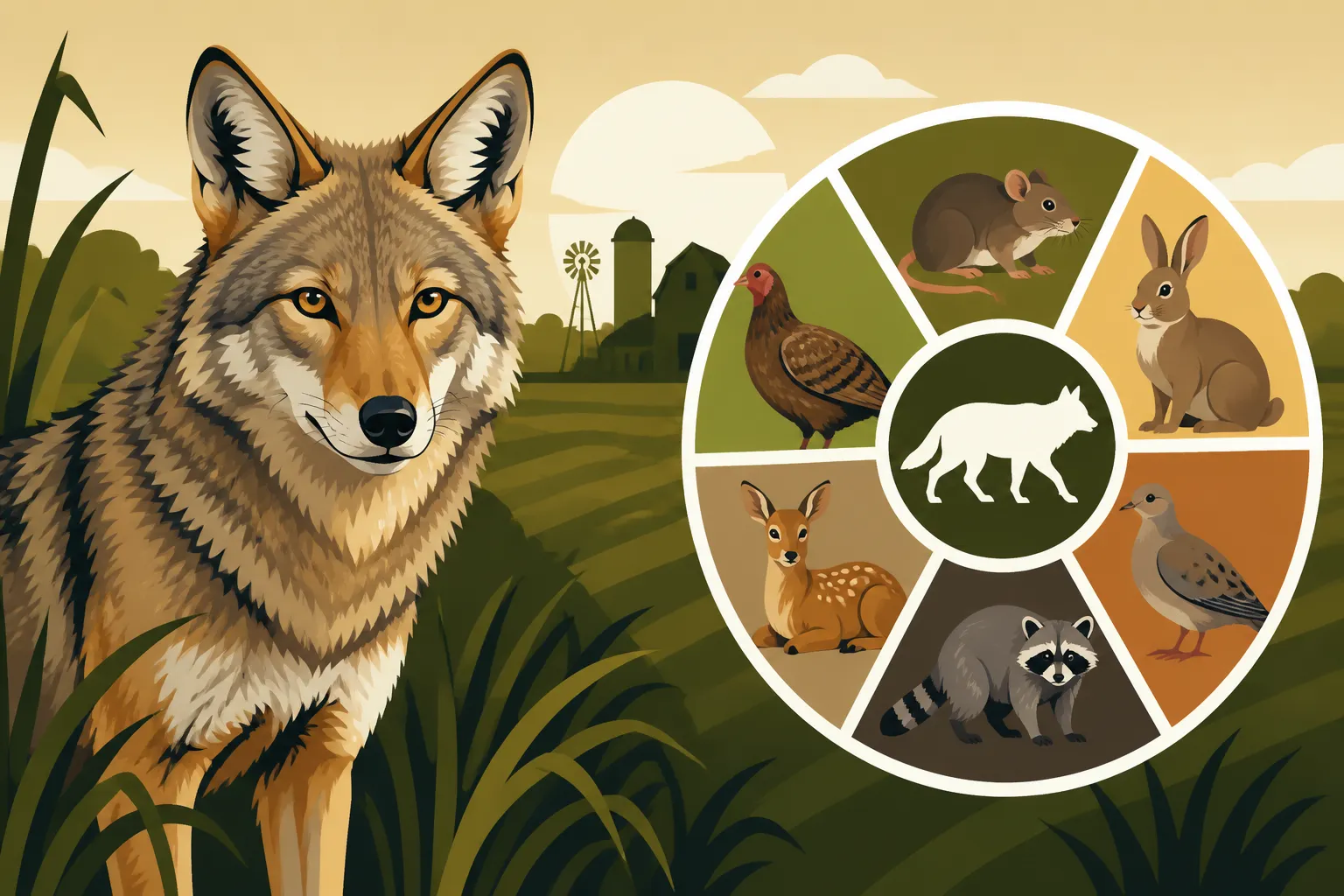
Living in Louisiana's beautiful farm country, many of us have a complicated relationship with coyotes. They're a natural part of the landscape, yes, but their presence often sparks worry – for the deer herd, for ground-nesting turkeys, and especially for local farmers trying to protect their livestock. Understanding what these cunning canines actually eat in these agricultural settings is crucial to coexisting, managing their populations, and protecting what's important to us. This guide aims to pull back the curtain on the Louisiana farm country coyote's diet, giving you a clearer picture of their feeding habits and the impacts they have.
Understanding the Farm Country Coyote's Hunting Ground
Coyotes are incredibly adaptable animals, and nowhere is that more evident than in Louisiana's sprawling farm country. From the vast soybean and cornfields of the northeast to the smaller row crops and pastures scattered throughout the state, these landscapes offer a unique blend of cover, food sources, and hunting opportunities that shape a coyote's daily menu. It's not just about what's available, but how it's available, and coyotes are masters at exploiting every niche.
The Landscape Dictates the Menu
Think about a typical farm. You've got wide-open fields that provide excellent hunting grounds for small rodents, but little cover. Then there are the fencerows, hedgerows, and drainage ditches – these are vital travel corridors and prime habitat for rabbits, quail, and various small mammals. Nearby woodlots or bottomland timber provide thicker cover for denning, resting, and ambushing larger prey like deer. The very structure of the farm, with its patchwork of fields, forests, and human activity, creates a complex food web that coyotes learn to navigate with remarkable efficiency. They're constantly evaluating the landscape for the easiest meal, whether it's a field mouse scurrying through stubble or a deer fawn bedded down in a CRP field. Tools like GoHunt, with its detailed mapping capabilities, can actually help you visualize these different habitat types and understand potential coyote travel routes or hunting hotspots on larger tracts.
The seasons also play a huge role here. In spring, when crops are just emerging, small mammal cover might be sparse, but vulnerable fawns are hitting the ground. Summer brings thick vegetation, making hunting tougher, but also ripening fruits and abundant insects. Fall harvest opens up vast fields, exposing rodents and offering waste grains. And in winter, with less natural food, coyotes become even more opportunistic, often turning to scavenging or preying on weakened animals. Understanding these seasonal shifts is key to anticipating their movements and dietary focus.
Opportunism is Key in Agricultural Settings
If there's one word to describe a coyote's feeding strategy, it's "opportunistic." They aren't picky eaters, and in farm country, this trait serves them well. They'll eat almost anything that's available, easy to catch, or already dead. This means their diet is incredibly varied, changing not just by season but also by the specific agricultural practices of a given area. A coyote living near a cattle ranch will have different opportunities than one near a sprawling pecan orchard, for instance.
This opportunism extends beyond just what they actively hunt. Coyotes are notorious scavengers. Roadkill is a significant food source, especially during colder months when natural prey is scarcer. They'll also readily consume gut piles left by hunters – a common sight across Louisiana during deer season – or raid discarded livestock carcasses. Farmers' trash piles, compost heaps, or spilled grain can also draw them in. This adaptability is what makes them so successful in human-dominated landscapes, allowing them to thrive even as other predators struggle. Their keen sense of smell and their willingness to investigate any potential food source means very little goes to waste in their territory.
The Core of the Coyote Diet: From Mice to Deer
While coyotes will eat almost anything, certain food groups form the backbone of their diet in Louisiana's farm country. These are the items they consistently seek out, the reliable staples that keep them fed throughout the year.
Small Mammals: The Ever-Present Buffet
Without a doubt, small mammals are the absolute bedrock of a coyote's diet, particularly in farm country. Think of mice, voles, rats, gophers, shrews, and especially rabbits. These creatures are abundant in agricultural fields, along field edges, and within the dense cover of fencerows and ditches. Farmers often battle various rodent species that feed on crops, and coyotes are more than happy to help control these populations, albeit for their own sustenance.
A single field mouse might not seem like much, but when you can catch dozens of them a night, they add up. Coyotes are incredibly adept at hunting these smaller prey, using their keen hearing to pinpoint movement under snow or vegetation, then pouncing with surprising agility. Rabbits, from the tiny cottontail to the larger swamp rabbit, are also a major food source. These animals reproduce rapidly and are common in the brushy edges of fields, offering a consistent protein source for coyotes. A healthy small mammal population means healthy coyotes, and the cyclical nature of rodent and rabbit numbers directly impacts coyote foraging success. It's a constant, low-effort food source that rarely disappoints.
Deer: A Feast of Opportunity
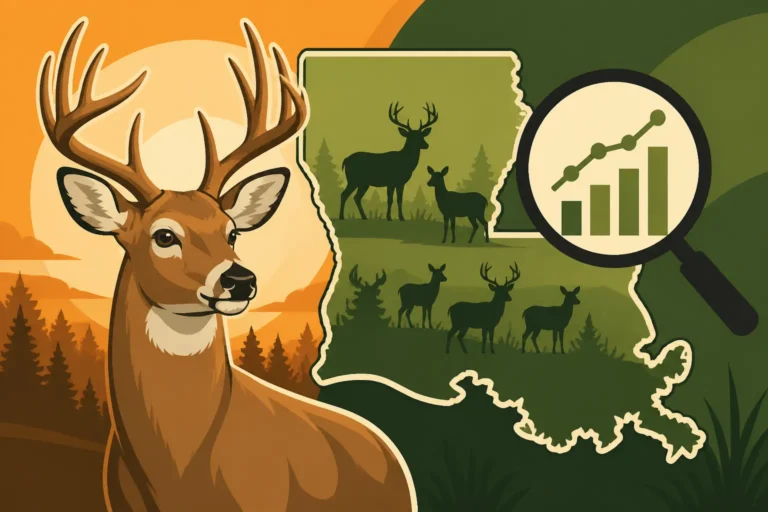
While small mammals are the bread and butter, deer, particularly white-tailed deer, represent a significant, albeit more variable, part of the farm country coyote's diet. This isn't usually about bringing down a healthy adult buck or doe. Instead, coyotes primarily target the most vulnerable individuals. Fawns, especially during their first few weeks of life, are extremely susceptible to predation. A newborn fawn, still wobbly on its legs and lacking the speed to escape, is a relatively easy meal. This predation on fawns can be a major concern for deer hunters and wildlife managers who are trying to manage deer populations.
Beyond fawns, coyotes will also prey on sick, injured, or elderly adult deer. A deer suffering from EHD (Epizootic Hemorrhagic Disease), for example, or one hit by a vehicle but not recovered by a hunter, becomes a prime target. And, as mentioned earlier, scavenging plays a huge role. Hunters often leave gut piles in the woods, which are quickly discovered and consumed by coyotes. The carcasses of deer that succumb to winter stress or disease also provide a critical food source when other options are scarce. So, while a coyote isn't typically challenging a prime buck, they are very much a part of the deer's life cycle, particularly impacting the youngest and weakest. Louisiana Deer Population Estimate and Louisiana Fawn Survival Rates are often topics where coyote predation comes into discussion.
Feathered Friends and Their Eggs
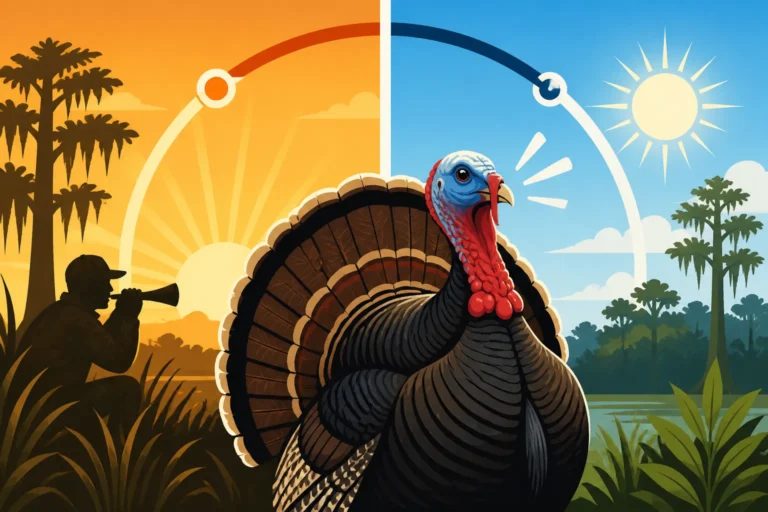
Farm country is often teeming with various bird species, from songbirds to game birds like quail and wild turkeys. Coyotes don't ignore these potential meals. Ground-nesting birds are particularly vulnerable. Turkey nests, for example, are a high-protein jackpot for a hungry coyote, as are the vulnerable poults once they hatch. This can be a real point of contention for those passionate about Spring Turkey Hunting in Louisiana or trying to understand Louisiana Turkey Population Trends.
Beyond game birds, coyotes will also predate on quail, pheasants (where present), and various duck and goose species, especially if nesting near a water source on or near farmland. They'll also consume eggs from ground nests, as well as fledglings that haven't quite mastered flight. Even adult birds can fall victim, especially if they are roosting low, injured, or simply caught unawares. While birds might not make up the bulk of their diet consistently, they represent an important seasonal or opportunistic food source, especially during nesting and fledgling periods.
When Farms Become the Larder: Livestock and Poultry
This is where the relationship between coyotes and humans in farm country often becomes strained. While coyotes generally prefer natural prey, the temptation of readily available, often defenseless livestock can be too great to resist. This issue impacts farmers' livelihoods and can lead to significant economic losses.
The Vulnerability of Young Livestock
Calves, lambs, and goat kids are particularly vulnerable to coyote predation. Just like deer fawns, these young animals are born defenseless, often left alone by their mothers for periods, and lack the size or speed to escape a determined coyote. The loss of even one calf can be a significant blow to a small cattle operation, and in some areas, predation rates can be a serious issue. Coyotes might target calves struggling during birth or those separated from the herd. Once they learn that young livestock are an easy meal, some individual coyotes or family groups can become persistent problems.
Protecting young livestock often involves a multi-faceted approach, including fencing, guard animals (like donkeys or llamas), and careful monitoring, especially during calving and lambing seasons. While it's easy to villainize the coyote, it's acting on instinct, taking the path of least resistance to feed itself and its pups. For farmers, however, it's a direct threat to their bottom line, leading to frustrations that are entirely understandable.
Protecting Your Poultry Flock
Smaller livestock, especially poultry like chickens, ducks, and geese, are prime targets for coyotes living near farmsteads. Anyone who's raised chickens knows the heartbreak of finding their coop raided. Poultry are domesticated, often housed in less-than-fortified enclosures, and offer an incredibly easy meal. A coyote can decimate a flock in a single night. This isn't just about chickens; turkeys, guinea fowl, and even larger geese can fall victim.
Effective predator-proofing of coops and runs is essential. This means secure fencing, often buried to prevent digging, and sturdy roofs. Free-ranging poultry, while beneficial in some ways, greatly increases their risk of predation. For many small-scale farmers and homesteaders in Louisiana, managing coyote presence around their poultry is a constant battle, requiring vigilance and robust protective measures.
Canine Conflicts and Pet Safety
Beyond farm animals, coyotes can also pose a threat to domestic pets, particularly in rural or semi-rural areas bordering natural habitats. Free-roaming cats are almost always on a coyote's menu, and small dogs, especially those left unattended outdoors, can also be vulnerable. This is a heartbreaking reality for many pet owners in farm country. A coyote views a small, unprotected pet much like it views a rabbit or a small deer – as a potential meal.
Larger dogs, especially those that confront coyotes, can also be injured or killed. It's a stark reminder that even though we share the landscape, the wild operates by different rules. Keeping pets contained, especially at night, and supervising them during outdoor excursions, is critical for their safety in areas with active coyote populations. Understanding Coyotes and Predators in Louisiana is not just about game animals, but about community and pet safety too.
Beyond the Meat: Surprising Dietary Staples
While coyotes are primarily carnivores, their opportunistic nature means they aren't exclusively meat-eaters. In fact, plant matter and insects can play a surprisingly significant role in their diet, especially when other food sources are scarce or during certain times of the year.
The Sweet and Savory Sides: Fruits, Berries, and Grains
Believe it or not, coyotes will readily consume fruits and berries when they are ripe and abundant. Think about wild persimmons, muscadines, blackberries, and even agricultural crops like watermelons or cantaloupes if they can get to them. These plant foods provide important vitamins, minerals, and sugars, especially during late summer and fall. It's not uncommon to find coyote scat filled with berry seeds during these seasons.
Grains also make an appearance in their diet, particularly waste grains left in fields after harvest. Corn, soybeans, and rice can provide an easy caloric boost, especially when small mammal populations are low. While they aren't farming the fields, they're certainly taking advantage of the remnants. This dietary flexibility allows them to survive periods when hunting is less productive, highlighting once again their remarkable ability to adapt to diverse food environments. A mapping tool with agricultural overlays, like GoHunt, could even help you identify these post-harvest feeding opportunities.
Creepy Crawlies and Amphibious Bites
Insects and amphibians might seem like minor fare for a predator the size of a coyote, but they contribute to their diet more than most people realize. During warmer months, coyotes will feast on grasshoppers, crickets, beetles, and other large insects. This is particularly true for younger coyotes, or when they are simply foraging and come across a dense concentration of insects.
Frogs and small reptiles like lizards and snakes also become fair game, especially around water sources common in farm country, such as ditches, ponds, and sloughs. These small, easily captured protein sources add diversity to their diet and can fill nutritional gaps. While they're not going to sustain a coyote for long, these "snack foods" contribute to their overall intake and underscore how thoroughly these animals utilize every available resource in their environment.
Conclusion
The Louisiana farm country coyote is a master of adaptation, a true generalist predator whose diet is as varied as the landscape it inhabits. From the countless mice and rabbits scurrying through crop rows to the vulnerable fawns hiding in thickets, and even the unfortunate livestock that fall prey, coyotes are deeply integrated into the agricultural ecosystem. Their opportunistic nature means they'll scavenge, hunt, and even graze on fruits and grains, constantly adjusting their menu based on seasonal availability and the easiest meal.
Understanding this diverse diet is crucial for anyone living, hunting, or farming in these areas. It helps explain fluctuations in game animal populations, sheds light on livestock losses, and informs management strategies. While their presence can be frustrating for those directly impacted by their predation, appreciating the complexity of their diet offers a more complete picture of these intelligent and resilient creatures that share our Louisiana landscape. Whether you're a deer hunter trying to understand Louisiana Predator Impact on Fawn Recruitment or a farmer looking to protect your flock, knowing what's on a coyote's plate is the first step in effective coexistence.
Disclaimer
This article is for general informational purposes only and does not constitute professional advice. Laws, prices and regulations vary by location and change over time. Consult a qualified professional for guidance on your specific situation.