Where Louisiana Bobcats Are Rebounding
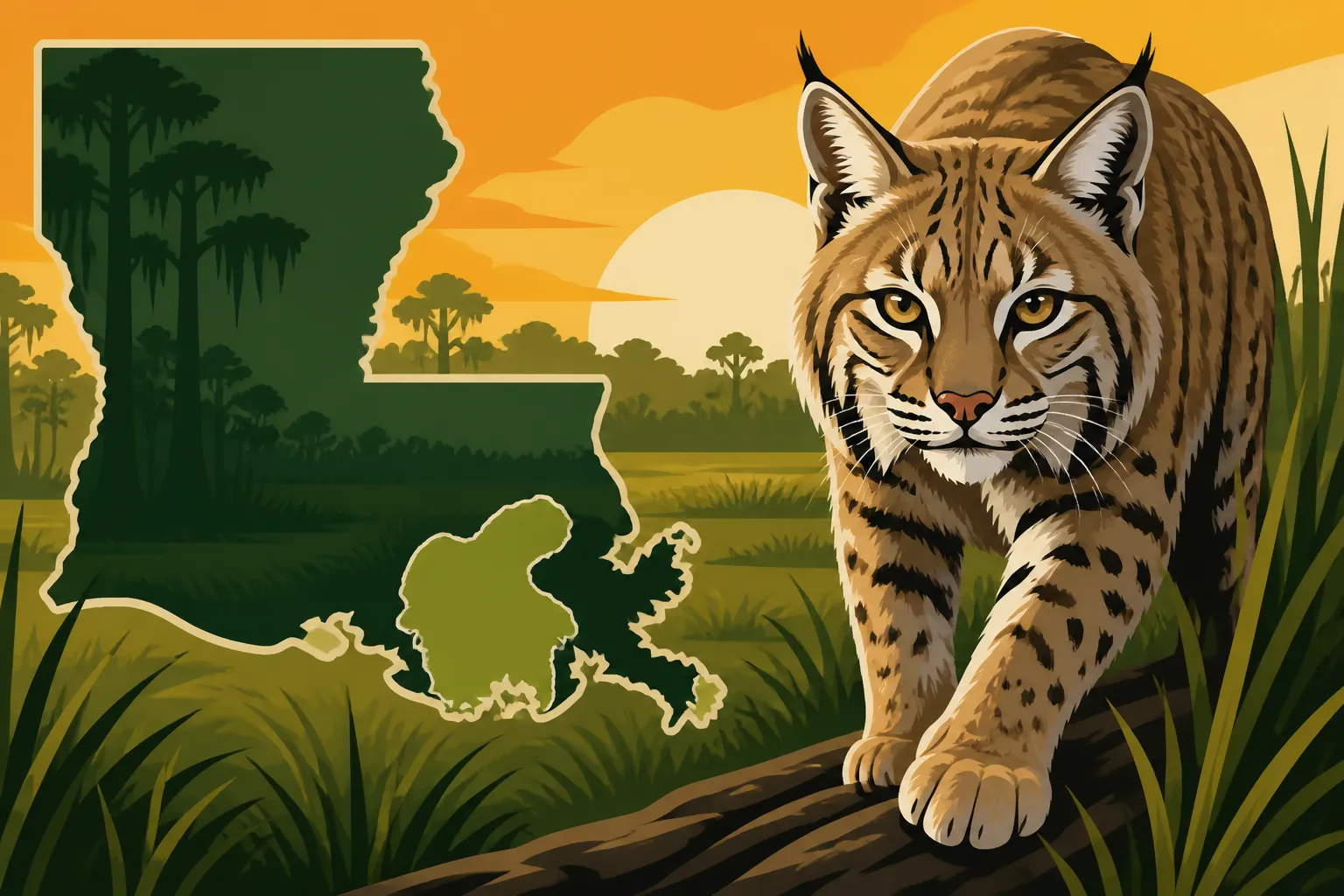
For Louisiana hunters and wildlife enthusiasts, the thought of seeing a bobcat is always a thrill. These elusive, beautiful felines are a testament to our state's wildness, but for a long time, their populations faced challenges. If you've ever felt like bobcats were just ghosts in the woods, something you only hoped to catch a glimpse of, you're not alone. The good news is, in several key areas across Louisiana, bobcat numbers are not just stable – they're making a strong comeback, offering more opportunities than ever to encounter these fascinating predators. This guide will delve into where and why these cunning hunters are thriving again, helping you better understand and appreciate their presence in the landscape.
Understanding the Bobcat's Comeback in Louisiana
It’s easy to assume that many of Louisiana's predator populations are on a constant decline, especially with increasing human development and hunting pressure. However, the story of the bobcat is a refreshing counter-narrative. Unlike some species, bobcats have shown remarkable adaptability, thriving even in areas that might surprise you. Their natural resilience, coupled with evolving land management practices and a healthy prey base, has allowed them to reclaim and solidify their presence in many parts of the state.
Historical Perspective on Louisiana Bobcats
For generations, bobcats were often viewed as varmints, competitors for game species, and were hunted with little regulation. This perception, combined with habitat loss, certainly impacted their numbers in some localized areas. There was a time when catching sight of one was incredibly rare, even for seasoned outdoorsmen who spent countless hours in the woods. Many older hunters can recall periods where bobcat sightings were few and far between, leading to a general belief that their numbers were critically low across the board.
However, stricter regulations regarding trapping and hunting, along with a greater understanding of their ecological role, have helped shift this dynamic. They’re no longer just seen as a threat but as an integral part of a healthy ecosystem, helping to keep rodent and small game populations in check. This change in perspective, both among wildlife managers and the general public, has undeniably contributed to their ability to rebound.
Factors Contributing to Population Growth
Several key factors have played a significant role in the resurgence of Louisiana's bobcat populations. First, the increase in their primary food sources has been crucial. As deer populations have boomed across the state, so too have the populations of rabbits, squirrels, and even young or injured fawns, all of which are staples in a bobcat's diet. A reliable food supply is fundamental for any predator population to grow.
Secondly, the creation and management of diverse habitats, particularly within our Louisiana Wildlife Management Areas and other public lands, have provided the dense cover and mixed terrain that bobcats prefer. These areas often feature a mosaic of timber, thickets, swamps, and agricultural edges, offering ample hunting grounds and secure den sites. The thoughtful management of these public tracts creates ideal conditions for these elusive felines to thrive away from human disturbance.
Lastly, reduced human disturbance and a more balanced approach to predator control have also given bobcats a leg up. While they are still trapped and hunted, it’s often done with a more informed approach that seeks to maintain healthy population levels rather than drastically reduce them. This nuanced management is a far cry from historical practices and allows these secretive animals to go about their lives relatively unmolested.
Key Rebounding Regions Across Louisiana
While bobcats can be found throughout Louisiana, some areas are truly shining when it comes to their rebounding populations. These are the places where sightings are becoming more frequent, and where trail cameras consistently capture images of these beautiful felines. If you're looking to observe or hunt bobcats, these regions should be high on your list.
North Louisiana's Piney Hills and River Bottoms
The northern part of the state, particularly the piney hills and the rich river bottomlands of areas like the Tensas River Basin, has become a hotbed for bobcat activity. The mixture of dense pine forests, hardwood creek bottoms, and nearby agricultural fields creates a perfect blend of cover and prey. Imagine a hunting tract in parishes like Caldwell, Jackson, or Winn, where thick palmetto patches line a creek, surrounded by mature hardwoods that transition into younger pine plantations. This layered habitat provides everything a bobcat needs: places to stalk, den, and raise young, all within a relatively small home range.
When you're Hunting North Louisiana's Piney Hills, pay close attention to the edges where different habitat types meet. These transition zones are highways for bobcats, as they offer both concealment and access to various prey. A hunter spending time in these regions might spot a bobcat slinking along a logging road at dawn or dusk, often pausing to listen intently before disappearing into the undergrowth. Many hunters report increasing bobcat sign – tracks, scat, and even scratch marks on trees – in these very areas, confirming the anecdotal evidence of a strong rebound.
Central Louisiana's Kisatchie National Forest
The sprawling Kisatchie National Forest, especially its more remote and rugged sections, provides an incredible sanctuary for bobcats. The varied topography, from dense pine stands to creek drains and mixed hardwoods, offers an ideal environment. Here, the sheer scale of contiguous habitat allows bobcats to roam freely without constant human encounters. You'll find them particularly active around the numerous creek bottoms and clear-cut regrowth areas within Kisatchie, where thick cover and abundant small game are readily available.
When you're exploring Kisatchie National Forest Hunting opportunities, think about those areas that are harder for humans to access. Bobcat sightings are often concentrated in these less-pressured pockets. Using a mapping application like GoHunt can help you identify dense sections with good cover and water sources, which are prime bobcat habitat. I’ve heard many stories from deer hunters who, while patiently waiting on a stand, were thrilled to witness a bobcat silently crossing a game trail or stalking squirrels through the underbrush. These sightings underscore the healthy population flourishing within the national forest.
The Florida Parishes' Diverse Ecosystems
Don't overlook the Florida Parishes in southeast Louisiana, particularly those with a mix of bottomland hardwoods, pine uplands, and agricultural interfaces. Parishes like St. Tammany, Tangipahoa, and Washington, with their healthy deer populations and diverse small game, also support a robust bobcat presence. The proximity to swamps and river systems, like the Pearl River, adds another layer of habitat complexity that these adaptable predators exploit.
If you're Hunting the Florida Parishes, consider focusing your efforts around areas where timber operations have created dense new growth or where landowners have left natural thickets and corridors. These spots are not only great for deer but also provide excellent cover for bobcats. A friend recently shared a story of seeing a bobcat slip through a fencerow bordering a cattle pasture in Washington Parish, a clear sign of these cats utilizing varied landscapes right alongside human activity. The consistent availability of rabbits, raccoons, and even some feral hogs in these areas means bobcats have a year-round larder to draw from.
Coastal Marsh Edges and Transition Zones
While perhaps less intuitive, the transition zones where Louisiana's coastal marsh meets higher ground, or where agricultural fields butt up against cypress swamps, also host healthy bobcat populations. These areas offer a unique blend of habitat, with plenty of cover in the marsh grasses and cane, along with an abundant prey base including muskrats, nutria, and various birds. Bobcats in these areas are often incredibly secretive, moving through the dense vegetation with uncanny stealth.
Hunters focusing on Hunting Louisiana's Coastal Marsh Parishes for waterfowl or hogs might be surprised by a bobcat sighting along a levee or a ditch bank. These animals are opportunistic and will exploit any food source available. While a direct bobcat hunt might be challenging in such dense, wet terrain, understanding their presence adds another layer to the rich biodiversity of these regions. They play a vital role in the marsh ecosystem, demonstrating their incredible ability to adapt to extremely diverse environments across our state.
Habitat Factors Driving Rebound
It's not just luck that bobcat populations are rebounding; it's a direct result of specific habitat characteristics that these cunning predators seek out. Understanding these preferences can give you a real edge in finding them, whether for observation or for ethical hunting opportunities. Bobcats are particular about their living spaces, and healthy populations indicate that their habitat needs are being met.
The Importance of Dense Cover and Undergrowth
Bobcats are masters of stealth, and dense cover is their best friend. They absolutely thrive in areas with thick undergrowth, briar patches, palmetto thickets, and young forest regeneration. This cover provides them with concealment for stalking prey, protection from other predators (though they don't have many), and safe denning sites for their young. Areas that have been recently timbered and are growing back, or low-lying areas with natural thickets, are often prime bobcat real estate.
Think about a clear-cut from a few years ago that's now a dense tangle of saplings, briars, and weeds. To us, it might look impenetrable, but to a bobcat, it's a five-star hotel. They can move silently through these areas, ambushing rabbits or squirrels that might be feeding. This is why when you're Hunting a Clear-Cut Regrowth Edge, you might just catch a glimpse of a bobcat. When scouting, I always pay extra attention to these types of areas, as they often hold more than just deer. Using satellite imagery on mapping apps like GoHunt can help you pick out these dense pockets of cover, even from afar.
Diverse Prey Base and Small Game Abundance
A healthy bobcat population is directly linked to a robust and diverse prey base. While they are certainly capable of taking down a small deer, their diet primarily consists of smaller animals like rabbits, squirrels, mice, voles, and various birds. When these populations are thriving, bobcats have a consistent food supply, which is critical for their reproductive success and survival. Areas with good rabbit habitat, like brushy fence rows, overgrown fields, and thickets, are often excellent places to find bobcats.
Consider an area where Louisiana Small Game and Furbearers are abundant. If you’re seeing lots of squirrels chattering in the oaks or rabbits darting through the brush, there’s a good chance a bobcat isn't far behind. They are very opportunistic hunters, and a fluctuating population of one prey species won't cripple them if other food sources are readily available. This adaptability in diet is a significant reason for their comeback, allowing them to adjust their hunting strategies based on what's most plentiful.
Access to Water Sources
Like all wildlife, bobcats need access to water. Whether it's a perennial creek, a swampy slough, or even agricultural drainage ditches, nearby water sources are essential. These areas also often attract their prey, creating natural hunting corridors. Furthermore, dense vegetation often grows along water bodies, providing the cover bobcats crave.
When you're doing your Scouting Louisiana Public Land Before Season, don't forget to look at the water features. A creek winding through a hardwood bottom or a series of sloughs in the Atchafalaya Basin can be prime bobcat habitat. I've often seen fresh bobcat tracks along sandy creek banks, right alongside deer and hog tracks. They use these corridors for travel, hunting, and hydration. Any comprehensive hunting plan, whether for deer or for spotting predators, should always account for water sources.
Observing and Hunting Bobcats Ethically
With bobcat populations rebounding, many hunters are finding themselves with more opportunities to encounter these animals. Whether you're interested in calling one in, setting a snare, or simply observing them, there are ethical and effective ways to do so. Remember, responsible hunting and observation are key to ensuring these populations continue to thrive.
Trail Camera Strategies
One of the most effective ways to confirm a bobcat's presence in an area is through trail cameras. Placing cameras on established game trails, along creek bottoms, or at the edges of thick cover can yield fantastic results. Look for natural funnels or pinch points where animals are likely to travel. A good strategy is to place cameras near known deer bedding areas or active hog trails, as bobcats often follow these larger game animals, looking for an easy meal or scavenging opportunities.
| Bobcat Habitat Feature | Ideal Camera Placement | Prey Often Present |
|---|---|---|
| Dense Thickets/Briar Patches | Edge facing trail/opening | Rabbits, rodents, birds |
| Creek Bottoms/Drainages | Along the bank of a creek | Squirrels, coons, small deer |
| Logging Roads/Game Trails | Overlooking obvious travel path | Deer, hogs, rabbits |
| Old Homesteads/Field Edges | Near brush piles, tall grass | Rodents, birds, rabbits |
Make sure your camera is set to capture high-resolution photos or video, and check it regularly to minimize disturbance. You might be surprised at how many bobcats are actually in an area once you start monitoring with cameras. It's truly eye-opening to see their nocturnal habits and secretive movements captured on film.
Calling and Still-Hunting Tactics
For those interested in actively hunting bobcats, calling can be very effective. Electronic callers with distressed rabbit or bird sounds often bring curious bobcats in. They are efficient predators and will investigate what sounds like an easy meal. When calling, position yourself with good cover and an open shooting lane, keeping the wind in your favor. Bobcats have incredible hearing and a keen sense of smell.
Still-hunting is another method that can work, especially in those dense, brushy areas they frequent. Move slowly, taking a few steps then pausing for several minutes to scan the area thoroughly. Look for any subtle movement or an ear flick. This method requires immense patience and sharp observational skills, but it's incredibly rewarding when it pays off. While you're out looking for other game, like when you're still-hunting in Basin Tactics for Louisiana Swamp Deer, keep an eye out for bobcats; they can appear in the most unexpected places. Their camouflage is superb, so often you'll see them only after they move.
Understanding Regulations and Ethics
Before pursuing bobcats, always make sure you're up-to-date on the latest Louisiana Small Game Season Rules and trapping regulations. Seasons, bag limits, and legal methods can change. It's your responsibility as a hunter to know and abide by these rules. Furthermore, practicing ethical hunting means making clean shots, retrieving all game, and respecting private property.
If you’re fortunate enough to encounter a bobcat, whether you harvest it or not, it’s a special experience. These animals are a vital part of Louisiana's ecosystem, acting as natural pest control and helping to maintain balance. Their rebound is a testament to the resilience of nature and the effectiveness of sound wildlife management. By understanding where they thrive and how to interact with them responsibly, we can all contribute to their continued success.
Disclaimer
This article is for general informational purposes only and does not constitute professional advice. Laws, prices and regulations vary by location and change over time. Consult a qualified professional for guidance on your specific situation.