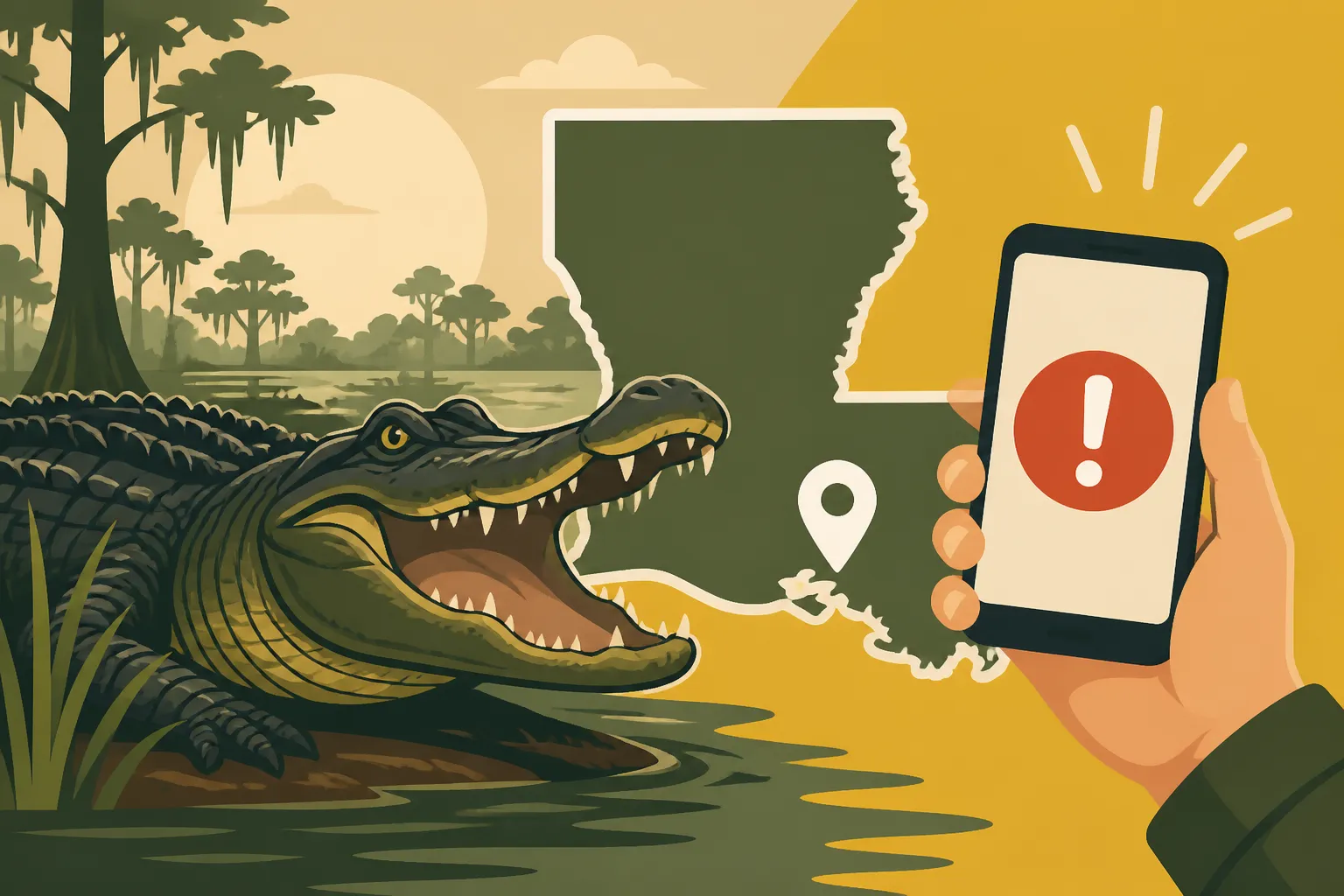
Reporting a Nuisance Alligator in Louisiana
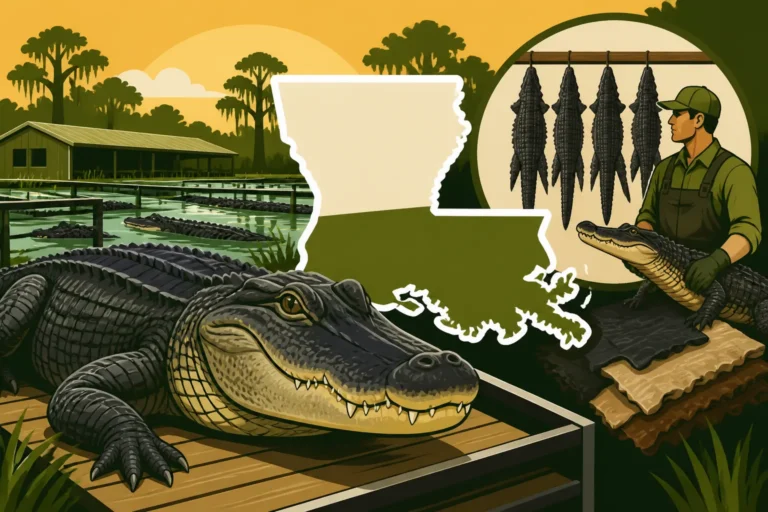
It can be unsettling, to say the least, to spot an alligator in a place you didn't expect, especially if it seems a little too comfortable near people or pets. Many of us who live in Louisiana are used to seeing these magnificent reptiles, but there's a big difference between a natural sighting and a situation that genuinely poses a threat. This guide will walk you through what truly constitutes a "nuisance alligator" in our state, how to properly report it, and most importantly, how to keep yourself and your loved ones safe when sharing our unique Louisiana landscape with these ancient creatures.
Understanding What a "Nuisance Alligator" Really Means in Louisiana
Living in Louisiana means living alongside alligators. They're an integral part of our swamps, bayous, lakes, and even some of our urban waterways. Because of this, our state has a very specific definition of what makes an alligator a problem, distinguishing it from simply an alligator being an alligator. It’s easy to get a little spooked when you see one, especially a big one, but a fleeting glance or a sunbather on a distant bank often isn't cause for alarm.
The Difference Between a Visible Alligator and a True Threat
Just seeing an alligator isn't enough to label it a nuisance. Alligators are naturally shy and generally avoid humans. They're often just moving between bodies of water, basking in the sun, or hunting for natural prey. A true nuisance alligator is one that has lost its natural fear of humans, often due to being fed, or one that is exhibiting aggressive behavior towards people, pets, or livestock. Think about it: an alligator that's actively approaching a fishing pier, lurking too close to a popular swimming area, or showing no hesitation in coming up to a boat is very different from one you see swimming across a canal at a distance.
For instance, if you're out scouting a new duck hunting spot and you see an alligator disappear into the water as your boat approaches, that's normal alligator behavior. But if you're fishing from your dock and a large alligator consistently surfaces nearby, showing curiosity and even approaching when you move, that’s starting to lean towards nuisance territory. It's about persistent, unusual behavior that indicates a loss of natural caution. You might be checking out duck migration patterns on the GoHunt app and see a warning about alligator activity near a public access point – that's the kind of heads-up that helps us understand where to be extra vigilant.
Common Scenarios That Don't Qualify as Nuisances
There are plenty of situations where you might see an alligator and think, "Uh oh!" but it's actually just part of living in Louisiana. An alligator basking on a sunny bank, even near a road or a neighborhood pond, isn't usually a nuisance unless it's blocking access or showing aggression. Alligators are cold-blooded and need to regulate their body temperature, so sunbathing is perfectly natural. Similarly, an alligator swimming in a canal or pond that's adjacent to private property, without actively harassing anyone, is also typically not considered a nuisance.
Consider a scenario where you're walking your dog along a levee, and you spot a medium-sized gator in the water below. Your first instinct might be alarm, but if it quickly submerges or swims away, it's just being a wild animal. The same goes for seeing one during flood events; they can be displaced and find themselves in unexpected places. While surprising, this temporary displacement doesn't automatically make them a nuisance. Understanding Why Alligator Nuisance Calls Rise in Summer can shed more light on seasonal behaviors that might seem alarming but are often normal for the species.
Here’s a quick breakdown to help you differentiate:
| Behavior Type | Nuisance Alligator | Normal Alligator Behavior |
|---|---|---|
| Interaction with Humans | Actively approaches, shows no fear, hisses, snaps, stalks | Avoids humans, quickly retreats or submerges when approached |
| Presence in Areas | Repeatedly found near swimming areas, docks, playgrounds, pet areas, without retreating | Basking on distant banks, swimming in natural habitats (bayous, swamps, lakes), crossing roads during migrations/floods |
| Feeding | Has been fed by humans, associating people with food | Hunts natural prey (fish, turtles, small mammals) |
| Threat to Pets/Livestock | Has attacked or aggressively pursued pets/livestock | Stays clear of domestic animals unless provoked |
| Size | Often larger individuals (over 4 feet), but size alone is not the sole factor | Can be any size, with smaller gators being more wary |
The Official Process for Reporting a Problem Alligator
When you encounter an alligator that genuinely meets the nuisance criteria, it’s crucial to know the correct steps to take. Our state wildlife agency, the Louisiana Department of Wildlife and Fisheries (LDWF), is equipped to handle these situations safely and effectively. They have a system in place to assess the threat and, if necessary, remove the animal.
Who to Contact and What Information to Have Ready
If you believe you have a legitimate nuisance alligator situation, the first and only call you should make is to the Louisiana Department of Wildlife and Fisheries. Do not try to handle the alligator yourself, and do not call local animal control or police unless it's an immediate, life-threatening emergency where a human is being directly attacked. The LDWF has trained personnel who understand alligator behavior and the safe methods for dealing with them. You can find their contact information, typically a regional office number or a dedicated nuisance wildlife hotline, on their official website. Using resources like the GoHunt platform can sometimes help you quickly access official contact details or relevant regulations in your specific area.
When you call, be prepared to provide as much detail as possible. This isn't just about saying "there's a gator in my pond!" They'll need to know:
- Your exact location: Street address, nearest cross streets, or GPS coordinates if you're in a more remote area.
- The alligator's size: Give your best estimate of its length. Is it a small gator (less than 4 feet), a medium one (4-7 feet), or a large one (8 feet or more)? Generally, alligators under 4 feet are rarely considered nuisances unless they are in an extremely inappropriate location, like a swimming pool, because they pose very little threat to humans. LDWF is primarily concerned with larger, potentially dangerous alligators.
- The alligator's behavior: This is the most critical piece of information. Describe why you think it's a nuisance. Is it approaching people? Hissing? Refusing to leave an area? Stalking pets? Give specific examples.
- When you last saw it: Was it just moments ago, or yesterday? Alligators can move, so recent sightings are important.
- Any distinguishing features: Scars, missing limbs, or unusual coloration can sometimes help identify a specific animal.
Remember, the more accurate and detailed your report, the better the LDWF can assess the situation and respond appropriately. This process is part of American Alligators in Louisiana's overall management strategy, ensuring both public safety and the health of the alligator population.
What Happens After You Make the Call
Once you've reported a nuisance alligator to the LDWF, they will typically dispatch a qualified wildlife agent or a contracted nuisance alligator hunter to investigate. This isn't usually an immediate "lights and sirens" response unless the situation is truly dire and poses an imminent threat to human life. The agent will assess the alligator's behavior firsthand and verify if it truly meets the nuisance criteria.
If the alligator is indeed deemed a nuisance, the agent or trapper will work to capture and remove it. The methods used will depend on the alligator's size, location, and behavior. These methods are designed to be safe for both the animal (if possible) and the trapper. It's important to understand that removed nuisance alligators are typically harvested, not relocated. Relocating a nuisance alligator often just moves the problem to another area, and the alligator, having lost its fear of humans, is likely to become a nuisance again in its new home. This is why LDWF's program is so important – it protects public safety while utilizing a valuable resource, which also helps fund conservation efforts. These trappers operate under strict guidelines, often utilizing techniques similar to those used in the recreational season, like Hook-and-Line Alligator Setups or Snatch-Hook Alligator Tactics, though their specific permits differ. The overall goal is to mitigate the risk posed by that particular animal to the community.
Safety First: Living Alongside Alligators in Louisiana
While nuisance alligators require professional intervention, most alligator encounters in Louisiana are not emergencies. We share our beautiful state with a thriving population of How Many Alligators Louisiana Has, and learning to coexist safely is key. By understanding their habits and taking common-sense precautions, you can significantly reduce the risk of a negative interaction. This is just good Louisiana Hunter Education Requirements for any resident, even if you never pick up a gun or bow.
Practical Tips for Coexisting Peacefully
The best defense against a nuisance alligator is prevention. Most nuisance behavior stems from alligators losing their fear of humans, often because people feed them, either intentionally or unintentionally. Never, ever feed an alligator. This is not only illegal but also incredibly dangerous, as it teaches them to associate humans with food, making them bold and aggressive. Even discarding fish scraps or cleaning game at the water's edge can attract alligators and lead to problems. Always dispose of animal waste properly, away from the water.
Here are some crucial tips for living safely alongside alligators:
- Maintain a healthy distance: If you see an alligator, admire it from afar. Never approach one, especially a large one or a female protecting a nest. Give them plenty of space.
- Supervise children and pets: Children and small pets are especially vulnerable to alligator attacks. Keep them away from the water's edge, especially at dawn, dusk, and night when alligators are most active. Dogs, in particular, can mimic the distressed sounds of natural prey, making them targets.
- Swim in designated areas: Only swim in areas clearly marked for swimming, and avoid swimming at night or in murky waters where alligators might be present.
- Be aware of your surroundings: When boating, fishing, or recreating near water, stay vigilant. Look for signs of alligator activity like trails on banks or unusual ripples in the water.
- Don't let pets drink from natural waters: Ponds, bayous, and canals are alligator habitat. Don't let your dogs drink from or swim in these areas unsupervised.
- Secure your property: If you live on the water, consider fencing off areas where children and pets play, or elevating structures like docks if possible.
By following these simple rules, you can significantly reduce the chance of an alligator becoming a problem. It's about respecting their space and understanding their natural instincts.
Educating Your Family and Community
Knowledge is power, and when it comes to living with alligators, educating everyone in your household and community is vital. Take the time to talk to your children about alligator safety, explaining why they should never approach or feed these animals. Use simple language they can understand, emphasizing that alligators are wild animals that need to be respected.
Organize or participate in community discussions about local wildlife. Sometimes, simply sharing information can prevent unintentional feeding or dangerous encounters. Many local government or parish offices, along with the LDWF, offer resources and information on alligator safety that can be shared widely. Encourage neighbors to report nuisance alligators promptly and through the proper channels. The more informed everyone is, the safer the community will be. We all want to enjoy our beautiful Louisiana outdoors, and a big part of that is understanding and respecting the incredible creatures that call it home, from the smallest marsh bird to Louisiana's Record Alligator Length itself.
Disclaimer
This article is for general informational purposes only and does not constitute professional advice. Laws, prices and regulations vary by location and change over time. Consult a qualified professional for guidance on your specific situation.