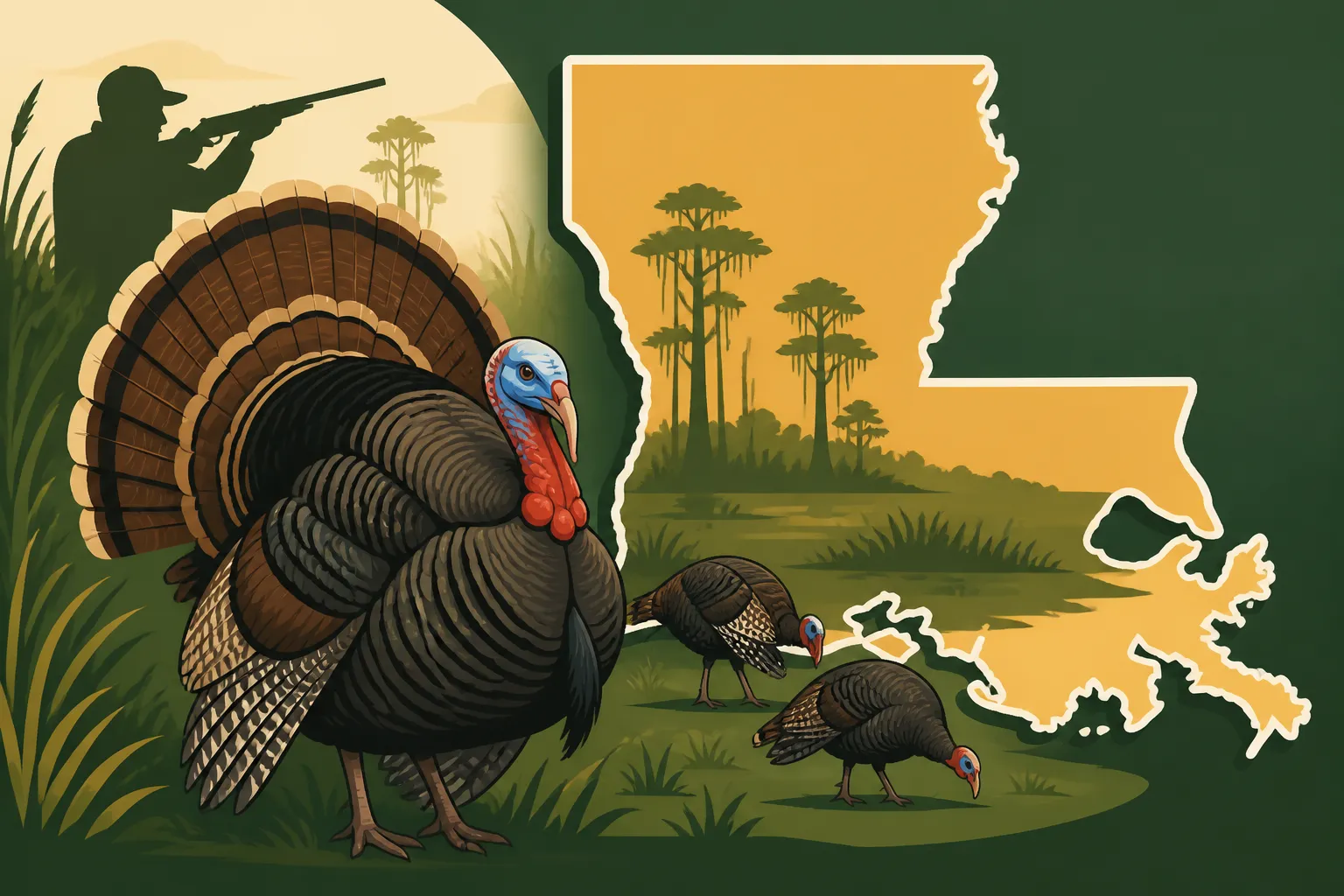
Louisiana Turkey Population Estimate
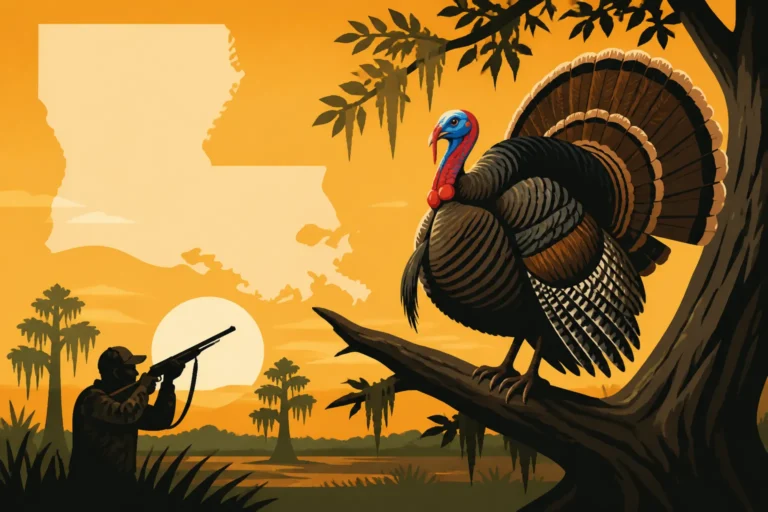
It can be incredibly disheartening when you're mapping out your spring turkey hunt in Louisiana, and you start hearing whispers about declining populations or tough hunting conditions. You invest time, effort, and money, and naturally, you want to know if there are enough birds out there to make your efforts worthwhile. This guide isn't here to give you hard numbers that constantly shift, but rather to help you understand the dynamics of Louisiana's wild turkey population estimates and how those insights can make you a more informed, and hopefully, more successful hunter.
Deciphering Louisiana's Wild Turkey Population Estimates
When the Louisiana Department of Wildlife and Fisheries (LDWF) or other conservation groups talk about "turkey population estimates," it's easy to picture someone out in the woods literally counting every bird. But the reality is far more complex, especially for a game species as wily and widespread as the wild turkey. These estimates are crucial for setting seasons and bag limits, but for hunters, understanding what those numbers actually represent is key to interpreting what you hear in deer camp or read online.
The Challenge of Counting Skittish Birds
Imagine trying to count every squirrel in your backyard, let alone every turkey across an entire parish or state. Wild turkeys are incredibly mobile, often cover vast territories, and are masters of camouflage. They don't line up to be counted, which means biologists rely on a variety of methods to estimate their numbers. This can involve brood surveys where observed poults (young turkeys) are counted in relation to hens, gobbling counts to gauge male activity, or even hunter harvest data analyzed over many years. Each method has its strengths and limitations, and none provide an exact census. This is why you'll often hear about trends—up, down, or stable—rather than a precise, fixed number. It’s less about a perfect tally and more about understanding the overall health and trajectory of the flock.
What "Population Estimate" Really Implies for Hunters
For you, the hunter, a population estimate isn't just an abstract number. It's a barometer of opportunity. When biologists indicate a stable or increasing population, it generally suggests healthy reproduction, good habitat, and potentially more birds in the woods. Conversely, a declining estimate can signal challenges like poor nesting success, increased predation, or habitat loss. What these estimates don't tell you is exactly where the birds are on opening morning. They are broad strokes, indicating general regional health. So, while a low statewide estimate might make you feel a bit pessimistic, it doesn't mean there aren't pockets of robust turkey activity in your favorite hunting grounds. Your individual scouting and knowledge of local conditions remain paramount, even with overarching population trends. This is where tools like Scouting Louisiana Public Land Before Season become invaluable.
Key Factors Shaping Louisiana's Turkey Dynamics
Louisiana's diverse landscapes, from the longleaf pine uplands to the river bottom hardwoods, offer varied habitats for wild turkeys. However, several critical factors consistently influence how well these birds thrive, directly affecting those all-important population estimates. Understanding these elements can help you predict where turkeys might be doing well, or where they might be struggling, even before you step foot in the woods.
Habitat Changes and Their Impact
Habitat is the bedrock of any wildlife population, and wild turkeys are no exception. They need a mosaic of mature timber for roosting, open understories for easy movement and bugging, and thicker cover for nesting and escape. In Louisiana, land-use changes such as urban sprawl, conversion of timberland to agriculture, or even dense timber regeneration that chokes out understory can significantly impact turkey numbers. For example, a clear-cut area might initially provide great nesting cover, but as it grows into an impenetrable thicket, it can become less desirable for turkeys. Conversely, well-managed forests that incorporate prescribed burns can create ideal conditions by promoting new growth and controlling dense underbrush. These habitat improvements are often the result of dedicated conservation efforts, directly influencing whether turkey numbers remain healthy or start to dip. You can learn more about general management rules in Louisiana Wildlife Management Areas.
The Role of Weather and Predator Pressure
You know how unpredictable Louisiana weather can be, and so do the turkeys. Prolonged wet springs, especially during nesting and brooding periods, can devastate poult survival. Cold, rainy conditions can lead to hypothermia in young birds, and make it harder for poults to find the insects they need to grow quickly. Droughts, on the other hand, can reduce food sources and water availability, stressing adult birds.
Predator pressure is another constant challenge. Coyotes, bobcats, raccoons, opossums, and even feral hogs are opportunistic predators that will readily prey on turkey eggs, poults, and sometimes even adult hens. While predators are a natural part of the ecosystem, an imbalance—such as an overabundance of certain predator species—can make it harder for turkey populations to bounce back from other stressors. Understanding these pressures helps explain why some years just feel tougher for turkey hunting, even if general populations appear stable.
Poult-to-Hen Ratios and Reproductive Success
One of the most telling indicators of a healthy turkey population isn't just how many adults there are, but how many young birds are being successfully raised. This is captured in what biologists call the "poult-to-hen ratio." A high ratio means more poults per hen are surviving to a countable age, which bodes well for future turkey numbers. A low ratio, however, suggests poor nesting success or high poult mortality, often due to the factors mentioned above—bad weather, disease, or intense predation.
This ratio is a critical piece of the puzzle because it directly influences the recruitment of new birds into the population. If many hens are hatching clutches but few poults are surviving, the overall population will inevitably decline, no matter how many adult birds you see in the fall. These insights are often gathered through summer roadside surveys or specific telemetry studies, providing valuable data that shapes Louisiana Turkey Population Trends and future season recommendations.
Applying Population Insights to Your Louisiana Turkey Hunt
Knowing the statewide turkey population estimate won't guarantee you a gobbler, but combining that general knowledge with your local scouting and hunting skills can significantly improve your odds. Think of it as another piece of the puzzle in your overall hunting strategy.
Regional Differences in Turkey Densities
Louisiana isn't a monolithic turkey habitat. What's happening in the piney hills of North Louisiana might be very different from the cypress-tupelo swamps of the Atchafalaya Basin or the mixed hardwoods of the Florida Parishes. Population estimates, while sometimes given statewide, are often broken down by region or even specific wildlife management areas. For instance, areas with historically strong timber management, ample food sources like acorns, and lower human disturbance often boast healthier, more stable turkey populations. Conversely, regions experiencing rapid habitat fragmentation or high predator loads might see more significant fluctuations.
It’s crucial to pay attention to these regional nuances. The LDWF will often share data that indicates Where Louisiana Turkeys Are Densest or where populations are struggling. This information can help you decide which part of the state to focus your scouting efforts on. Perhaps a longer drive to an area with a better poult-to-hen ratio is worth it for a more productive hunt.
Scouting Smart with Population Data
Once you have a handle on which areas generally support better turkey numbers, it's time to get specific. This is where your boots-on-the-ground scouting, combined with modern tools, really shines. Use mapping applications like GoHunt to identify potential turkey habitat in areas known for good populations. Look for mature timber that could serve as roosts, open fields or clearings for strutting, and areas with good water sources. Cross-reference this with knowledge of local food availability; a good acorn crop in the fall can support more birds through the winter, leading to a healthier spring population.
Even if an area's overall numbers are down, there might still be pockets of activity. Pay attention to traditional turkey travel corridors, creek bottoms, and ridge lines. A tool like GoHunt can help you visualize these features, identify potential pinch points, and predict where birds might be moving. Don't let a general "low population" headline discourage you from finding a local honey hole through diligent scouting.
Adapting Your Tactics to Local Conditions
Regardless of the overall population estimate, successful turkey hunting always boils down to adapting to the birds you're pursuing. If you're in an area with a lower density of turkeys, you might need to cover more ground, employing run-and-gun tactics, especially on public land where birds can be spread out. For areas with denser populations, you might be able to set up closer to roosts or strutting zones and rely more on calling to bring birds in.
Consider the time of season, too. Early in the Louisiana Spring Turkey Season Rules, birds might be more vocal and less pressured. Later in the season, particularly in areas like those covered by Louisiana Turkey Area C Rules, birds might be quieter and more call-shy, requiring a stealthier approach. Using apps like GoHunt can help you visualize potential setup locations relative to terrain features, making your approach quieter and more effective. Remember, a turkey's ear is one of its best defenses, so understanding wind direction and thermals, especially in the thick Louisiana cover, is critical.
Ultimately, while population estimates provide a valuable backdrop, your success hinges on your ability to scout, understand turkey behavior, and adapt your strategies to the conditions on any given hunting day. Combine the big-picture population insights with your local knowledge, and you'll be well on your way to a rewarding spring in the Louisiana turkey woods.
| Factor Affecting Turkey Populations | Potential Impact on Hunters | Strategies for Hunters |
|---|---|---|
| Habitat Loss/Degradation | Fewer areas for turkeys, concentrated birds | Focus on actively managed lands (WMAs, private leases with good habitat plans), use GoHunt to identify suitable habitat |
| Poor Poult Survival (e.g., wet spring) | Fewer young birds, potential population decline in 1-2 years | Expect tougher hunting seasons following bad hatch years, focus on older, established birds |
| Increased Predator Pressure | Fewer birds overall, higher stress on turkey populations | Scout thoroughly for fresh sign, use calls that mimic distress or aggression to draw in wary birds |
| Drought Conditions | Reduced food sources, turkeys may concentrate near water | Identify water sources during scouting, hunt near irrigated fields or creek bottoms |
| Disease Outbreaks | Localized population declines, sick birds | Report sick birds to LDWF, avoid areas with known outbreaks, practice good hygiene |
| Hunting Pressure | Wary, call-shy birds, harder to locate | Scout less-pressured areas, adapt calling tactics (softer, subtler), try mid-week hunts |
Disclaimer
This article is for general informational purposes only and does not constitute professional advice. Laws, prices and regulations vary by location and change over time. Consult a qualified professional for guidance on your specific situation.