EHD Die-Offs in Louisiana Deer
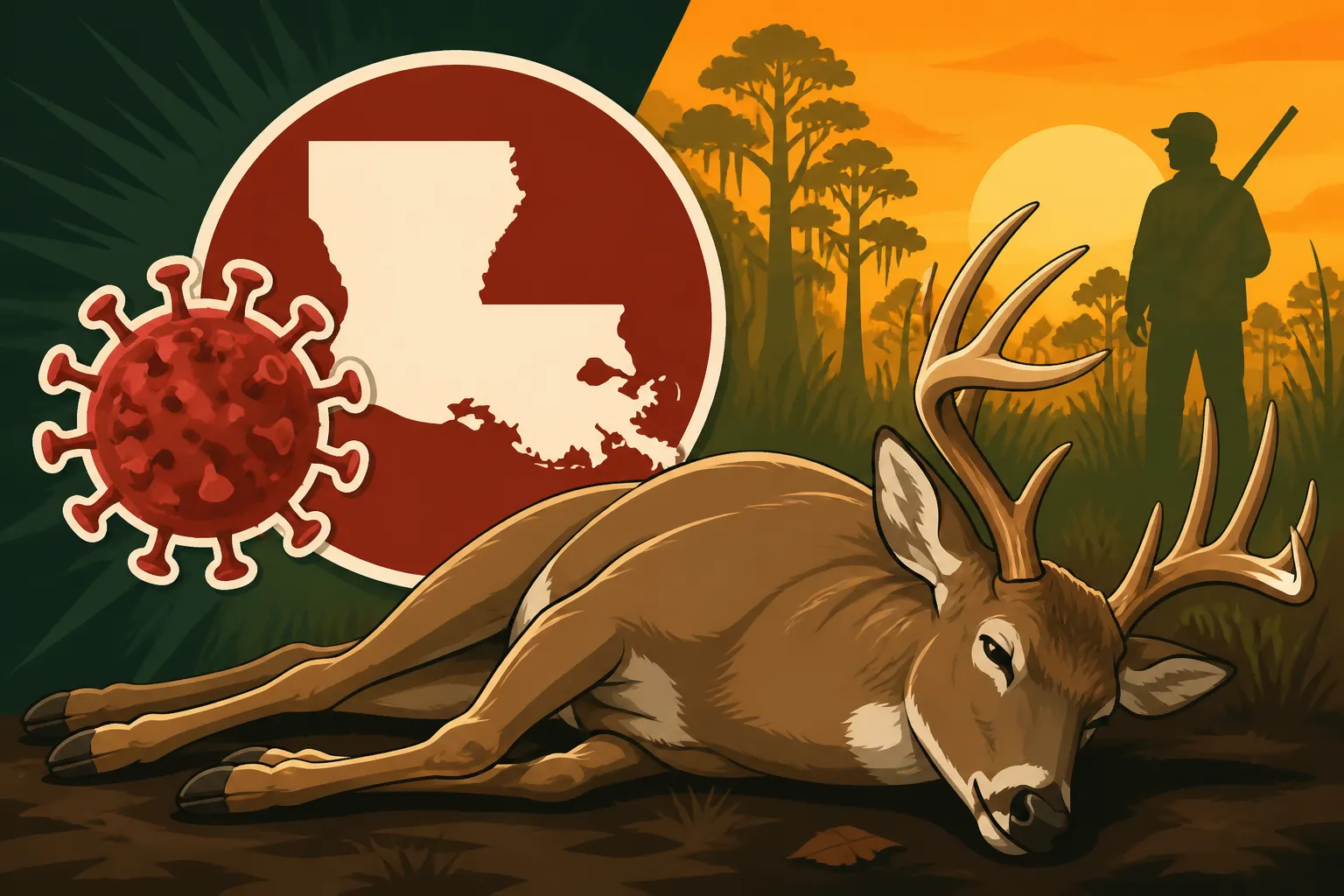
Finding a dead deer, especially one that appeared healthy just days before, is one of the most disheartening experiences a Louisiana hunter can face. It's a stark reminder of nature's harsh realities, and often, it leaves us wondering what happened. One of the common, yet often misunderstood, culprits behind these sudden losses in our deer herd is Epizootic Hemorrhagic Disease (EHD), or its close cousin, Bluetongue. This guide is here to break down what EHD is, how it impacts our whitetails across Louisiana, and what you, as a hunter, can do when you suspect an outbreak in your favorite hunting grounds.
What is EHD and How Does it Affect Deer?
Epizootic Hemorrhagic Disease (EHD) is a viral disease that’s been causing sporadic die-offs in deer populations for decades, not just in Louisiana, but across North America. It’s caused by a virus transmitted by tiny biting gnats, often called midges or no-see-ums. These aren't your typical mosquitoes; they're much smaller and thrive in certain environmental conditions. When a gnat bites an infected deer, it picks up the virus, and then it can transmit it to another deer when it bites again. This transmission cycle is critical to understanding why outbreaks tend to spike at certain times of the year and in particular habitats.
The Science Behind the Sickness
Once a deer is infected, the EHD virus primarily targets the lining of the blood vessels. Imagine the delicate network of tiny pipes carrying blood throughout the deer's body. The virus attacks these linings, causing them to weaken, leak, and eventually rupture. This leads to internal hemorrhaging, swelling, and a host of other debilitating symptoms. Deer can experience everything from fever and weakness to severe swelling in the head, neck, tongue, and eyelids. The severity of the disease can vary greatly depending on the strain of the virus, the overall health of the deer, and its previous exposure to EHD. Some deer might only show mild symptoms and recover, developing immunity, while others succumb very quickly.
It's a really tough thing to witness, or even just to think about. A strong, healthy buck or a vibrant doe could be foraging happily one day, and within a week, they could be gone. The suddenness is what often catches hunters off guard and causes concern. While EHD is specific to deer and other ruminants, it’s important to remember that it poses no known health risk to humans, so there's no need to worry about consuming venison from a healthy-looking deer harvested in an affected area. Still, if you ever harvest a deer that appears sick or emaciated, it's always best to err on the side of caution and have it tested or avoid consumption.
The Role of Midges and Habitat in Transmission
The tiny culprits responsible for spreading EHD are from the genus Culicoides. These aren't just any bugs; they are specifically adapted to certain damp, muddy environments. They breed in shallow water with plenty of organic matter – think slow-moving creek beds, stagnant ponds, or muddy edges of sloughs, which are incredibly common features of the Louisiana landscape, especially in our bottomland hardwoods and wetland areas. This is why you often see EHD outbreaks coincide with periods of hot, dry weather followed by a little rain, which can create ideal breeding conditions for these gnats.
When water levels drop in late summer and early fall, these midge breeding sites become more concentrated, forcing deer and midges into closer proximity around dwindling water sources. This creates a perfect storm for rapid disease transmission. Areas like the Tensas River Basin or the deeper sections of the Atchafalaya Basin can be particularly susceptible due to their extensive network of waterways and the seasonal fluctuations in water levels. Understanding these environmental factors helps us anticipate when and where an outbreak might occur, though predicting the exact timing and severity can still be tricky.
Recognizing the Signs of an EHD Outbreak in Louisiana
Spotting an EHD die-off can be heartbreaking, but knowing what to look for can help you identify a potential outbreak early and report it. The signs are often quite distinct, though they can sometimes be confused with other deer diseases, like Chronic Wasting Disease (CWD), which is a completely different, always-fatal neurological condition. EHD is acute, meaning it hits fast and hard. CWD is chronic, a slow, wasting disease that takes months or years to show severe symptoms.
Physical Symptoms of Infected Deer
When deer contract EHD, they typically exhibit a range of symptoms that progress rapidly. Early on, you might notice deer appearing lethargic, weak, and disoriented. They may lose their natural wariness and seem unusually tame. As the disease advances, you'll start to see more pronounced physical signs. A high fever drives infected deer to seek out water, so finding carcasses near water sources like creeks, ponds, or even puddles is a common indicator.
Look for swelling, particularly in the head, neck, eyelids, and tongue. Their tongues might appear bluish or swollen, protruding from their mouths. You might also notice ulcers or lesions on their mouths, noses, and tongues. Hooves can also be affected, with new growth lines or even sloughing off, though this is more common in deer that survive the initial infection but are left with lasting damage. Their coat might look rough, and they could be drooling excessively. If you happen to encounter a deer showing these signs, it's a strong indication of EHD. The Louisiana Department of Wildlife and Fisheries (LDWF) relies on hunter reports to track these outbreaks, so your observations are incredibly valuable.
Timing and Environmental Factors
EHD outbreaks in Louisiana typically occur in late summer and early fall, usually from August through October. This timing aligns perfectly with the peak activity of the Culicoides midges and often follows periods of hot, dry weather interspersed with rain, as mentioned earlier. The drier conditions concentrate deer around fewer water sources, increasing their exposure to the midges that breed in those damp areas. When cool weather and a good hard frost finally arrive, it typically kills off the midges, bringing an end to the EHD transmission cycle for the season.
If you're using tools like GoHunt to scout and track environmental conditions or observe historical deer patterns, you might notice trends that correlate with EHD outbreaks. For example, if you're tracking rainfall data or water levels on your hunting lease or public lands you frequent, a pattern of declining water followed by small, intermittent rain events could signal a higher risk. Conversely, a really wet summer might mean more widespread breeding habitat for midges, but if deer aren't concentrated around dwindling sources, the overall spread might be less impactful. It’s all about that delicate balance of conditions that favor both the vector and the host.
| Symptom Category | EHD (Acute) | CWD (Chronic) |
|---|---|---|
| Onset | Rapid (days to weeks) | Slow (months to years) |
| Behavior | Lethargic, disoriented, seeking water, unusual tameness | Emaciated, vacant stare, drooling, head pressing, loss of fear |
| Physical Signs | Swollen head, neck, tongue; lesions on mouth/nose; fever; bloody discharge; hooves may slough | Severe weight loss (wasting); rough coat; excessive salivation; lowered head; difficulty swallowing |
| Carcass Location | Often near water sources | Can be anywhere, often alone |
| Transmission | Biting midges (no-see-ums) | Prions (abnormal proteins) via direct contact, environment |
| Seasonality | Late summer/early fall (ends with hard frost) | Year-round, no seasonal pattern |
| Human Risk | None known | Avoid consumption; potential unknown risk (no confirmed cases) |
Managing and Responding to EHD in Your Hunting Area
While EHD is a natural phenomenon, and we can't completely prevent it, there are steps hunters and landowners can take to understand, mitigate, and report its impacts. The most crucial thing is communication and cooperation with wildlife authorities.
Reporting Suspected Cases to LDWF
The Louisiana Department of Wildlife and Fisheries (LDWF) monitors wildlife health across the state, and your observations are vital to their efforts. If you find multiple dead deer, especially with the telltale signs of EHD, or observe deer exhibiting severe symptoms, it's important to report it. You can usually find information on their website about how to Report a Sick Animal in Louisiana. Providing details about the location, the number of affected animals, and any observed symptoms helps biologists understand the scope and severity of an outbreak.
Don't assume someone else will report it. Your call could be the first indication of a localized outbreak, allowing LDWF to track disease patterns, assess regional herd health, and inform the hunting community. While LDWF generally doesn't intervene in EHD outbreaks because they are a natural, often self-limiting, disease, your reports help them guide management decisions, especially regarding herd dynamics and future harvest recommendations. They might also collect samples for testing to confirm EHD and rule out other diseases, like CWD, which requires a different management approach.
Minimizing Impact and Herd Recovery
For private landowners, certain land management practices can indirectly help mitigate the severity of EHD outbreaks, though no method can guarantee prevention. Ensuring a diversity of reliable water sources during dry periods, rather than a few stagnant puddles, can spread out deer populations and potentially reduce midge exposure. Good habitat management that promotes overall deer health can also help deer better withstand the disease, as healthier animals often have stronger immune systems. This could include things like maintaining diverse forage, managing timber, and creating varied bedding areas.
For public land hunters, it's more about understanding the dynamics and adapting your hunting strategy. While you can't influence habitat management directly, you can stay informed by checking LDWF reports and paying close attention during your scouting trips. For example, if you're scouting prior to archery season and notice signs of a die-off, you might adjust your expectations for Louisiana Deer Harvest Records in that specific area or focus on other sections of the Public Hunting Land in Louisiana where conditions might be less conducive to an outbreak. Deer populations, even after a severe EHD event, are remarkably resilient and often rebound within a few years, especially given Louisiana's fertile habitat and strong fawn recruitment in many areas.
Living with EHD: Long-Term Impacts and Hunter Adaptations
EHD is a part of the natural cycle in Louisiana, and while it's tough, understanding its long-term effects on the deer herd and adapting your hunting strategies can help you remain successful and ethical. It's about respecting the resilience of nature and focusing on the bigger picture.
Herd Resilience and Population Dynamics
One of the most remarkable aspects of white-tailed deer is their ability to bounce back from adversity. While EHD outbreaks can significantly reduce local deer numbers, especially mature bucks, the population usually recovers over a few years. Does typically have higher fawn survival rates, and healthy remaining deer often exhibit compensatory breeding, meaning they may have more fawns in subsequent years. This natural phenomenon helps quickly replenish the herd.
For hunters, this means that while a particular season might be tougher in an affected area, it's not the end of hunting there forever. Patience is key. If you've experienced a die-off in your area, consider that the remaining deer might be more susceptible to hunting pressure, so adjust your approach. Over-harvesting does after a significant EHD event can slow recovery, so adhering to bag limits and focusing on a balanced harvest is important. Using comprehensive hunting apps like GoHunt can help you analyze past harvest data in your general area and consider how an EHD event might shift those patterns in the coming seasons, helping you strategize where to concentrate your efforts.
Adapting Hunting Strategies and Ethical Considerations
In the aftermath of an EHD outbreak, your hunting strategy might need a pivot. If your usual honey hole was hit hard, you might find fewer deer, or fewer mature deer. This could be an opportunity to explore new areas, perhaps focusing on adjacent tracts that might not have been as affected. Scouting Louisiana Public Land Before Season becomes even more critical, allowing you to assess deer activity and health before opening day.
It's also a time for heightened ethical considerations. If you're seeing signs of widespread die-off, avoid pushing deer unnecessarily. Give the remaining animals space to recover and rebuild. This might mean altering your approach to Deer Drives With Three or Four Hunters or rethinking how aggressively you use calls like Rattling Volume in Thick Cover. Furthermore, if you encounter a deer that appears sick but is still alive, it’s generally best to leave it undisturbed. The LDWF prefers hunters to report sick animals rather than intervene, as it helps them monitor the disease. Remember, EHD does not pose a risk to humans, but as a responsible hunter, you should always inspect any animal you harvest for signs of disease and process it carefully.
The Long View: EHD as a Natural Part of the Ecosystem
Ultimately, EHD is a natural, albeit sometimes devastating, part of the ecosystem, particularly in a climate like Louisiana's. It's an environmental check that can influence Louisiana Deer Herd Size and dynamics. While it's disheartening to witness, it also highlights the resilience of our wildlife. As hunters, our role is to be informed, responsible stewards of the resource. By understanding EHD, reporting outbreaks, and adapting our strategies, we can continue to enjoy the incredible hunting opportunities Louisiana offers, even as we navigate the challenges that nature occasionally throws our way.
Disclaimer
This article is for general informational purposes only and does not constitute professional advice. Laws, prices and regulations vary by location and change over time. Consult a qualified professional for guidance on your specific situation.