Louisiana CWD Prevalence in the Northeast Zones
The frustrating reality for Louisiana deer hunters is that Chronic Wasting Disease (CWD) is no longer a distant problem; it's here, and its presence is particularly felt in our northeast zones. This guide is dedicated to breaking down what CWD prevalence means in these specific areas, how it impacts your hunting, and what steps you can take to understand and respond to this critical wildlife health issue.
Understanding Chronic Wasting Disease and Its Arrival in Louisiana
When we talk about CWD, it’s natural for a hunter's heart to sink a little. This disease represents a significant challenge to the health of our deer herds and, by extension, to our hunting traditions. It’s a topic that demands our attention, not just to understand the regulations, but to grasp the real-world implications for the future of deer hunting in the Pelican State.
What is CWD and Why Does It Matter for Hunters?
Chronic Wasting Disease is a transmissible neurological disease that affects cervids – that’s deer, elk, reindeer, sika deer, and moose. It's caused by abnormal proteins called prions, which slowly damage the brain and nervous system of infected animals. Unlike bacteria or viruses, prions aren't living organisms; they're misfolded proteins that cause other normal proteins to misfold. This leads to a suite of symptoms that are truly heartbreaking to witness: weight loss (wasting), stumbling, listlessness, behavioral changes, and excessive salivation. There's no vaccine, no treatment, and it's always fatal.
For us hunters, CWD matters on several fronts. First and foremost, it’s about the health of the herd. A widespread CWD infection could devastate deer populations, changing the landscape of hunting forever. Secondly, there are human health concerns. While there's no direct evidence of CWD spreading to humans, health organizations advise against consuming meat from CWD-positive animals. This means strict protocols for carcass handling and testing are crucial. Finally, it affects our ability to hunt freely. Management zones, baiting bans, and carcass movement restrictions are all measures implemented to try and contain this insidious disease, and they directly impact our hunting plans and routines. It’s not just about the numbers; it’s about the very essence of what we do in the woods.
The Initial Detection: Where and When CWD First Appeared
Louisiana had a good run, watching other states grapple with CWD for years, always hoping it wouldn't reach our borders. But, as we often know with wildlife issues, borders are just lines on a map. The gut punch came in January, when Louisiana officially confirmed its first positive case of CWD in a white-tailed deer harvested in Tensas Parish. This single detection immediately elevated the situation from a theoretical threat to a very real and present danger. Suddenly, the discussions shifted from "if" to "how do we manage this now?"
This first case wasn't isolated; it signaled that the disease had likely been present in the deer population for some time, just undetected. The initial detection immediately triggered a rapid response from wildlife officials. This included intensified surveillance, public outreach, and the establishment of specific CWD Management Zones – areas where special regulations would apply. For hunters, this was a wake-up call, requiring us to quickly learn a new set of rules and responsibilities to help combat the spread of this serious disease within our beloved deer herds. You can read more about How CWD Reached Tensas Parish for a deeper dive into the specifics of that initial case.
The Heart of the Matter: CWD Prevalence in Louisiana's Northeast Zones
When the first CWD case was confirmed, it wasn’t just a random spot on the map; it was deep in the rich agricultural and timberlands of northeast Louisiana. This region, known for its productive deer herds and strong hunting culture, became the focal point of the state's CWD management efforts. Understanding the prevalence here means understanding the battleground for the future of Louisiana deer hunting.
Mapping the Northeast: Key Parishes and Management Zones
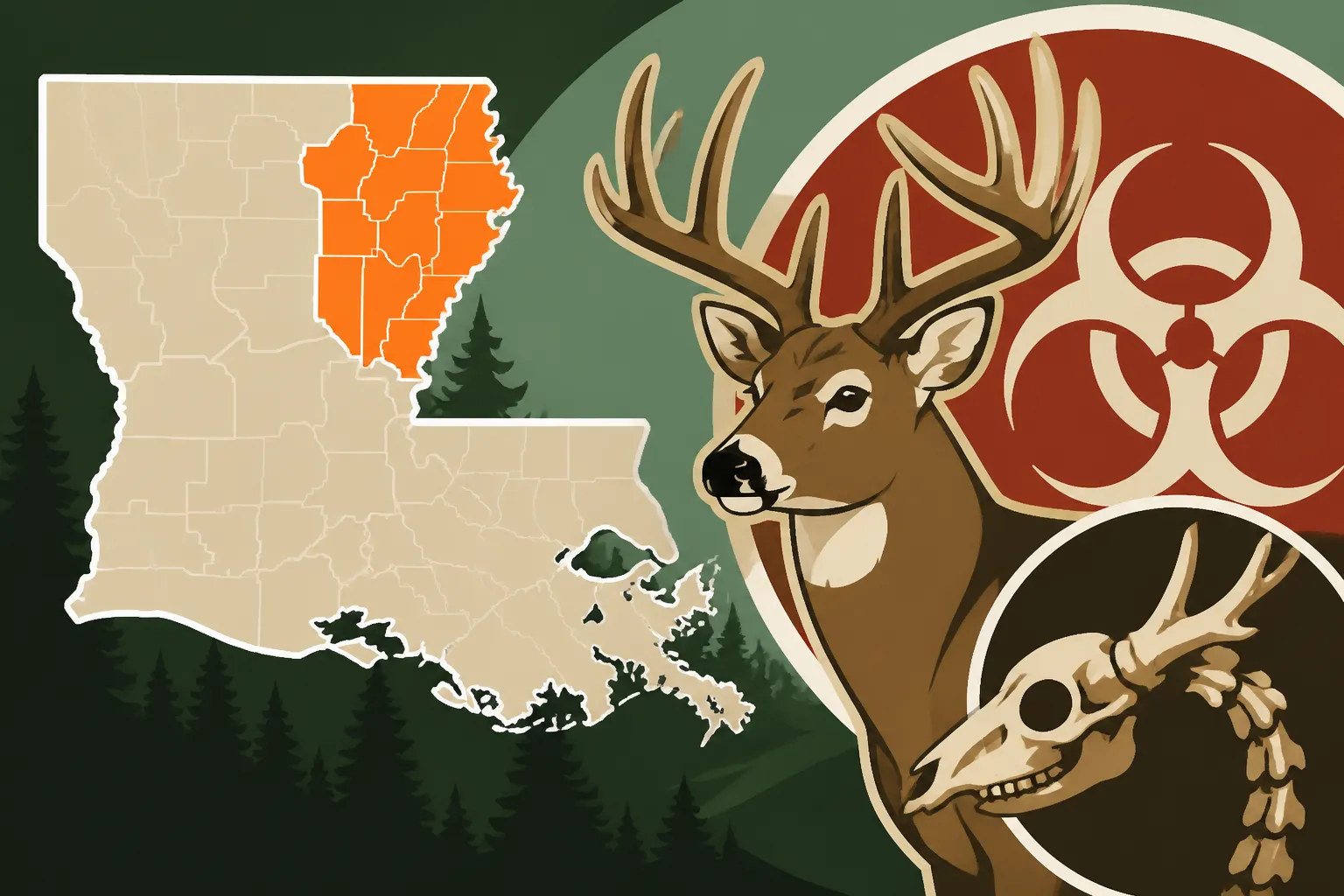
The initial detection in Tensas Parish led directly to the establishment of Louisiana's CWD Management Zones. These zones aren't arbitrary; they are geographically defined areas where the disease has been detected or is considered a high risk for spread. The core of these zones primarily lies in the northeast region of the state.
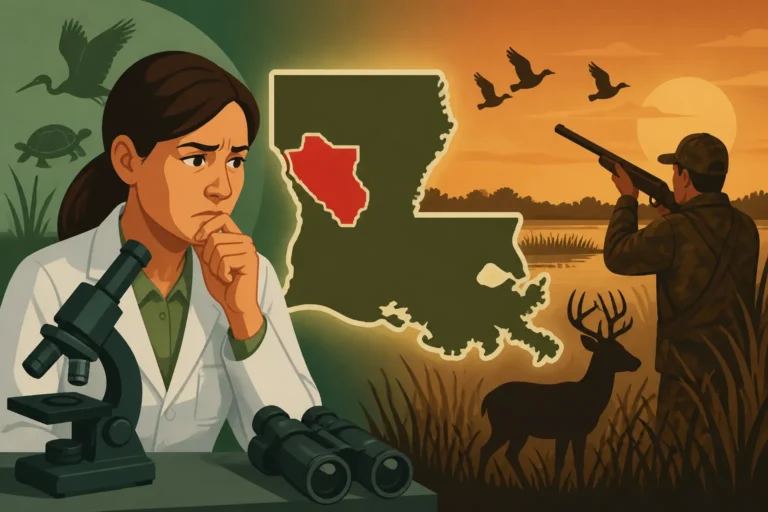
Specifically, the Louisiana Department of Wildlife and Fisheries (LDWF) designated an "Enhanced Mitigation Zone" and a "Buffer Zone." The Enhanced Mitigation Zone is the bullseye, surrounding the immediate area of positive CWD detections, with the most stringent regulations. This zone includes parts of Tensas, Concordia, Franklin, and Madison parishes. Surrounding this, a Buffer Zone extends outwards, encompassing additional areas like parts of East Carroll, West Carroll, Morehouse, Ouachita, Richland, Catahoula, and Caldwell parishes. These designations are critical for hunters because they dictate everything from carcass movement to baiting rules. If you're hunting within or near these parishes, knowing which zone you are in is absolutely vital. You can find detailed maps on the LDWF website, and helpful apps like GoHunt can often provide overlay information to show these zones right on your digital map. For a complete list, check out Which Fourteen Parishes Sit in a CWD Zone.
How Prevalence is Monitored and Tracked
Monitoring CWD prevalence in these northeast zones is an ongoing, labor-intensive process, and it's something that we, as hunters, play a direct role in. The LDWF uses a multi-pronged approach to track the disease:
- Mandatory Sampling: In the Enhanced Mitigation Zone, all deer harvested during specific seasons or by specific methods often require mandatory CWD testing. This means hunters must bring their deer (or specific samples, like the head) to designated sampling stations. This provides a crucial dataset to understand how many deer are infected and where.
- Voluntary Sampling Stations: Beyond mandatory testing, voluntary sampling stations are set up throughout both the Enhanced Mitigation and Buffer Zones. Hunters are strongly encouraged to voluntarily submit samples from their harvested deer. Every sample contributes to a clearer picture of the disease's distribution and prevalence.
- Roadkill Surveillance: Wildlife agents and road crews keep an eye out for deer found deceased by vehicle collisions. These animals are often sampled, as they can indicate disease presence without hunter harvest.
- Public Reporting: Hunters, landowners, and the general public are encouraged to report any deer exhibiting signs of CWD, such as extreme emaciation, abnormal behavior, or neurological issues. This "sick deer" surveillance is another important piece of the puzzle.
The data collected from all these efforts allows wildlife biologists to calculate prevalence rates – essentially, what percentage of the deer tested in a given area are CWD-positive. This information helps refine management strategies, assess the effectiveness of current measures, and inform hunters about the risk levels in different parts of the northeast. Understanding these efforts helps explain Why Tensas Parish Drives Louisiana's CWD Count and why continued vigilance is so important.
Navigating Hunting in CWD-Affected Northeast Zones
The presence of CWD in Louisiana's northeast zones has undeniably changed the game for hunters. It introduces a new layer of responsibility and a set of rules that, while sometimes inconvenient, are absolutely critical to the long-term health of our deer herd. It's not about making hunting harder; it's about safeguarding it.
Mandatory Testing and Carcass Restrictions You Need to Know
Hunting in a CWD-affected zone means adapting to new regulations, and the most impactful for many hunters are mandatory testing and carcass movement restrictions. These rules aren't designed to be a hassle; they're a scientific approach to minimizing the spread of prions.
In the Enhanced Mitigation Zone, depending on the specific hunting season or method, you might be required to submit your harvested deer for CWD testing. This often means taking the head of your deer to a designated sampling station within a specific timeframe. It's a non-negotiable step to help monitor the disease. Imagine the relief you feel when your test results come back negative, knowing you can enjoy your venison without worry. You can learn more about Louisiana CWD Testing for Hunters to understand the process.
Equally important are the carcass movement restrictions. The prions that cause CWD are most concentrated in the brain, spinal cord, lymph nodes, and spleen. To prevent hunters from inadvertently moving these high-risk materials out of an infected zone and potentially starting new infection sites, strict rules are in place. Generally, you cannot transport a whole deer carcass or certain parts (like the head or spinal column) out of the CWD Management Zone. You're typically allowed to move deboned meat, clean antlers, hides, and taxidermy-ready skulls (with brain matter removed and cleaned). This means if you harvest a deer in Tensas Parish, for example, and live in another part of the state, you'll need to process that deer appropriately within the zone before heading home. This sounds like a lot, but it’s a small price to pay for protecting our state’s deer. Make sure you're up to speed on Louisiana Carcass Movement Restrictions before your next trip.
Here’s a quick overview of what you can and cannot move out of the Enhanced Mitigation Zone:
| Item | Permitted for Movement Out of Zone | Restrictions/Conditions |
|---|---|---|
| Deboned Meat | Yes | Must be deboned; no brain or spinal tissue attached |
| Clean Antlers | Yes | Skull plate must be cleaned of all tissue |
| Clean Hides | Yes | Must be cleaned of all meat and tissue |
| Taxidermy-Ready Skull | Yes | Must have brain matter and all soft tissue completely removed and cleaned |
| Whole Carcass | No | Cannot be moved out of the Enhanced Mitigation Zone |
| Brain, Spinal Cord | No | Cannot be moved out of the Enhanced Mitigation Zone |
Adapting Your Hunting Strategy and Contributing to Management
Beyond regulations, hunting in CWD zones means thinking differently about your strategy and actively contributing to management efforts. It's a partnership between hunters and wildlife agencies.
One significant adaptation is The Enhanced Mitigation Zone Baiting Ban. If you're used to baiting deer, you'll need to adjust your approach. This ban is in place because bait sites can concentrate deer, increasing nose-to-nose contact and the environmental contamination from saliva, urine, and feces, which are all potential vectors for CWD prions. Instead of bait, focus on natural food sources, travel corridors, and bedding areas. Scouting with tools like GoHunt can help you identify these natural hotspots and patterns of deer movement, allowing you to transition away from baiting effectively.
Another way you contribute is through harvest. In CWD zones, biologists often encourage increased harvest, particularly of antlerless deer. This is because reducing overall deer density can help slow the spread of the disease by lessening animal-to-animal contact. Don't be afraid to take advantage of liberal antlerless opportunities in these areas; it's a vital part of herd health management. If you want to refine your general deer hunting knowledge, consider resources like Louisiana Deer Hunting Area by Area to understand region-specific challenges.
Finally, continuous education is key. Stay informed about the latest regulations and CWD developments. The LDWF website is your best friend for updates. Every hunter has a role to play, from proper carcass disposal (bagging and disposing of high-risk parts in municipal landfills within the zone) to reporting suspicious-looking deer. Your actions directly impact the success of CWD management in Louisiana.
Looking Ahead: The Future of CWD in Louisiana's Northeast
The battle against CWD in Louisiana's northeast zones is an ongoing one, with no easy answers. It's a long-term commitment that requires patience, scientific rigor, and the continued cooperation of the hunting community. While the challenge is significant, there's hope in the collective effort to manage and mitigate its impact.
Collaborative Efforts and Research Initiatives
Wildlife agencies, universities, and even federal partners are constantly engaged in collaborative efforts and research initiatives to better understand CWD and develop more effective management strategies. This isn't just a local fight; it's part of a national and international scientific endeavor. Researchers are studying everything from prion resistance in deer genetics to environmental persistence of prions in soil, and how factors like soil type or vegetation might influence their spread.
In Louisiana, this means continued monitoring, refining sampling techniques, and analyzing the data collected from hunter harvests. The LDWF is working with neighboring states that have more extensive experience with CWD to leverage their knowledge and adapt successful strategies to our unique Louisiana ecosystems. These collaborations are vital for staying ahead of the disease and ensuring that our management efforts are based on the latest scientific understanding. Every piece of information helps guide decisions, from where to establish new sampling stations to how to adapt hunting regulations for future seasons.
Hunter Responsibility: Your Role in Containing the Spread
As hunters, we are the front-line conservationists, and our responsibility in containing the spread of CWD is paramount. It extends far beyond simply adhering to regulations; it's about a mindset of vigilance and proactive participation.
Firstly, embrace the regulations. The rules about The CWD Buffer Zone Baiting Rules and carcass movement are there for a reason. They might feel restrictive, but they are science-backed measures designed to protect the deer we cherish. Secondly, educate yourself. Stay informed about CWD. Understand the symptoms, know the boundaries of the CWD Management Zones, and be aware of the latest LDWF advisories. Using tools like GoHunt to track legislative changes or map out CWD zones on your hunting property can be incredibly helpful.
Lastly, and perhaps most importantly, participate. If there are voluntary sampling opportunities, take advantage of them. If you see a deer exhibiting suspicious behavior, report it to the LDWF. By actively engaging in these efforts, you become a crucial part of the solution. Our collective actions, no matter how small they seem individually, contribute to a larger effort to ensure that Louisiana's deer herds remain healthy and that future generations can enjoy the rich hunting heritage that defines our state. The future of White-Tailed Deer Across Louisiana depends on it.
Disclaimer
This article is for general informational purposes only and does not constitute professional advice. Laws, prices and regulations vary by location and change over time. Consult a qualified professional for guidance on your specific situation.