Louisiana Boone and Crockett Whitetails
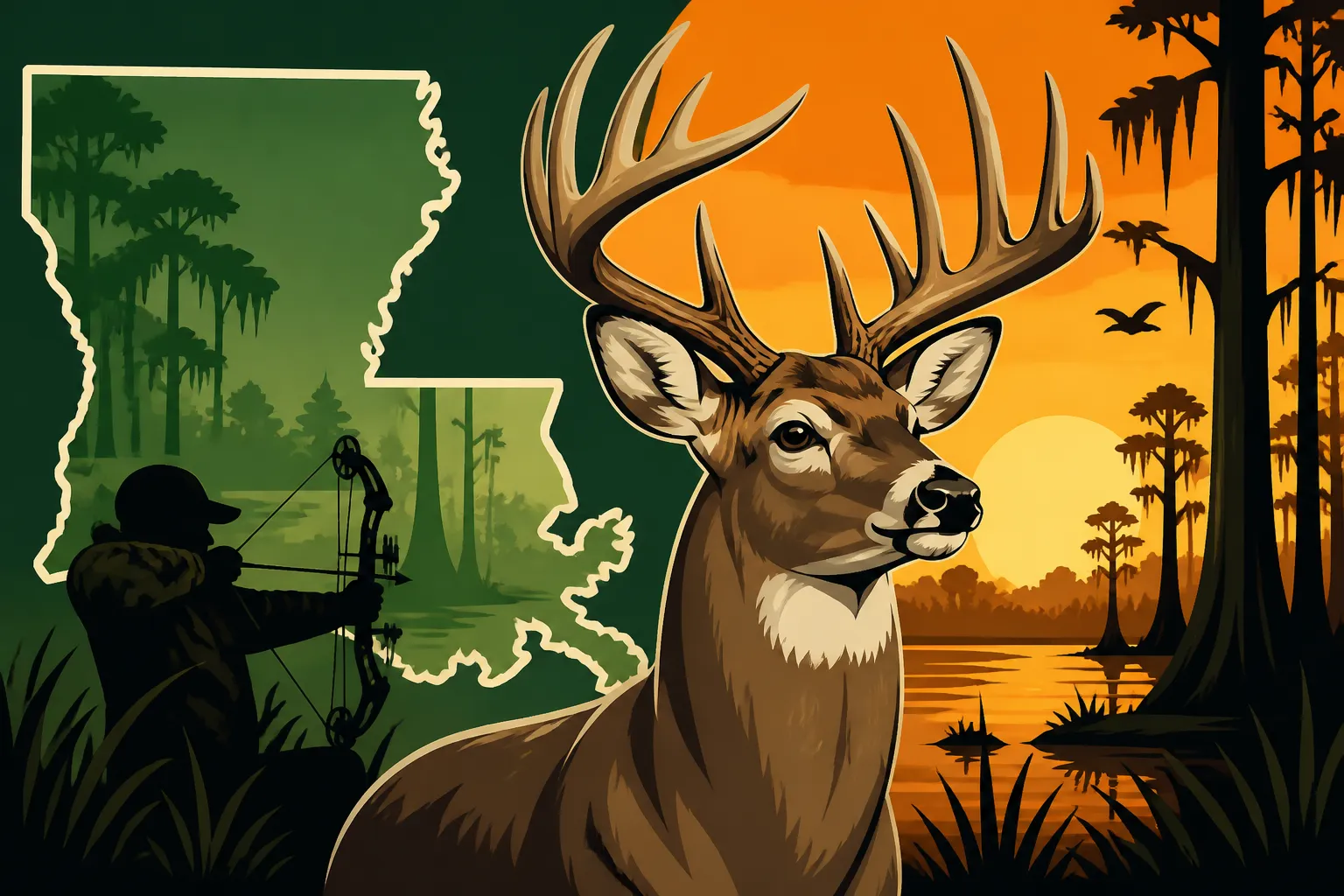
If you've ever spent time in a deer stand across Louisiana, you know the dream: that moment a truly magnificent whitetail steps out, antlers wide and heavy, making your heart pound. But for many, the idea of tagging a Boone and Crockett-class deer in our unique landscape feels like an impossible feat. This guide is all about peeling back the layers on what it truly takes to encounter, hunt, and successfully harvest a Louisiana whitetail that has the potential to make the record books, addressing the very real challenges and the rare opportunities that exist.
The Elusive Dream: What Defines a Boone and Crockett Whitetail in Louisiana?
Let's be honest, seeing a "Boone and Crockett" buck mentioned often gets thrown around casually in hunting circles. But what does it really mean, especially when we're talking about the distinct challenges and habitats here in Louisiana? It's not just about a big rack; it's about a specific standard that truly sets a deer apart. The reality for us down here, with our often thick cover, diverse ecosystems, and sometimes surprising antler growth, is that a B&C buck is a creature of legend, pursued with almost religious fervor.
What are Boone and Crockett Standards?
The Boone and Crockett Club is an organization dedicated to fair chase hunting and the conservation of North American big game. For whitetail deer, they have a meticulous scoring system that measures antler size based on a combination of factors: main beam length, spread, circumference, and the length of each individual point. Deductions are made for abnormal points or lack of symmetry, distinguishing between "typical" and "non-typical" categories. For a typical whitetail, the minimum entry score for the all-time record book is 170 net points, while non-typical bucks require a minimum of 195 net points. These aren't just arbitrary numbers; they represent truly exceptional antler development, often requiring ideal conditions and significant age. For Louisiana hunters, these numbers often feel astronomical when we're used to seeing many of our bucks in the 120-140 inch range, which are fantastic deer in their own right, but not quite B&C.
The Scarcity of True Giants
You might hear whispers of a giant buck taken off a private farm in the Delta, or a truly ancient swamp buck with a heavy rack. These stories are rare because B&C bucks are rare. In Louisiana, our deer herds face unique environmental pressures. While we have good deer, the combination of widespread hunting pressure, often fragmented habitat, and a general lack of widespread truly nutrient-rich soils means that the stars really have to align for a deer to reach B&C potential. It's not like some Midwestern states where 150-inch deer are relatively common; here, that's a true trophy. The scarcity makes the pursuit all the more compelling, and the success stories all the more celebrated among local hunters. Every once in a while, a deer surprises everyone, often coming from an area with limited access or an almost mythical ability to evade hunters for years.
Why Louisiana Deer Face Unique Challenges
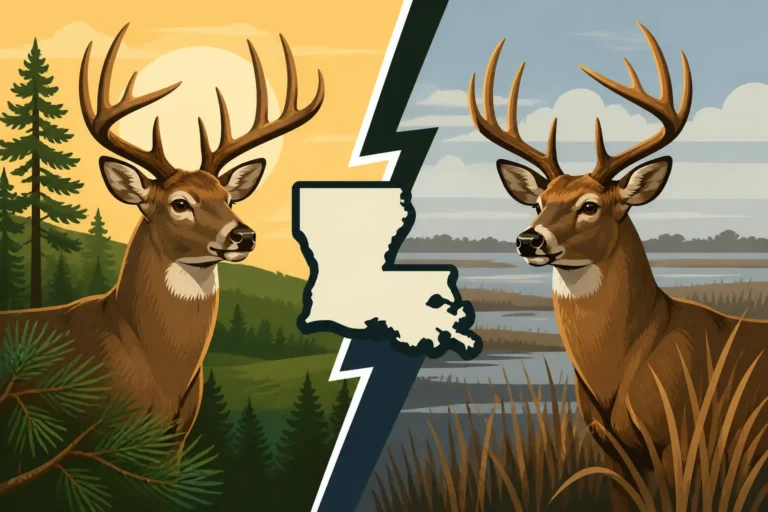
Our bayous, swamps, pine forests, and agricultural lands each present their own set of challenges for deer to reach their full potential. In the deep swamps of the Atchafalaya Basin, deer are often smaller-bodied and have antlers that reflect a more challenging nutritional environment, even if they reach old age. Up in the piney woods, deer density can be high, but the forage quality might not always support optimal antler growth. Then you have the agricultural belts, where deer have access to rich food sources like soybeans and corn, but also face higher hunting pressure. The dense cover across much of the state, particularly in the river bottomlands, means that deer can live to older ages largely unseen, but it also makes consistent observation and targeting of specific mature bucks incredibly difficult. It's a constant dance between nutrient availability, predator pressure, and the ever-present human element. Understanding these regional differences is crucial, and mapping tools like those on GoHunt can sometimes offer insights into different habitat types and potential sanctuaries for older deer.
The Trifecta: Genetics, Age, and Nutrition for Louisiana Trophy Bucks
To grow an antler rack that even sniffs the Boone and Crockett minimums, a Louisiana whitetail needs a perfect storm of conditions. It's not just luck; it's a careful balance of inherent potential, enough years to fully express that potential, and the fuel to build those incredible structures. If any one of these three legs of the stool is weak, the chances of a truly monumental rack plummet. As hunters, while we can't change a deer's DNA, we can certainly influence the latter two factors, particularly on well-managed private lands.
Genetic Blueprint: The Foundation of Antlers
Every deer carries a genetic code that dictates its potential for antler growth. Some bucks are simply born with the genes to grow larger, more symmetrical antlers with greater mass and longer tines. This is why you see certain areas, particularly those with a history of quality deer management, consistently producing bigger deer. While a hunter on public land might just be hoping for the best genetics to show up, those managing private land often focus on herd health and allowing bucks with superior genetics to reach maturity. However, it's important to remember that even a buck with incredible genetic potential won't reach B&C status if it's harvested too young or doesn't have the nutrition to support that growth. Genetics are the ceiling, but age and nutrition determine how close a buck gets to hitting that ceiling. When looking at historical harvest data, you'll see certain parishes that have consistently produced record-book deer, hinting at favorable genetics combined with other factors.
Age Structure: Letting Them Grow Old
This is perhaps the single most critical factor that hunters can influence, especially on private land. A whitetail buck typically doesn't reach its full antler potential until it's 4.5 to 6.5 years old, sometimes even older in certain environments. Killing a 2.5-year-old or even a 3.5-year-old buck, no matter how impressive it looks, means you're harvesting a deer that still has several years of growth ahead of it. This can be a tough pill to swallow when you're staring at a beautiful 8-point with a 16-inch spread, but patience is key for true trophy management. On public lands, this "let 'em go, let 'em grow" philosophy is much harder to implement due to high hunting pressure. That's why many B&C bucks from public land are often taken in remote, hard-to-access areas where they have a better chance of surviving to an older age. Learning to properly age a buck on the hoof is a skill that takes time and practice, but it's invaluable for those aspiring to consistently take mature deer. Our article on Louisiana Buck Age Structure delves deeper into this.
Nutritional Gold: What Louisiana Bucks Need
Antlers are bone, and bone requires serious mineral and protein input. Without a consistent, high-quality food source, even the best genetics and oldest buck won't grow a Boone and Crockett rack. In Louisiana, this means year-round access to a diverse array of forage: high-protein browse like greenbrier, honeysuckle, and various forbs in spring and summer, coupled with abundant mast crops like acorns in the fall, and lush food plots or agricultural crops in winter. Areas with rich soils, such as the Mississippi River Batture lands or specific agricultural zones, naturally provide better nutrition. Conversely, areas with poor soils or heavily timbered pine plantations might struggle to produce the same quality of forage. Food plots, mineral supplements, and careful timber management to encourage native browse are common strategies employed on private lands to boost the nutritional plane. Even knowing a deer's diet helps. Scouting for late-season food sources like brassicas or winter wheat can be highly effective.
| Factor | Description | Impact on B&C Potential | Hunter Control (Private Land) | Hunter Control (Public Land) |
|---|---|---|---|---|
| Genetics | Inherited traits that determine potential antler size, mass, and symmetry. Varies by region and herd history. | High – Sets the absolute ceiling for antler growth. | Limited (herd selection) | Very Limited (luck of the draw) |
| Age | The number of years a buck has lived. Antlers typically peak in growth between 4.5 and 6.5 years old. | High – Essential for a buck to express its genetic potential. Young bucks simply don't have the time. | High (pass young bucks) | Low (high hunting pressure) |
| Nutrition | Year-round access to high-quality protein, minerals (especially calcium, phosphorus), and energy. Influenced by soil quality, habitat diversity, and food availability. | High – Fuels antler growth and overall health. Poor nutrition limits growth regardless of age/genetics. | High (food plots, habitat work) | Moderate (scout natural food sources, GoHunt for habitat info) |
| Hunting Pressure | The amount of disturbance and targeting by hunters. High pressure reduces a buck's chance of reaching old age. | High – Directly impacts a buck's survival to maturity. | High (controlled harvest) | Low (often very high) |
Where the Giants Roam: Prime Louisiana Regions for B&C Potential
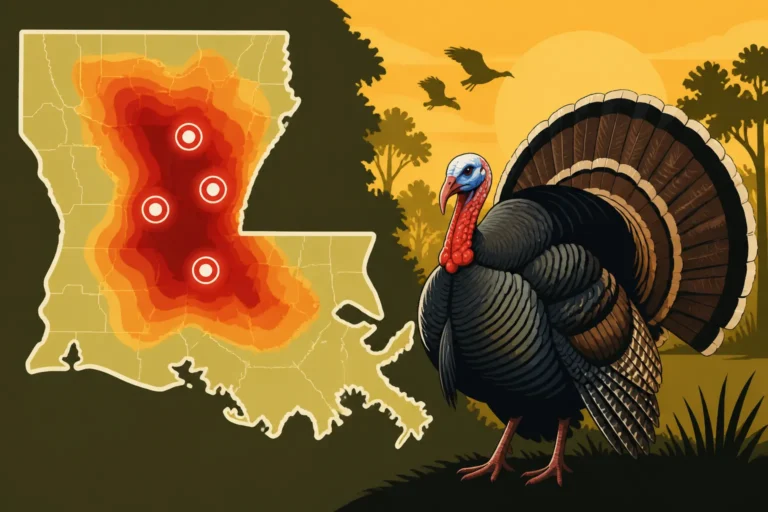
While B&C bucks can theoretically pop up anywhere, certain regions of Louisiana consistently produce larger-racked deer due to a combination of factors we just discussed: genetics, age structure, and nutrition. If you're serious about the quest for a Boone and Crockett whitetail, understanding these hotspots and why they excel is crucial. It helps you focus your scouting and hunting efforts where the odds are, albeit still slim, at their highest. These areas often represent a balance of rich habitat and enough sanctuary for deer to grow.
The Allure of the Mississippi River Batture
When serious trophy hunters in Louisiana talk about big deer, the Mississippi River Batture lands almost always come up. This unique ecosystem, nestled between the levee and the river itself, is a linear strip of incredibly fertile ground. The annual flooding deposits rich silt, creating deep, productive soils. This leads to an abundance of high-quality browse and mast crops. Deer in these areas have access to incredible nutrition year-round. Furthermore, the thick, often impenetrable nature of the batture provides exceptional cover, allowing bucks to often reach older age classes relatively undisturbed. This combination of rich food, dense cover, and often limited access on some tracts makes the batture a true trophy factory. Hunters who secure leases or permission in these areas know they're sitting on some of the best whitetail ground in the state. If you're looking for public access, some areas of the Tensas River National Wildlife Refuge Hunting also offer similar habitat characteristics, though with increased pressure.
Florida Parishes: A Surprising Hotbed
East of the Mississippi River, stretching into the Florida Parishes (think parishes like East Feliciana, West Feliciana, and Tangipahoa), lies another region that has quietly earned a reputation for producing some truly exceptional bucks. These rolling hills and river bottoms, particularly along creeks and river systems like the Amite and Comite, offer a unique blend of habitat. There's often a mix of mature hardwood timber, pine plantations, and increasingly, small agricultural fields. The key here often lies in the quality of private land management and the relative lack of widespread public hunting pressure compared to other parts of the state. Many landowners and hunting clubs in the Florida Parishes have adopted quality deer management practices, focusing on passing younger bucks and improving habitat. This leads to an older age structure and bucks having the time to develop impressive racks. Our article on Why the Florida Parishes Grow Big Bucks explains this phenomenon in more detail.
River Bottoms and Farm Country
Beyond the batture and Florida Parishes, other significant river bottom areas like the Ouachita, Red, and Black River systems, particularly where they merge with extensive agricultural landscapes, also show strong potential. These areas benefit from seasonal flooding that deposits nutrients, coupled with the consistent, high-energy food sources provided by nearby farm fields (corn, soybeans, winter wheat). Deer can bed in the dense river bottom cover and slip out into the fields to feed, packing on weight and growing impressive antlers. The challenge here, as mentioned, is often dealing with higher hunting pressure due to the desirability of these tracts. However, large private landholdings or remote pockets within these regions can offer exceptional hunting. Even on public land, understanding the dynamics of Hunting Tensas Parish River Bottoms can unlock opportunities. Utilizing mapping software like GoHunt can help identify these prime agricultural interfaces and potential bedding areas.
Hunting the Ghost: Strategies for Pursuing a Louisiana Trophy Buck
So, you've scouted, you've located a promising area, and maybe you've even gotten a trail camera picture of a buck that makes your jaw drop. Now comes the hard part: actually putting that deer on the ground. Hunting a potential Boone and Crockett buck in Louisiana is less about sheer luck and more about extreme patience, meticulous scouting, and often, a willingness to pass on good deer in pursuit of a truly great one. It's a mental game as much as a physical one, demanding discipline and resilience against the unique challenges our state presents.
Patience and Persistence: The Ultimate Virtues
This isn't a strategy for those looking for instant gratification. Hunting a B&C deer, especially in Louisiana, is a marathon, not a sprint. It often means many hours in the stand, seeing lots of deer, and having to make the agonizing decision to let smaller bucks walk. It means coming home empty-handed on many hunts, even when other hunters are filling their tags. This persistence extends beyond the season itself; it means year-round dedication to scouting, habitat improvement, and intelligence gathering. You might be hunting the same buck for multiple seasons, learning its patterns, and waiting for that one perfect opportunity. For many hunters, the mental fortitude required is the biggest hurdle. Sometimes, you'll need to make tough calls, like waiting for the peak of the rut in your specific area, as detailed in Hunting the Rut in the Long-Window Areas, rather than taking the first good buck that walks by.
Scouting for Mature Deer Sign
You can't shoot what you don't know is there. Intensive, year-round scouting is non-negotiable for hunting trophy bucks. This isn't just about setting up a few trail cameras; it's about walking countless miles, particularly in the off-season, to find core bedding areas, consistent travel corridors, heavily used scrape lines, and rub lines that indicate the presence of a mature deer. Look for old, heavy rubs on large trees – a sign that a dominant buck is actively marking its territory. Pay attention to how deer use the terrain, especially subtle elevation changes, thickets, and water features that create natural funnels or sanctuaries. Use aerial photos and topo maps (GoHunt often has excellent layers for this) to identify potential unpressured pockets, even on public land. Learning to "read" the woods for these subtle clues is an art form, especially when Scouting Louisiana Public Land Before Season, where deer patterns might shift with pressure.
Targeting the Rut and Beyond
While a trophy buck can be harvested at any point in the season, the rut offers the absolute best chance. During this period, mature bucks are far more vulnerable as they throw caution to the wind in search of does. Understanding Hunting the Louisiana Rut by Area is critical, as rut timing can vary significantly across the state's different deer areas. Focusing your efforts during the peak breeding window, especially when combined with effective calling tactics like Rattling and Grunting in Louisiana, can dramatically increase your odds. However, don't overlook the late season. After the rut, bucks are often exhausted and focused solely on replenishing their energy reserves. Keying in on late-season food sources, particularly those in secluded areas where deer feel safe, can also be highly productive for a patient hunter. This might mean sitting a single-shot breechloader weekend over a secluded green field, waiting for a mature buck to finally drop its guard.
Disclaimer
This article is for general informational purposes only and does not constitute professional advice. Laws, prices and regulations vary by location and change over time. Consult a qualified professional for guidance on your specific situation.