Which Louisiana Parish Kills the Most Deer
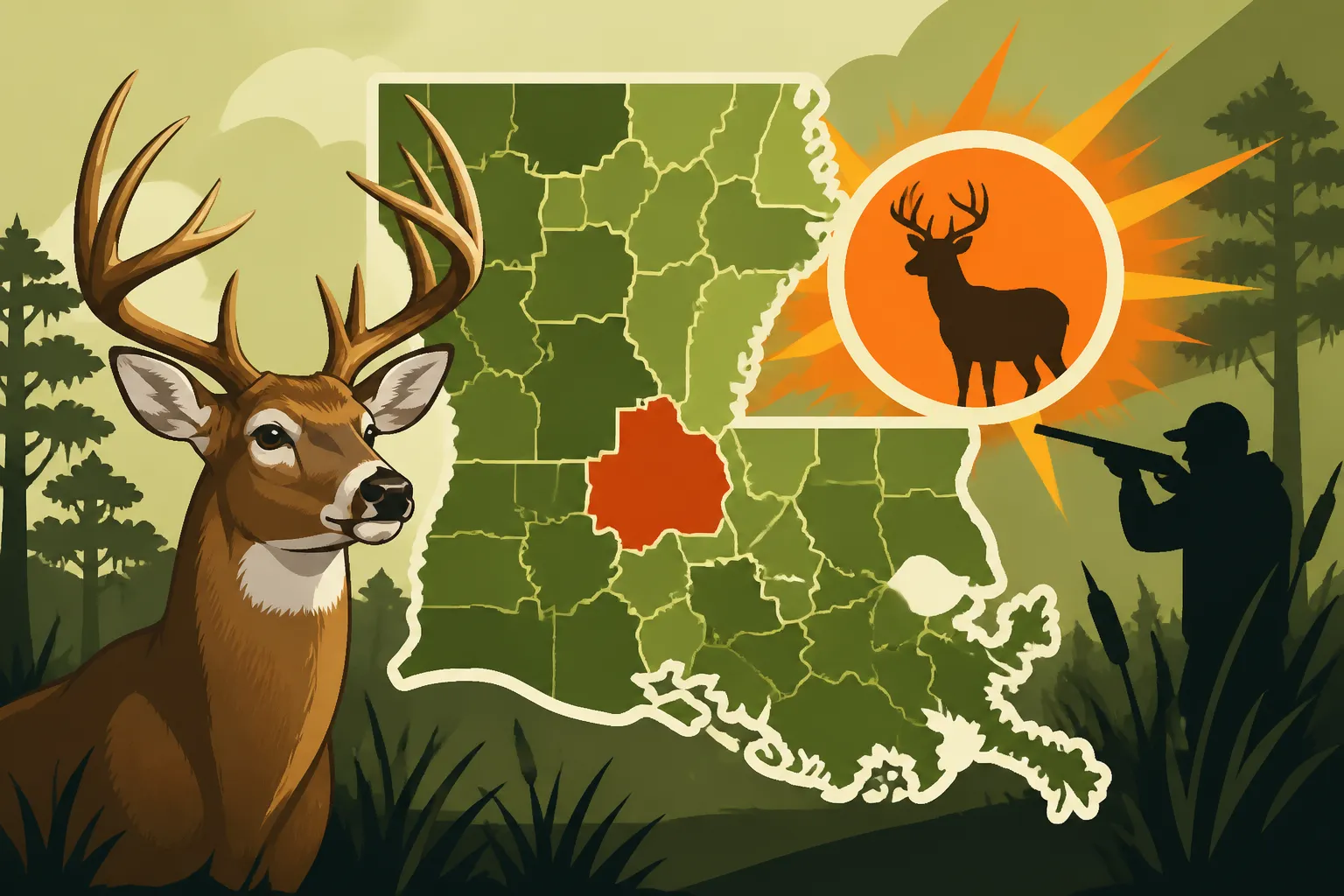
It’s a natural question for any deer hunter in Louisiana: where are the deer, and more specifically, where are other hunters finding success? When you're putting in the time, scouting, hanging stands, and busting brush, knowing which parishes consistently deliver higher harvest numbers can feel like finding a cheat code. This guide dives deep into the parishes that typically lead the pack in deer harvests, exploring the reasons behind their success and offering insights into how you can use this information to improve your own hunting strategy across the Pelican State.
Understanding Deer Harvest Data in Louisiana
Before we dive into specific parishes, it’s really helpful to understand how we even get this information in the first place and what factors can make one area more productive than another. It’s not just about luck; there’s a science and a rhythm to it all.
How Harvest Data is Collected and Reported
Every time a hunter harvests a deer in Louisiana, there's a mandatory reporting process. This isn't just a bureaucratic hoop to jump through; it's a critical tool for wildlife biologists. Hunters are required to report their harvest through the Louisiana Department of Wildlife and Fisheries (LDWF) online system or their mobile app. This data, which includes the parish of harvest, sex of the deer, and sometimes even age, paints a comprehensive picture of the state's deer population.
Imagine thousands of hunters across the state dutifully entering their harvest information. This aggregate data allows LDWF to track trends, assess herd health, and make informed management decisions regarding season lengths, bag limits, and specific regulations for different deer areas. For us hunters, it offers a fascinating glimpse into where the deer activity is truly happening year after year. It helps us understand which parishes have high deer density and consistent hunter success. For more on the specifics, you can check out the guide on Louisiana Deer Reporting Requirements.
Factors Influencing High Harvest Numbers
So, what makes certain parishes consistently report higher deer harvests? It’s a mix of several interconnected factors, and rarely just one thing.
- Habitat Quality and Quantity: This is probably the biggest one. Deer need food, water, and cover to thrive. Parishes with extensive forests, rich bottomlands, and agricultural fields (like corn, soybeans, or winter food plots) provide an abundant food source. Dense cover for bedding and security, along with accessible water, creates an ideal environment. When these elements are plentiful and well-distributed, deer populations can soar.
- Deer Population Density: It stands to reason that where there are more deer, more deer will be harvested. Some parishes naturally support higher deer densities due to superior habitat, lower predator numbers, or less fragmented landscapes. Understanding the Louisiana Deer Population Estimate gives a statewide context, but local density is key.
- Land Use and Access: A significant portion of Louisiana's deer hunting takes place on private land. Parishes with large tracts of privately managed land, often belonging to hunting clubs or timber companies, tend to see higher harvests because these lands can be intensely managed for deer. Think food plots, selective timber harvests, and strict antler regulations leading to healthier herds. Public land, while offering access to everyone, often faces higher hunting pressure which can spread out the harvest.
- Hunting Pressure and Hunter Density: This might seem counterintuitive, but a high number of hunters in a productive parish can certainly lead to a higher overall harvest, even if individual hunter success rates vary. If many hunters are hitting the woods, even a moderate success rate multiplied by a large number of participants can result in impressive parish-wide totals.
- Season Structure and Opportunity: Louisiana's diverse deer areas mean different season lengths and opportunities. Parishes located within deer areas that have longer either-sex seasons, extended primitive firearms seasons, or generous archery seasons provide more days afield for hunters, naturally increasing the potential for harvest. The nuances of Louisiana Deer Hunting Area by Area play a huge role here.
Unpacking the Top Deer Harvest Parishes
When you look at the annual harvest reports, a few regions and specific parishes consistently stand out. These aren't just random occurrences; they're usually tied to the unique landscapes and hunting traditions of those areas.
Northeast Louisiana's River Bottom Giants
If you’re talking sheer numbers, the parishes nestled in Northeast Louisiana, particularly those hugging the mighty Mississippi River and its associated floodplains, often dominate the top spots. We're talking about places like Tensas, Madison, and Concordia Parishes, with Morehouse also frequently in the mix.
These areas are characterized by incredibly fertile alluvial soils, a legacy of the Mississippi River's historical flooding. This translates into rich bottomland hardwood forests and vast agricultural fields. Deer here have access to prime nutrition from crops like soybeans, corn, and winter wheat, alongside the natural forage of the hardwood timber. The combination creates a high carrying capacity for deer, leading to robust populations. Many of these parishes also feature large, contiguous tracts of timber and farmland, often managed by large landowners, timber companies, or well-established hunting clubs. This private land management often includes rigorous food plot programs and quality deer management practices, which contribute significantly to both the quantity and sometimes the quality of deer harvested. For a deeper dive into one of these prime zones, look at Hunting Tensas Parish River Bottoms. It's no wonder many hunters use tools like GoHunt to scout these fertile grounds, looking for the tell-tale signs of well-managed habitat and potential access points.
The Productive Piney Woods and Farm Country
Moving slightly west and north, into the central and northern parts of the state, you'll find parishes that might not always boast the absolute highest individual deer weights or antler scores of the river bottoms, but they consistently produce solid harvest numbers due to good deer density and ample hunting opportunities. Parishes like Union, Jackson, Lincoln, and parts of Ouachita often fall into this category.
These areas are typically characterized by a mosaic of pine plantations, mixed pine-hardwood forests, and smaller agricultural fields. Deer thrive in these diverse habitats, utilizing the cover of the piney woods and the forage found in creek bottoms, cutovers, and farm field edges. While not as "rich" as the deep river bottoms, this type of landscape offers excellent browse and security cover. Hunting pressure can be considerable here, especially on opening weekends, but consistent effort often yields results. Many smaller private landowners here actively manage their properties for deer, planting plots and managing timber to enhance wildlife habitat. For hunters looking to understand the dynamics of this region, exploring Hunting North Louisiana Piney Hills can offer valuable insights. These regions also have significant public lands like Kisatchie National Forest, which spreads across multiple parishes, offering vast expanses for public hunters, though success rates might be lower per hunter due to the sheer size and increased pressure.
Florida Parishes' Hidden Gems
Down in the southeastern part of the state, often referred to as the "Florida Parishes," you'll find another pocket of high deer harvests. West Feliciana, East Feliciana, and even Tangipahoa Parishes regularly show up with impressive numbers.
What makes these parishes so good? They offer a unique blend of rolling hills, mature hardwood timber, and some agriculture, creating incredibly diverse and productive habitat. The soils, while not as alluvial as the Mississippi River parishes, are still very fertile, supporting a wide array of natural browse and acorn production. The topography provides natural travel corridors and bedding areas that deer readily utilize. Interestingly, these parishes are often renowned for producing mature bucks, contributing to the idea that Why the Florida Parishes Grow Big Bucks isn't just a myth. Many large private landowners and hunting clubs in this region have a long history of quality deer management, focusing on allowing bucks to reach older age classes, which can result in impressive trophy harvests alongside solid general harvests. Scouting tools like GoHunt are invaluable for understanding property boundaries and potential access points in these areas, where private land dominates.
Beyond Raw Numbers: Quality and Opportunity
While knowing which Louisiana parish kills the most deer is great for identifying high-activity zones, a true hunter knows that numbers alone don't tell the whole story.
Balancing Quantity and Quality
It’s easy to get caught up in the sheer volume of deer harvested in a given parish. A high harvest count usually indicates a healthy, abundant deer population, which is fantastic for hunters seeking consistent action and venison for the freezer. However, it doesn't automatically mean that parish is the best place to bag a trophy-class buck. Some areas, even with lower overall harvest numbers, might have a better buck-to-doe ratio or a higher percentage of older-age-class bucks, thanks to specific management strategies like antler restrictions or less overall hunting pressure on mature animals.
For instance, a parish known for massive crop fields and extensive private land could have an incredibly high harvest of young bucks and does due to abundant food and liberal harvest strategies aimed at population control. Another parish, perhaps with more fragmented habitat or dedicated quality deer management (QDM) programs on hunting clubs, might yield fewer total deer but a higher proportion of mature, heavier-racked bucks. It’s all about what your personal hunting goals are. Are you primarily looking for meat for the freezer, or is the pursuit of a wall-hanger your main objective? Data from the Louisiana Deer Harvest Records often shows these subtle differences if you dig into the buck vs. doe harvest and age class estimates.
Public vs. Private Land Implications
The discussion of harvest numbers almost always circles back to land access. In Louisiana, like many states, a significant portion of deer habitat, especially the most productive, is on private land. These private holdings, whether individual farms, timber company leases, or hunting club properties, often have the resources and dedicated management to produce consistent deer harvests. They can control pressure, plant food plots, and implement harvest restrictions that public lands simply can't.
This doesn't mean public lands are barren, far from it! Wildlife Management Areas (WMAs) and Kisatchie National Forest offer incredible opportunities for public land hunters. However, they generally experience much higher hunting pressure, especially during opening weekends and peak rut periods. This increased pressure can make deer more nocturnal and harder to pattern, often spreading out the harvest among many hunters over the season. Success on public land often comes down to dedication, thorough Scouting Louisiana Public Land Before Season, and a willingness to walk further and hunt harder than others. It's a different kind of challenge, but incredibly rewarding. Programs like GoHunt can be immensely helpful for identifying public land boundaries and analyzing aerial imagery to spot promising terrain features, helping you find those overlooked pockets that see less Hunting Pressure on Louisiana Public Land.
Local Conditions and Seasonal Variability
It's crucial to remember that annual harvest numbers are, well, annual. They reflect conditions in a single hunting season, and deer populations and movements can be heavily influenced by localized factors that change from year to year.
Consider the acorn crop, for example. In a mast year where oaks are dropping acorns like rain, deer might hold tight to hardwood bottoms, ignoring food plots and making themselves harder to pattern in other areas. A poor acorn year, however, could drive deer to agricultural fields or planted food plots, potentially shifting harvest patterns. Weather also plays a massive role. A particularly mild winter might mean deer don't have to move as much to find food, while a series of cold fronts can kick off significant deer movement. Droughts or excessive rainfall can impact forage quality and water availability. Disease outbreaks, like Epizootic Hemorrhagic Disease (EHD) which pops up occasionally, can also drastically, though locally, reduce deer numbers in a given year. Understanding these variables and how they affect Late-Season Food Sources for Louisiana Whitetails is part of becoming a more adaptive and successful hunter, regardless of which parish you're hunting.
Using Data to Plan Your Hunt
Knowing which parishes generally lead in deer harvest is more than just trivia; it's a valuable piece of the puzzle when you're planning your next hunt. But how do you actually put that information to good use?
Interpreting Harvest Reports for Your Strategy
Don't just look at the top parish in any given year and assume that's your golden ticket. Instead, use the data to identify trends. Look at harvest reports over several years to see which parishes consistently rank high. This consistency suggests stable deer populations and good habitat, rather than just a fluke year. Also, pay attention to the proportion of buck to doe harvests. A healthy, balanced herd often shows a good ratio, indicating management is on track.
When you're sifting through these numbers, relate them to the specific deer areas in Louisiana. A parish might be split between two areas, each with different season lengths and regulations, which can affect harvest dynamics. Understanding these nuances, available through resources like Reading a Louisiana Harvest Report, helps you focus your efforts where the regulations align with your hunting style and goals. If you prefer to hunt the rut in the early-start areas, knowing which parishes fall into those zones and also have historically high harvest numbers can be a game-changer.
Scouting and Local Knowledge
Even the best harvest data in the world can't replace boots on the ground. Once you've identified a promising parish or region, the real work of scouting begins. Start by studying maps, particularly aerial and topographical maps. Look for key features like creek bottoms, pinch points, bedding areas, and potential food sources. This is where modern tools like GoHunt really shine, allowing you to layer different map views, mark waypoints, and even understand property ownership boundaries, which is crucial for identifying public access or potential private land opportunities.
Beyond the digital tools, nothing beats physically being in the woods. Look for fresh deer sign—tracks, rubs, scrapes, and droppings. Pay attention to natural funnels and transition areas where deer are likely to travel. Talk to locals if you can; sometimes the best information comes from folks who have lived and hunted an area for generations. They might know about a hidden bottomland that always holds deer or a particular crop rotation that draws them in. Combining the statewide data with detailed local scouting and insights is the ultimate strategy for increasing your chances of success in Louisiana's deer woods.
General Parish Harvest Characteristics
Here's a quick overview of what generally makes some parishes stand out, keeping in mind that actual numbers fluctuate annually:
| Parish Type | Typical Characteristics | Harvest Tendency |
|---|---|---|
| River Bottom Parishes | Vast agricultural fields, fertile alluvial soils, large timber blocks | Often highest total harvests, good for large-bodied deer |
| Piney Woods/Farm Country | Mixed pine/hardwood forests, smaller farms, diverse habitat | Consistent high-to-moderate harvests, good density |
| Florida Parishes | Rolling hills, mature hardwoods, some agriculture | High quality buck potential, strong consistent harvests |
| Coastal Marsh Edge | Fragmented woods, marsh, isolated ridges, some agriculture | Lower total harvest, but unique hunting experiences |
Disclaimer
This article is for general informational purposes only and does not constitute professional advice. Laws, prices and regulations vary by location and change over time. Consult a qualified professional for guidance on your specific situation.