Louisiana’s Recovering Bobcat Population
It can be incredibly disheartening for hunters and wildlife enthusiasts alike to think that iconic native species are struggling. For a long time, the bobcat in Louisiana seemed to be one of those species, its presence feeling more like a whispered rumor than a vibrant reality. But the truth is, these elusive felines are not only still around; they're making a remarkable comeback, enriching our diverse bayou state with their stealthy beauty and vital role in the ecosystem. This guide dives deep into the fascinating world of Louisiana's bobcats, exploring their history, their current impressive resurgence, and what it means for our wild places.
The Resurgence of Louisiana's Bobcat Population
For many years, the sight of a bobcat in Louisiana was considered a rare treat, a fleeting glimpse that would be recounted around campfires with a hint of wonder. There was a time when their numbers dwindled due to various pressures, leading many to believe these incredible creatures were on the brink locally. However, through a combination of habitat recovery, regulated hunting and trapping, and their own incredible adaptability, the bobcat population has demonstrated a remarkable comeback across the state. It's a testament to the resilience of nature and the careful balance of wildlife management efforts.
Historical Decline and Conservation Nuances
Like many predator species, bobcats faced significant challenges throughout the 20th century. Habitat fragmentation and loss, particularly as wild lands were converted for agriculture or urban development, certainly played a role. Less understood by the general public, however, was the impact of unregulated predator control efforts. In past eras, bobcats were often viewed simply as varmints, perceived as threats to livestock and game species, leading to widespread eradication attempts without a full understanding of their ecological importance. This often led to local population crashes that took decades to reverse.
However, as scientific understanding of wildlife ecology grew, so did the appreciation for the bobcat's place in the food web. Early conservation efforts focused on protecting key habitat areas and establishing regulated seasons for hunting and trapping, moving away from indiscriminate killing. These regulations, often developed by wildlife agencies after extensive biological surveys and population assessments, ensured that harvest levels were sustainable and didn't negatively impact the overall population. This shift from persecution to managed interaction was a crucial turning point for the bobcat in Louisiana, allowing their numbers to slowly but surely begin to climb again.
Factors Contributing to Their Comeback
Several interconnected factors have fueled the bobcat's impressive recovery. One significant element is the rebound of their prey base. Louisiana is teeming with small game animals like rabbits and squirrels, as well as an abundance of deer, especially fawns, which are crucial food sources for growing bobcat populations. As deer numbers soared in many parts of the state, so too did the opportunities for opportunistic predators like bobcats. This robust prey availability helps ensure that bobcat kittens have a better chance of survival, contributing to overall population growth.
Additionally, the bobcat's incredible adaptability to a wide range of habitats has been key. Unlike some species that require pristine wilderness, bobcats can thrive in diverse environments, from dense bottomland hardwoods and cypress-tupelo swamps to piney uplands and even the fringes of agricultural areas. They are masters of using whatever cover is available, whether it's a thicket in a clear-cut or a brushy fencerow alongside a soybean field. This versatility means they can recolonize areas once thought unsuitable, expanding their range and increasing their numbers even in landscapes heavily influenced by human activity. This ability to make a home in various places has allowed them to bounce back even in areas where human presence is significant.
Understanding Bobcat Behavior and Habitat in the Bayou State
To truly appreciate Louisiana's bobcats, it helps to understand how they live, what they eat, and where they make their homes. These aren't creatures that often announce their presence; they are masters of stealth and evasion, making every sighting feel like a gift. Knowing their habits can help both hunters and nature enthusiasts recognize their subtle signs and appreciate the rich tapestry of our local wildlife. Many hunters use mapping tools, like those found on platforms such as GoHunt, to scout for game sign, and bobcats are no exception, often leaving subtle clues about their presence.
Preferred Habitats and Range Across Louisiana
Bobcats are remarkably adaptable, but they do have preferences that guide where they establish territories. They seek out areas with dense cover for denning, hunting, and raising their young. In Louisiana, this often means thick brush, dense undergrowth, log piles, hollow logs, or rock outcroppings in more upland areas. You'll find them thriving in the vast expanses of the Kisatchie National Forest, where pine forests and mixed hardwoods provide ample cover and prey. They are also at home in the rich bottomland hardwoods and swamps of the Atchafalaya Basin, navigating the intricate network of sloughs and ridges with ease.
While their range extends across the entire state, certain regions may have higher densities based on habitat quality and prey availability. Areas with healthy populations of rabbits, squirrels, and fawns will naturally support more bobcats. They often utilize the edges where different habitat types meet, like the transition zone between a swamp and an upland forest, or the brushy border of a field and a timber stand. These "edge habitats" provide both cover and easy access to a variety of prey animals, making them prime bobcat territory. Even the suburban fringes, with their pockets of green space and abundant rodent populations, can surprisingly harbor a bobcat or two.
Diet and Hunting Strategies of the Elusive Hunter
Bobcats are obligate carnivores, meaning their diet consists almost exclusively of meat. Their primary food source in Louisiana includes small mammals like rabbits and rodents, but they are also known to prey on squirrels, birds, and even reptiles. During fawning season, white-tailed deer fawns become a significant, albeit temporary, part of their diet. They are opportunistic hunters, meaning they will take advantage of whatever prey is most abundant and easiest to catch. This adaptability in their diet is another reason for their success in diverse environments.
Their hunting strategy is a testament to their stealth and agility. Bobcats are ambush predators, often stalking their prey patiently before a quick, powerful pounce. They have excellent eyesight and hearing, which they use to locate prey, especially during the crepuscular hours of dawn and dusk, or throughout the night. Their padded paws allow them to move silently through the undergrowth, and their short, muscular bodies enable them to navigate thick cover with ease. While you might not see them often, be assured these efficient predators are playing their role in controlling smaller animal populations, keeping the ecosystem in balance.
Population Dynamics and Ecological Role
The healthy return of Louisiana's bobcat population isn't just good news for wildlife enthusiasts; it signals a robust and balanced ecosystem. As mesopredators, bobcats occupy a critical niche in the food web, influencing the populations of both their prey and, in some cases, other predators. Understanding these dynamics helps us appreciate the intricate connections within nature and the importance of every species.
Current Population Trends and Distribution
Biologists estimate that bobcat populations across Louisiana are stable, if not increasing in many regions. While exact numbers are difficult to pinpoint due to their secretive nature and vast range, harvest data from regulated trapping and hunting seasons, coupled with field observations and camera trap surveys, indicate a widespread and healthy presence. You'll find bobcats inhabiting nearly every parish, from the dense coastal marsh where they might feast on nutria and muskrats, to the piney hills of North Louisiana, home to rabbits and squirrels. This broad distribution speaks volumes about their adaptability and the quality of Louisiana's habitats.
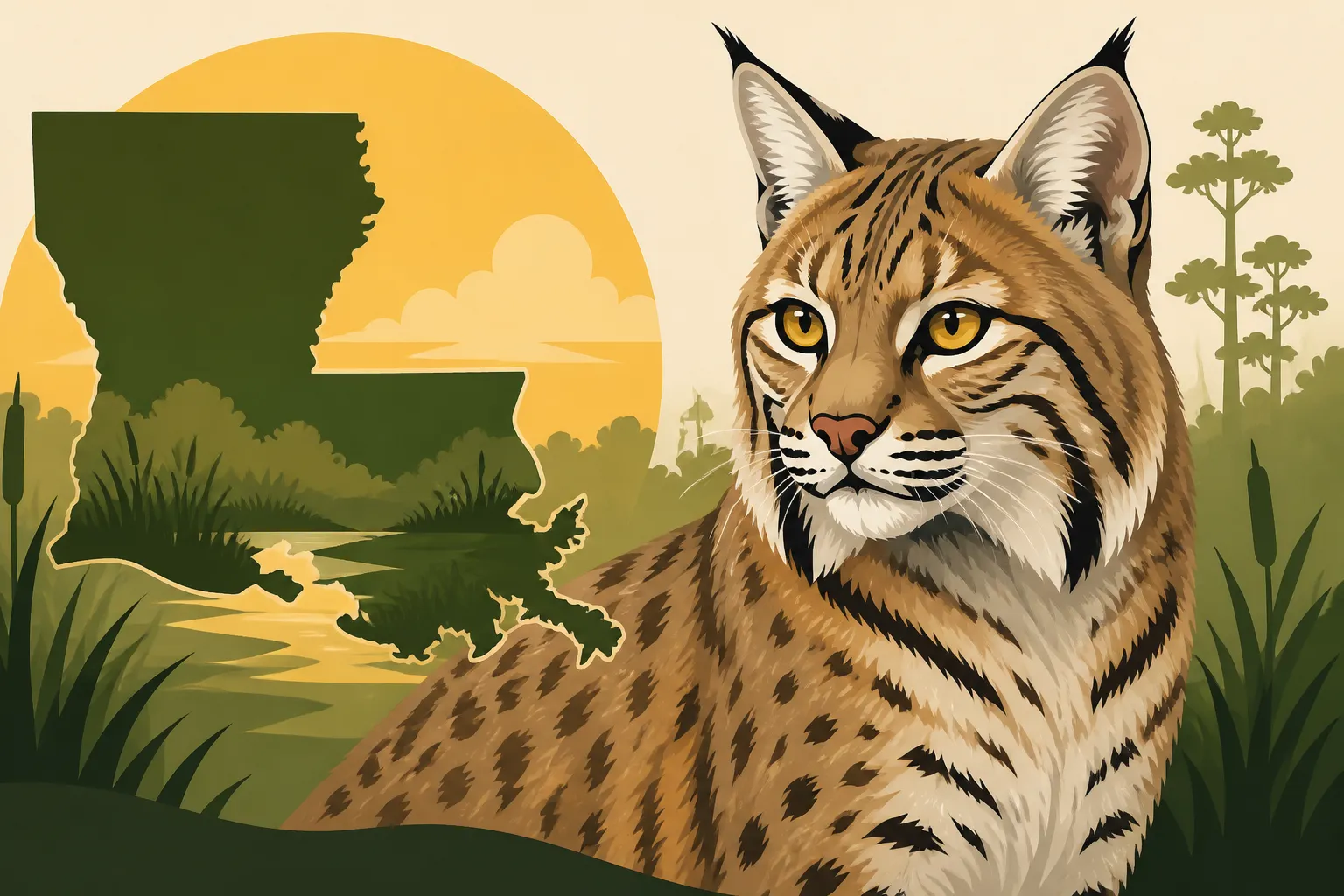
The map below illustrates general bobcat presence across Louisiana's varied regions, demonstrating their broad distribution.
| Region | Typical Habitat | Primary Prey | Presence Level (General) |
|---|---|---|---|
| North Louisiana Piney Hills | Pine forests, mixed hardwoods, clear-cuts | Rabbits, squirrels, rodents, fawns | High |
| Central Louisiana River Parishes | Bottomland hardwoods, agricultural edges | Rabbits, rodents, birds, fawns | Medium-High |
| Atchafalaya Basin | Cypress-tupelo swamps, bottomland hardwoods | Rabbits, rodents, nutria, fawns | High |
| Coastal Marsh Parishes | Marshlands, cheniers, agricultural fringes | Nutria, muskrats, marsh rabbits, birds | Medium |
| Florida Parishes | Mixed forests, agricultural areas, suburban edges | Rabbits, rodents, fawns, domestic fowl | Medium-High |
This broad presence is a strong indicator of their recovery. When considering public lands for hunting or simply observing wildlife, places like the Kisatchie National Forest or various Louisiana Wildlife Management Areas offer excellent chances to encounter signs of bobcats, even if a direct sighting remains rare.
Impact on the Ecosystem and Other Species
Bobcats play a crucial role as mid-level predators in Louisiana's ecosystems. By preying on small game and fawns, they help to regulate the populations of these species, which can prevent overgrazing or overpopulation that might lead to disease or resource scarcity. This is a vital ecological service, contributing to the health and vitality of other animal and plant communities. Think of it as nature's way of keeping things in check, ensuring that no single species overwhelms its environment.
Furthermore, bobcats can exert some level of control over nuisance species like feral hogs across Louisiana. While a full-grown hog is too large for a bobcat, piglets can be vulnerable, especially when left unattended by sows. This contribution, however small, adds to the complex web of predator-prey relationships. Their presence also indirectly affects the behavior of prey animals, making them more vigilant and robust. In areas where bobcat populations are healthy, it generally indicates a balanced and thriving natural environment, which is good news for everything from deer to songbirds.
Hunting and Trapping Bobcats in Louisiana
For those interested in the challenges and rewards of pursuing furbearers, bobcats offer a unique experience. However, it’s crucial to approach this with a deep understanding of the regulations, ethical considerations, and the importance of responsible management to ensure their continued healthy presence in Louisiana. Just like with any other game species, knowledge and adherence to rules are paramount.
Regulations and Seasons for Trapping and Hunting
Louisiana maintains specific regulations for hunting and trapping bobcats, designed to ensure sustainable populations while providing opportunities for sportsmen and women. These regulations dictate season dates, bag limits, and permissible methods of take. Typically, bobcat hunting and trapping seasons run through the fall and winter months, aligning with the prime fur harvest period when their pelts are thickest. Always consult the most current Louisiana Department of Wildlife and Fisheries (LDWF) regulations handbook before planning any bobcat activity. Before heading out, always check the latest regulations, which can often be found on official LDWF sites or through reliable hunting apps like GoHunt.
For hunters, bobcats can be taken with various legal firearms, and some areas may have specific restrictions, so always confirm local rules, especially on public lands. Trappers must adhere to strict guidelines regarding trap types, placement, and checking frequencies. These rules are in place not only for the welfare of the animals but also for the safety and ethical conduct of trappers. Understanding these nuances is part of responsible participation in Louisiana's outdoor traditions.
Ethical Considerations and Conservation Mindset
Hunting and trapping any species comes with a profound ethical responsibility. For bobcats, this means a commitment to fair chase, humane methods, and respect for the animal. Whether you're hunting with a rifle or setting a snare, the goal should be a quick, clean harvest. It's about more than just the pursuit; it's about being a steward of the resource and ensuring that future generations have the same opportunities. This conservation mindset is deeply ingrained in the hunting community in Louisiana, recognizing that responsible use is essential for long-term sustainability.
Furthermore, a keen understanding of bobcat biology, their role in the ecosystem, and their current population status helps inform ethical decisions. Every harvest contributes data to wildlife managers, helping them fine-tune future regulations. This symbiotic relationship between hunters/trappers and wildlife agencies is a cornerstone of successful wildlife management. It’s a privilege to participate in these traditions, and with that privilege comes the duty to act as responsible caretakers of Louisiana's wild heritage. Hunters are often the first line of defense for wildlife health, and their engagement is critical.
Coexisting with Louisiana Bobcats
While many of us dream of seeing a bobcat in the wild, interacting with these animals, even from a distance, requires understanding and respect. As their population continues to thrive and expand, encounters, particularly in more rural or even suburban fringe areas, might become more common. Learning to coexist peacefully with these wild felines is a vital part of living in a state as wild and beautiful as Louisiana.
What to Do During a Bobcat Encounter
If you are fortunate enough to spot a bobcat in its natural habitat, consider yourself lucky! These animals are typically shy and elusive, preferring to avoid human contact. Your best course of action is generally to observe from a distance, appreciate the moment, and avoid disturbing the animal. Do not try to approach it, feed it, or attempt to interact with it. Giving wildlife its space is always the safest and most respectful approach.
In the rare event that a bobcat does not immediately flee, or if you encounter one in a more developed area, maintain a calm demeanor. Make yourself appear larger by standing tall, and make some noise. Slowly back away, keeping your eyes on the animal. Remember, bobcats are generally not aggressive towards humans, and attacks are extremely rare. They are far more likely to be curious or disoriented than confrontational. If you live in an area where bobcat sightings are frequent, securing pet food and garbage can prevent attracting them and other predators to your yard.
Managing Bobcat Presence on Private Land
For landowners, especially those with livestock or small pets, managing bobcat presence responsibly is important. While bobcats primarily prey on wild animals, an opportunistic bobcat might, on occasion, target free-ranging chickens, outdoor cats, or very small dogs, particularly if wild prey is scarce or easily accessible domestic prey is abundant. The key to mitigating potential conflicts is often deterrence and prevention.
Secure pet enclosures, especially at night, and avoid leaving pet food outdoors. Consider installing motion-activated lights or sound deterrents in areas where you suspect bobcats are active. For livestock, robust fencing and guarding animals (such as certain dog breeds) can be effective. If you're managing land for white-tailed deer across Louisiana, understanding predator dynamics is part of a holistic approach to game management. For specific concerns about nuisance bobcats, contacting your local LDWF office can provide guidance tailored to your situation and local regulations. It's about finding a balance that allows both humans and wildlife to thrive.
Disclaimer
This article is for general informational purposes only and does not constitute professional advice. Laws, prices and regulations vary by location and change over time. Consult a qualified professional for guidance on your specific situation.