Louisiana Waterfowl Migration Timing
Oh, the age-old question that keeps every Louisiana waterfowler up at night: "When are the ducks really going to get here?" It's a riddle wrapped in a weather forecast, usually delivered with a side of strong coffee and a whole lot of anticipation. You can spend countless hours scouting, setting up decoys, and brushing in blinds, but if you're not there when the birds are, it can feel like you're just yelling into the wind. Understanding the nuanced timing of waterfowl migration through our beloved state isn't just about luck; it's about being informed and ready for whatever the skies decide to send our way. This guide is going to peel back the layers of that mystery, helping you anticipate the big pushes and make the most of every duck and goose season in Louisiana.
The Mississippi Flyway's Unrivaled Importance to Louisiana
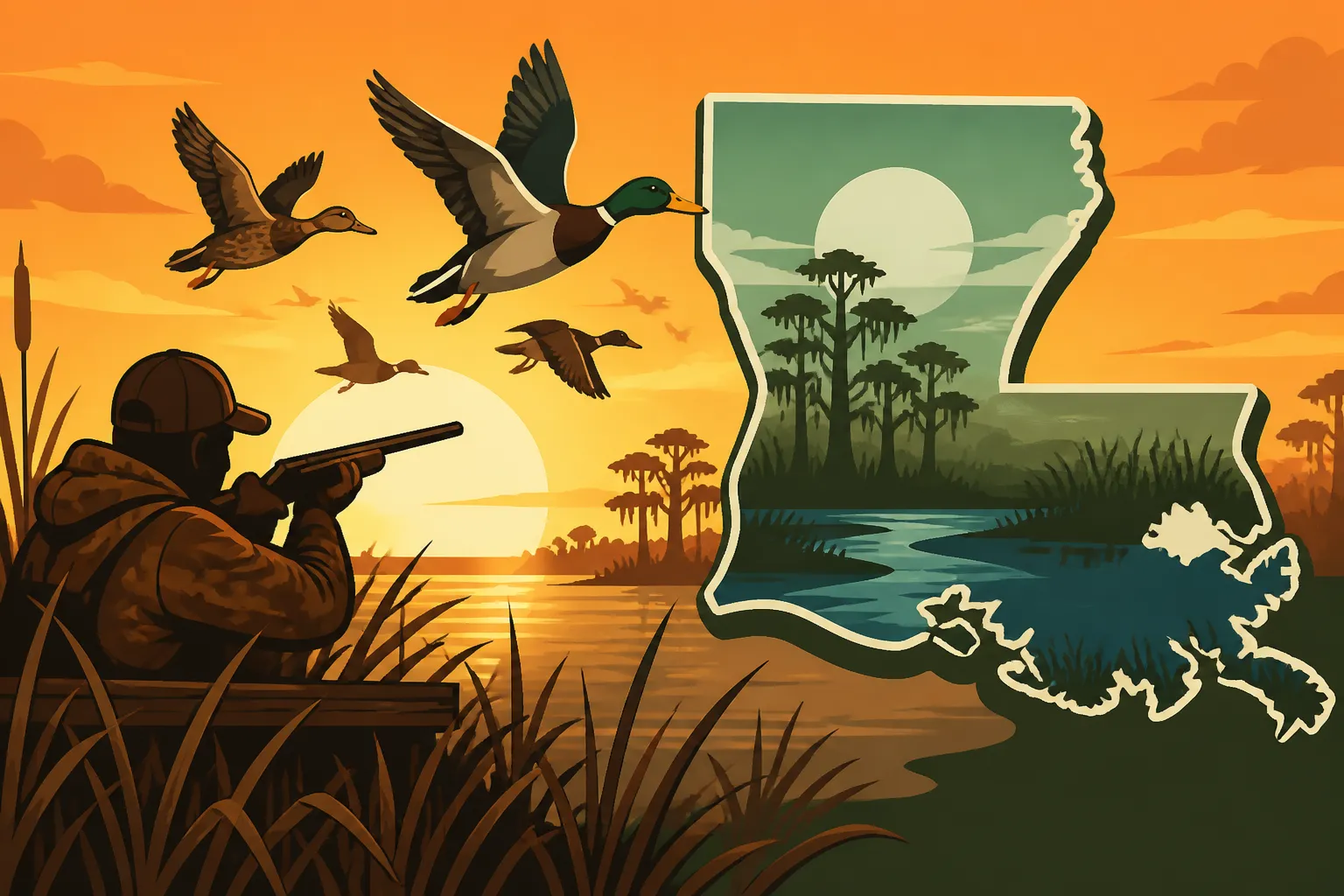
Louisiana sits at a truly unique, almost magical, point on the map for waterfowl. We're not just a stopover; for millions of birds, we're the grand finale, the wintering grounds they've been flying thousands of miles to reach. It's a journey that dictates everything from their arrival to their behavior, and understanding this vast aerial highway is step one to becoming a more successful duck hunter.
Louisiana's Strategic Position as a Funnel
Imagine a giant funnel, wide at the top across the Canadian prairies and northern states, and narrowing down until its spout is right here, over Louisiana. That's essentially the Mississippi Flyway. As winter blankets the northern breeding grounds, cold fronts sweep down, pushing wave after wave of ducks and geese south. Louisiana, with its sprawling coastal marshes, cypress swamps, and vast agricultural fields, offers the perfect, often last, refuge before the Gulf of Mexico. This geographical choke point means that eventually, a significant portion of the continent's waterfowl population will pass through or winter within our borders. It's why our state holds such a legendary status in the waterfowl world, offering some of the most consistent and diverse hunting opportunities anywhere.
The Annual Waterfowl Journey and Its Stages
The waterfowl migration isn't a single, monolithic event; it's a dynamic, drawn-out process that unfolds over several months, driven by the instinctual urge for survival and procreation. It begins in the late summer and early fall as birds finish molting and begin staging in northern wetlands. As days shorten and temperatures drop, the first species, like blue-winged teal, begin their epic journey south. These early movers are often followed by pintails and gadwall, who sense the impending freeze-up of their northern feeding grounds. The peak of the migration, what most hunters affectionately call "the main push," often coincides with sustained severe weather systems far to our north. Finally, the later stages see the arrival of species that can tolerate colder temperatures, like certain divers and the bulk of the geese, often forced south only when harsh conditions fully lock up their preferred feeding areas further north. Each stage presents its own challenges and opportunities for hunters.
Early Season Arrivals: The Teal and Fast Movers
The first real taste of duck season in Louisiana often comes with the special September teal season. It's a high-octane, short-lived affair that kicks off the anticipation for the longer regular season. These early birds set the stage for the migration to come, offering a glimpse into what Mother Nature might have in store for us.
September Teal Season: A Sprint, Not a Marathon
When September rolls around, the excitement in Louisiana is palpable. The special early teal season, primarily focused on blue-winged teal, is a sprint, not a marathon. These birds are some of the earliest migrants, often showing up in late August or early September, far ahead of the deep cold fronts that drive other species. Their migration is heavily influenced by the first subtle hints of fall up north – a dip in temperature, a shorter day length. The key to hitting the teal migration right is often about watching those weather patterns in the upper Midwest and Canada. If a strong, early cold front sweeps through those regions, we can expect a robust push of blue-wings into our shallow wetlands and rice fields. However, if warm weather lingers, the migration can be sporadic, with birds trickling in rather than arriving in a massive wave. Success during this period often depends on being in the right place at the right time, as birds can move quickly through areas. Checking the "Louisiana Duck Zone Rules" for specific dates and regulations is always crucial before heading out.
Pintails and Wigeon Starting to Trickle In
While blue-winged teal dominate the early season, you'll also start to see pintails and American wigeon making their way down the flyway. These elegant birds often represent the next wave of migrants, though usually not in the sheer numbers that the blue-wings present. Pintails, with their distinctive long necks and tails, prefer more open water and agricultural fields, often showing up in the same areas as teal but utilizing slightly different feeding patterns. Wigeon are also early arrivals, known for their whistling calls and preference for emergent vegetation in shallower water. Their initial trickle is usually a harbinger of the bigger pushes to come, serving as a sign that the migration is truly underway. Smart hunters keep an eye out for these species, as their presence indicates a healthy early migration and can provide valuable clues about where to focus efforts as the season progresses. Platforms like GoHunt can sometimes offer regional reports or forums where hunters share early migration sightings, helping you gauge the flow.
The Main Event: Mallards, Gadwall, and Green-Winged Teal Peak Migration
This is what many Louisiana duck hunters live for—the heart of the season when the highest numbers of diverse duck species pour into the state. It's a time of intense activity, both in the skies and in the duck blinds.
November and December: The Heart of the Season
As November turns into December, Louisiana truly becomes the epicenter of the waterfowl world. This is when species like mallards, gadwall, and green-winged teal hit their peak migration numbers. These are often considered the "bread and butter" ducks for Louisiana hunters, forming the backbone of many a successful hunt. Mallards, in particular, are iconic, often associated with flooded timber hunting in the state's northern bottomland hardwoods, an experience detailed in posts like "Working Flooded Timber for Mallards." Gadwall, often called "gray ducks," are incredibly abundant and adaptable, found across various habitats from brackish marshes to freshwater impoundments. Green-winged teal, smaller cousins to the blue-wings, arrive later and stay longer, providing fast-paced action throughout the colder months. The sheer volume of birds during this period can be astonishing, turning still mornings into cacophonies of wings and quacks, creating memories that last a lifetime for those fortunate enough to witness it.
How Cold Fronts Dictate Movement
If there's one meteorological phenomenon that every Louisiana duck hunter obsesses over, it's the cold front. A strong cold front pushing south from Canada and the Midwest is the ultimate migration catalyst. It's what creates "duck weather"—not just a drop in temperature, but often accompanied by strong north winds and clear, crisp skies following the initial push. These fronts freeze over northern wetlands, cutting off food sources and forcing birds to continue their journey south. A hunter paying close attention to long-range forecasts, perhaps even using tools like GoHunt to track continental weather patterns, can often predict when a significant influx of new birds is imminent. The arrival of a potent cold front can transform a quiet hunting area into a duck paradise overnight. It’s not just about the cold itself, but the sustained push it creates, forcing birds to cover ground quickly and seek refuge in Louisiana's bountiful wintering grounds.
Late Season Species and the January Push
Just when you think the migration might be winding down, January often brings a renewed push of different species, particularly divers and the mass of wintering geese. The dynamics change as birds have been hunted for months, but the opportunity for a memorable hunt remains.
Divers and Geese Make Their Big Push
As the regular duck season progresses into January, especially after the holidays, we often see the arrival of species that thrive in colder, often more open, water conditions. This includes a significant influx of diving ducks like scaup (often locally called dos gris), canvasbacks, and redheads. These birds prefer the expansive, deeper waters of our coastal bays and larger marsh lakes. Their migration is often triggered by truly severe freezes further north, which lock up most freshwater bodies and force them to the relatively warmer, unfrozen waters of the Gulf Coast.
January also marks the peak for the incredible goose migration. Snow geese and specklebellies (white-fronted geese) descend upon Louisiana's rice fields and pastures in astounding numbers. These birds, having built up significant fat reserves, are driven south by brutal northern winters and the promise of abundant agricultural waste grains. For an in-depth look at targeting these impressive birds, you might want to read "Snow Geese on Louisiana Rice Fields" or "Early Goose Season Tactics in Louisiana." The sight and sound of thousands of geese descending on a field is an unforgettable experience, a true testament to the abundance the Mississippi Flyway offers.
The Ebb and Flow of January Birds
Hunting in January presents a unique set of challenges and rewards. By this point, many of the earlier arriving ducks, particularly the dabblers, have been in the state for weeks or even months. They've seen countless decoy spreads, heard every call, and are often "educated" and warier than their mid-season counterparts. This requires hunters to adapt, often calling less, hiding better, and being more meticulous with their decoy setups.
However, the late season also sees the strongest pushes of true wintering birds. These are often the toughest birds, having survived the rigors of the full migration. While the overall numbers of some species might start to decline as the season nears its end, fresh pushes of divers and geese continue to arrive, ensuring that late-season opportunities abound for the persistent hunter. Focusing on prime food sources and undisturbed areas becomes paramount. The ebb and flow means some days might be slow, but a cold snap up north can ignite a flurry of activity, bringing in new, less-pressured birds ready to work your spread.
Factors Influencing Migration Timing Beyond Just Cold
While cold fronts are undoubtedly a primary driver of waterfowl migration, a complex web of other environmental and human factors also plays a crucial role in when and where birds arrive and stay. Ignoring these can lead to missed opportunities, even with perfect timing.
The Critical Role of Habitat and Food Availability
Even if millions of ducks are pushed south by arctic blasts, they won't stay if there's no suitable habitat or food waiting for them. Louisiana's incredible diversity of wetlands—from freshwater cypress swamps to brackish coastal marshes and flooded agricultural fields—is what makes it such a vital wintering ground. The health and abundance of these habitats directly impact how many birds winter here and how long they remain. A year with poor mast crops in the northern states or drought-stricken wetlands can push birds south faster, but they'll keep moving if Louisiana's conditions aren't favorable. Conversely, a bountiful year for natural vegetation like wigeon grass, pondweed, and smartweed, or well-managed flooded rice fields, will hold birds for extended periods. This is a significant reason "Why the Coastal Marsh Concentrates Ducks" and why areas like Cameron Parish offer fantastic opportunities, as detailed in "Hunting Cameron Parish Marsh Ducks." Sustainable habitat management is not just good for conservation; it's essential for ensuring consistent hunting opportunities year after year.
Hunting Pressure's Impact on Bird Behavior
Another factor, often overlooked in the excitement of migration, is hunting pressure. Even if the timing is perfect and the birds are pouring into Louisiana, sustained, heavy hunting pressure can quickly make them wary and move them out of an area. Ducks and geese are incredibly intelligent and learn quickly. If they are constantly shot at, flared by poor calling, or see too many sky-busters, they will adjust their flight paths, become nocturnal, or simply move to less pressured areas. This is particularly true on public lands or areas with dense hunting clubs. Understanding how to mitigate your pressure, by setting up effectively, remaining concealed, and practicing sound calling techniques, becomes vital. Birds that are constantly harrassed will often shy away from traditional decoy spreads, forcing hunters to get creative or seek out quieter spots that see less daily disturbance.
Adapting Your Strategy to Migration Trends
You can study all the migration charts and weather patterns you want, but ultimately, successful waterfowl hunting in Louisiana comes down to your ability to adapt. The birds don't read the rulebook, and what worked last week might not work today.
Scouting Smart and Staying Flexible
Scouting is, without a doubt, the most critical element of adapting to migration trends. It's not enough to scout once before the season; consistent scouting throughout the migration is key. This means spending time on the water or observing fields, looking for where the birds are currently feeding, loafing, and flying. Are they using the main marsh ponds or tucked away in a shallow slough? Are they hitting the cut rice fields or the deeper flooded timber? "Reading a Marsh Pond for a Morning Flight" is a skill honed through observation. Bird patterns can change daily, influenced by new arrivals, departing birds, changing water levels, and even just a shift in the wind. A flexible hunter isn't afraid to move their blind, adjust their decoy spread, or even switch hunting locations entirely based on what they're seeing. Don't fall victim to the "this is where we always hunt" mentality if the birds aren't there.
Utilizing Resources and Local Knowledge
In today's connected world, there's a wealth of information available to help you stay on top of migration. Online forums, social media groups dedicated to Louisiana hunting, and even general hunting apps or platforms can provide real-time updates from other hunters across the state and up the flyway. While you should always take anecdotal reports with a grain of salt, they can provide valuable clues about larger movements. Furthermore, don't underestimate the value of local knowledge. Chatting with guides, fellow hunters, or even folks who live near prime waterfowl areas can offer insights that no app can provide. They might notice subtle shifts in flight patterns or changes in water conditions that signal a major change. Platforms like GoHunt can sometimes aggregate weather data, migration forecasts, and even offer community forums where hunters can share their observations, helping you piece together the puzzle of bird movement and make informed decisions about your next hunt. Combining all these resources with your own boots-on-the-ground scouting will put you in the best position to intersect those migrating birds.
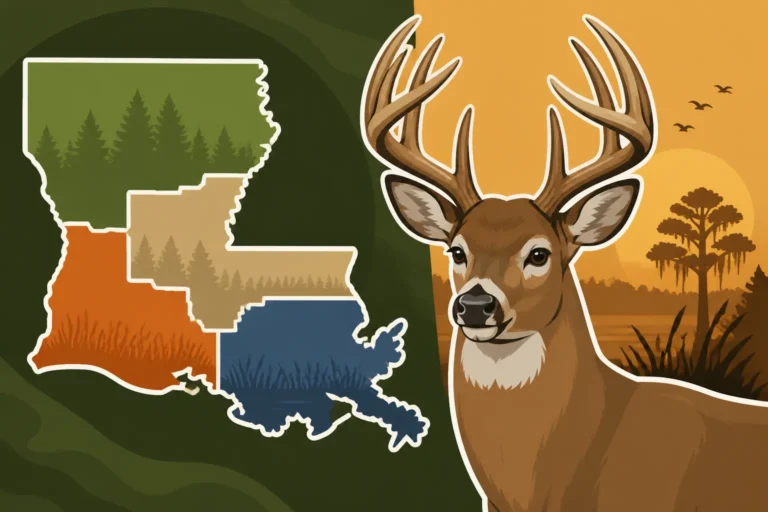
Waterfowl Migration Timing Across Louisiana's Zones
Louisiana's vastness means that migration timing isn't uniform across the state. Different ecological zones attract different species at different times, and hunters need to understand these nuances.
| Louisiana Zone | Primary Duck Species | Primary Goose Species | Peak Migration Period | Habitat Types | Key Influences |
|---|---|---|---|---|---|
| Coastal Marsh | Gadwall, Green-Winged Teal, Scaup, Redheads, Pintails, Mottled Ducks | Snow Geese, Specklebellies | November – January | Brackish and saltwater marsh, open bays | Cold fronts, marsh health, water levels |
| Central SW | Mallards, Gadwall, Green-Winged Teal, Pintails | Specklebellies, Snow Geese | November – December | Flooded rice fields, moist soil impoundments | Availability of waste grain, local rainfall |
| Mississippi Alluvial Plain (North/East) | Mallards, Green-Winged Teal, Wood Ducks, Gadwall | Specklebellies, Snow Geese | December – January | Flooded timber (WMA's), agricultural fields | River levels, strong northern cold fronts |
| Florida Parishes | Wood Ducks, Green-Winged Teal, Mallards | Occasional Snow Geese | November – December | Hardwood bottomlands, small impoundments | Local rainfall, timber conditions |
The Resident Flock: A Constant in the Migratory Story
While the focus is often on the migrating birds, it's easy to forget about Louisiana's resident waterfowl. These birds, especially the mottled duck, provide a consistent hunting opportunity even when migration slows.
Mottled Ducks: Our Year-Round Residents
In the flurry of migratory excitement, it's easy to overlook our year-round residents, especially the hardy mottled duck. Unlike their migratory cousins, mottled ducks breed, nest, and live their entire lives within the Gulf Coast region, primarily in Louisiana's coastal marsh. These birds are a testament to the richness of our local habitat and offer consistent hunting opportunities throughout the season, regardless of northern weather patterns. While not as numerous as some migratory species, they are a prized bird for many hunters, known for their wariness and challenging flights. Understanding "Mottled Ducks and Louisiana's Resident Flock" is crucial for any serious Louisiana waterfowler, as they often make up a significant portion of the harvest, especially during periods when migratory bird numbers might be lower. They’re a reliable option when the migration timing isn't quite working in your favor.
The Role of Local Breeding Success on Season Outlook
The success of the local mottled duck breeding season can have a noticeable impact on the overall season outlook, particularly in the coastal zones. A good hatch, often dependent on favorable weather conditions during nesting and brood-rearing, means more mottled ducks available come opening day. Conversely, a poor breeding season due to drought or excessive rainfall can lead to fewer local birds. While the resident flock doesn't contribute to the migration timing per se, their numbers provide a baseline for local hunting opportunities. Moreover, their presence means that even on days when the big pushes of northern birds haven't arrived, there are still ducks to be found and hunted. This steady presence complements the dynamic nature of the migratory birds, offering a more stable component to our varied waterfowl resources.
Disclaimer
Hunting involves inherent risks, including but not limited to those associated with firearms, outdoor conditions, and wildlife encounters. Always prioritize safety, follow all local, state, and federal regulations, and obtain proper licenses and permits. This guide is for informational purposes only and does not substitute professional advice or hands-on training. The Louisiana Department of Wildlife and Fisheries (LDWF) is the official source for all hunting regulations and season dates. Always consult their current digests and advisories.