How Many Alligators Louisiana Has
For many folks in Louisiana, the sight of an alligator is just part of life, whether you're fishing a bayou or driving across a marshy causeway. But beneath that familiar presence lies a complex, often misunderstood reality about just how many of these incredible reptiles call our state home, and how we manage to coexist, sometimes a little too closely, with such a massive population. This guide is dedicated to pulling back the curtain on Louisiana's alligator numbers, exploring where they thrive, how we've helped them recover from near extinction, and what that means for both wildlife and human residents today.
The Unseen Millions How Louisiana Counts Its Alligators
Trying to get an exact headcount for any wild animal is a monumental task, and for a creature like the American alligator, which can be elusive and inhabits vast, often inaccessible swamp and marshlands, it’s even tougher. There isn't a team of biologists going out with clipboards and tally marks for every single gator. Instead, the Louisiana Department of Wildlife and Fisheries (LDWF) employs a blend of scientific methods and observations to arrive at their best estimates. It’s a sophisticated process that allows them to track trends and make informed management decisions, ensuring this iconic species remains a vibrant part of our ecosystem.
Estimating Wild Alligator Numbers
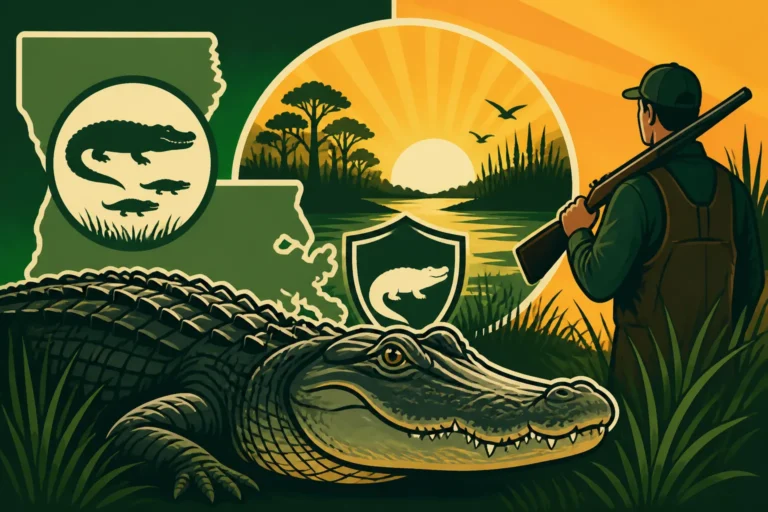
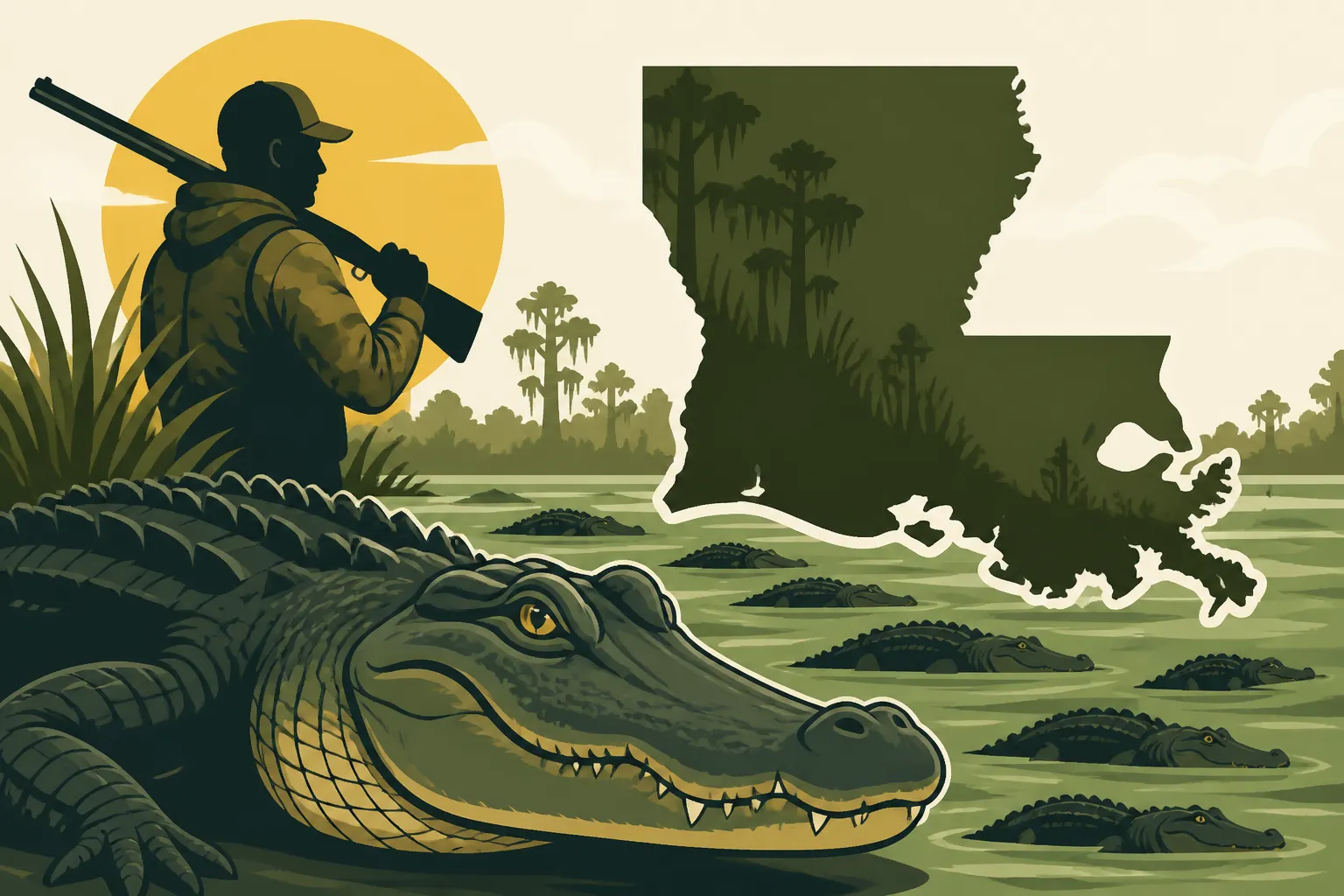
The prevailing estimate often cited by wildlife biologists and the LDWF is that Louisiana is home to approximately 1.5 to 2 million wild alligators. That’s a staggering number, making us one of the undisputed alligator capitals of the world. These figures aren't just pulled out of thin air; they are derived from years of data collection. Biologists conduct various surveys, including spotlight counts at night, nest surveys, and even aerial observations in certain areas. They also factor in harvest data from both recreational and commercial hunting seasons. By analyzing the age, size, and sex ratios of harvested alligators, combined with reproduction rates gleaned from nest surveys and survival rates, they can build a statistical model to project the overall population. It’s a dynamic estimate, constantly being refined as new data comes in, reflecting the health and distribution of the population across the state's diverse habitats.
This comprehensive approach is crucial because it allows the LDWF to understand not just the total number, but also the population density in different regions. For instance, knowing if certain areas are seeing an increase or decrease can inform specific management actions, such as adjusting tag allocations for hunters or focusing conservation efforts. The goal is always a sustainable balance, one that allows alligators to thrive while also managing potential conflicts with human populations.
The Role of Nuisance Alligator Calls
While not a direct method of counting the population, the volume and nature of nuisance alligator calls provide valuable insights into alligator distribution and interaction with humans. When a gator gets too comfortable around people, or starts showing up in residential ponds, canals, or even golf courses, it often leads to a call to the LDWF. These calls, which tend to peak during the warmer months when alligators are most active, seeking mates, and establishing territories, offer a localized snapshot of population pressure.
A sudden spike in calls in a particular suburban area, for example, might indicate that the gator population in nearby natural habitats is healthy and potentially spilling over into human-dominated landscapes. Wildlife agents respond to these calls, and their observations about the size, behavior, and frequency of alligators in these situations contribute to the broader understanding of how alligators are interacting with their environment and with us. It’s a critical component of public safety and helps inform the department about areas where human-alligator conflict might be increasing. You can learn more about Why Alligator Nuisance Calls Rise in Summer and how to react responsibly if you encounter one.
Alligator Strongholds Diverse Habitats Across Louisiana
Louisiana's landscape is a patchwork of bayous, swamps, marshes, lakes, and rivers, and alligators have found a way to thrive in almost every corner of it. Understanding where these magnificent reptiles concentrate helps us appreciate the sheer scale of their presence and the rich biodiversity of our state. From the brackish waters of the coast to the murky depths of interior swamps, each habitat presents unique opportunities and challenges for alligator life.
Coastal Marshes and Estuaries
When people think of Louisiana alligators, often the first image that comes to mind is the sprawling coastal marsh. And for good reason! This vast network of freshwater, brackish, and saltwater wetlands, particularly in parishes like Terrebonne, Lafourche, St. Mary, and Cameron, is the absolute heartland of Louisiana's alligator population. These areas offer an unparalleled combination of food, cover, and prime nesting habitat. The shallow, nutrient-rich waters teem with fish, crabs, and other aquatic life, providing an endless buffet for growing gators. The dense vegetation offers perfect camouflage for ambush predators and ideal spots for building large, protective nests out of mud and decaying plant matter.
The sheer density of alligators in these coastal areas is remarkable. It’s not uncommon to spot multiple alligators sunning themselves on mudflats or cruising through the waterways on any given day. This abundance is a testament to the productivity of the marsh ecosystem, but also to decades of careful management that has allowed the population to rebound so successfully. If you're wondering How Many Alligators Live in Louisiana Marsh, the answer is: a whole lot! This bounty supports not only the wild population but also the state's significant alligator farming and commercial harvest industries, making these marshes vital economic and ecological zones.
Inland Swamps, Lakes, and Rivers
While the coastal marsh gets a lot of attention, Louisiana's inland waterways and freshwater swamps are equally crucial for alligators. Areas like the Atchafalaya Basin, one of the largest river swamps in the United States, provide extensive habitat for thousands upon thousands of alligators. The Basin, with its maze of cypress-tupelo swamps, bayous, and oxbow lakes, offers deep, cool waters and dense cover, perfect for large, mature alligators. Here, they feed on everything from fish and turtles to deer and hogs, making them apex predators in their ecosystem.
Beyond the major river basins, nearly every freshwater lake, river, and bayou across the state, from the Red River to Toledo Bend, will have its share of alligators. Even smaller ponds and canals in agricultural or semi-urban areas can host gators. These inland populations are critical for the species' overall genetic diversity and resilience, ensuring that even if one habitat faces environmental challenges, the species can persist elsewhere. The ability of alligators to adapt to various aquatic environments, from slow-moving rivers to stagnant swamps, highlights their incredible hardiness and why they are so widespread throughout Louisiana.
A Conservation Success Story How Alligators Came Back
It's easy to see the thriving alligator population today and forget that there was a time when this iconic species was on the brink. The story of the American alligator in Louisiana is one of the greatest wildlife conservation triumphs in North America, a testament to science-based management and the commitment of wildlife agencies and local communities.
From Endangered to Abundant
By the mid-20th century, the American alligator population in Louisiana, and across much of its range, was in severe decline. Unregulated hunting for their valuable hides, coupled with habitat destruction, led to critically low numbers. Estimates suggest the population in Louisiana had plummeted to fewer than 100,000 alligators by the 1960s. This alarming decline led to the species being listed as federally endangered in 1967. This designation was a critical turning point, providing the legal protection necessary to halt the slaughter and begin the long road to recovery.
Louisiana played a pioneering role in this recovery. Researchers began studying alligator biology, habitat needs, and reproductive cycles, laying the groundwork for sustainable management. The LDWF developed innovative programs, including a closely monitored wild harvest and a groundbreaking alligator ranching program. This ranching model allowed individuals to collect alligator eggs from wild nests, hatch them, and raise the young in controlled environments. A portion of these farm-raised alligators would then be returned to the wild, boosting natural populations, while the rest could be harvested for their hides and meat. This created an economic incentive for landowners to conserve alligator habitat, turning what was once a liability into a valuable resource. The program proved so successful that by 1987, the alligator was fully delisted from the endangered species list, marking a true conservation milestone.
Sustainable Management Practices
Today, Louisiana's alligator population is managed through a comprehensive program that balances conservation with economic utilization. The LDWF oversees both a carefully regulated wild harvest season and the extensive alligator ranching industry. The wild harvest, which includes both commercial hunters and a limited recreational alligator season, is designed to remove a sustainable number of alligators from the population without impacting its long-term health. Each year, thousands of harvest tags are issued, with strict rules on size limits, methods, and reporting requirements. Hunters and trappers, including those participating in the public lottery, must abide by specific regulations for Louisiana Alligator Legal Methods, ensuring ethical and sustainable practices.
The ranching program remains a cornerstone of management. By allowing the collection of eggs, the program effectively reduces natural mortality of hatchlings (which is very high in the wild) and contributes a large number of juvenile alligators back to the wild, ensuring robust recruitment into the population. This "use it or lose it" philosophy has been instrumental in aligning economic interests with conservation goals, proving that a valuable wildlife resource can be both protected and utilized sustainably. For those interested in participating, the process involves applying for the Louisiana Alligator Lottery Application Window and understanding the specific Louisiana Alligator Zone Allocations.
The Alligator's Ecological Footprint More Than Just Numbers
Beyond just population figures, it's vital to understand the profound impact alligators have on Louisiana's diverse ecosystems. As apex predators, they play a critical role in maintaining the health and balance of their aquatic habitats, influencing everything from fish populations to waterfowl nesting success. They are truly keystone species, shaping the very environment around them.
Alligators as Ecosystem Engineers
Alligators are often referred to as "ecosystem engineers" because their activities directly modify their habitat, creating niches that benefit other species. One of the most significant ways they do this is by digging "gator holes" or "wallows." During dry seasons, especially in marsh or swamp environments where water levels can fluctuate dramatically, these deeper depressions retain water, creating crucial refuges for fish, turtles, insects, and other aquatic life. These water sources become vital oases for a multitude of animals when surrounding areas dry up, effectively concentrating prey and providing essential hydration for terrestrial wildlife as well.
These gator holes also create variations in habitat structure, fostering greater biodiversity. The disturbed earth around the holes can lead to different plant communities taking root, and the presence of deeper water can support different fish species than the shallower surrounding areas. Their movements through dense vegetation also create channels, which can improve water flow and access for other animals. In essence, alligators actively contribute to the complexity and resilience of their wetland homes.
Predator-Prey Dynamics and Control
As top predators, alligators exert significant control over the populations of their prey species. Their diet is incredibly varied, including fish, turtles, snakes, birds, and small mammals like nutria and muskrats. By preying on abundant species, they help prevent overpopulation and maintain a healthy balance within the food web. For example, by consuming species like nutria, an invasive rodent that causes extensive damage to coastal marshes, alligators contribute to habitat protection.
Their presence also influences the behavior of other animals. Prey species learn to avoid areas where alligators are active, leading to a more dispersed and vigilant prey community. This complex web of interactions ensures that no single species dominates, promoting a healthier and more robust ecosystem overall. Understanding these intricate relationships is why proper alligator management is not just about the gators themselves, but about the health of the entire wetland environment.
Managing the Future Challenges and Conservation
Even with a thriving population, the management of Louisiana's alligators is an ongoing process that faces various challenges. As human populations expand and environmental conditions change, the LDWF must continually adapt its strategies to ensure the long-term health of the alligator population and minimize conflicts.
Habitat Loss and Environmental Changes
While the alligator population is robust, its long-term future is inextricably linked to the health of Louisiana's wetlands. The state faces significant challenges from coastal erosion, subsidence, and sea-level rise, which lead to ongoing habitat loss. The very marshes and swamps that are alligator strongholds are disappearing at an alarming rate. This loss reduces the amount of available territory, nesting sites, and food sources for alligators. While alligators are highly adaptable, they cannot create new habitat from scratch.
Furthermore, environmental changes like altered hydrology from levee systems and canals can impact water quality and flow, affecting alligator health and reproductive success. Pollution, though often unseen, can also accumulate in apex predators like alligators, potentially impacting their long-term viability. The LDWF monitors these environmental factors closely, understanding that alligator management is part of a much larger conservation effort aimed at preserving Louisiana's invaluable natural resources. Protecting these critical habitats is paramount for maintaining the alligator population at its current healthy levels.
Human-Alligator Interactions and Public Safety
With such a large alligator population living in close proximity to human communities, managing human-alligator interactions is a constant concern. While alligators generally prefer to avoid people, conflicts can arise, particularly when alligators become habituated to human presence or are fed. This can lead to increased nuisance calls, and in rare instances, attacks. The LDWF has strict protocols for responding to nuisance alligators, often involving trapping and relocating or, if necessary, euthanizing aggressive individuals. Understanding how to interact responsibly with alligators is crucial. Education campaigns are vital in teaching residents and visitors about safe practices, such as never feeding alligators, keeping pets on leashes near water, and maintaining a safe distance. You can find information on Reporting a Nuisance Alligator in Louisiana if you encounter a concerning situation.
Maintaining public safety while fostering a healthy alligator population requires a delicate balance of enforcement, education, and responsive management. The success of Louisiana’s alligator program relies not just on biological science, but also on effective public relations and community engagement.
Recreational and Commercial Harvest Balancing Utilization and Population Health
The fact that Louisiana has a recreational alligator hunting season is often a surprise to those unfamiliar with the state's wildlife management. It’s a testament to the alligator’s recovery and the sustainable framework that has been put in place, allowing for both commercial utilization and limited recreational hunting.
The Alligator Lottery and Tags
For residents of Louisiana, there's a unique opportunity to participate in a public lottery for alligator harvest tags. This isn't just a hunt; it's a deeply regulated program designed to ensure that harvest numbers remain sustainable. Hunters apply for a limited number of tags allocated to specific alligator hunting zones across the state. These zones are carefully monitored for alligator population density, and the number of tags issued is adjusted annually based on biological data. This process ensures that the recreational harvest contributes to, rather than detracts from, the overall health of the alligator population.
Successful lottery applicants receive tags that allow them to harvest a specific number of alligators (usually two) within a designated zone during the season. The tags come with strict requirements regarding the size of alligators that can be taken, usually a minimum length, and specific methods that are permitted, such as hook and line or snares. Hunters often invest significant time and effort in scouting their allocated areas, understanding the movements of alligators, and setting up their lines correctly. For those interested, the Louisiana Alligator Lottery Application Window is a key time to prepare. The cost and rules for participation, including the Louisiana Resident Alligator License Cost, are outlined by the LDWF, ensuring that the program is accessible yet controlled.
Commercial Harvest and Ranching
Far exceeding the recreational harvest in terms of sheer numbers is Louisiana's commercial alligator industry. This sector is a major economic driver, built upon the sustainable utilization of alligators for their hides and meat. Commercial alligator hunting involves licensed hunters and trappers who are allocated tags by the state. These tags allow them to harvest alligators from vast tracts of private and public wetlands, often leased specifically for this purpose. The commercial season is also highly regulated, with strict reporting requirements and size limitations.
The alligator ranching program, as mentioned earlier, is intertwined with the commercial harvest. Ranchers collect alligator eggs from wild nests, which would otherwise face high natural mortality rates. These eggs are then incubated and hatched in controlled environments. The young alligators are raised to a marketable size, providing a steady supply of hides and meat to meet consumer demand. Crucially, a percentage of these ranch-raised alligators are released back into the wild, bolstering the natural population. This symbiotic relationship between commercial utilization and conservation is a model for wildlife management worldwide. This innovative approach is a big part of How Louisiana's Alligator Program Saved the Species.
The success of these programs means that Louisiana's alligator population is not just robust, but also provides significant economic benefits to the state, supporting livelihoods and industries. It’s a powerful example of how responsible management can ensure both ecological prosperity and economic opportunity.
| Alligator Habitat Type | Estimated Population Density | Key Characteristics | Common Nuisance Call Triggers |
|---|---|---|---|
| Coastal Marsh | Very High | Brackish/freshwater, dense vegetation, abundant prey. | Development encroachment, increased boat traffic. |
| Atchafalaya Basin | High | Deep freshwater swamps, cypress-tupelo forests, large river system. | Fishing camps, isolated residences, recreational boaters. |
| Inland Lakes/Rivers | Moderate | Freshwater lakes, slow-moving rivers, bayous. | Waterfront properties, recreational swimming. |
| Canals/Ponds | Variable (can be high locally) | Man-made waterways, golf course ponds, irrigation ditches. | Pets/children near water, fishing activity. |
Disclaimer
Please note that hunting regulations, license requirements, and wildlife management protocols are subject to change. Always consult the most current Louisiana Department of Wildlife and Fisheries (LDWF) official regulations before planning any hunting or outdoor activity. This article is for informational purposes only and should not be considered legal advice.