Louisiana Small Game and Furbearers
Sometimes, as Louisiana hunters, we get so wrapped up in the pursuit of trophy deer or the sheer spectacle of a duck blizzard that we completely overlook the incredible world of small game and furbearers right in our backyards. It's easy to dismiss these hunts as less "glamorous" or not as challenging, but that couldn't be further from the truth. If you've ever felt like your hunting season ends too soon, or you're craving more time afield, then you're missing out on a vibrant, accessible, and deeply rewarding part of our hunting heritage. This comprehensive guide will pull back the curtain on Louisiana's diverse small game and furbearer opportunities, showing you how to extend your time outdoors, hone your skills, and connect with traditions that often get forgotten in the rush for big antlers.
Rediscovering the Joy of Small Game Hunting in Louisiana
There's a certain magic to small game hunting that often gets lost in the modern hunting narrative. It’s less about the sheer size of the animal and more about the intricate dance of reading the woods, honing your senses, and experiencing the outdoors in a completely different light. For many, these hunts are where it all began, sparking a lifelong passion before the allure of larger game took hold. Reconnecting with small game can be a refreshing return to those fundamental instincts.
More Than Just Deer: The Allure of Simpler Pursuits
Let's be honest, chasing whitetails can be a full-blown obsession. The hours of scouting, the meticulous stand placement, the endless trail camera checks – it’s a commitment. But sometimes, you just want to grab a shotgun or a .22 and head to the woods without all the heavy planning. Small game hunting offers that freedom. It's often less about structured sits and more about active pursuit, walking through the woods, listening, and reacting to what the environment gives you.
The appeal isn't just about simplicity; it's about variety. While deer season might have specific windows, small game seasons often stretch for months, offering ample opportunities to get afield when other seasons are closed. This allows hunters to continuously sharpen their woodsmanship, dog handling, and shooting skills, keeping them proficient and engaged throughout the year. It's a fantastic way to introduce new hunters to the sport without the pressure or expense often associated with big game.
Imagine a crisp fall morning, the air still cool, as you walk through a bottomland hardwood forest, listening for the tell-tale bark of a squirrel or the rustle of leaves betraying a cottontail. This active, engaging style of hunting keeps you moving, keeps your senses sharp, and offers consistent action. It’s a completely different rhythm than a deer stand, and a truly invigorating one that can reignite your passion for hunting.
Passing Down Traditions: Youth and Small Game
If you're looking to introduce a young person to hunting, small game is often the perfect entry point. The pace is generally more forgiving, the equipment less intimidating, and the success rates can be higher, which is crucial for keeping a beginner engaged. There's nothing quite like watching a child's face light up after their first squirrel or rabbit. These moments forge memories and build a connection to the outdoors that can last a lifetime.
Historically, small game hunting was a rite of passage for many young hunters, teaching them invaluable lessons about firearm safety, tracking, game processing, and the sheer joy of providing food for the table. It's a hands-on education in conservation and ethical hunting practices. When you're Hunting the Youth and Veterans Weekend, small game provides an excellent opportunity to focus on mentorship and education, rather than just punching a tag.
Beyond the hunt itself, preparing the game teaches respect for the animal and appreciation for wild food. Cleaning squirrels or rabbits together in camp can be just as memorable as the hunt, reinforcing the complete cycle of harvest. These shared experiences, away from the distractions of modern life, strengthen bonds and ensure that hunting traditions continue to thrive through generations in Louisiana.
Skill-Building and Sharpening Instincts
Think about it: consistently hitting a fast-moving squirrel scampering up a tree or a rabbit zipping through thick brush demands precision and quick reflexes. Small game hunting forces you to become a better shot, both moving and stationary. It also hones your ability to read animal sign, understand habitat preferences, and predict movement – skills directly transferable to deer, turkey, or waterfowl hunting.
For example, tracking a squirrel through dense timber requires a keen eye for disturbed leaves and subtle movements. Learning how a rabbit uses different types of cover to evade predators helps you understand deer escape routes. Even something as simple as quiet foot placement and understanding wind direction become paramount when still-hunting for squirrels. These are all critical skills that make you a more well-rounded and successful hunter, regardless of the species you pursue.
Furthermore, small game hunting often takes you into diverse terrain, from dense bottomland hardwoods to overgrown briar patches, forcing you to adapt your approach and navigate challenging environments. This constant problem-solving and adaptation sharpen your instincts, making you more observant and responsive to subtle changes in the environment. It's a continuous, hands-on masterclass in woodsmanship, all while providing delicious wild game.
Squirrel Hunting: The Quintessential Louisiana Small Game Experience
Few things evoke the spirit of Louisiana small game hunting quite like chasing squirrels. It’s a hunt steeped in tradition, often shared between generations, and provides fantastic action throughout much of the fall and winter. Whether you're still-hunting silently or following a pack of barking curs, squirrel hunting is a rewarding pursuit that consistently delivers.
Habitat and Behavior of Louisiana Squirrels
Louisiana is home to two main species of huntable squirrels: the gray squirrel (sometimes called cat squirrel) and the fox squirrel. Gray squirrels are generally smaller, more abundant, and prefer dense bottomland hardwoods with a good mast crop – think oaks, pecans, and cypress trees. They are incredibly agile and often travel in groups. Fox squirrels, on the other hand, are larger, often sporting a reddish-brown or yellowish coat, and tend to prefer more open pine-hardwood forests, often being more solitary.
Both species rely heavily on mast crops for food, especially acorns, hickory nuts, and pecans. You'll find them actively foraging during the early morning and late afternoon, often retreating to leaf nests or tree cavities during the midday heat or inclement weather. Their keen eyesight and hearing make them challenging prey, as they're quick to spot danger and vanish into the canopy. Understanding their feeding patterns and preferred trees is crucial for success.
When the mast crop is abundant, squirrels tend to be spread out, making still-hunting a good strategy. In lean years, they will concentrate around remaining food sources, making those areas prime targets. Pay attention to den trees and leaf nests as indicators of their presence, and don't forget to look up; they spend a lot of time in the branches.
Tactics for Bushytails: Still-Hunting, Stalking, and Dogs
There are several effective ways to hunt squirrels, each offering a different experience. Still-hunting is a popular method, involving slow, deliberate movement through the woods, stopping frequently to listen and scan the trees. Patience is key here. Move ten steps, stop for five minutes, and really absorb the sounds and sights around you. Look for movement, listen for barking, and watch for falling nut fragments. This method is incredibly rewarding as it forces you to become completely immersed in the forest environment.
Stalking is similar but often involves more active pursuit once a squirrel is spotted. If a squirrel barks at you and then goes silent, try to circle around the tree it was in, keeping the tree between you and the squirrel. They often try to hide on the opposite side. Sometimes, after a few minutes of quiet, they'll peek around, giving you a shot. For those who enjoy a more social hunt, hunting with dogs, particularly squirrel dogs like feists or curs, is an absolute blast. The dogs locate and tree the squirrels, and the hunter then moves in for the shot. This method can cover a lot of ground and provides continuous action and the joy of working with a skilled canine partner. You can find excellent opportunities for Squirrel Hunting Louisiana Bottomland Hardwoods.
Regardless of the method, shotguns, typically 12 or 20 gauge with small shot (like 6s or 7.5s), are popular for quick, close-range shots. For those who enjoy a challenge and want to maximize the meat yield, a .22 rifle or pistol can be incredibly effective, especially for headshots, though it requires much greater precision and a steady hand. Many hunters choose to carry both, a shotgun for fast movers and a .22 for treed, stationary targets.
Prime Hunting Locations and Seasons
Louisiana offers fantastic squirrel hunting across the state, but certain areas consistently produce excellent results. Bottomland hardwood forests, especially those found along rivers and bayous like the Atchafalaya Basin, Pearl River, and Tensas River, are prime habitat. These areas often have an abundance of mast-producing trees and dense canopy cover, providing both food and shelter. Wildlife Management Areas (WMAs) like Richard K. Yancey WMA and Pearl River WMA are renowned for their squirrel populations.
The season for squirrels typically runs from early fall well into winter, often overlapping with deer season, which can be a great way to scout deer while also harvesting small game. The exact dates can vary by year and WMA, so always check the current Louisiana Small Game Season Rules. Early season hunting, when leaves are still on the trees, can be challenging due to visibility, but it also means squirrels haven't been pressured as much.
As the leaves fall, visibility improves dramatically, making late fall and winter excellent times to target squirrels. Pay close attention to areas where acorns or pecans are abundant, as these will draw squirrels in. Accessing these spots might require some hiking, but using resources like Scouting Louisiana Public Land Before Season can help you pinpoint promising areas and understand property lines. Remember, a good squirrel hunt isn't just about bagging game; it's about enjoying the beauty of Louisiana's diverse forests.
Rabbit Hunting: Fast-Paced Action in the Thicket
If you're looking for an adrenaline rush on a smaller scale, rabbit hunting is tough to beat. The sudden flush, the zigzagging run through thick cover, and the barking of dogs make it an incredibly exciting and social hunt. Louisiana's dense briar patches and overgrown fields are perfect rabbit habitat, offering ample opportunities for hunters.
Understanding Rabbit Behavior and Preferred Cover
Louisiana is home to both cottontail rabbits and swamp rabbits (cane cutters). Cottontails prefer upland areas, field edges, thickets, and briar patches, while swamp rabbits, as their name suggests, thrive in wetter, swampier environments, often near water bodies and dense cane breaks. Both species are crepuscular, meaning they are most active at dawn and dusk, though they can be found foraging throughout the day, especially in cooler weather.
Rabbits are masters of camouflage and rely heavily on dense cover for protection from predators. You'll often find them hunkered down in brush piles, thick briar patches, tall grass, or cane, where they can quickly disappear if threatened. Understanding their preferred escape routes and how they use cover to evade predators is key to predicting their movements and getting a shot. They rarely run far from cover, often circling back or plunging into the nearest thicket.
After a cold front, rabbits often become more active, venturing out of their hiding spots to feed. Look for areas with a mix of dense cover and nearby food sources like clover, young sprouts, or agricultural fields. Overgrown fence rows, logging clear-cuts that are regrowing, and areas around old homesteads are all potential rabbit hotspots.
Beagles and Briars: The Traditional Approach
For many, rabbit hunting isn't complete without a pack of beagles. The melodic baying of hounds as they pick up a scent and chase a rabbit through the briars is one of the most iconic sounds of the southern outdoors. Beagles are perfectly suited for this task, with their keen noses and relentless drive. The dogs push the rabbits, which tend to run in large circles, often returning to their starting point or crossing familiar paths, giving hunters multiple opportunities for a shot.
This style of hunting is incredibly social, with hunters often spreading out around the edges of a thicket, listening to the dogs work, and anticipating where the rabbit will emerge. It's less about stealth and more about positioning and quick shooting. Be prepared to walk through some tough cover and be patient, as the dogs may take some time to flush and circle a rabbit. The joy comes not just from the harvest, but from watching the dogs work and sharing the camaraderie with fellow hunters.
When hunting with dogs, safety is paramount. Always know where your hunting partners are, communicate frequently, and identify safe shooting lanes before the action begins. Wearing blaze orange is essential, especially in thick cover where visibility can be limited. Many of Louisiana's public lands, including certain WMAs, allow hunting with dogs during specific seasons, so always check the regulations for your chosen area. Hunting Rabbit Hunting Thick Louisiana Brush with a good pack of beagles is an experience unlike any other.
Shotgun and .22 Opportunities
While beagles add an exciting dimension, you don't need dogs to successfully hunt rabbits. "Still-hunting" or simply walking through prime rabbit habitat with a shotgun can be very effective, especially if you're patient and observant. Focus on kicking through brush piles, walking slowly along overgrown field edges, and pausing frequently to listen for movement. Rabbits will often burst out of cover unexpectedly, so be ready for quick, instinctive shots.
A 12- or 20-gauge shotgun with 6 or 7.5 shot is ideal for rabbits, offering a good pattern for fast-moving targets. For those who enjoy a greater challenge and want to hone their marksmanship, a .22 rifle can also be used, particularly in areas where shots are likely to be longer or when rabbits are momentarily stationary. This requires more precision but yields more meat.
The best times for still-hunting rabbits are typically cool, overcast days when rabbits might be more inclined to be out foraging. After a light rain, when the ground is soft and scents are strong, can also be productive. Like squirrel season, rabbit season often runs for an extended period, providing ample opportunities from fall through winter. Always consult the Louisiana Small Game Season Rules for specific dates and bag limits, as these can vary.
Beyond Squirrels and Rabbits: Other Feathered and Furred Small Game
Louisiana's small game offerings extend far beyond just squirrels and rabbits. Our state is a crucial stop on the Mississippi Flyway, bringing in various migratory birds, and our diverse habitats support several other exciting small game and furbearer species, each presenting its own unique challenge and reward.
Doves, Woodcock, and Snipe: Migratory Bird Opportunities
For many hunters, the dove opener in September marks the unofficial start of hunting season in Louisiana. Dove hunting is a social affair, often enjoyed in groups around cut fields of corn, sunflowers, or wheat. It's a fast-paced, action-packed hunt that requires quick reflexes and good shooting skills, providing excellent practice for waterfowl season. Mourning doves are the most common, but white-winged doves are also becoming more prevalent. Remember that migratory bird hunting requires a Louisiana HIP Certification for Bird Hunters in addition to your basic license.
Woodcock, often called "timber doodles," offer a completely different experience. These secretive, long-billed birds probe the soft ground of damp, young forests and thickets, particularly along creek bottoms and moist clear-cuts. Woodcock are migratory, moving through Louisiana in late fall and winter. Hunting them often involves walking through dense cover with a good bird dog, which can flush them for a quick, erratic flight. They are prized for their delicate flavor and unique hunting challenge.
Snipe hunting, while often the subject of jokes for newcomers, is a legitimate and incredibly challenging pursuit. These small, fast-flying shorebirds inhabit open, muddy fields, wet pastures, and marsh edges. They flush erratically, often zigzagging at high speed, making them one of the most difficult birds to hit. A light shotgun with small shot is the preferred method, and patience (and plenty of shells) is definitely a virtue. Consult the Louisiana Waterfowl Zones and Seasons for specific migratory bird dates and bag limits.
Quail: A Fading but Cherished Hunt
The bobwhite quail, once a staple of Louisiana's hunting landscape, has seen significant population declines due to habitat loss and changes in agricultural practices. For hunters who remember the glory days of large coveys exploding from broom sedge fields, the current scarcity can be disheartening. However, pockets of huntable quail still exist on private lands and specific habitat-managed areas, making it a highly cherished and often sought-after hunt.
Hunting quail is traditionally done with pointing dogs—Pointers, Setters, or Brittanys—that scent the birds and "point" to their location, allowing hunters to walk in and flush the covey. It's a gentleman's sport, characterized by the working of trained dogs, camaraderie, and the distinctive "bob-WHITE" call. The challenge today lies not just in the hunt itself, but in finding and preserving the remaining habitat where these iconic birds can thrive.
While not as widespread as in decades past, the pursuit of quail remains a powerful tradition for many Louisiana hunters, who actively work with landowners and conservation groups to restore habitat and bring back this beloved game bird. If you're fortunate enough to find an opportunity to hunt quail, savor every moment of this truly classic southern experience.
Predator Calling for Coyotes and Foxes
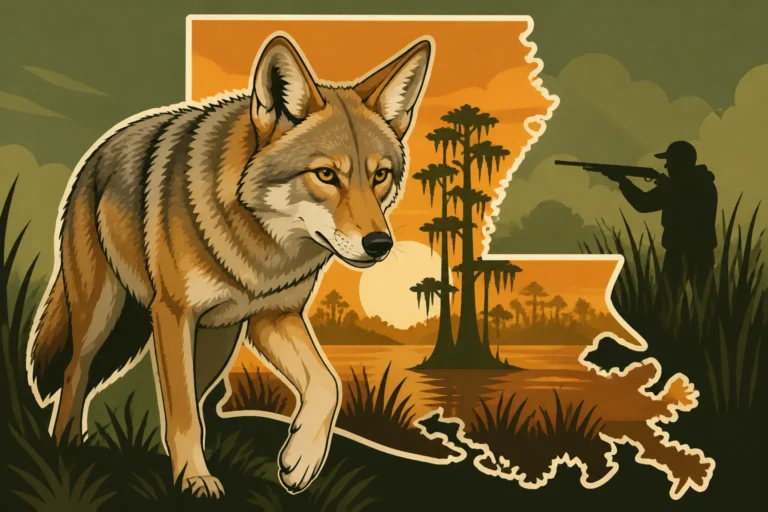
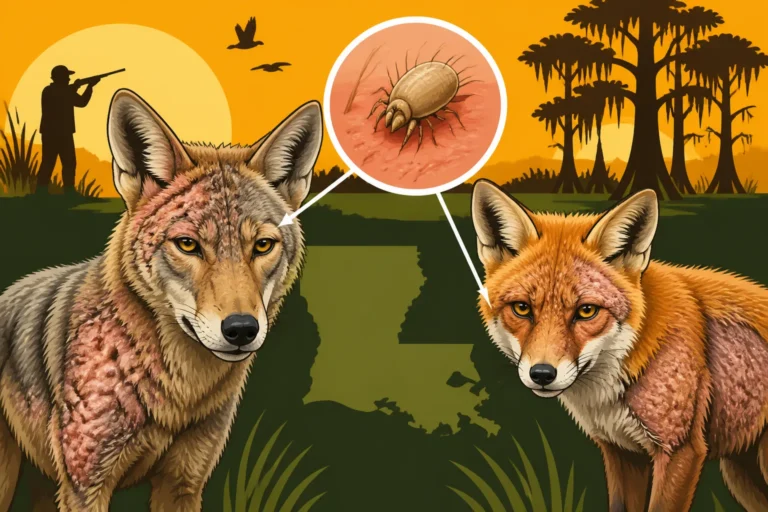
While not traditionally considered "small game" in the same vein as squirrels or rabbits, coyotes and foxes offer thrilling, year-round hunting opportunities for those looking to sharpen their calling and concealment skills. With expanding coyote populations across Louisiana, these opportunistic predators are often seen as a management concern for landowners, offering hunters a chance to contribute to wildlife management while enjoying an exciting hunt.
Calling coyotes involves mimicking distress calls of prey animals like rabbits or rodents, drawing the curious or hungry predator into range. This requires excellent camouflage, patience, and the ability to remain absolutely still. Hunts can take place day or night, depending on local regulations and private land allowances. Foxes, including both red and gray species in Louisiana, are generally more cautious and require even greater stealth and finesse in calling.
Both manual calls and electronic callers can be effective, and the learning curve is part of the fun. Success often hinges on playing the wind, understanding terrain, and choosing the right setup location. For more detailed information on techniques and legalities, be sure to check out Predator Calling Louisiana Farm Country and Louisiana Coyote Hunting Season Rules. These hunts provide intense, fast-paced action and a deep sense of accomplishment when a wily predator responds to your call.
Louisiana's Furbearers: Management, Trapping, and Hunting
Louisiana's diverse ecosystems support a wide array of furbearer species, from the elusive bobcat to the common raccoon. These animals play vital roles in the ecosystem, and their management, often through hunting and trapping, is an important part of wildlife conservation efforts, particularly when dealing with overpopulation or nuisance animals.
Legal Framework for Furbearer Harvest
The harvest of furbearers in Louisiana is regulated by the Louisiana Department of Wildlife and Fisheries (LDWF) to ensure sustainable populations. This includes specific seasons for trapping and hunting, daily and season limits for certain species, and restrictions on methods. Understanding these regulations is paramount to hunting or trapping ethically and legally. A general hunting license is usually sufficient for hunting most furbearers, but trapping often requires a separate Louisiana Trapping License Requirements and adherence to specific trap types and checking frequencies.
For common furbearers like raccoons and opossums, there are typically open seasons for both hunting and trapping. For more sensitive species like bobcats and foxes, seasons might be more restricted, and reporting requirements may apply. It's crucial to consult the most current LDWF regulations booklet or their website to confirm dates, limits, and legal methods before heading afield. Ignorance of the law is not an excuse, and violations can carry significant penalties.
In some cases, nuisance furbearers causing damage to property or livestock may be taken outside of regular seasons, but this usually requires specific permits or adherence to strict guidelines from LDWF. Always confirm these details, as simply "taking care of the problem" without proper authorization can lead to legal trouble.
Common Furbearer Species and Their Roles
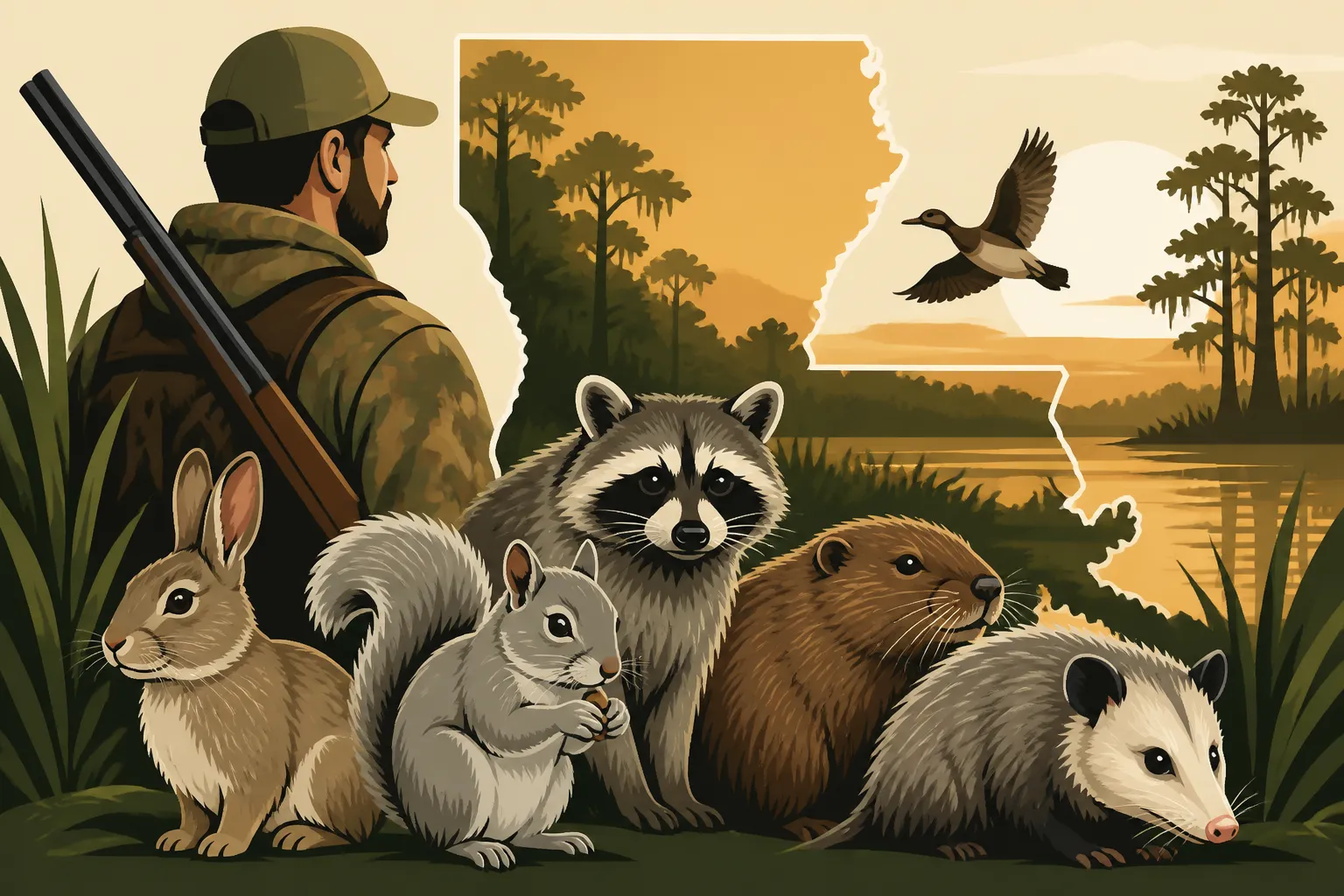
Louisiana's furbearers include a fascinating cast of characters. Raccoons are incredibly adaptable, found in nearly every habitat type from urban areas to deep swamps. They are opportunistic omnivores and their populations are generally robust, making them a common target for hunters and trappers. Opossums are another widespread species, often encountered in similar habitats. They are North America's only marsupial and, while not highly prized for their fur, are often caught incidentally.
Bobcats are elusive and beautiful predators, found across the state in areas with good cover. They are a regulated furbearer, and their pelts are valuable. Foxes, both red and gray, also inhabit Louisiana. Gray foxes are more common in wooded areas, while red foxes prefer more open, agricultural landscapes. These animals are crucial components of the food chain, helping to control rodent and small mammal populations.
Mink and otter are aquatic furbearers, often found along rivers, bayous, and in the coastal marsh. Their pelts are highly valued. Nutria, while technically a furbearer, are primarily managed as a destructive invasive species, warranting their own dedicated section due to their unique impact on Louisiana's wetlands. Understanding the behavior and habitat of each species is key to successful and ethical harvesting.
Trapping Ethics and Methods
Trapping furbearers is a skill that requires knowledge, patience, and a deep understanding of animal behavior. It's not a set-it-and-forget-it endeavor; ethical trapping demands frequent trap checks, proper equipment, and the ability to dispatch animals humanely. Traps must be set in a way that minimizes the risk to non-target species and domestic animals.
Common trapping methods include leghold traps (padded or offset jaws are often required), conibear-type body grip traps, and snares. Each has specific regulations regarding size, placement, and whether they need to be submerged or set in specific enclosures. For example, snares are often restricted in certain areas or require breakaway devices. The use of certain lures and baits is also regulated. It's a complex skill, often learned through mentorship and experience, and the state provides guidelines and courses to ensure best practices.
Beyond the legal requirements, ethical trapping means using the right equipment for the target species, maintaining traps properly, and ensuring quick, humane dispatch. Trappers play a vital role in wildlife management, helping to control populations, especially in areas where hunting alone isn't sufficient, and providing valuable data to wildlife agencies. Always refer to current LDWF regulations for Louisiana Trapping License Requirements and furbearer trapping seasons and rules.
The Pervasive Threat of Nutria in Louisiana Wetlands
If there's one furbearer that stands apart in Louisiana, it's the nutria. These large, semi-aquatic rodents were introduced to Louisiana in the 1930s for their fur, but escaped and quickly multiplied, becoming a catastrophic invasive species. Managing nutria populations is not just a hunting or trapping opportunity; it's a critical conservation imperative for the health of our state's precious wetlands.
Ecological Impact and Marsh Damage
The impact of nutria on Louisiana's coastal marsh is nothing short of devastating. These animals are voracious herbivores, capable of consuming enormous quantities of marsh vegetation, including the roots and rhizomes that hold the fragile marsh soil together. This "eat-out" leaves vast areas of marsh barren, turning vibrant wetlands into open water, accelerating coastal erosion, and contributing to land loss.
The damage caused by nutria weakens the natural storm surge protection that our wetlands provide, making coastal communities more vulnerable to hurricanes and flooding. This environmental catastrophe impacts not only wildlife habitat for countless species, from waterfowl to alligators, but also directly threatens our fishing and hunting industries. The financial cost of nutria damage to Louisiana's ecosystems and economy is in the hundreds of millions of dollars annually.
Understanding this ecological context shifts nutria hunting and trapping from a recreational pursuit to an act of environmental stewardship. Every nutria removed from the marsh is a small victory for our disappearing coastline. It's a stark reminder of the long-term consequences of introducing non-native species without proper foresight.
Hunting and Trapping Nutria for Conservation
Given their destructive nature, nutria can be hunted and trapped year-round on private land, often without bag limits, though regulations on public lands and WMAs can vary. This open season reflects the urgency of controlling their populations. Hunting methods include shooting with rifles (often .22s or air rifles for quiet control), shotguns, and even bows. They are often found sunning themselves on logs or marsh edges, making them visible targets.
Trapping is another highly effective method for controlling nutria populations. Cage traps, snares, and conibear traps are commonly used, often baited with sweet potatoes or other root vegetables. Trapping programs, particularly those supported by the state, have historically incentivized trappers to remove large numbers of nutria. The key to successful trapping lies in identifying high-traffic areas, like trails through the marsh or den entrances along bayou banks.
While not traditionally consumed by many American hunters, nutria meat is surprisingly lean and mild-flavored, similar to rabbit or dark turkey meat. Utilizing the meat can be another way to contribute to the economic viability of their removal, and some Louisiana chefs have even experimented with preparing nutria in gourmet dishes. Every effort to remove these animals is a step towards protecting our invaluable coastal wetlands.
Public Programs and Control Efforts
Recognizing the severe threat posed by nutria, the state of Louisiana has implemented various programs to encourage their removal. The Coastwide Nutria Control Program, administered by the LDWF, has historically provided financial incentives to hunters and trappers for every nutria tail harvested. While program specifics can change, the underlying goal remains: to reduce nutria populations significantly.
These public programs are vital because the scale of the nutria problem is too vast for individual efforts alone. They encourage participation from a wide range of individuals, from experienced trappers to recreational hunters, all contributing to a common conservation goal. These efforts, combined with ongoing research into new control methods and habitat restoration projects, form a multi-pronged approach to combat this invasive species. For up-to-date information on current initiatives, always consult the Louisiana Nutria Control Program Rules.
Engaging with these programs, even on a small scale, means playing a direct role in protecting Louisiana's future. It's a tangible way for hunters and trappers to contribute to the health of the environment, demonstrating that hunting is often a critical tool in modern conservation and ecological management.
Essential Licensing and Regulations for Small Game & Furbearers
Navigating hunting regulations can sometimes feel like trying to untangle a fishing knot in the dark. But for small game and furbearers in Louisiana, understanding the rules isn't just about avoiding a ticket; it's about ensuring sustainable populations and respectful, ethical hunting for everyone. It's imperative to always stay current with the latest LDWF regulations, as they can change annually.
Required Licenses, HIP Certification, and Stamps
Before you even step foot in the woods or marsh for small game or furbearers, you absolutely need to make sure your paperwork is in order. For most resident hunters, a basic Louisiana hunting license is the foundational requirement. Non-residents will need to purchase a non-resident specific license, which typically costs more but grants the same privileges. You can find detailed information on these costs and options in the guide on Louisiana Hunting Licenses and What They Cost.
If you plan on hunting migratory birds—which includes doves, woodcock, and snipe—you'll also need to obtain a Harvest Information Program (HIP) certification. This is a federal requirement, and it’s free, but it must be completed annually. It helps wildlife agencies track harvest data for migratory species. Additionally, if you're trapping furbearers, you’ll need a trapping license in addition to your basic hunting license. These are often separate categories and have distinct requirements.
It’s always a good idea to keep a digital or physical copy of your licenses and certifications with you while afield. The GoHunt app, for example, often provides convenient access to your digital license information and can even help you quickly check regulations or WMA boundaries on the fly. Don't assume you're covered; always verify every necessary license and stamp for the specific species and methods you intend to use.
Understanding Season Dates, Bag Limits, and Methods
This is where things can get a little nuanced, as seasons, bag limits, and legal methods vary significantly by species and even by hunting area. For instance, the general statewide season for squirrels might be quite long, but on specific Wildlife Management Areas (WMAs), those dates could be shorter or have different restrictions. You must consult the most current LDWF regulations pamphlet or their website for the most accurate information.
Let's look at a quick comparison:
| Species | Typical Season (General) | Daily Bag Limit (General) | Common Legal Methods |
|---|---|---|---|
| Gray Squirrel | Oct-Feb | 8 | Shotgun, .22, Archery, Dogs |
| Rabbit | Oct-Feb | 8 | Shotgun, .22, Dogs |
| Mourning Dove | Sept-Oct, Nov-Jan (split seasons) | 15 (aggregate) | Shotgun (plugged) |
| Woodcock | Dec-Jan | 3 | Shotgun (plugged) |
| Snipe | Nov-Feb | 8 | Shotgun (plugged) |
| Coyote | Year-round (private land) | No Limit | Rifle, Shotgun, Archery, Trapping, Dogs |
| Nutria | Year-round (private land) | No Limit | Rifle, Shotgun, Archery, Trapping |
Note: This table provides general information and is not a substitute for official LDWF regulations. Always check current rules before hunting.
You'll notice that for migratory birds like doves, shotguns must be plugged to hold no more than three shells (one in the chamber, two in the magazine). This is a federal regulation. For hunting coyotes or nutria on private land, seasons are typically year-round and bag limits are often non-existent due to their classification as nuisance or predatory animals. However, this is not always the case on public lands.
WMA Specific Rules and Public Land Considerations
Hunting on Louisiana's public lands, particularly Wildlife Management Areas (WMAs), often comes with its own set of rules and regulations that supersede general statewide seasons and methods. This is because WMAs are intensively managed to balance recreational use with wildlife conservation, and specific seasons or method restrictions might be implemented to protect certain species or manage hunting pressure.
For example, a WMA might have specific days when only still-hunting for squirrels is allowed, or it might restrict the use of dogs during certain periods. Some WMAs require a WMA Access Permit in addition to your regular hunting license. There might be different check-in/check-out procedures, mandatory harvest reporting on-site, or restrictions on vehicle access. Using a mapping tool that overlays WMA boundaries and regulations can be incredibly helpful for navigating these specific rules, and many hunters rely on digital resources like GoHunt for this.
Before planning any public land hunt, always, always check the specific regulations for that particular WMA. The LDWF publishes a WMA Regulations booklet, and their website offers detailed fact sheets for each area. This attention to detail will prevent misunderstandings, ensure you're hunting legally, and contribute to a positive experience for all hunters utilizing our public resources.
Disclaimer
The information provided in this article is for general guidance only and is not a substitute for consulting the official Louisiana Department of Wildlife and Fisheries (LDWF) regulations. Hunting laws and seasons can change annually. It is the responsibility of each hunter to be aware of and comply with all current federal, state, and local hunting regulations.