Louisiana Commercial Versus Recreational Alligator Tags
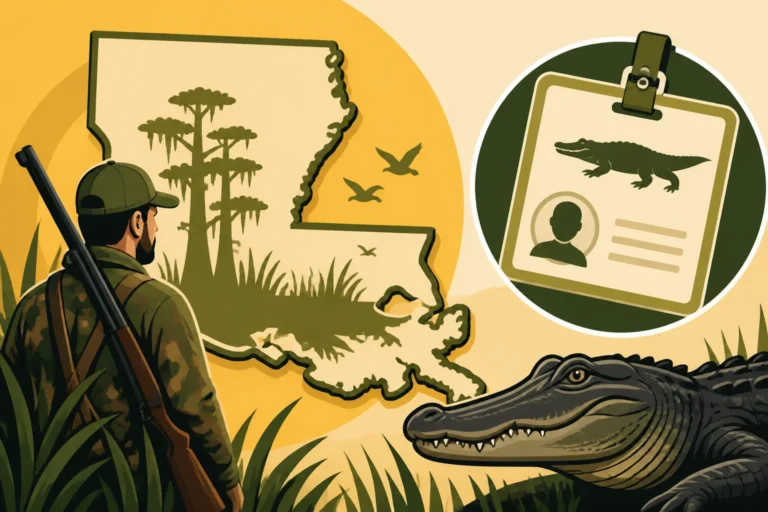
For many folks who dream of experiencing the wild side of Louisiana, hunting an alligator is high on the bucket list. However, diving into the world of alligator tags can feel like wading through murky swamp water – confusing and a little intimidating. It's not just about getting a license; it's about understanding the distinct systems that govern who gets access, what you can legally do with your harvest, and the fundamental differences between commercial and recreational opportunities. This guide will walk you through the distinct differences between commercial and recreational alligator tags in Louisiana, helping you navigate the process with confidence.
The Fundamental Divide: Commercial Versus Recreational Alligator Hunting
Louisiana's alligator population is a true conservation success story, rebounding from near extinction to a thriving population thanks to careful management by the Louisiana Department of Wildlife and Fisheries (LDWF). This success allowed for the establishment of two distinct harvesting programs: commercial and recreational. While both contribute to population management and provide opportunities, their purposes, requirements, and scope are vastly different, often leading to confusion for those new to the scene. Understanding this core distinction is the first step to figuring out which path is right for you.
Who Qualifies for Each Tag Type
The eligibility requirements for commercial versus recreational alligator tags are perhaps the most significant differentiator. It’s not simply a matter of applying for one or the other; your circumstances dictate which door is even open to you.
For the vast majority of aspiring alligator hunters, the recreational route is the only viable option. These tags are primarily intended for the general public, and crucially, they are almost exclusively offered to Louisiana residents through a highly competitive lottery system. The idea is to provide an opportunity for individuals to experience the thrill of harvesting an alligator for personal use, without the economic pressures or large-scale operations of the commercial sector. You don't need to own vast tracts of swamp or marsh; you just need to be a lucky resident with a valid hunting license. The system is designed for individual sport and conservation enjoyment, making sure that local citizens have a chance to connect with this iconic Louisiana reptile. It's truly about giving everyone a shot, pun intended, at this unique experience.
On the flip side, commercial alligator tags are a whole different beast. These tags are allocated to licensed alligator trappers, and typically, these individuals are either landowners themselves or hold significant leases on private land suitable for alligator habitat. We're talking about substantial marsh or swamp acreage – often hundreds or even thousands of acres. These commercial harvesters usually have years, if not decades, of experience in the industry. It's a business, requiring specialized permits, a deep understanding of alligator behavior, and a significant financial investment in equipment. The qualification here isn't luck of the draw for a single tag; it's about being deeply embedded in the land management and economic fabric of the state's alligator industry. This is a livelihood for many, not just a weekend pursuit.
The Core Purpose of Each Tag
Beyond who qualifies, the very purpose behind commercial and recreational tags highlights their divergent roles in Louisiana's wildlife management strategy. Both play a vital part in maintaining a healthy alligator population, but they serve different interests.
The recreational alligator program's core purpose is to provide a unique sporting and personal harvest opportunity. For those who draw a tag, it’s an unforgettable experience, allowing them to harvest one or two alligators for personal consumption and as a trophy. It’s about engagement, education, and appreciating Louisiana's natural resources firsthand. This program is not designed for profit. In fact, selling any part of a recreationally harvested alligator is strictly prohibited. It’s about the hunt itself, the camaraderie, and bringing home some of that delicious alligator meat for the family and friends. This aspect helps foster a deeper connection between citizens and the wildlife, strengthening support for conservation efforts. It's a way for residents to actively participate in managing a species that defines much of Louisiana's wild landscape, reinforcing the notion that wise use of resources benefits everyone.
In stark contrast, the commercial alligator program is primarily driven by economic revenue and large-scale population management. Commercial harvesters contribute significantly to the state’s economy through the sale of alligator hides, which are highly valued in the global leather market, and meat, which is a culinary staple in Louisiana and beyond. These operations often involve managing alligator populations on vast private properties, including implementing practices that might involve nuisance animal control or careful harvesting to ensure long-term sustainability. The sheer volume of tags allocated to commercial harvesters reflects this purpose; they are designed to manage populations across wide areas efficiently while providing a valuable commodity. This system has been incredibly successful, not only in recovering the alligator population but also in establishing a multi-million-dollar industry that benefits many rural communities. It’s a powerful testament to how a well-managed wildlife resource can create both ecological and economic prosperity.
Navigating Louisiana's Recreational Alligator Program
For many, the dream of bagging a Louisiana alligator begins and ends with the recreational lottery. It's a highly sought-after experience, offering a chance to participate in one of the state's most unique hunts. But understanding the ins and outs of this program is crucial, as it operates on a different set of rules and expectations than most other hunting seasons. It’s a privilege, not a given, and requires careful attention to detail.
The Lottery System and Application Process
Louisiana's recreational alligator hunting is exclusively administered through a lottery system, meaning it’s purely a game of chance. Each year, thousands of eager applicants throw their names into the hat, hoping to be one of the lucky few to draw a tag. The application window is typically quite specific, usually opening in late spring or early summer, and it's absolutely vital to be aware of these deadlines. Missing the window means waiting another year. Applicants apply for specific "alligator hunting zones," which are geographically defined areas across the state. You can often indicate a first and second choice, which helps the LDWF distribute tags across the available habitat. Each successful applicant typically receives two alligator tags, allowing them to harvest two alligators within their assigned zone.
The process often requires a small application fee, and you must possess a valid Louisiana resident hunting license to even enter the lottery. This ensures that those applying are already part of the regulated hunting community. After the application period closes, a random drawing takes place, and winners are notified, usually by mail or email, allowing them time to prepare for the season. Keeping track of these dates and notifications can be a challenge, so utilizing resources like GoHunt can be incredibly helpful for managing application periods and ensuring you don't miss out on this unique opportunity. They often provide tools and reminders that keep hunters on schedule. Remember, it's not a pay-to-play system; it's truly a lottery, emphasizing fair opportunity for all eligible residents. You'll find more detailed information on the specific steps and deadlines when you apply for the Applying for the Alligator Recreational Lottery.
What Recreational Tags Entail for Hunters
If you're one of the fortunate few to draw a recreational alligator tag, congratulations! You've just gained access to an incredible experience. However, these tags come with very specific conditions. As mentioned, successful applicants are typically awarded two tags, valid only within the alligator hunting zone they were drawn for. This means you can't just pick up your tags and go hunt anywhere in the state; you are restricted to your assigned area, which might be a specific public lake, river, or a designated portion of a larger swamp system. Understanding the boundaries of your zone is paramount.
The season for recreational alligator hunting is relatively short, typically running for a couple of weeks in late August or early September, though the exact dates can vary slightly by zone and year. This compressed timeframe adds to the challenge and excitement. Hunters must adhere strictly to the legal methods, which primarily involve baited hooks and lines, and snatch hooks. There are also specific size requirements, as you can learn more about in Judging a Legal Forty-Eight-Inch Alligator, emphasizing the ethical harvest of mature animals. The entire hunt is about the sport and the personal reward; there is no commercial aspect. Alligator meat and hides harvested recreationally are for personal use only – you cannot sell them. This means you’ll need to arrange for proper processing of both the meat and the hide yourself, which often involves finding a licensed alligator processor who can legally handle your harvest. This adds another layer of planning and cost to the experience, but it ensures that the recreational program remains distinct from the commercial industry. Details on these zones are readily available in Louisiana Alligator Zone Allocations.
Where Recreational Hunting Takes Place
Once you've secured those coveted recreational tags, the next logical question is, "Where do I actually go hunt?" The answer largely depends on the zone you're drawn for and the type of access it provides. Many recreational alligator hunts take place on designated public waterways, lakes, and portions of Wildlife Management Areas (WMAs). However, some tags are allocated for specific private lands where the landowner has agreed to participate in the recreational program, often allowing access to the lucky hunter. It's critical to understand the specific access rules for your zone.
Navigating these areas requires careful scouting and a good understanding of the local landscape. For example, if your zone is in the sprawling Atchafalaya Basin, you'll need boat access, a good map, and an understanding of the complex waterways. In other areas, road access might be more common. Many hunters utilize mapping tools, such as those provided by GoHunt, to pinpoint boat launches, identify potential setting locations, and understand property lines, especially if your zone borders private land. Scouting before the season is invaluable; you'll want to identify areas with good alligator sign, such as trails, slides, and basking spots. Remember, alligators are creatures of habit, and finding their travel routes and feeding grounds is key to a successful hunt. Accessing these remote areas can be challenging, but it's part of the adventure. For anyone embarking on this journey, reading up on Louisiana Alligator Legal Methods will be immensely helpful for understanding the practicalities of setting lines and approaching gators.
Understanding Louisiana's Commercial Alligator Industry
While recreational alligator hunting is a popular topic, the commercial alligator industry is the backbone of Louisiana's alligator management and a significant economic driver. This isn't just a hunt; it's a serious business that requires extensive knowledge, significant resources, and a deep connection to the land and its management. Many folks don't realize the intricate system behind the gator products they see in stores or on menus.
Requirements for Commercial Harvesters
Becoming a commercial alligator harvester in Louisiana is far more involved than simply entering a lottery. It typically starts with land ownership or control over substantial alligator habitat. Many commercial trappers are landowners themselves, managing large acreages of marsh, swamp, or agricultural land that provides ideal alligator habitat. Others operate through leases, often long-term agreements with private landowners. The sheer scale of these operations demands a comprehensive understanding of wetland ecology, alligator behavior, and sustainable harvesting practices. It's not just about setting a few lines; it's about managing a resource across potentially thousands of acres.
In addition to land control, commercial harvesters must obtain specialized licenses and permits from the LDWF. These are distinct from general hunting licenses and reflect the commercial nature of their activities. They often require proof of experience and a demonstrated ability to comply with complex regulations. This robust permitting system ensures that commercial operations are conducted responsibly and sustainably. Furthermore, there's a significant financial investment required for equipment, including specialized boats, motors, handling gear, and processing facilities. It's a full-time commitment for many, not a seasonal hobby. These individuals are often deeply invested in the long-term health of the alligator population, as their livelihood depends on it.
The Economic Impact and Allocation System
The commercial alligator industry in Louisiana is a multi-million-dollar enterprise, generating substantial revenue for the state and supporting numerous rural communities. The primary value comes from alligator hides, which are highly prized globally for luxury leather goods. Alligator meat, while also valuable, is typically a secondary product. This industry is a perfect example of how wise wildlife management can create economic prosperity. Revenues from license sales and taxes on products contribute directly to conservation efforts within the state.
The allocation system for commercial tags is fundamentally different from the recreational lottery. Instead of a random draw, tags are allocated based on a complex formula that considers factors such as the amount of suitable alligator habitat a harvester controls, historical harvest data from that property, and current population estimates. This ensures that the harvest is sustainable and directly tied to the land's capacity to support alligators. Harvesters typically receive a much larger number of tags compared to recreational hunters, sometimes hundreds, allowing them to conduct large-scale operations. This allocation system is reviewed annually by the LDWF to adjust to population changes and habitat conditions, demonstrating a data-driven approach to resource management. The success of this model has made Louisiana a world leader in alligator conservation and sustainable use.
How Commercial Tags Differ in Application and Harvest
The application process for commercial alligator tags is less about a public lottery and more about annual renewal and detailed operational planning. Existing commercial harvesters typically re-apply each year, often providing updated information on their land holdings, past harvest numbers, and proposed activities. New applicants would need to meet the stringent requirements regarding land access and experience, which makes entering the commercial sector a significant undertaking rather than a simple application.
In terms of harvest, commercial operations are much larger in scale. Instead of one or two alligators, a commercial harvester might be responsible for taking dozens, if not hundreds, of alligators throughout their season. This requires a well-organized team, efficient methods, and rigorous record-keeping. Every alligator harvested under a commercial tag must be properly tagged, documented, and accounted for, with detailed reports submitted to the LDWF. This stringent reporting ensures transparency and allows the state to monitor harvest levels accurately. The methods employed can also be more diverse, though still heavily regulated, often incorporating equipment designed for efficiency and safety on a larger scale. This detailed approach ensures that the commercial harvest remains sustainable and contributes valuable data to the overall management of Louisiana's alligator population.
Key Differences in Legal Methods, Season, and Disposition
Beyond who qualifies and the scale of operation, the very practical aspects of alligator hunting – how you hunt, when you hunt, and what you do with your harvest – are starkly different between recreational and commercial tags. Understanding these distinctions is crucial for anyone involved, ensuring legal compliance and an ethical hunt.
Permitted Gear and Techniques
The methods allowed for harvesting alligators are strictly regulated by the LDWF, and they differ significantly between recreational and commercial hunters. For recreational alligator hunters, the options are generally limited and designed to be accessible to individuals without highly specialized equipment. The most common methods include baited hook-and-line sets, where a hook is attached to a sturdy line and secured to a fixed object, with the bait suspended above the water. Another popular method is the snatch hook, which involves snagging an alligator with a specialized hook and then dispatching it. These methods require patience, skill, and careful attention to safety. You can dive deeper into these techniques by exploring topics like Snatch-Hook Alligator Tactics or Hook-and-Line Alligator Setups. Once an alligator is hooked or snagged, it must be dispatched immediately with a legal firearm or a bangstick to ensure a humane harvest.
Commercial alligator harvesters, operating on a larger scale and often dealing with more remote or expansive territories, typically have a broader range of permitted gear and techniques. While hook-and-line methods are still common, commercial operations may also utilize specialized traps, snares, and even specific types of nets, all designed to efficiently and safely capture alligators for processing. The methods are optimized for volume and the unique challenges of large-scale harvesting in varied habitats. Regardless of the method, the principle of humane dispatch remains paramount, and commercial operators also rely on legal firearms or bangsticks. The choice of equipment often depends on the specific conditions of their hunting grounds and the number of tags they need to fill. This flexibility in methods is one way the commercial program maximizes efficiency and sustainability across diverse alligator habitats.
Season Lengths and Harvest Reporting
The timing and duration of the alligator hunting seasons are another significant point of divergence between the two programs. Recreational alligator seasons are notoriously short and specific. Typically, they run for a period of only 10 to 14 days, usually starting in late August or early September. The exact dates vary by zone each year, adding a layer of urgency and planning for successful lottery applicants. This short window is part of what makes the recreational hunt so challenging and exciting; hunters must make the most of every available day. Furthermore, recreational hunters are required to report their harvest to the LDWF within a very specific timeframe, usually within 24 to 48 hours of taking the alligator. This mandatory reporting helps the state monitor recreational harvest levels and gather essential data for future management.
Commercial alligator seasons, in contrast, are considerably longer, often spanning several weeks or even a couple of months, typically from late August through September or early October. This extended season allows commercial harvesters the necessary time to fulfill their larger tag allocations and manage their operations effectively across their leased or owned lands. The longer season accounts for weather variables, logistics, and the sheer volume of work involved in a commercial harvest. Harvest reporting for commercial operators is also more continuous and detailed. They are required to maintain meticulous records of every alligator taken, including size, location, and the specific tag number used. These detailed reports are submitted regularly to the LDWF, providing comprehensive data that is vital for assessing population health, economic trends, and ensuring compliance with all regulations. The intensity of this reporting helps the LDWF track the Louisiana Alligator Zone Allocations and ensure the overall health of the species.
What You Can Do With Your Alligator Hide and Meat
Perhaps one of the most fundamental differences, and one that often catches new hunters by surprise, is what you are legally allowed to do with your harvested alligator once it's on the bank. This distinction boils down to personal use versus commercial enterprise.
For recreational alligator hunters, the harvested alligator is strictly for personal use. This means the meat is destined for your dinner table, and the hide can be tanned and made into personal items or mounted as a trophy. You are absolutely prohibited from selling any part of a recreationally harvested alligator – not the meat, not the hide, and not any by-products. This is a critical rule designed to maintain the integrity of the recreational program as a sport and conservation effort, separate from the commercial market. While you can't sell the hide, you must still ensure it's properly tagged with your recreational tags and sent to a licensed alligator processor for tanning. These processors are regulated to ensure legal handling of alligator products. Many hunters cherish the opportunity to enjoy fresh alligator sausage or have a custom belt made from their hard-earned hide, making the experience truly memorable and deeply personal. Even though the hunt is for personal enjoyment, understanding the Louisiana Resident Alligator License Cost factors into the overall investment.
For commercial alligator harvesters, the alligator is a product. The hides and meat are harvested with the intent to sell them into the commercial market, generating income. Every aspect of their operation, from harvest to processing, is geared towards preparing these products for sale. Commercial harvesters must adhere to strict tagging, documentation, and grading standards for both hides and meat to ensure they meet market demands and regulatory requirements. Hides are carefully cleaned, salted, and stored before being sold to tanneries, while meat is processed, packaged, and sold to restaurants, distributors, and consumers. This difference underscores the economic engine that the commercial program represents, contrasting sharply with the personal, non-commercial nature of the recreational hunt. It's a complex, regulated industry that provides jobs and contributes significantly to the state's economy, all built around sustainable harvesting practices.
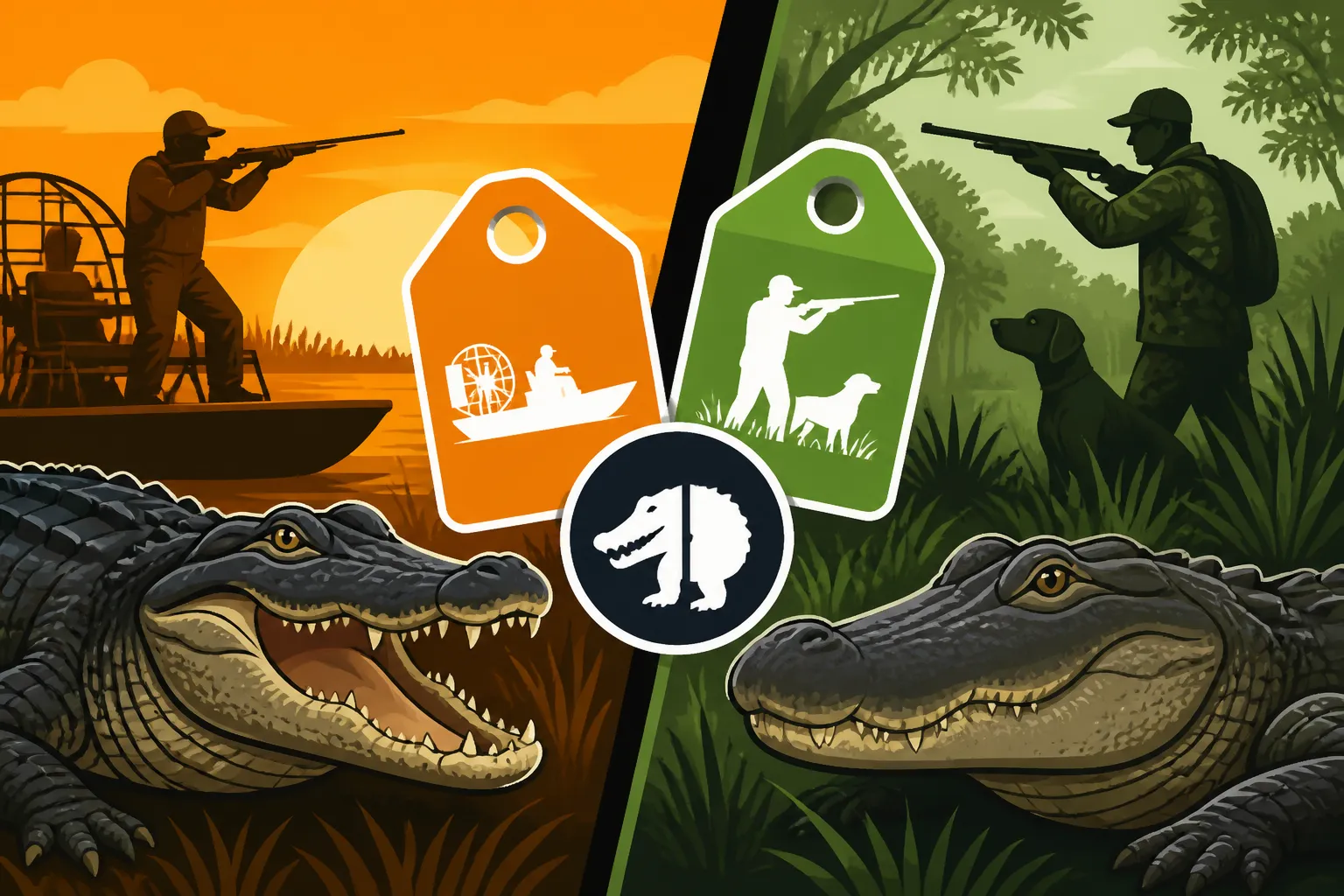
Commercial Versus Recreational Alligator Tag Comparison
To help clarify the differences, here's a quick comparison of the key aspects of commercial and recreational alligator tags in Louisiana:
| Feature | Recreational Alligator Tag | Commercial Alligator Tag |
|---|---|---|
| Eligibility | Louisiana Resident, successful lottery applicant. | Licensed alligator trapper, landowner/leaseholder with suitable habitat. |
| Purpose | Sport, personal harvest, trophy, conservation engagement. | Economic revenue (hides, meat), large-scale population management. |
| Application Process | Competitive public lottery; small fee. | Annual renewal, based on land control, historical data, permits. |
| Tag Allocation | Typically 1-2 tags per successful applicant. | Often dozens or hundreds of tags per harvester. |
| Season Length | Short (10-14 days), late August/early September. | Longer (several weeks/months), late August through October. |
| Permitted Methods | Baited hook-and-line, snatch hook. | Hook-and-line, traps, snares, specific nets (regulated). |
| Harvest Reporting | Mandatory within 24-48 hours. | Continuous, detailed reporting throughout season. |
| Disposition of Harvest | For personal use only (cannot sell hide or meat). | Hides and meat for commercial sale. |
| Economic Involvement | None; strict prohibition on sales. | Primary goal is economic income. |
Disclaimer
Please remember that hunting regulations, fees, and season dates can change. Always consult the official Louisiana Department of Wildlife and Fisheries (LDWF) website or current hunting regulations pamphlet before planning any hunting trip. This guide is for informational purposes only and should not be considered a substitute for official sources.