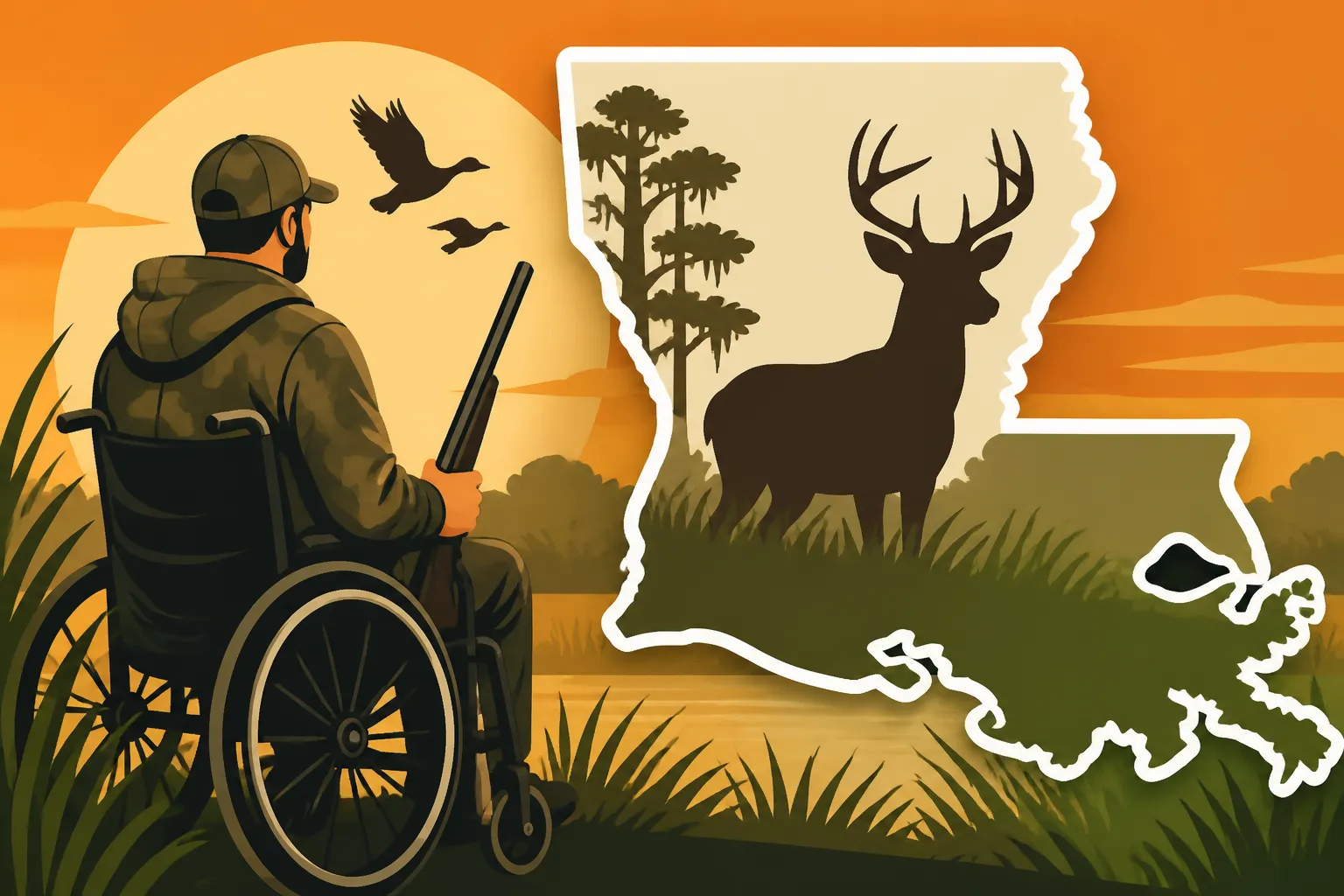
Louisiana Disability Hunting Permits
It’s a tough pill to swallow when a long-loved passion like hunting suddenly feels out of reach because of an injury or a new physical limitation. You’ve spent years navigating the woods, maybe dragging deer, climbing stands, and now simple movements feel like monumental tasks. But here in Louisiana, we believe hunting is for everyone, and our disability hunting permit program is designed precisely to help hunters like you stay in the game. This guide will walk you through everything you need to know about these essential permits, ensuring your hunting legacy continues.
Understanding Louisiana's Disability Hunting Permit Program
Louisiana is deeply committed to ensuring that physical challenges don't completely sideline passionate hunters. The Louisiana Department of Wildlife and Fisheries (LDWF) offers several specialized permits specifically tailored to assist individuals with certain disabilities, allowing them to enjoy the outdoor pursuits they love. It's not about making hunting "easier" in a broad sense, but rather about providing reasonable accommodations that level the playing field, so that a physical limitation doesn't become an insurmountable barrier to participation.
These permits are a testament to the understanding that hunting isn't just a sport; it's a way of life, a connection to nature, and often a cherished family tradition. When a disability threatens to sever that connection, these programs step in. They address practical concerns, from mobility challenges that prevent access to prime hunting spots to limitations in operating certain equipment. The goal is simple: keep our hunters in the field safely and legally.
Who These Permits Are Designed For
The disability hunting permits are specifically designed for individuals who have a permanent physical impairment that significantly impacts their ability to hunt under standard regulations. This isn't for a temporary sprain or a fleeting illness; it's for those long-term conditions that genuinely alter a hunter's physical capabilities. Think about someone who might use a wheelchair, or a veteran with a significant mobility impairment from a service-related injury. These are the individuals these permits aim to support.
The criteria are specific because the accommodations granted are significant. For example, some permits might allow for the use of an ATV on areas typically restricted, or permit shooting from a stationary vehicle on certain private lands. These aren't minor adjustments; they require careful consideration to balance accessibility with wildlife management and safety for all users of public lands. The LDWF has worked diligently to craft regulations that are both inclusive and responsible.
The Philosophy Behind the Accommodations
The core philosophy is rooted in access and equity. Hunting provides immense physical and mental benefits, fostering a deep connection to the outdoors, promoting self-reliance, and offering opportunities for social engagement with fellow hunters. Denying these benefits due to a disability goes against the spirit of inclusivity. These permits aim to restore some of the independence that a disability might take away, allowing hunters to continue contributing to wildlife management through their participation.
For many, hunting is also a source of pride and purpose. The ability to harvest game, provide for one's family, and partake in the annual rhythm of the seasons is deeply ingrained. When a disability threatens this, it's not just about missing a hunt; it's about losing a part of one's identity. The accommodations, therefore, are more than just rule changes; they're about preserving dignity and empowering individuals to reclaim their place in the hunting community. It's about remembering that while abilities might change, the spirit of a hunter often remains unwavering.
Eligibility Requirements for Disabled Hunter Permits
Navigating the specific eligibility requirements for Louisiana's disability hunting permits can feel a bit like wading through dense marshland – it takes careful attention to detail. These aren't just handed out; there's a specific process to ensure they go to those who genuinely need the accommodations. It's about maintaining fairness and protecting the integrity of our hunting regulations.
You'll need more than just a self-diagnosis; the LDWF requires official documentation. This typically means a signed certification from a licensed medical physician, clearly detailing the nature of your disability and how it impacts your ability to perform tasks essential for hunting under standard rules. Think about it: they need to understand why you need the permit, not just that you want it.
Defining a Qualifying Disability
The state of Louisiana defines specific disabilities that qualify for these special permits. Generally, these fall into categories that involve significant and permanent impairment of mobility, vision, or other critical bodily functions. For instance, individuals who are permanently confined to a wheelchair, those with significant limb loss or paralysis, or those who have severely impaired vision might qualify. The key word here is "permanent" – a temporary injury, as frustrating as it might be, typically won't meet the criteria.
It’s not enough to simply have a diagnosis; the medical certification needs to explain how that diagnosis specifically affects your ability to hunt. For example, if you have a condition that makes walking long distances impossible, that’s directly relevant to accessing hunting grounds. If your disability makes it unsafe or impossible to carry a standard firearm in a traditional manner, that's also a pertinent detail. The LDWF needs a clear picture of the functional limitations, not just the medical label. This helps them determine which specific accommodations are appropriate for your situation.
Required Medical Documentation
When you apply, be prepared to submit thorough medical documentation. This isn't just a quick note from your doctor. The LDWF will require specific forms to be completed by a licensed physician (M.D. or D.O.). These forms will ask for details about your condition, its onset, its permanence, and most importantly, how it functionally impairs your ability to hunt according to general regulations. You might also need to provide documentation of your disability from other official sources, such as a Veterans Affairs (VA) disability rating or a state disability certification.
It’s a good idea to communicate clearly with your doctor about the purpose of these forms. Explain that you're applying for a hunting permit and that the LDWF needs to understand the functional limitations your disability imposes. This will help your doctor provide the most accurate and useful information, ensuring your application is complete and stands the best chance of approval. Don't leave any room for ambiguity; the clearer the documentation, the smoother the process.
Applying for Your Disability Hunting Permit
Once you understand the eligibility and have your medical ducks in a row, the application process itself is relatively straightforward, though it does require attention to detail. The LDWF has worked to make it accessible, but don't expect it to be an overnight process. Patience and thoroughness are your best friends here.
The first step is always to acquire the official application forms directly from the Louisiana Department of Wildlife and Fisheries. You can usually find these on their official website, or by contacting one of their regional offices. Avoid unofficial forms, as rules and requirements can change. Remember, precision in filling out these forms will save you headaches down the line.
Step-by-Step Application Process
- Obtain the Official Forms: Head to the LDWF website (www.wlf.louisiana.gov) and search for "disabled hunter permits" or "special hunting permits." Download all relevant application forms. If you're not comfortable with online forms, call your nearest LDWF office, and they can mail them to you.
- Consult Your Physician: Take the medical certification form directly to your licensed physician. Explain the purpose and ensure they fill out every section accurately and completely, detailing your specific disability and how it creates functional limitations for hunting. Have them sign and date it.
- Gather Supporting Documentation: Collect any other required documents, such as proof of residency, a copy of your current Louisiana hunting license (if you have one), a VA disability letter, or other official disability certifications. Having a comprehensive view of your situation makes the LDWF's job easier.
- Complete Your Section: Fill out the personal information section of the application thoroughly and legibly. Double-check all spellings and numbers.
- Submit Your Application: Once all sections are completed and all supporting documents are attached, submit your application. The submission method will typically be via mail to a specific LDWF address, but always verify this on the application form itself. Keep a copy of everything you send for your records.
- Await Review: The LDWF will review your application. This can take some time, as they may need to verify information or consult with medical professionals. Don't expect an instant approval.
- Receive Your Permit or Request for More Information: If approved, your permit will be mailed to you. If there are questions or missing information, they will contact you, so be sure your contact information is up-to-date.
What to Expect After Submission
After you've sent in your application, the waiting game begins. The LDWF staff review each application carefully, often verifying the medical documentation and ensuring all criteria are met. It’s not uncommon for this process to take several weeks, especially during peak hunting season application periods. They're dealing with a large volume of requests, so patience is key.
During this time, resist the urge to call daily for updates. Give them time to do their job. If you haven't heard back within a reasonable timeframe (which is usually indicated on the application or their website), then a polite inquiry is certainly acceptable. Just be prepared that they might request additional information or clarification from your physician, so staying in touch with your doctor's office is also a good idea. Remember, the goal is to get you back in the woods, so a little extra effort upfront can pay off big time.
Special Privileges and Considerations for Disabled Hunters
Receiving a Louisiana disability hunting permit isn't just about having a piece of paper; it unlocks a set of specific privileges designed to make hunting feasible and enjoyable again. These accommodations are thoughtfully crafted to address common barriers faced by hunters with disabilities, allowing them to access areas and employ methods that might otherwise be restricted. It truly can feel like a game-changer when you realize what's now possible.
These privileges aren't universal, however. The specific accommodations you receive will depend on the type of disability permit you're issued and the particular rules associated with it. It’s absolutely critical to understand the nuances of your permit, especially when hunting on public lands like Wildlife Management Areas (WMAs). Ignorance of the rules, even with a permit, can still lead to violations.
Enhanced Mobility Access
One of the most significant advantages for many disabled hunters is enhanced mobility access. Imagine the frustration of seeing prime hunting grounds just out of reach because a WMA regulation prohibits vehicle access beyond a certain point, or the terrain is too rugged for foot travel or a wheelchair. A disability permit can often alleviate this.
For example, a hunter with a qualified mobility impairment might be allowed to operate an All-Terrain Vehicle (ATV) or an electric golf cart on certain designated trails or service roads within a WMA where general public use of such vehicles is restricted. This can open up vast tracts of land that were previously inaccessible, allowing you to reach areas with less hunting pressure. It's important to remember that this access is usually limited to the individual with the permit and potentially one assistant, and specific speed limits and trail designations must always be followed. This helps maintain safety for everyone using the public land. Platforms like GoHunt or similar mapping tools can be invaluable here, helping you scout accessible trails and understand WMA boundaries before you even leave home. This pre-trip planning, especially for Scouting Louisiana Public Land Before Season, becomes even more critical with specialized access.
Shooting from a Vehicle or Stationary Position
Another critical accommodation is the allowance to shoot game from a stationary vehicle on certain private lands or from a specifically designated stationary position. For hunters who cannot easily leave a vehicle or maneuver into a traditional shooting stance due to their disability, this can be the difference between participating and sitting out.
This privilege is typically very specific: the vehicle must be stationary, and it's generally only allowed on private land with the landowner's permission. There are often strict rules against shooting from a moving vehicle or across public roads. On some WMAs, there might be designated accessible hunting blinds or stands where this is permitted, but you must always check the specific WMA regulations, as they can vary greatly. Understanding Louisiana Legal Firearms for Deer Hunting in conjunction with these special shooting positions is also vital for compliance.
Extended Seasons or Special Bag Limits
In some cases, specific disability permits might grant access to extended hunting seasons or special bag limits for certain species. While less common, these provisions are designed to increase the opportunity for disabled hunters to harvest game, acknowledging that their hunting methods or pace might differ from able-bodied hunters.
For instance, there might be specific youth and veterans weekend hunts, where disabled hunters (especially veterans) might also have additional opportunities. It's essential to consult the current Louisiana Hunting Regulations pamphlet provided by the LDWF each year, as these dates and rules can change. This is especially true for highly regulated species or areas. Staying updated on the Louisiana Youth and Veterans Weekend Rules is a good practice.
Assistance in the Field
Many disability permits implicitly or explicitly acknowledge the need for assistance in the field. While the disabled hunter must still be the one to harvest the animal, an assistant might be allowed to help with tasks like setting up blinds, retrieving game, or navigating difficult terrain. This collaboration ensures safety and practical support, allowing the disabled hunter to focus on the hunt itself.
This assistance often extends to tasks like field dressing or dragging a harvested animal, which can be physically demanding. The assistant acts as an extension of the disabled hunter, making the overall experience more manageable and enjoyable. For hunters needing this support, it’s worth exploring all resources, including checking Public Hunting Land in Louisiana to see if there are any specific guidelines regarding assistants on these properties.
Accessible Hunting Opportunities on WMAs
The LDWF is also actively working to create more accessible hunting opportunities on its Wildlife Management Areas (WMAs). This includes developing accessible hunting blinds, improving trail surfaces, and designating specific areas with easier access for disabled hunters. These efforts aim to provide dedicated spaces where the special privileges of a disability permit can be fully utilized within a managed public land setting.
Before heading out to a specific WMA, it's always a good idea to check the LDWF's website for that particular WMA or call the WMA manager directly. They can provide up-to-date information on accessible facilities, any specific regulations pertaining to disabled hunter permits on that property, and even offer advice on the best spots to hunt. Remember that a Louisiana WMA Permit Requirement is still necessary for most WMAs, even with a disability permit. For more general information about these areas, refer to Louisiana Wildlife Management Areas.
Understanding Your Specific Permit and Regulations
Because the rules can be nuanced, it’s paramount that you thoroughly read and understand every detail of your specific permit and the current hunting regulations. The information included in the annual Louisiana Hunting Regulations pamphlet is your bible. Don’t rely on hearsay or outdated information. Regulations for all Louisiana Hunting Licenses and What They Cost are updated yearly, and disability permits are no exception.
Table: Common Disability Hunting Permit Accommodations in Louisiana
| Accommodation Feature | Typical Permit Type(s) | Key Conditions/Restrictions |
|---|---|---|
| ATV/UTV Access | Mobility Impairment | Specific trails/roads only; usually 5-10 mph speed limit; WMA-specific rules apply. |
| Shooting from Stationary Vehicle | Mobility Impairment | Primarily on private land with landowner permission; vehicle must be completely stopped. |
| Accessible Blinds/Stands | Mobility Impairment | Designated locations on WMAs; may require reservation or special sign-in. |
| Assistance in Field | All Disability Permits | Helper can assist with non-shooting tasks (e.g., retrieving game, blind setup). |
| Extended Season Access | Select Disabilities | Varies by species and area; must check annual regulations carefully; often for specific youth/veteran events. |
This table provides a general overview, but always, always refer to your individual permit and the most current LDWF regulations. Each permit is issued with specific conditions tied to the nature of the disability, ensuring that the accommodations are appropriate and do not compromise safety or fair chase principles. For example, some regulations might affect Crossbow Rules During Louisiana Archery Season if your disability affects your ability to draw a traditional bow. Similarly, it's wise to review Louisiana Hunter Education Requirements to ensure all safety protocols are understood, even with specialized equipment or assistance.
It’s truly wonderful that Louisiana offers these opportunities. For many, it means the world to continue participating in the sport they love. With careful planning, proper documentation, and a thorough understanding of the regulations, hunters with disabilities can continue to enjoy the rich outdoor heritage of our state.
Disclaimer
The information provided in this article is intended for general guidance and informational purposes only, and does not constitute legal advice or an exhaustive list of all regulations. Hunting rules and regulations, including those pertaining to disability permits, are subject to change by the Louisiana Department of Wildlife and Fisheries (LDWF). It is the sole responsibility of each individual hunter to review and comply with the most current official LDWF hunting regulations and obtain all necessary licenses and permits before engaging in any hunting activities. Always refer to the official LDWF website or contact them directly for the most accurate and up-to-date information.