Why Only Residents Can Enter the Alligator Lottery
It's a common scenario: you’ve heard the tales of giant gators lurking in the Louisiana swamps, and maybe you’ve even seen a few while visiting. The idea of getting out there and harvesting one yourself is incredibly appealing, but then you hit the wall of the recreational alligator lottery, only to discover that it’s exclusively for residents. This can be a real head-scratcher and frankly, a bit disheartening for our friends from out of state. You’re left wondering, why the strict rules? This guide is here to shed light on exactly why Louisiana's recreational alligator lottery is reserved solely for residents, breaking down the history, conservation, and management behind this unique system.
The Foundational Principle: Resident Priority in Wildlife Management
Wildlife management across the United States, and especially in states like Louisiana with rich natural resources, often operates on a core principle: residents, through their taxes, license fees, and historical connection to the land, are considered primary stakeholders in the state's wildlife. This isn't just about favoritism; it's deeply rooted in how conservation is funded and managed.
Conservation Funding and Stakeholder Investment
Think about it this way: for decades, Louisiana residents have been contributing to the state's wildlife conservation efforts through their hunting and fishing license purchases, sales taxes, and general state funds. These funds are crucial for the Louisiana Department of Wildlife and Fisheries (LDWF) to monitor populations, manage habitats, enforce regulations, and conduct vital research – all of which benefit the alligator population. When you're a resident, your ongoing financial contributions are directly tied to the health and sustainability of these resources. Therefore, many states prioritize their residents when allocating limited tags for highly sought-after species or unique hunting experiences. It’s a way of acknowledging that sustained, local investment. You can find more information about how these fees translate into broader hunting opportunities by looking into Louisiana Hunting Licenses and What They Cost.
Historical Context and Resource Allocation
The American alligator's journey from endangered species to a conservation success story is a testament to careful management. For a long time, alligators were over-harvested, leading to their near extinction. Louisiana played a pivotal role in their recovery, developing pioneering conservation programs that balanced harvest with sustainability. As the population rebounded, the state implemented a controlled, regulated harvest. The recreational lottery was designed to provide an opportunity for local engagement in this success story, distributing a limited number of tags to those who have historically contributed to the resource's protection and management. It's a way to ensure that local communities, who live alongside these incredible reptiles, get the first crack at participating in the managed harvest. This isn't just a Louisiana thing either; many states, when faced with limited, highly desirable tags, like for certain elk or bighorn sheep hunts, similarly prioritize their resident populations.
How the Lottery System Works for Louisiana Alligators
Understanding the resident-only rule means understanding the alligator lottery itself. It's not just a simple drawing; it's a carefully structured system designed to manage a valuable and potentially sensitive resource.
Limited Tags and High Demand
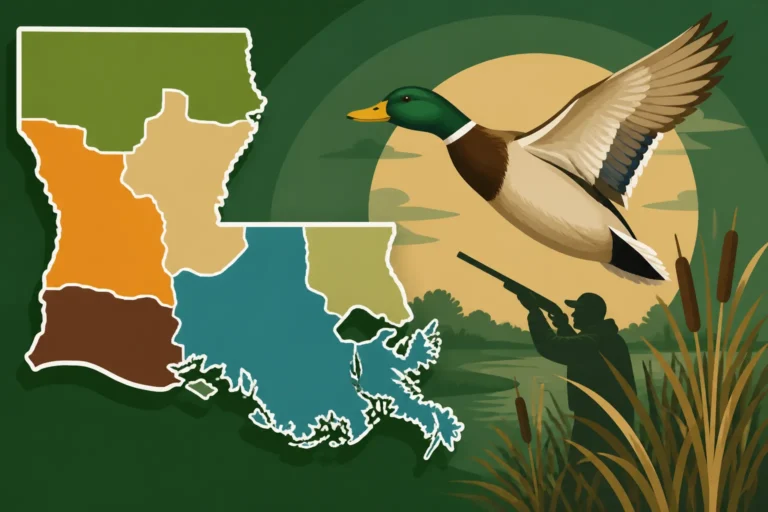
The recreational alligator season isn't a free-for-all. Each year, the LDWF allocates a specific, limited number of alligator tags. These tags are distributed across various Louisiana Alligator Zone Allocations throughout the state. The number of tags issued is directly tied to scientific population surveys and management goals, ensuring that the harvest remains sustainable and doesn't negatively impact the overall alligator population. The demand for these tags, even among Louisiana residents, is incredibly high. There are far more residents who want to hunt alligators than there are available tags. If the lottery were opened to non-residents, the demand would skyrocket, making the odds of drawing a tag infinitesimally small for everyone, including residents. It would dilute the opportunity to a point where it might not even be worth applying for many.
To apply, residents typically go through an online portal, much like how you might use a resource like GoHunt to research hunting units or application strategies in other states. While GoHunt might not specifically detail the Louisiana alligator lottery application, it highlights the importance of understanding application windows and odds, which are crucial for this process. The application window is usually announced well in advance, and hopeful hunters put their names in the hat. For a deeper dive into the application process, check out Applying for the Alligator Recreational Lottery.
The Mechanism of the Draw
Once the application period closes, the LDWF conducts a random drawing to select successful applicants. Each successful applicant receives a specific number of tags, typically ranging from one to three, depending on the zone and allocation. These tags are then physically issued, marked with unique identifiers, and are tied directly to the regulations of the alligator season. The system ensures fairness among residents, giving everyone an equal shot at participating in a truly unique hunting experience, without the added competition from an international pool of hunters. If you're successful in the draw, you'll want to brush up on Louisiana Alligator Legal Methods to ensure you're prepared.
Here's a simplified overview of how the alligator lottery contrasts with other hunting opportunities:
| Feature | Louisiana Recreational Alligator Lottery (Resident Only) | Most Other Louisiana Big Game/Small Game (Resident & Non-Resident) | Guided Alligator Hunts (Private Land) |
|---|---|---|---|
| Eligibility | Louisiana Residents Only | Residents & Non-Residents (different license fees) | Residents & Non-Residents |
| Tag Allocation | Limited, Lottery-based | Over-the-counter or specific tag limits | Private land owner tags, often acquired by guide |
| Primary Goal | Recreational opportunity for residents, population management | Recreational opportunity, population management | Commercial, recreational hunting |
| Competition | High among residents | Varies by species, season, and public land pressure | Less, due to higher cost and guided service |
| Direct State Funding | Significant through resident licenses/taxes | Significant through all license sales | Indirectly through guide licenses |
The Economic and Ecological Rationale Behind Resident-Only Tags
Beyond just historical precedent and funding, there are concrete economic and ecological reasons why the resident-only rule makes sense for Louisiana's recreational alligator season.
Sustaining Local Conservation Efforts
The alligator population is a remarkable comeback story, and its continued health relies heavily on sound conservation practices. By keeping the recreational lottery resident-only, the state ensures that the people who have the most direct stake in the long-term health of Louisiana's ecosystems – its residents – are the ones directly participating in the managed harvest. This fosters a sense of stewardship and responsibility within the local community. These local hunters are often the first to report issues, participate in local conservation groups, and advocate for responsible land and water use. It ties the management of the species directly to the local population that benefits from its existence in various ways, including tourism, fur/hide industries, and ecological balance.
Preventing Over-Commercialization of a Public Resource
Louisiana's commercial alligator harvest is already a robust industry, providing jobs and economic benefit through hides and meat. The recreational lottery, however, is distinct. It’s about providing a unique public hunting opportunity, not expanding commercial operations. If non-residents could freely enter, there would be immense pressure from guides and outfitters to acquire these tags, potentially driving up costs and shifting the focus from a recreational opportunity for local hunters to a more commercialized endeavor. The current system keeps a clear distinction between the commercial harvest, which is heavily regulated and often tied to private landowners, and the recreational lottery for public resource access. This ensures that the resource remains primarily accessible to those who fund its direct management.
Managing Hunting Pressure and Local Impact
Louisiana is a hunting paradise, attracting enthusiasts for everything from Waterfowl Hunting the Louisiana Coastal Marsh to Bowhunting Louisiana's Long Archery Season. Introducing non-resident demand for alligator tags would significantly increase hunting pressure on these unique aquatic environments. Alligator hunting requires specific knowledge of the local waterways, habitat, and alligator behavior. Overwhelming these areas with an influx of new hunters could lead to more incidents, reduced success rates, and potential conflicts, especially in sensitive wetlands. By limiting it to residents, the state maintains better control over who is participating, ensuring that hunters generally have a stronger understanding of local conditions and regulations.
Alternative Avenues for Non-Residents to Hunt Alligators in Louisiana
So, if you’re a non-resident with that alligator hunting itch, does this mean you’re completely out of luck in Louisiana? Absolutely not! While the recreational lottery is off-limits, there are still excellent opportunities to experience alligator hunting in the Pelican State.
Guided Hunts on Private Lands
The most common and accessible route for non-residents, and even many residents who prefer a guided experience, is to book a hunt with a licensed alligator outfitter or guide on private land. Many private landowners in Louisiana have allocated alligator tags as part of their property management plans. These tags are often obtained through different channels than the recreational lottery, allowing landowners to manage alligator populations on their own property. Outfitters work with these landowners to provide guided hunts.
These guided hunts offer a fantastic experience. You'll often be with an experienced guide who knows the local marsh or swamp intimately, understands alligator behavior, and can help you navigate the unique challenges of alligator hunting. This often includes everything from setting lines to the exhilarating process of Landing an Alligator From a Small Boat. While these hunts come with a higher price tag than a lottery tag, they offer a near-guaranteed opportunity and an incredible adventure. Many reputable outfitters provide all the necessary equipment, instruction, and even processing services. You can research these options, using platforms similar to how you'd use GoHunt to find a deer outfitter in another state, by looking for reviews and contacting guides directly. Learning about What a Guided Louisiana Alligator Hunt Costs will give you a good starting point for planning.
Understanding Commercial Versus Recreational Tags
It's important to differentiate between commercial tags and recreational lottery tags. The tags used by guides on private land are typically tied to the commercial harvest program, managed through landowners. These landowners are given tags based on surveys of alligator nests and populations on their specific property. The recreational lottery tags, on the other hand, are allocated for general public hunting access on public waters or specific WMAs. This distinction is key to understanding why non-residents have options on private land but not in the public recreational lottery.
When planning a guided trip, always make sure your guide is fully licensed and operates legally. They should be able to clearly explain where and how your hunt will take place, and what is included in the package. Many non-residents successfully come to Louisiana each year and have an incredible time Booking an Alligator Hunt as a Lottery Winner, even if they didn't win the state lottery themselves, because they are hunting under a guide who secured their tags through other means. It's truly a bucket-list experience that's still very much within reach!
Disclaimer
Please remember that hunting regulations, fees, and season dates can change. Always consult the most current Louisiana Department of Wildlife and Fisheries (LDWF) regulations and official publications before planning any hunting trip. This article is intended for informational purposes only and does not supersede official state regulations.