Why Cubs Under Seventy-Five Pounds Are Off-Limits
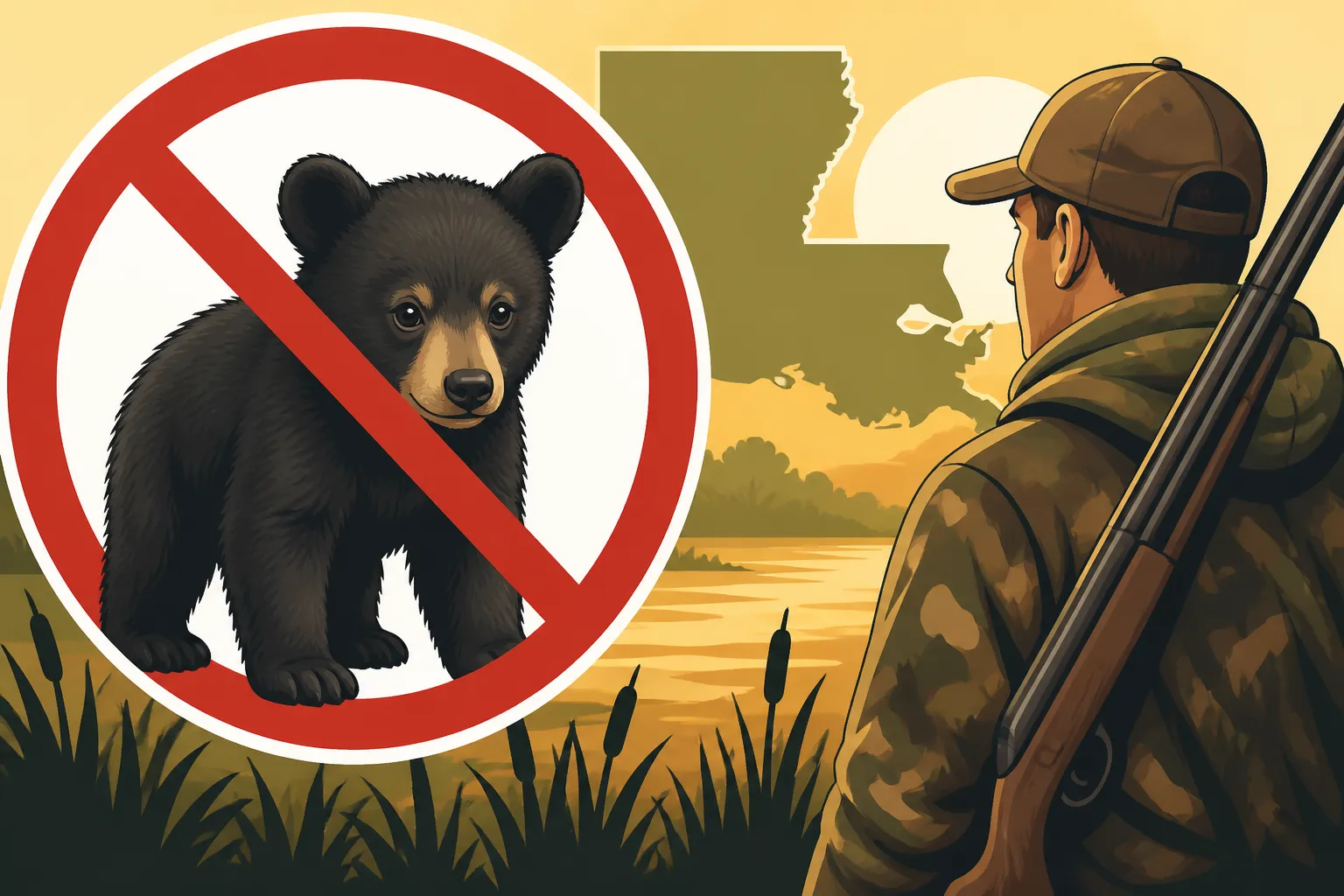
One of the trickiest parts of ethical hunting, especially when it comes to recovering species, is making absolutely certain you're targeting the right animal. For those of us drawn to the challenge and unique experience of Louisiana's Reinstated Black Bear Lottery, this means navigating a very specific regulation: why cubs under seventy-five pounds are strictly off-limits. It's a rule that can cause some head-scratching, especially for new bear hunters, but understanding the biological reasons behind it is key to successful, sustainable hunting. This guide will walk you through exactly why this weight restriction exists and how it contributes to the health of Louisiana's impressive black bear population.
Understanding Louisiana's Black Bear Population Recovery
For generations, the idea of hunting black bears in Louisiana was just a pipe dream. Our bear population faced severe challenges, dwindling to critically low numbers. But through dedicated conservation efforts, those numbers have climbed, allowing us a carefully managed season. This success story is precisely why regulations like the 75-pound cub minimum are so vital.
A History of Decline and Resurgence
Back in the day, the Louisiana black bear, a subspecies unique to our state, was nearly wiped out. Habitat loss and unregulated hunting pushed them to the brink. It was a dire situation, but thanks to the tireless work of the Louisiana Department of Wildlife and Fisheries (LDWF) and numerous conservation partners, a significant recovery has occurred. This involved habitat restoration, protective measures, and careful monitoring. Today, we have three distinct subpopulations: the Tensas Basin, the Atchafalaya Basin, and a smaller coastal population near Terrebonne. These populations are still relatively fragile compared to those in other states, making every individual bear crucial to the overall health of the species. When we consider How Many Black Bears Louisiana Has, it’s clear that responsible management is paramount to ensure their continued presence in our bayous and forests.
The Importance of Sustainable Management
Any time a species recovers enough to allow for a hunting season, that season must be managed with an extremely light touch. The goal isn't to simply harvest as many animals as possible, but to allow for a limited, controlled take that doesn't jeopardize the long-term health or growth of the population. This is particularly true for a species like the black bear, which has a relatively slow reproductive rate. Regulations, including bag limits, season dates, and specific harvest restrictions like the cub weight limit, are all designed to ensure that the hunt remains sustainable. These rules are built on scientific data and a deep understanding of bear biology, protecting the breeding stock and ensuring recruitment of new bears into the population. It's a privilege to participate in the season, and with that privilege comes a great responsibility to uphold these conservation principles.
The Biological Imperative: Protecting Sows and Cubs
The 75-pound rule isn't some arbitrary number; it's a carefully considered threshold rooted in black bear biology and the critical need to protect young, dependent bears and their mothers. This regulation is arguably the most important one when it comes to ensuring the future of our bear population.
The Role of Maternal Care in Cub Survival
Bear cubs are born tiny, blind, and utterly dependent on their mothers. They spend their first few months in the den, nursing and growing. When they emerge in spring, they stick close to the sow, learning everything they need to survive: where to find food, how to recognize and avoid danger, and how to navigate their complex environment. A sow will typically keep her cubs with her for at least 16 to 18 months, often into their second spring. During this crucial period, the cubs are essentially helpless without their mother's guidance and protection. If a sow is harvested, her dependent cubs face an incredibly slim chance of survival. They simply haven't acquired the necessary skills to forage efficiently, find shelter, or escape predators on their own. This tragic ripple effect can devastate local bear recruitment and seriously undermine conservation efforts.
Why 75 Pounds is the Critical Threshold
The 75-pound minimum weight limit for harvested bears serves as a practical, observable proxy for age and independence. A bear cub that weighs less than 75 pounds is almost certainly still with its mother or has only very recently separated and remains highly vulnerable. By setting this clear, measurable benchmark, LDWF aims to achieve several critical conservation objectives:
- Preventing the Accidental Harvest of Dependent Cubs: It directly protects the youngest, most vulnerable bears who are still learning the ropes of survival from their mothers.
- Minimizing the Risk to Sows with Cubs: If hunters are forced to wait for a larger, clearly independent bear, it drastically reduces the chance of mistakenly harvesting a sow that has dependent cubs nearby, even if those cubs aren't immediately visible. This rule acts as a double layer of protection, safeguarding both the young and their primary caretaker.
- Promoting Hunter Responsibility: It puts the onus squarely on the hunter to make a positive identification, encouraging them to be patient, observe the animal thoroughly, and pass on any questionable shot. It's far better to let a smaller bear walk than to risk harming the population.
This regulation reinforces the concept that we, as hunters, are partners in conservation. By adhering strictly to this 75-pound rule, we actively contribute to the long-term health and growth of Louisiana's Recovering Black Bear population, ensuring that future generations can also experience the thrill of a bear hunt.
Navigating the Regulations and Hunter Responsibility
Hunting a species like the Louisiana black bear comes with heightened responsibilities, and knowing how to accurately identify a legal animal in the field is paramount. This isn't just about following rules; it's about upholding the integrity of the hunt and safeguarding a recovering species.
LDWF Guidelines for Bear Identification
The Louisiana Department of Wildlife and Fisheries is very clear on its expectations for bear hunters. Before you even apply for Applying for a Louisiana Bear Lottery Tag, you'll learn about these critical identification rules. One of the best resources for this is the Attending the Mandatory Bear Hunter Course, which covers detailed strategies for distinguishing between legal bears and those under the 75-pound limit.
Here’s what LDWF emphasizes:
- Observe Behavior: Younger cubs often exhibit playful, curious behavior and tend to stay very close to their mother. If you see a bear that looks like it's constantly looking back or waiting for another, smaller bear, it's a huge red flag. An independent bear will typically move with more purpose, often alone.
- Look for Companions: The golden rule is: if you see a cub, assume the sow is nearby, even if you can't spot her immediately. Never take a shot if there's any indication of a sow-cub pair. Even if you only see one small bear, it could still be a dependent cub whose mother is just out of sight.
- Size Comparison: Without a frame of reference, judging a bear's weight can be tough. Look for objects in the environment that can provide scale – a fallen log, a tree trunk, a known-size bush. A truly independent, legal bear will look substantial. If it looks "shaggy" or "leggy" compared to its body, it might be a younger, smaller animal. The 75-pound mark is roughly the size of a very large dog, but bears are deceptive. A good rule of thumb is if you have to question it, pass.
- Patience is Key: Don't rush the shot. Use binoculars or a spotting scope to study the animal thoroughly. Wait for it to move, turn, and give you multiple angles. If you're on a public land hunt, remember that other hunters might also be out there, so extreme caution is always warranted. Tools like GoHunt can help you scout and understand the terrain beforehand, giving you a better sense of potential stand locations and shooting lanes where you might get a clearer view.
Ethical Considerations and the Hunter's Role
Beyond the regulations, there's an inherent ethical obligation for every hunter to make responsible decisions in the field. For bear hunting, this means prioritizing conservation over harvest opportunity. A truly ethical hunter will:
- Prioritize Positive Identification: There should be zero doubt that the bear is a legal animal. If you have any hesitation, any "what if" in your mind, then the decision is simple: pass. The opportunity will come again, but a mistake could set back years of conservation work.
- Understand the Consequence of Error: Harvesting a cub or a sow with dependent cubs isn't just a violation of the law; it's a significant setback for the local bear population. It's a mistake that can haunt a hunter and damage the reputation of the hunting community.
- Practice Self-Restraint: The excitement of seeing a bear can be intense, but maintaining composure and exercising patience is crucial. Take a deep breath, assess the situation, and only proceed when you are absolutely certain.
| Bear Identification Tip | Description | Why It Matters |
|---|---|---|
| Observe Behavior | Look for playful actions, constant looking back, or hesitation; independent bears move with purpose. | Cubs are dependent and exhibit different behaviors, often staying close to their mother. |
| Look for Companions | Always assume a sow is nearby if you see a cub, even if not immediately visible. Never shoot if multiple bears are present. | Harvesting a sow leaves cubs to perish; harvesting a cub impacts future recruitment. |
| Size Comparison | Use natural objects (logs, trees) for scale. A legal bear will appear stout and large, not "leggy." | Bears can be deceptive in size. The 75-pound rule is a critical threshold for independence. |
| Patience and Optics | Use binoculars/scope to observe for several minutes. Wait for clear views before making a decision. | Rushing leads to mistakes. Clear identification prevents illegal or unethical harvest. |
| If in Doubt, Pass | If you have any uncertainty about a bear's size or status, do not take the shot. | Err on the side of caution to protect the recovering Louisiana black bear population. |
The Long-Term Vision for Louisiana Bear Hunting
The existence of a black bear hunting season in Louisiana is a testament to successful conservation. For it to continue, every hunter must play a role in upholding the strict, biologically-driven regulations.
Ensuring Future Opportunities
The 75-pound cub rule, along with other strict regulations laid out in Louisiana Bear Legal Harvest Rules, isn't designed to make hunting harder; it's designed to make it possible in the long run. By protecting the most vulnerable segments of the population—young, dependent bears—we are directly contributing to the recruitment of future generations into the breeding pool. This ensures that the population remains robust enough to sustain limited hunting pressure. Without these safeguards, the bear population could quickly decline again, leading to the closure of the season, potentially for good. Every bear that is correctly identified and legally harvested, and every bear that is passed on because it doesn't meet the criteria, contributes to the health and longevity of this incredible hunting opportunity. This forward-thinking approach is what allows us to discuss topics like How Many Bears Louisiana's Second Season Took with optimism.
Impact on the Overall Bear Population
Protecting cubs under 75 pounds has a profound impact on the overall health and demographic stability of the Louisiana black bear population. Cubs represent the future. By allowing them to mature under their mother's care, they have a much higher chance of reaching reproductive age, thereby adding to the overall genetic diversity and growth of the bear population. This approach safeguards the critical "breeding capital" of the species. When you look at the larger picture of Louisiana's Three Bear Subpopulations – the Tensas, Atchafalaya, and coastal bears – each individual contribution to conservation, however small, helps bolster these groups. The rules ensure that the harvest is focused on adult, independent males (boars) or older, independent females (sows) who have already contributed to the breeding cycle, rather than inadvertently culling the next generation or eliminating a reproductive female with dependent young. This careful balance is what allows the black bear to thrive and Louisiana hunters to enjoy the privilege of pursuing them for years to come.
Disclaimer
Please note: Hunting regulations can change. Always consult the official Louisiana Department of Wildlife and Fisheries (LDWF) website and current hunting regulations pamphlet before heading into the field to ensure you have the most up-to-date and accurate information.