Louisiana Alligator Zone Allocations
The excitement of alligator hunting in Louisiana is undeniable, but the path to getting on the water can feel like navigating a dense swamp of regulations and lottery systems. Many hopeful hunters find themselves scratching their heads, wondering how the state’s alligator zones are divided, what their specific allocations mean, and how to even begin making sense of the application process. This guide is dedicated to demystifying Louisiana's alligator zone allocations, providing a clear, in-depth look at how these zones are structured, why they’re in place, and what you need to know to pursue an alligator tag successfully.
The Foundation of Louisiana's Alligator Management
Before we dive into the nitty-gritty of the zones themselves, it’s crucial to understand the philosophy behind them. Louisiana’s alligator program is a shining example of successful wildlife conservation, bringing the American alligator back from the brink of extinction. This isn't just about giving hunters an opportunity; it's about a carefully managed system that ensures the long-term health and stability of the alligator population while also providing significant economic benefits to the state.
The Historical Context of Alligator Recovery
It's hard to imagine now, but not too long ago, American alligators were severely endangered. Decades of unregulated hunting and habitat destruction pushed their numbers to alarmingly low levels by the mid-20th century. Louisiana, with its vast wetlands and waterways, was once a stronghold for these reptiles, and their decline was a stark reminder of human impact. However, through robust conservation efforts, including strict hunting regulations, habitat protection, and the establishment of sustainable farming practices, the alligator made an incredible comeback. By the late 1980s, the species was fully recovered and removed from the endangered species list.
This recovery wasn't accidental; it was the result of proactive management by the Louisiana Department of Wildlife and Fisheries (LDWF). They understood that to maintain a healthy population, they needed to implement a system that balanced harvest with sustainability. The recreational alligator season, and by extension, the zone allocation system, is a direct outcome of this successful recovery, allowing for controlled take that prevents overharvesting and ensures that alligator populations continue to thrive for generations to come. It’s a delicate balance, and the zone system is a primary tool for achieving it.
Why Zone Allocations Are Crucial for Sustainability
Imagine if everyone could hunt alligators anywhere in Louisiana at any time. The impact on the population would be catastrophic, quickly undoing decades of conservation work. This is precisely why zone allocations are so vital. They allow the LDWF to manage the alligator harvest on a localized level, accounting for variations in habitat quality, population density, and even hunting pressure across different parts of the state.
By dividing the state into specific zones, the LDWF can allocate a precise number of tags to each area. This ensures that no single region is overhunted, and that harvest numbers align with the reproductive capacity and population estimates of alligators within that particular zone. For instance, a marshy coastal zone with abundant alligator habitat and high population density might receive more tags than an inland area with fewer suitable wetlands. This granular approach is what makes the recreational alligator program both thrilling for hunters and sustainable for the species, directly contributing to the state's ongoing commitment to wildlife management, a topic thoroughly explored in discussions about Louisiana's New Recreational Alligator Season.
The Role of the LDWF in Alligator Conservation
The Louisiana Department of Wildlife and Fisheries is the architect and administrator of this entire system. Their wildlife biologists and enforcement agents are constantly monitoring alligator populations, conducting surveys, and analyzing harvest data to make informed decisions about zone boundaries and tag allocations each year. They are the ones on the ground, assessing nest success, tracking alligator movements, and ensuring compliance with regulations.
Beyond setting seasons and limits, the LDWF also manages critical alligator habitat, responds to nuisance alligator complaints, and educates the public about these incredible reptiles. Their role is multifaceted, extending far beyond simply handing out tags. They represent the scientific backbone of the program, ensuring that every tag allocated, every zone defined, and every regulation enforced serves the greater purpose of conservation. This intensive management is crucial, especially when considering the significant How Many Alligators Louisiana Has and their wide distribution across diverse habitats.
The Geographical Breakdown of Alligator Zones
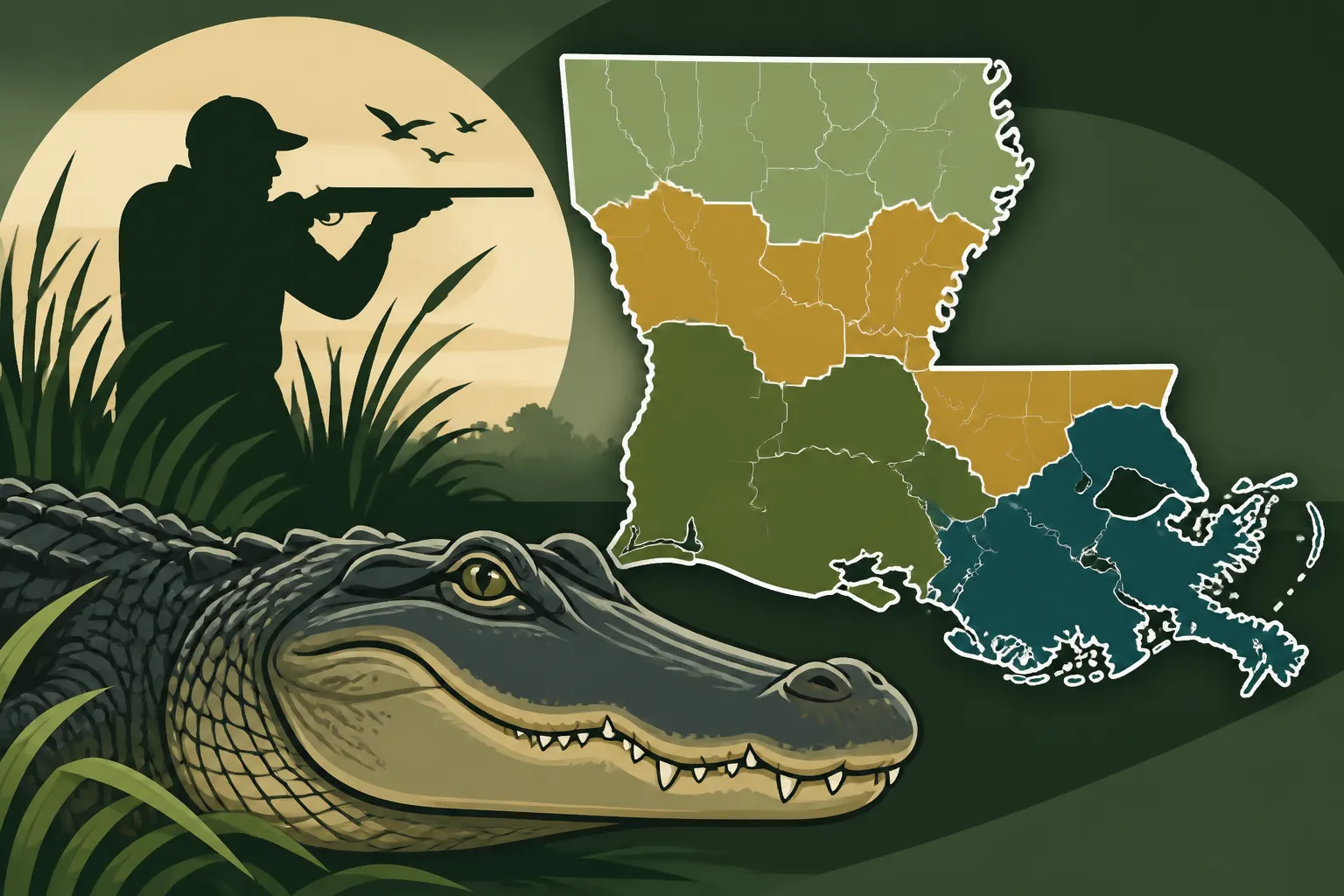
Louisiana’s alligator zones are meticulously defined areas, each with its own characteristics and tag allocations. Understanding these divisions is the first step in planning your alligator hunt. These zones are not arbitrary lines on a map; they reflect the natural distribution and density of alligators across the state’s incredibly diverse landscape.
Mapping Out the State's Alligator Habitat
Louisiana is a tapestry of bayous, swamps, marshes, and lakes, and alligators thrive in almost all of it. To manage them effectively, the LDWF has carved the state into specific alligator hunting zones. These zones generally follow existing parish lines or significant geographical features like major rivers and canals, making them easier to identify and enforce. While the exact number and boundaries can occasionally be adjusted based on population data and management needs, they typically remain fairly consistent from year to year.
These zones are essentially management units, designed to isolate populations for better oversight. This allows the LDWF to track harvest rates and population trends within specific areas, making it possible to identify regions where alligator numbers might be robust enough to sustain a higher harvest, or areas that might need a more conservative approach. It’s a sophisticated system that acknowledges the varied ecological conditions across Louisiana, ensuring that management strategies are tailored to local realities.
Specific Characteristics of Key Zones
While it’s impossible to detail every single zone here, we can highlight some general distinctions. Broadly speaking, Louisiana's alligator zones can be categorized into coastal marsh zones and inland swamp/riverine zones.
-
Coastal Marsh Zones: These are typically found in the southern parishes, bordering the Gulf of Mexico. Think parishes like Cameron, Vermilion, Terrebonne, and Plaquemines. These areas are characterized by vast expanses of brackish and saltwater marsh, intertwined with countless bayous, ponds, and lakes. Alligator populations here are often very robust due to abundant food sources and prime nesting habitat. Hunters in these zones might experience very different conditions and tactics compared to inland areas, often involving boat-based hunting in expansive, open-water marsh. Zones B and C, for example, which often include large portions of coastal marsh, frequently receive a significant portion of the tags due to high alligator density. For those dreaming of trophy gators, understanding Where Louisiana's Biggest Alligators Live often points towards these nutrient-rich coastal environments.
-
Inland Swamp and Riverine Zones: These zones are found further north, encompassing the cypress-tupelo swamps of the Atchafalaya Basin, the river systems of the Tensas Basin, and numerous other freshwater wetlands. Parishes like St. Martin, Iberville, Assumption, and parts of Concordia and Tensas would fall into these types of zones. Hunting here often involves navigating dense timber, tight waterways, and accessing areas that might be less exposed than the open marsh. Alligator populations are still strong, but densities might differ, and access can be more challenging. These zones offer a unique hunting experience, often in more secluded and picturesque swamp settings.
Understanding Zone Boundaries and Neighboring Parishes
When you apply for a lottery tag, you’re applying for a specific zone, not just a general permit. It’s absolutely critical to know the precise boundaries of your chosen zone. The LDWF provides detailed maps, often overlaid on parish maps, to show exactly where each zone begins and ends. Many zones will encompass parts of several parishes or be defined by specific waterways.
Here’s a practical tip: Before you even think about applying, pull up the LDWF alligator zone maps. Familiarize yourself with the areas you might want to hunt. If you're looking at a particular private lease or a WMA, confirm which alligator zone it falls into. Misunderstanding a zone boundary could lead to severe penalties if you mistakenly harvest an alligator outside your allocated area. Think of it like deer hunting areas; just because you’re in a certain parish doesn’t automatically mean you’re in the zone you think you are. Always verify. This also ties into the complex regulations surrounding Louisiana Alligator Legal Methods, which can vary slightly by zone or even WMA.
Applying for an Alligator Lottery Tag
Securing an alligator tag in Louisiana is primarily done through a public lottery system. This makes the tags highly coveted and the application process something you need to approach with careful planning. It's not just about luck; it's about understanding the system.
Eligibility and Residency Requirements
First and foremost, eligibility is key. For the recreational alligator lottery, only Louisiana residents are eligible to apply. This is a significant point that often frustrates out-of-state hunters, but it's a longstanding policy designed to prioritize opportunities for residents. If you're a nonresident looking for an alligator hunting experience, your primary avenue would be through a licensed alligator outfitter or through participation in Louisiana's alligator farming program on private lands where commercial tags are issued, as outlined in Why Only Residents Can Enter the Alligator Lottery.
Beyond residency, you'll need to possess a valid Louisiana hunting license and potentially other certifications, such as a basic hunting license and a recreational alligator license. Always double-check the current year's regulations on the LDWF website for any specific requirements or changes. Typically, applicants must be at least 16 years old.
The Application Process and Timeline
The alligator lottery application window usually opens in late spring and closes in early summer. This is a critical period you absolutely cannot miss. Applications are submitted online through the LDWF's official licensing portal. When you apply, you'll be able to select your preferred hunting zones. Most years, you can choose up to five preferred zones, ranking them from your first to fifth choice. This is where your research into specific zones pays off.
Once the application window closes, the LDWF conducts a random drawing. Successful applicants are then notified, usually by mail and email, and their results are often posted online. If you are drawn, you'll be allocated a specific zone and a set number of tags (usually two alligators per tag, minimum length 4 feet). You then have a window to accept and pay for your allocated tags. Missing this payment deadline can result in forfeiture, and your tags might be reallocated to another hunter.
Consider using tools like GoHunt to help you keep track of application deadlines and draw results for various seasons, including Louisiana's unique alligator lottery. While GoHunt is generally known for Western big game, many hunters leverage its data and calendar features to stay organized for any critical hunting application, helping to ensure they don't miss that crucial window to apply for Applying for the Alligator Recreational Lottery or other limited-entry opportunities.
Here's a simplified timeline:
| Activity | Typical Timing | Notes |
|---|---|---|
| Application Period Opens | Late April / Early May | Submit online via LDWF portal. |
| Application Period Closes | Late May / Early June | Hard deadline; don't miss it! |
| Lottery Drawing Conducted | Mid-June | Random drawing based on zone selections. |
| Notification of Results | Late June / Early July | Via mail, email, and online portal. |
| Tag Acceptance & Payment Due | Mid-July | Critical deadline to secure your tags; usually ~10 days. |
| Alligator Season Opens | Late August | Hunt dates are specific to the current year. |
| Alligator Season Closes | Late September | Typically runs for about 30 days. |
Note: These dates are approximate and can vary slightly each year. Always consult the official LDWF regulations for the most current information.
Understanding Your Chances: Draw Odds and Popular Zones
The reality of a lottery system is that not everyone who applies will get a tag. Draw odds vary significantly by zone. Generally, zones with higher alligator populations, better access, or a reputation for producing larger gators will be more popular and therefore have lower draw odds. Coastal marsh zones, for instance, often see intense competition. Inland zones that are harder to access or perceived to have slightly lower densities might have better odds.
It's a strategic decision: do you apply for your dream zone, knowing the odds are slim, or do you choose a less popular zone where your chances are better, even if the hunting might be more challenging or less "glamorous"? Many hunters opt for a mix, putting a highly desired zone as their first choice and then progressively selecting zones with higher historical draw odds for their subsequent choices. Researching past year's draw statistics, if available, can give you a rough idea, but remember that applicant numbers change annually. If you’re really serious about increasing your odds, branching out into less competitive zones might be a smart move.
Factors Influencing Zone Allocation and Tag Numbers
The LDWF doesn't just pull numbers out of a hat. The allocation of alligator tags to each zone is a science-backed process, driven by biological data and careful management objectives. This ensures the program remains sustainable.
Population Surveys and Scientific Data
The backbone of alligator management is robust scientific data. LDWF biologists conduct regular population surveys across the state. This includes aerial counts, night spotlight counts, nest mound surveys, and capture-recapture studies. They track clutch sizes, hatchling success, and overall alligator density within each zone. This isn't a one-time thing; it's an ongoing, year-round effort.
By understanding the health and reproductive potential of alligator populations in each specific zone, biologists can accurately estimate how many alligators can be harvested without negatively impacting the long-term population. If a zone shows strong population growth and high recruitment of young alligators, it might be able to sustain a higher tag allocation. Conversely, if a zone experiences a downturn in population due to environmental factors or other stresses, its tag allocation might be reduced to allow for recovery. This scientific approach is critical to the program's success and is often discussed in broader terms regarding Louisiana’s Louisiana Alligator Farming Industry, which also relies on sustainable population dynamics.
Habitat Conditions and Environmental Factors
Alligators are inextricably linked to their habitat. The quality and extent of wetlands, swamps, and bayous directly influence alligator populations. Factors like rainfall, drought, hurricane impacts, and coastal erosion all play a significant role. A severe drought, for example, can concentrate alligators in fewer water bodies, making them more vulnerable, or it can negatively impact nesting success. A major hurricane could drastically alter marsh habitat, affecting alligator distribution and survival.
The LDWF constantly monitors these environmental factors. If a zone has experienced significant habitat degradation or a natural disaster that might have impacted alligator populations, the tag allocation for that zone could be adjusted downwards. Conversely, if restoration efforts have improved habitat quality in a particular area, that could eventually lead to increased alligator numbers and potentially more tags. It's a dynamic system, and nature's whims have a direct bearing on hunting opportunities.
Harvest Quotas and Management Goals
Ultimately, the zone allocations and tag numbers are tied to specific harvest quotas and broader management goals. The primary goal is always sustainable utilization, meaning ensuring that recreational hunting contributes to conservation and doesn't jeopardize the species. The LDWF has long-term population objectives for alligators across the state.
These management goals also consider factors beyond just numbers, such as maintaining a healthy age structure within the alligator population (not just harvesting all the largest individuals). They aim to minimize human-alligator conflicts, which can arise when alligator populations become too dense in certain areas. By setting precise quotas for each zone, the LDWF can fine-tune the harvest to achieve these varied objectives, ensuring that the alligator population remains healthy, balanced, and a valuable resource for Louisiana. This diligent approach is also mirrored in the management of other iconic species, as seen in the details of Louisiana's Recovering Black Bear program.
Navigating Your Alligator Tag and Zone Once Drawn
Congratulations! You've successfully drawn an alligator tag. Now the real work (and excitement) begins. Having a tag for a specific zone comes with its own set of responsibilities and preparations.
Permit Details and Legal Obligations
Once you've paid for your tags, you'll receive your official alligator hunting permit. This permit will clearly state your designated zone, the number of alligators you are allowed to harvest, and the season dates. It's imperative to review every detail carefully.
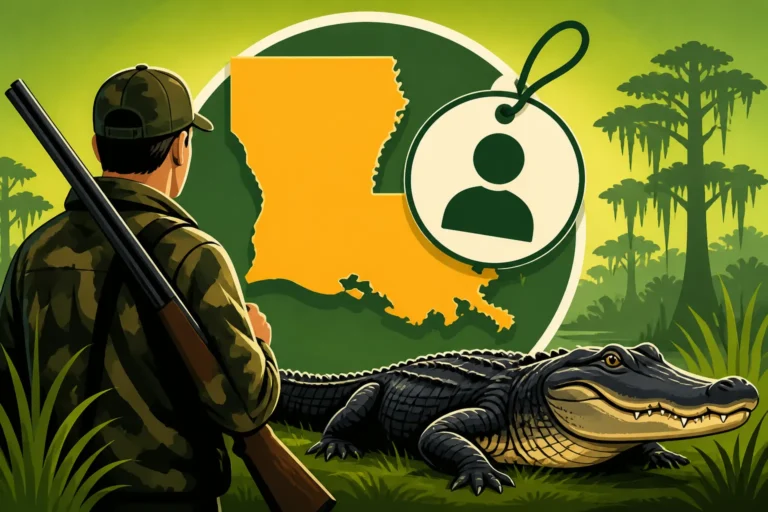
Each alligator tag itself is physically attached to a locking harvest tag, similar to a deer tag. You must immediately attach this tag to the alligator upon harvest, before it's moved from the site of kill. Failing to do so can result in serious legal penalties. Additionally, you'll be required to report your harvest to the LDWF, often through an online portal or a designated check station, within a specified timeframe. There are also strict rules about the minimum length of alligators that can be harvested, typically 4 feet. Understanding all these nuances is critical to a legal and successful hunt, and many of these rules are covered comprehensively in discussions about Louisiana Alligator Legal Methods.
Finding Access Within Your Designated Zone
Drawing a tag for a zone is one thing; finding a place to hunt within that zone is another. This is often the biggest challenge for lottery winners. While some lottery tags are allocated for specific WMAs or public lands, many are for general zones, meaning you'll need to secure access to private property within that zone.
- Private Land: If you have friends or family with land in your zone, that's often the easiest route. Otherwise, you'll need to start knocking on doors, seeking permission from landowners or leasing agents. Be prepared for potential rejection, as alligator hunting access on private land can be highly sought after.
- Public Lands/WMAs: Some Wildlife Management Areas (WMAs) and National Wildlife Refuges (NWRs) within your zone might offer alligator hunting opportunities, but these often have their own specific lottery or sign-up processes, or they might be included in the statewide lottery. You must check WMA-specific regulations well in advance. Resources like the LDWF WMA maps and even apps like GoHunt can help you identify public land parcels within your zone, but always confirm the specific hunting rules for alligators on those properties. Remember, simply being in a zone doesn't automatically grant public land access.
Preparing for Your Hunt: Scouting and Gear Considerations
Once you have your tag and have secured access, it's time to prepare. Alligator hunting requires specialized gear and a significant amount of scouting.
- Scouting: This is non-negotiable. Spend time in your zone, especially during low-light conditions, to locate alligators. Look for active trails, slides, and visible gators. Pay attention to water levels, access points, and potential areas where you can set lines or approach. Use mapping tools to identify promising water bodies, deeper channels, and potential bedding areas. GoHunt's satellite imagery and land ownership layers can be invaluable for identifying potential access points, remote water bodies, and even areas with good habitat within your specific zone. Being able to mark potential line sets or scout entry routes digitally before you even hit the water can save you a ton of time and effort.
- Gear: You'll need a sturdy boat, preferably a flat-bottom or john boat, capable of navigating shallow water and dense vegetation. Essential gear includes strong fishing rods or hand lines for setting baits, heavy-duty hooks, and enough stout rope to secure alligators. A bangstick or firearms (check regulations for caliber requirements) are needed for dispatch, along with a bright spotlight for night hunting. Don’t forget proper safety gear, including PFDs, first-aid kits, and communication devices. Understanding the best approach to Snatch-Hook Alligator Tactics or Hook-and-Line Alligator Setups will also inform your gear choices.
- Patience and Persistence: Alligator hunting is not always easy. It can be physically demanding, hot, and humid. Be prepared for long nights and challenging conditions. But the reward of harvesting one of these magnificent creatures, knowing you're participating in a truly unique and sustainable hunting tradition, is an experience unlike any other in the Sportsman's Paradise.
Disclaimer
Always consult the official Louisiana Department of Wildlife and Fisheries (LDWF) regulations and publications for the most current and accurate information regarding alligator hunting seasons, zones, license requirements, and legal methods. Regulations can change annually, and it is the hunter's responsibility to be fully informed and compliant.