Hunting Small Woodlots Near Suburban Baton Rouge
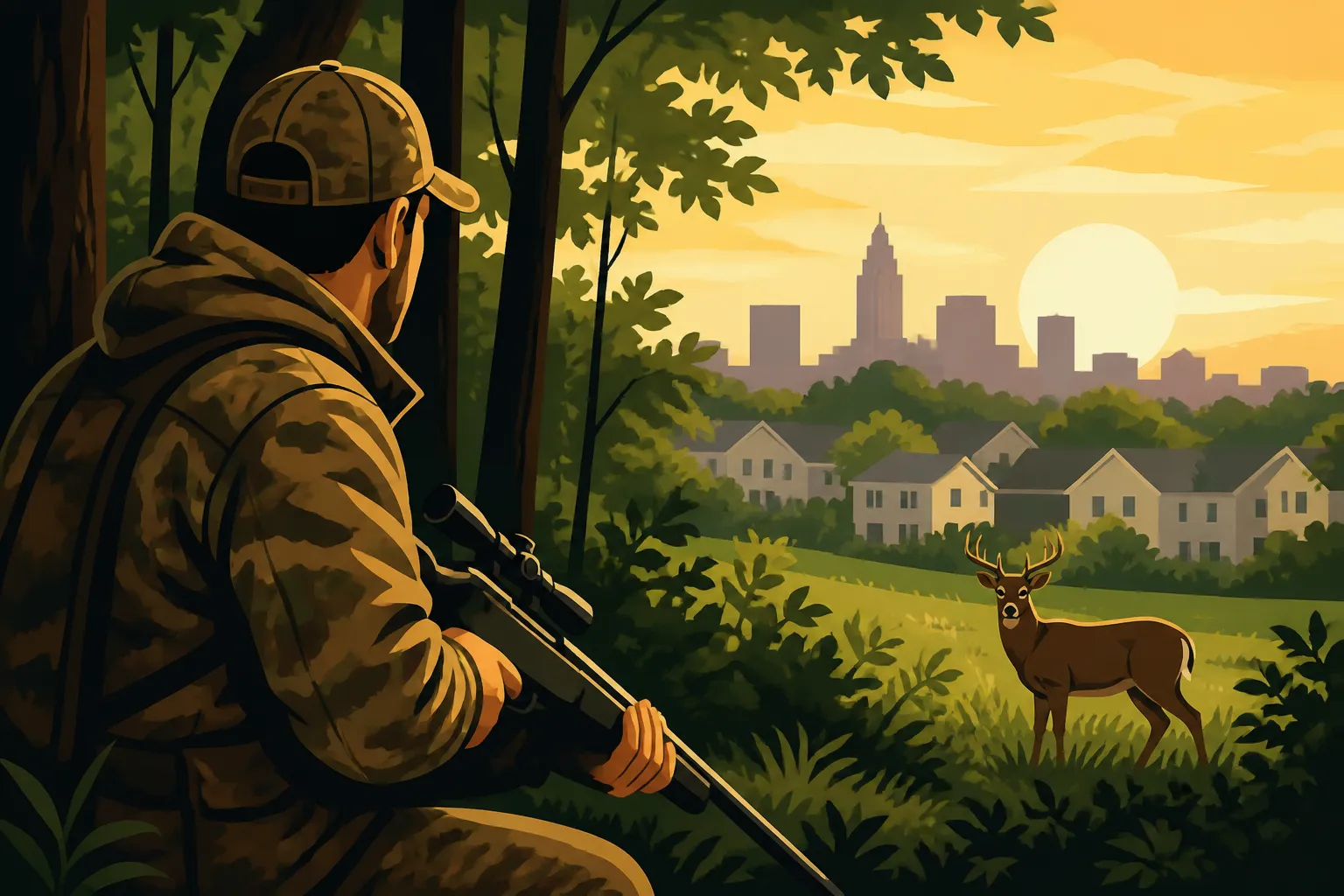
Hunting around a bustling city like Baton Rouge can feel like an impossible task. Many hunters grow frustrated, thinking all the good spots are either leased up by clubs or swallowed by urban development, leaving them feeling like they're driving hours for a shot at a deer. But don't despair! There are still opportunities to find success right under your nose, especially if you learn how to effectively hunt those often-overlooked small woodlots nestled near suburban areas. This guide will help you understand the unique challenges and develop the specialized tactics needed to put venison in the freezer closer to home.
Understanding the Unique Challenges of Suburban Woodlot Hunting
When you’re looking at a small, isolated patch of woods near Baton Rouge, it’s easy to feel like it’s not even worth the effort. These areas present a whole different ballgame compared to sprawling public lands or large private leases. The deer are often more wary, the human presence is constant, and your margin for error is razor-thin. It’s a challenge, no doubt, but one that can be incredibly rewarding if you know what to look for and how to adapt.
Dealing with Limited Space and Human Presence
The most obvious hurdle in these suburban pockets is the sheer lack of space. You’re not dealing with thousands of acres where deer can roam freely; instead, you’re often working with a few dozen acres, sometimes even less. This means every movement, every scent, and every sound you make is amplified. Deer in these environments are constantly exposed to people walking dogs, kids playing, lawnmowers roaring, and cars driving by. They become incredibly adept at detecting threats and often move during low-light hours.
This limited space also dictates your stand placement. You can’t just set up anywhere; you need to consider property lines, residential homes, roads, and the direction you’ll be shooting. Safety is paramount, and ensuring a clear, safe backstop for any shot is non-negotiable. Furthermore, your entry and exit routes become critical. Walking past someone’s backyard or through a neighbor’s field can quickly ruin your hunt, not to mention your relationship with the local residents. Deer will pick up on your scent and presence if you’re not incredibly meticulous about how you approach and leave your hunting spot. It's a constant dance to remain undetected in an environment designed for human activity, not deer hunting.
Navigating Increased Pressure and Wary Deer
Even if these small woodlots aren't "hunted" in the traditional sense, the deer within them are under immense pressure. They're constantly being bumped by casual walkers, chased by domestic dogs, and exposed to the sights and sounds of human activity. This isn't the kind of pressure you find on a crowded WMA; it’s a more subtle, constant pressure that makes deer hyper-vigilant. They learn to move like ghosts, using every bit of cover to their advantage and often only venturing out of dense bedding areas after dark.
You won't find the same kind of deer behavior here as you would in the remote sections of Kisatchie National Forest. These deer are survivors, masters of evasion, and they will bust you at the slightest hint of danger. This means traditional tactics like rattling or aggressive calling might actually be detrimental, making them even more skittish. Instead, your success hinges on extreme stealth, patience, and a deep understanding of how these specific deer utilize their tiny habitat. Your goal isn't just to find deer, but to find deer that are comfortable enough to move during legal shooting light in an area where they are constantly being monitored, albeit indirectly, by human activity.
Scouting and Reading Small Tracts Around Baton Rouge
Successful hunting in small woodlots near Baton Rouge isn't about luck; it's about meticulous scouting. Because these areas are so compact and deer behavior is so unique, you need to become an expert at reading the subtle signs and understanding how deer navigate their constrained world. Forget covering miles; here, it’s about understanding every square foot.
Identifying Key Travel Corridors and Bedding Areas
Even in a small woodlot, deer still need to eat, drink, and sleep. Your primary goal during scouting is to pinpoint these essential elements and, more importantly, the travel corridors that connect them. Look for pinch points created by fences, roads, or changes in vegetation. These funnels will often concentrate deer movement into predictable paths. Focus on identifying areas of dense cover—thickets, overgrown brush piles, or tangled briar patches—that provide security for bedding. These spots, however small, are sanctuaries where deer feel safe enough to lay down during the day.
Scouting tools can be incredibly helpful here. Using an app like GoHunt can help you visualize property lines and terrain features, which is crucial when you're dealing with smaller tracts and many neighbors. Pay close attention to subtle deer sign: small trails, rubs on saplings, and fresh droppings. In these high-pressure areas, deer might not create highways; instead, look for faint trails that hug cover or skirt property edges. These deer often adapt to using residential landscaping, drainage ditches, or even suburban creek beds as their private highways, so don't just focus on the "woods." They're moving between isolated pockets of cover and food, often in ways that would surprise you in a more traditional hunting setting. Understanding how they utilize every bit of available cover is key.
Leveraging Trail Cameras and Observing Subtle Deer Sign
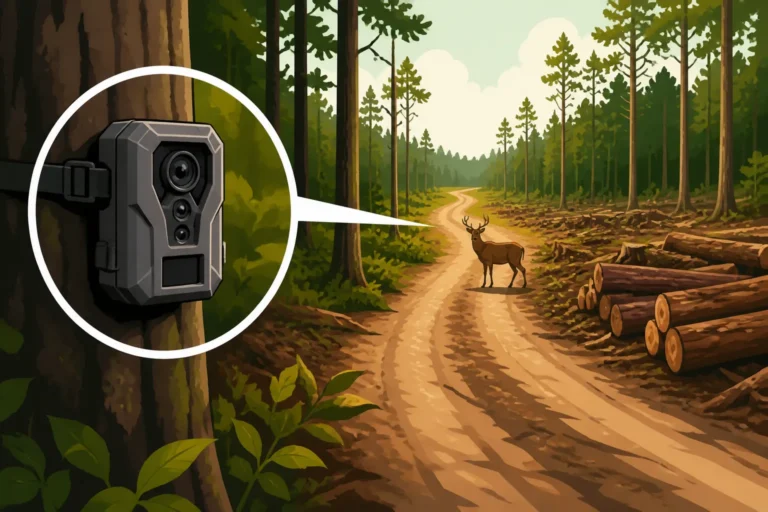
Trail cameras are your best friends in small woodlots, acting as your eyes when you can't be there. Set them up on those identified pinch points or subtle trails, focusing on high-traffic areas where deer might feel relatively secure, even if it's just a narrow strip of woods between two subdivisions. Don't be surprised if your cameras primarily capture nighttime activity. This is normal for suburban deer. However, by consistently monitoring, you might start to see patterns: a buck that consistently passes through a certain spot right at dawn or dusk, or does that move more freely in the late afternoon. This information is invaluable for pinpointing those short windows of opportunity.
Beyond cameras, you need to develop an eye for subtle sign. Fresh tracks in muddy creek bottoms, faint rub lines along fence rows, or even the browsing of specific plants can tell you a lot. These deer don't waste energy, so every bit of sign is purposeful. Take note of any food sources, natural or otherwise, that might attract them. A single persimmon tree or a small patch of overgrown clover could be a goldmine. Also, observe other wildlife; squirrels and small game can often lead you to areas with good food sources, which in turn might be frequented by deer. Don't underestimate the intelligence of these urban-adapted deer; they are constantly assessing their surroundings. You might find it helpful to look into how to apply Reading Louisiana Mud for Fresh Deer Movement to get a better sense of when deer have been through an area.
Tactics Tailored for Pressured Deer in Limited Space
Hunting small woodlots effectively demands a completely different approach than what you might be used to on larger tracts. Forget about making a lot of noise or sitting for hours hoping for a deer to wander by. Here, precision, stealth, and timing are absolutely everything.
Stealthy Entry, Exit, and Stand Selection
Your approach to and from your stand is arguably more critical than the stand itself. These deer are acutely aware of their surroundings, and a noisy entrance or a lingering human scent trail can ruin your hunt before it even begins. Plan your routes meticulously, using natural cover, drainage ditches, or property lines to stay out of sight. Consider using a boat or kayak if a small stream or canal borders the property, offering a silent and scent-free access point. Dress in clean clothes that have been stored separately, and use scent-eliminating sprays religiously. Even the slightest hint of human odor can send these wary deer packing.
When it comes to stand selection, portability is key. You're often dealing with limited tree options and needing to adapt quickly to changing conditions or deer patterns. Lightweight lock-on stands or sturdy climbing stands are excellent choices, allowing you to get in and out with minimal disturbance. A ground blind can also be incredibly effective, especially if you can brush it in well and leave it for a few days to allow deer to get accustomed to it. Using a Ground Blind on Louisiana Public Land offers some great tips that are transferable to private woodlots, emphasizing the importance of blending in. Focus on locations that offer a good vantage point but also provide immediate cover for deer movement, such as the edge of a thicket or a narrow funnel. Think about your shot angles and ensure you have clear lanes, especially if you're bowhunting, which often allows for safer shooting opportunities in close quarters.
Minimizing Scent and Sound in Tight Quarters
In small, suburban woodlots, every breath you take, every rustle of your clothes, and every drop of scent you leave behind is a potential bust. Scent control isn't just a suggestion; it's a necessity. Bathe with scent-free soap, wash your hunting clothes in scent-free detergent, and store them in airtight containers. Use scent-eliminating sprays on your clothes, boots, and gear, especially before you head into the woods. Consider natural cover scents, like earth or pine, but avoid anything artificial or overly strong. The goal is to smell like nothing or, at best, like part of the natural environment.
Sound discipline is equally vital. Avoid talking, banging gear, or snapping twigs. Even seemingly minor noises carry far in still air. Approach your stand slowly and deliberately, placing each foot carefully. When you're in your stand, move as little as possible. If you need to shift, do it slowly and quietly. These deer are accustomed to human noises from a distance, but any sudden, unnatural sound close by will put them on high alert. This is where patience truly pays off. Long, quiet sits, especially during the last hour of daylight, are often when you'll catch a wary buck slipping through. Remember, these deer have heard it all; your advantage comes from being the one they don't hear. For advice on when deer are most active, learning about Warm-Weather Sitting Strategy in Louisiana can provide useful context on how deer respond to environmental factors.
Navigating Landowner Relations and Public Perception
Hunting these small woodlots often means hunting on private land, which brings its own set of rules and social dynamics. Securing permission is the first hurdle, but maintaining that permission—and good standing in the community—is an ongoing effort that requires careful consideration of your actions and the perception of others.
Securing and Maintaining Landowner Permission
Gaining access to these coveted small tracts near Baton Rouge is a challenge, but not impossible. It often comes down to building relationships and proving yourself to be a responsible, respectful hunter. Start by knocking on doors, introducing yourself, and clearly explaining your intentions. Many landowners, especially those who aren't hunters themselves, might be dealing with deer damage to their gardens or landscaping and could be open to the idea of controlled hunting. However, they're often wary of strangers with guns.
Emphasize safety, professionalism, and your commitment to respecting their property. Offer to help with chores around their property, share venison, or assist in other ways. Being a good neighbor goes a long way. Once you have permission, go above and beyond to maintain it. Always let them know when you'll be on their property. Respect their property boundaries meticulously—tools like GoHunt are excellent for visualizing these precisely. Never leave trash, damage property, or park in inconvenient locations. If you successfully harvest a deer, offer to field dress it away from view if they prefer, and always close gates. Word travels fast in these communities, and your reputation will precede you. If you need more general advice on securing access, Getting Private Land Permission in Louisiana is a great resource.
Addressing Safety Concerns and Community Relations
Hunting so close to residential areas means you'll inevitably be under more scrutiny than if you were deep in the Atchafalaya Basin. Safety must be your absolute top priority and should be communicated clearly to the landowner and any concerned neighbors. This means no risky shots, knowing exactly where your projectile will go, and being acutely aware of your surroundings at all times. Using a crossbow or bow can sometimes alleviate concerns about noise and projectile range compared to firearms, making landowners more comfortable. Always understand and adhere to local ordinances regarding discharge of firearms.
Beyond safety, consider the perception of your hunting activities. Be discreet. Avoid dragging a bloody deer across someone's manicured lawn. If possible, retrieve your animal and get it out of sight quickly. Being mindful of your vehicle parking and overall demeanor can help foster positive community relations. You’re not just representing yourself; you’re representing all hunters. A bad experience with one hunter can sour a landowner or community on hunting altogether. A responsible, courteous, and safety-conscious approach will not only secure your spot but might even open doors to other opportunities as landowners see you as a solution to deer management rather than a liability. It's also wise to be familiar with Louisiana Hunter Education Requirements for yourself and anyone you might bring along.
Here's a quick look at the contrasting aspects of hunting these smaller, often suburban woodlots compared to larger, more traditional public or private land:
| Feature | Small Suburban Woodlot Hunting | Large Public/Private Land Hunting |
|---|---|---|
| Space | Very limited, often less than 50 acres. | Vast, hundreds to thousands of acres. |
| Deer Pressure | High, constant human presence (dogs, walkers, traffic), deer are extremely wary and nocturnal. | Variable, depends on location; can be high near access points, low in remote areas. |
| Scouting Focus | Meticulous, micro-level; identifying subtle pinch points, escape routes, small bedding areas. | Macro-level; finding large food sources, extensive bedding, major travel corridors. |
| Stand Placement | Limited options, dictated by property lines, safety zones, clear backstops; often ground blinds. | More flexibility, diverse tree types, options for different winds. |
| Entry/Exit | Critical for stealth; often involves navigating residential areas or careful, quiet approaches. | Can be more forgiving, longer walks; scent control still important but less localized pressure. |
| Calling/Attractants | Minimal to none; may scare wary deer. Focus on natural movement. | Can be effective, especially during the rut; rattling, grunting, decoys are common. |
| Landowner Relations | Paramount; requires active communication, trust-building, and respect for property. | Often managed through leases or WMA permits; less direct personal interaction. |
| Safety Concerns | Extreme vigilance needed due to proximity to homes/people; understanding projectile trajectory. | Primary focus on hunter safety (tree stands, firearms), less public interaction risk. |
| Hunter Impact | High impact on deer behavior due to small area; one mistake can clear deer out for days. | Deer can shift ranges; impact can be localized, but overall herd remains. |
| Typical Harvest | Often a single deer; focus on opportunity and ethical shot, not trophy size. | Multiple deer possible; opportunity for trophy animals exists. |
Embracing the Unique Rewards
While hunting these smaller woodlots near Baton Rouge certainly comes with its frustrations—the dense brush, the constant human noise, the tiny windows of opportunity—it also offers a uniquely rewarding experience. There's an immense satisfaction that comes from outsmarting a truly pressured, urban-wise deer in its own backyard. It forces you to become a better, more patient, and more observant hunter.
Think about the convenience: no long drives, no expensive lodge fees, and the ability to slip into your stand for a quick evening hunt after work. This accessibility can ignite a passion for hunting in places many overlook. Moreover, you're helping landowners manage local deer populations, which can be a real benefit to the community. So, the next time you're lamenting the lack of "good ground," remember that sometimes, the best opportunities are hiding in plain sight, just waiting for a dedicated hunter to uncover them. You might be surprised by the quality of game that lives and thrives in these overlooked corners of our landscape.
Disclaimer
Hunting involves inherent risks, and it is the responsibility of every hunter to understand and abide by all local, state, and federal laws and regulations. Always prioritize safety, obtain proper licenses, and ensure you have explicit permission before hunting on private land. This guide is for informational purposes only and does not substitute for official regulations or professional guidance.