Running a Trapline in Rural Louisiana
Venturing into the world of running a trapline in rural Louisiana can feel like stepping back in time, a skill passed down through generations, yet it's still a vital part of wildlife management and provides a unique connection to the land. Many folks find themselves scratching their heads, wondering where to even begin with permits, trap types, and finding productive ground. This guide is here to untangle those complexities, offering a realistic, step-by-step look at what it takes to successfully and ethically run a trapline in the Bayou State.
Navigating Louisiana's Trapping Regulations and Land Access
Before you even think about setting a single trap, understanding Louisiana's specific regulations and securing proper land access is absolutely paramount. Ignorance of the law is no excuse, and wardens here take wildlife conservation very seriously. It’s not just about knowing what's legal; it's about respecting the animals, the land, and your fellow outdoorsmen.
Essential Licenses and Permits for Trappers
Just like any other hunting or fishing endeavor, trapping in Louisiana requires you to be properly licensed. The Louisiana Department of Wildlife and Fisheries (LDWF) oversees all aspects of trapping, and getting your ducks in a row with permits is the first real step. You’ll need a basic hunting license, and then on top of that, a separate trapping license specifically for furbearers. This isn't just a formality; it ensures that you're aware of the responsibilities and regulations associated with trapping.
It can sometimes feel like a maze figuring out which specific stamps and add-ons you need, especially if you're new to the game. My best advice is always to check the current LDWF hunting and trapping regulations pamphlet, which is updated annually, or visit their website. They often have quick guides that simplify the process. For instance, specific species like coyotes might have different rules if you're targeting them primarily for depredation rather than fur, though for a general trapline, the furbearer license covers most common targets. Make sure you're clear on the season dates too; you can’t just trap year-round for every species. The season for something like muskrat might be completely different from bobcat, and knowing these windows is critical for legality and ethical harvest. If you're looking for more specific details, you should definitely check out the comprehensive information on Louisiana Trapping License Requirements.
Understanding Private and Public Land Access Rules
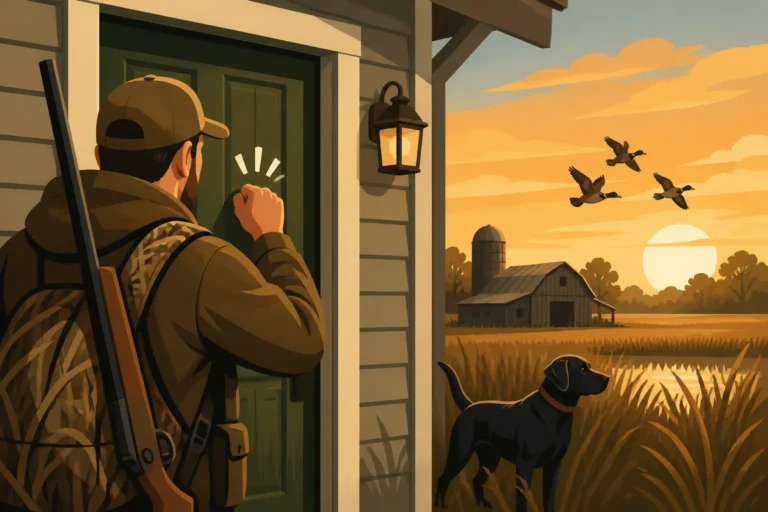
Once your licenses are sorted, the next big hurdle is finding a place to set your traps. Most successful traplines run on private land, but gaining permission can be a bit intimidating if you're not used to knocking on doors. Farmers and landowners often welcome trappers who can help manage nuisance furbearers like beaver, nutria, and coyote, which can cause significant damage to crops, levees, and livestock. However, you absolutely must have explicit permission from the landowner, preferably in writing, before setting foot on their property. This isn't just polite; it's the law. Trespassing is a serious offense in Louisiana, and you risk not only legal trouble but also damaging the good reputation of trappers everywhere.
Public land offers some trapping opportunities, primarily within certain Wildlife Management Areas (WMAs) and National Forests, but these areas typically come with much stricter regulations and often require special WMA permits or quota hunt applications. For example, some WMAs might prohibit certain trap types or limit the number of sets you can make. It’s also important to remember that public lands see a lot of other users – hikers, birdwatchers, hunters, and anglers – so trap placement and safety are even more critical. You need to be extra diligent about avoiding non-target animals, and definitely make sure your traps are out of the way of casual foot traffic. If you're considering public lands, a deep dive into Louisiana Wildlife Management Areas regulations is a must, as each WMA can have its own specific rules that differ from statewide general regulations. Knowing the lay of the land, whether private or public, is paramount, and tools like the GoHunt app can be incredibly useful for visualizing property lines and potential habitat.
Essential Gear and Setting Up Your Trapline
Equipping yourself properly for a Louisiana trapline goes beyond just buying traps. The varied terrain, from dense swamps to agricultural fields, and the humid climate demand specific gear choices and a thoughtful approach to setting up your line. Investing in quality equipment and knowing how to use it effectively will not only increase your success but also ensure humane and efficient trapping.
Choosing the Right Traps for Louisiana Furbearers
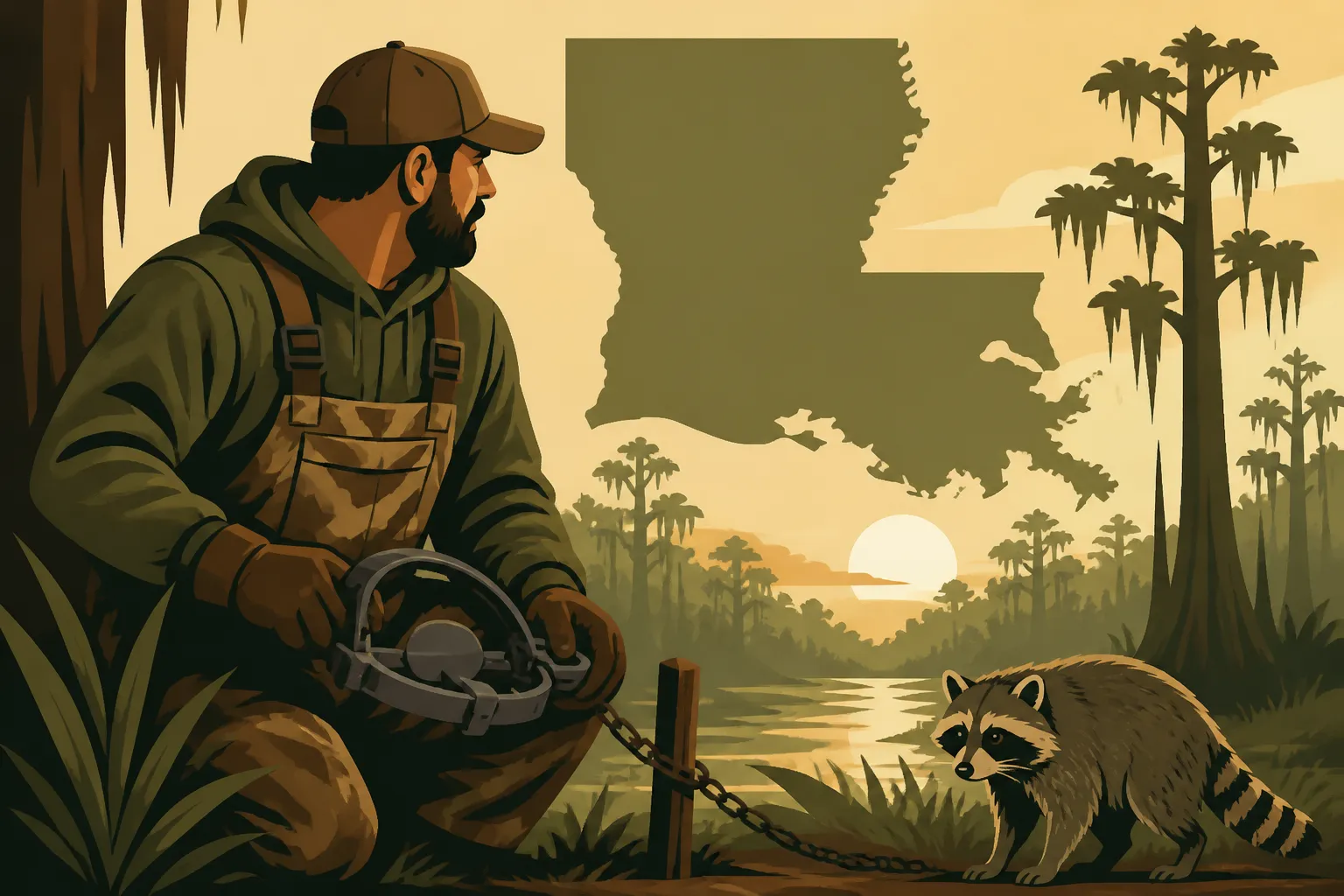
Louisiana's diverse furbearer population means you'll likely need a variety of traps to be effective. For semi-aquatic animals like nutria, muskrat, and mink, body-gripping traps (like Conibears) in appropriate sizes are highly efficient and humane when set correctly. These are often placed in natural travel ways, underwater, or at den entrances. For land-based furbearers such as raccoon, opossum, fox, bobcat, and coyote, foothold traps are the workhorse of most trappers. These come in different jaw designs and sizes, and choosing the right one for your target animal is crucial to prevent injury and ensure a quick dispatch or release. Snares are also legal in Louisiana for certain species and can be very effective in specific situations, like along trails or at pinch points.
It’s not just about the trap type, but also the size. A trap meant for a small mink isn't going to hold a beaver, and a coyote trap is far too powerful for a raccoon. You also need to consider your anchors; firmly securing your traps is non-negotiable to prevent animals from escaping with the trap. Drags, rebar stakes, and heavy-duty chains are all part of the equation. Understanding the nuances of these traps, how to camouflage them, and how to safely set and disarm them comes with practice and experience. I remember my first few years, I spent more time trying to find the perfect spot for a foothold than actually setting it, and honestly, that attention to detail pays off big time in the long run.
Here's a quick overview of common traps for Louisiana furbearers:
| Furbearer Species | Common Trap Types Recommended | Ideal Trap Placement |
|---|---|---|
| Nutria | Conibear 220, Cage Traps | Active runs, den entrances, feeding areas (aquatic) |
| Muskrat | Conibear 110, Foothold #1.5 | Runs, slides, feed beds (aquatic) |
| Beaver | Conibear 330, Foothold #3-4, Snares | Dams, lodges, channels, scent mounds (aquatic/semi-aquatic) |
| Raccoon | Foothold #1.5-2, Dog-proof traps, Cage Traps | Trail sets, blind sets, creek banks, culverts |
| Opossum | Foothold #1.5, Cage Traps | Trail sets, blind sets, garbage areas |
| Mink | Conibear 110, Foothold #1.5 | Creek banks, log crossings, den entrances |
| Bobcat | Foothold #1.75-2, Snares | Trail sets, blind sets, scent post sets, log crossings |
| Fox | Foothold #1.5-1.75, Snares | Dirt hole sets, flat sets, trail sets |
| Coyote | Foothold #1.75-3, Snares | Dirt hole sets, flat sets, trail sets, scent post sets |
Setting Up Your Trapline for Efficiency and Success
Running an efficient trapline means more than just throwing traps out. It’s about strategy, observation, and anticipating animal movements. First, scouting is non-negotiable. Before the season even opens, spend time walking the property you have permission to trap. Look for tracks, scat, chewed vegetation, dens, slides, and any other sign of furbearer activity. Pay close attention to pinch points, creek crossings, drainages, and field edges where animals are funneled. This is where tools like GoHunt really shine; you can mark potential trap locations, property boundaries, and access routes digitally, saving you immense time and effort once the season starts.
When it comes to the actual setup, think about your route. You want a line that allows you to check all your traps quickly and easily, typically within a 24-hour period as required by law for humane trapping. This means considering vehicle access, boat access if you're in swampy areas, and minimizing long walks. A well-planned line will loop, allowing you to cover ground efficiently without backtracking unnecessarily. For example, if you're Hunting the Atchafalaya Basin, boat access and water sets will be key, while in the North Louisiana Piney Hills, dirt hole sets and trail sets will be more common. Each environment dictates different tactics. Always carry essential tools: setting pliers, wire cutters, a digging tool, bait, lure, gloves to minimize human scent, and a good pack to carry your catches. And remember, the goal isn't just to catch an animal; it's to do so humanely and efficiently, ensuring the best possible fur quality if that’s your aim.
Targeting Common Furbearers and Ethical Trapping Practices
Louisiana offers a diverse array of furbearers, each requiring a slightly different approach. Beyond the mechanics of setting traps, understanding the habits of these animals and adhering to ethical practices is what truly defines a responsible and successful trapper. It's about more than just numbers; it's about respect for the wildlife and the tradition.
Strategies for Popular Louisiana Furbearers
When you're running a trapline in Louisiana, you'll find a few species are consistent targets due to their prevalence and, in some cases, the impact they have on agriculture or native wildlife.
- Nutria and Muskrat: These semi-aquatic rodents are often found in marshes, canals, and along bayous. For nutria, whose destructive gnawing can accelerate How Nutria Damage Louisiana Marsh, targeting their active runs, slides, and feed beds with Conibear traps (often underwater) or cage traps is very effective. Muskrat trapping is similar but on a smaller scale, focusing on their smaller runs and den entrances. Both respond well to vegetable-based baits or scents that mimic their natural food sources. Staying informed about Trapping Louisiana Muskrat and Nutria can give you an edge.
- Beaver: Another aquatic engineer, beavers can cause significant flooding and timber damage. They are larger and require sturdier traps like the Conibear 330 or larger footholds. Look for their dams, lodges, scent mounds, and active channels. Castor mound sets, using their own scent to attract them, are highly effective. You can learn a lot by observing the areas where Louisiana Beaver Population and Damage is most noticeable.
- Raccoon and Opossum: These opportunistic omnivores are found almost everywhere, from deep woods to suburban fringes. Dog-proof traps, which are designed to be difficult for canines to trigger, are excellent for raccoons, especially when baited with sweet smells like marshmallows or fruit. Footholds set in trail sets or blind sets along creek banks or culverts also work well for both. Opossums are less discerning and often caught incidentally with other sets.
- Fox, Bobcat, and Coyote: These canids and felines are often targeted for their fur and for predator control. Dirt hole sets and flat sets, using a combination of gland lure, urine, and bait (like beaver meat or tainted fish), are common for fox and coyote. For bobcats, visual attractors like feathers or reflective materials combined with a territorial lure can be very effective in cubby or blind sets near cover. Snares can also be highly productive for these animals, particularly when placed on well-traveled trails in thick cover. Understanding Louisiana Fox and Bobcat Trapping Season and Louisiana Coyote Hunting Season Rules will guide your efforts here.
Success with each species comes down to understanding their habits, preferred habitat, and using appropriate baits and lures. What works in one part of Louisiana might not be as effective just a few parishes over due to subtle environmental differences.
Practicing Humane and Responsible Trapping
Ethical trapping is not just a buzzword; it's a fundamental responsibility. It means minimizing suffering for any animal caught and ensuring that your practices don't negatively impact non-target wildlife. The 24-hour trap check law in Louisiana is a key component of this, mandating that you visit your traps daily to ensure any animal caught is either dispatched quickly and humanely or released if it's a non-target species. This diligence is paramount.
Carrying dispatch tools, such as a .22 caliber firearm, for a swift and humane end to a caught animal is essential. For non-target animals, knowing how to safely release them without injury to yourself or the animal is part of being a skilled trapper. This often involves specialized release tools or techniques depending on the trap type. Trapping also carries an obligation to properly handle the fur. If you're trapping for pelts, learning how to skin, flesh, and stretch hides correctly ensures that the animal’s sacrifice is not wasted and contributes to a marketable product. This respect for the animal continues even after the catch, ensuring the fur is handled in a way that honors the animal and provides economic value. The long-term health of Louisiana's furbearer populations is paramount, and responsible trapping plays a crucial role in maintaining that balance. Many trappers in Louisiana actively participate in monitoring Louisiana Muskrat and Mink Trapping Trends to ensure their efforts align with sustainable wildlife practices.
Disclaimer
The information provided in this guide is for general informational purposes only and does not constitute legal advice. Trapping regulations are subject to change, and it is the sole responsibility of the individual to consult the most current Louisiana Department of Wildlife and Fisheries (LDWF) regulations and obtain all necessary licenses and permits before engaging in any trapping activities. Always prioritize safety, ethical practices, and respect for wildlife and private property.