Using a Ground Blind on Louisiana Public Land
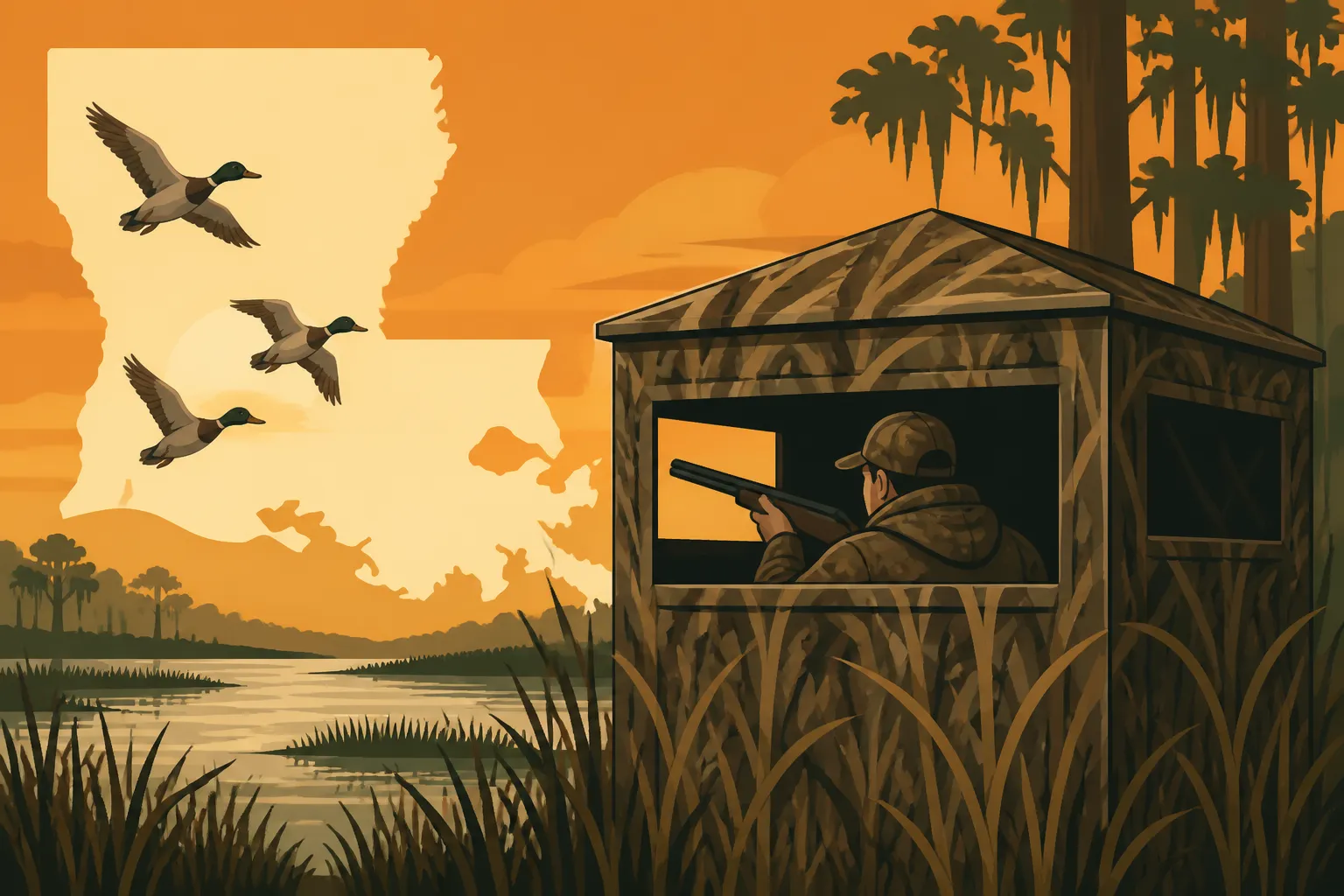
Hunting public land in Louisiana can feel like an uphill battle, especially when you're trying to find that perfect ambush spot without leaving a permanent footprint. Between restrictive WMA rules on fixed stands and the sheer challenge of staying concealed in constantly changing cover, it's easy to get frustrated. This guide is all about turning those challenges into opportunities by leveraging the versatility and effectiveness of a ground blind, offering practical advice to make your next public land hunt a success.
The Case for Ground Blinds on Public Land in Louisiana
Public land hunting in Louisiana comes with its own unique set of difficulties, from navigating crowded areas to adhering to strict regulations about what you can and cannot leave behind. This is precisely where the humble ground blind shines, offering a solution that provides concealment, comfort, and compliance all in one package. It's not just about hiding; it's about optimizing your hunting strategy in environments that demand adaptability.
Overcoming Public Land Challenges
Let's be real, showing up to your favorite WMA or National Forest block on opening day and finding every prime tree already sporting a permanent stand or even multiple hang-ons can be disheartening. Many Wildlife Management Areas (WMAs) in Louisiana have specific rules about what type of stand can be left overnight, if any at all. Some prohibit anything permanent, forcing you to pack in and pack out everything each hunt. This is where a ground blind becomes a hunter's best friend. It offers immediate, portable concealment that you can set up quickly, hunt from, and then take down without violating any rules. You're not restricted by the available trees or by where someone else decided to hang their stand weeks ago.
Think about the terrain in places like the Atchafalaya Basin or the dense bottoms of Sherburne WMA. Finding a suitable tree for a stand, especially one that allows for a clear shooting lane and a good vantage point, can be incredibly difficult. Swamps, thick palmetto thickets, and young timber often don't lend themselves to traditional treestand setups. A ground blind cuts through these issues, letting you set up right in the thick stuff where deer naturally travel, bed, or feed. It allows you to become part of the landscape rather than an elevated silhouette. For insights into overcoming specific challenges, consider reading about Hunting Pressure on Louisiana Public Land.
Mobility and Flexibility Benefits
One of the biggest advantages of a ground blind on public land is its incredible mobility. Whether you're hunting deer, turkeys, or even hogs, being able to pick up and move your setup based on fresh sign, changing weather patterns, or unexpected pressure from other hunters is invaluable. Imagine scouting a new area and discovering a hot scrape line or a fresh feeding area that wasn't there last week. With a portable ground blind, you can adapt on the fly. You aren't tied to a pre-set location.
This flexibility also extends to hunting different game species throughout the season. The same blind you use for an early archery deer hunt could be quickly repurposed for a turkey hunt in the spring or for chasing hogs later in the year. This versatility makes a ground blind a smart investment for any public land hunter. The lightweight models available today mean you can realistically carry one several hundred yards into a remote area, set up, and be ready to hunt within minutes. This adaptability is key when you need to be where the game is, not just where the trees are. Tools from platforms like GoHunt can aid immensely in scouting these dynamic areas and identifying optimal spots for your mobile setup.
Selecting and Preparing Your Ground Blind for Louisiana's Habitat
Choosing the right ground blind isn't just about picking one off the shelf; it's about matching its features to the diverse and often challenging environments you'll encounter on Louisiana public land. From dense swamps to piney uplands, the habitat dictates what will work best. Plus, a little pre-season preparation can make all the difference in the field.
Camouflage Patterns and Construction for Swamp and Upland
Louisiana's landscapes are incredibly varied, and your blind's camouflage needs to reflect that. In the deep, dark cypress-tupelo swamps of the Basin or Pearl River WMA, you're looking for patterns that mimic moss, bark, and the shadows of dense hardwoods. Darker, more muted greens, browns, and grays will blend in better. However, if you're hunting the piney hills of Kisatchie National Forest, a pattern with more browns, tans, and greens that resemble pine needles and undergrowth might be more effective. When hunting field edges, a corn-stubble or cattail pattern can disappear beautifully into the natural vegetation.
Beyond camouflage, consider the blind's construction. A blind destined for swamp hunting needs to be durable, water-resistant, and ideally have stakes or tie-downs that can handle soft, muddy ground. Fabrics that resist mildew are a huge plus in our humid climate. For upland hunting, a lighter, more breathable fabric might be fine, but overall durability is still paramount. Look for blinds with a sturdy hub system that can withstand wind and rain without collapsing. Brands like Ameristep and Barronett Blinds offer a range of options suitable for various Louisiana conditions. Make sure the windows offer quiet operation and sufficient visibility, often with mesh covers that allow you to see out without being seen.
Essential Pre-Season Blind Modifications
Once you've chosen your blind, don't just throw it in the truck and head to the woods. Some simple pre-season modifications can significantly increase its effectiveness and your comfort. First, take it out of the box and set it up in your backyard for a few days, or even a week, if possible. This "airing out" process helps eliminate any new-fabric smells that might spook game. The sun and rain will also help to soften the material and make it less "new."
Next, consider brushing in your blind with local vegetation well before the season, if allowed on the public land you plan to hunt. While you can't leave the blind itself on public land, practicing how you'll brush it in, or even collecting natural materials to quickly deploy on opening day, is smart. Think about adding loops or straps to the exterior if your blind doesn't have them, allowing you to easily attach branches, palmetto fronds, or cane stalks.
Finally, set up your shooting lanes from inside the blind. Practice drawing your bow or shouldering your gun to ensure you have clear, unobstructed shots. Trim any internal mesh or fabric that might interfere. Many hunters also add a small, quiet mat to the floor to dampen sound, and a comfortable, low-profile chair is a must for those long sits. Remember, tools on GoHunt can sometimes offer insights into specific land types, helping you tailor these modifications to the exact public lands you'll be hitting.
Strategic Deployment and Concealment on Louisiana Public Ground
The effectiveness of your ground blind isn't just about having the right gear; it's about how and where you deploy it. On public land, where game is often wary and hunting pressure is a factor, strategic placement and meticulous concealment are paramount. It's about thinking like the animal you're pursuing and blending seamlessly into its world.
Key Considerations for Blind Placement
Choosing the perfect spot for your ground blind requires careful thought and often, a good dose of pre-season Scouting Louisiana Public Land Before Season. Forget setting up in the middle of an open field. Ground blinds excel when placed against a natural backdrop that breaks up their outline. Think about the edge of a thicket, a cluster of cypress trees, or a fallen log. These features act as natural camouflage, helping the blind disappear into the environment.
Always consider the wind and thermals. In Louisiana's often humid and warm conditions, scent control is critical. Position your blind so that your scent blows away from known travel corridors, bedding areas, or food sources. This might mean setting up on the downwind side of a ridge or along a natural funnel where prevailing winds are consistent. For example, in the Atchafalaya Basin, understanding how Wind and Thermals in Swamp Bottomland influence deer movement is crucial.
Also, think about the sun's position. Avoid placing your blind where the sun will be directly in your face or shining into the blind, creating a silhouette or glare. Early morning or late afternoon sun can cast long shadows, but a sun directly opposite your shooting window will make you highly visible. Lastly, look for funnels and pinch points – natural travel routes like a narrow strip of high ground between two sloughs, or a fencerow that deer use to move between cover and feeding areas. Placing your blind here maximizes your chances of intercepting deer.
Brushing In Your Blind for Ultimate Concealment
Even the best camouflage pattern can look like a foreign object if it's not properly brushed in. This is where you transform your blind from a man-made structure into an organic part of the landscape. Once you've chosen your placement, collect local vegetation – palmetto fronds, sawgrass, fallen branches, cane, or pine boughs – and weave them into the exterior of your blind. Don't just pile them up; strategically place them to break up the hard lines and silhouette of the blind.
Pay particular attention to the corners and roofline, which often stand out the most. The goal is to make the blind look like a natural brush pile or dense thicket. If you're hunting near a standing cornfield, mimic the cornstalks. If you're in a bottomland hardwood forest, use small branches and leaves. Overdo it slightly rather than underdo it – you can always remove a little if it obstructs your view.
Ensure your shooting windows are brushed in such a way that you have clear lines of sight, but the openings aren't obvious from an animal's perspective. Small openings for shooting are all you need. The more time you spend brushing in your blind, the more confident you'll feel about your concealment, and the less likely a wary public land deer or turkey will spot you. For deep dives into specific public hunting grounds, exploring resources like Hunting Kisatchie National Forest or Hunting Atchafalaya Basin Swamp Deer can provide valuable context for habitat-specific brushing techniques.
| Aspect of Blind Placement | Best Practice on Public Land | Why it Matters in Louisiana |
|---|---|---|
| Backdrop | Place against dense cover (thicket, large tree, log) | Breaks up silhouette, offers natural concealment, wary public land game expects cover. |
| Wind Direction | Always set up downwind of expected game travel | Prevents scent detection, critical in warm, humid Louisiana air where scent lingers. |
| Sun Position | Avoid direct sun into windows or silhouetting | Prevents glare, keeps you hidden, avoids casting shadows that give away movement. |
| Funnels/Pinch Points | Identify and place on natural travel routes | Maximizes encounter rates in areas where deer are naturally funneled. |
| Shooting Lanes | Pre-trim small, clear lanes from inside | Ensures ethical shots without breaking cover or startling game at the moment of truth. |
| Brushing In | Use local vegetation to blend into surroundings | Essential for making the blind disappear, especially for pressured public land game. |
Rules, Etiquette, and Post-Hunt Practices for Public Land Blinds
Hunting on public land isn't just about tactics; it's about respecting the rules and fellow hunters. When using a ground blind, understanding regulations and practicing good outdoor ethics are just as important as shot placement. Knowing what's allowed and what's expected ensures a positive experience for everyone and preserves access for future generations.
Understanding WMA and National Forest Regulations
Before you even load your blind into the truck, you absolutely must check the specific regulations for the Wildlife Management Area or National Forest you plan to hunt. The Louisiana Department of Wildlife and Fisheries (LDWF) website is your best resource, often found on apps like GoHunt, which can consolidate this information. Rules vary widely from one WMA to another, and from state-managed lands to federally managed national forests.
A common regulation on many WMAs, such as those covered under Ground Blind Rules on Louisiana WMAs, is that ground blinds must be removed daily. You cannot leave a blind set up overnight. This is to prevent "claiming" spots and to reduce litter. Some areas might have specific blaze orange requirements even when inside a blind during gun seasons. For example, during deer gun season, many WMAs require 400 square inches of hunter orange or blaze pink to be worn and displayed. Make sure your blind has an orange panel or you hang an orange vest prominently on its exterior if required.
National Forests like Kisatchie also have their own set of rules, often pertaining to temporary structures and leaving no trace. Always double-check the specific district you're hunting. Fines for violating these regulations can be stiff, and more importantly, continuous violations can lead to stricter rules that impact all hunters. Always carry your Louisiana WMA Permit Requirement and your hunting license, and be familiar with Louisiana Public Land Hunting Hours.
Ethical Hunting and "Leave No Trace" Principles
Even if a rule isn't explicitly written, practicing ethical hunting and "Leave No Trace" principles is paramount on public land. This means leaving the area exactly as you found it, if not better. When you pack out your ground blind, make sure you take absolutely everything with you – this includes any trash, spent shell casings, and even those little plastic zip ties you used to brush in your blind. Nothing should be left behind.
If you harvested an animal from your ground blind, do your best to clean up any visible blood or entrails, especially if you're close to a public trail or parking area. Field dress away from water sources and popular paths. Remember that you are an ambassador for hunters, and how you leave a site reflects on all of us.
Another ethical consideration is respecting other hunters. If you encounter another hunter who has already set up in an area, whether in a stand or a blind, move on and find another spot. Public land is for everyone, and respecting personal space and established setups prevents conflicts. Consider a tool like a GPS or a mapping app to help you identify your spot and note your approach routes to minimize disturbance. By adhering to the rules and embracing ethical practices, we ensure that public land remains a viable and enjoyable resource for hunting for years to come.
Disclaimer
This information is for general guidance only. Hunting regulations in Louisiana are subject to change, and it is the hunter's responsibility to consult the most current Louisiana Department of Wildlife and Fisheries (LDWF) regulations prior to engaging in any hunting activities. Always verify specific rules for the Wildlife Management Area (WMA) or National Forest you plan to hunt.