Booking a Multi-Species Louisiana Hunt Week
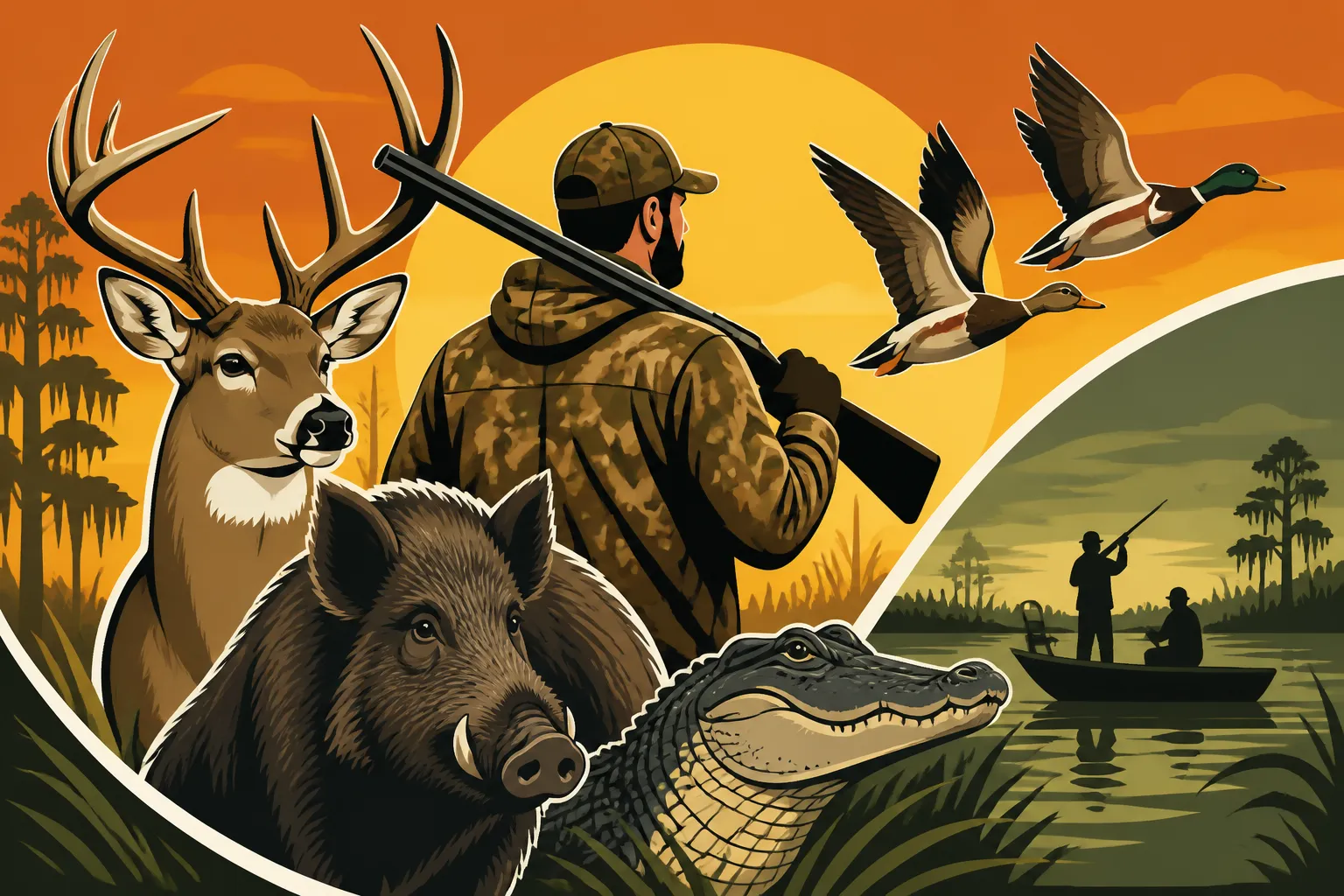
Planning a hunting trip to Louisiana is exciting, but juggling desires for different game animals can feel overwhelming. You dream of calling a gobbler one morning and chasing ducks the next, or perhaps tagging a big buck before heading out for some hog action. Trying to piece together a hunt that combines multiple species can quickly turn into a logistical nightmare, leaving you wondering if it's even feasible. This guide will walk you through the ins and outs of booking a multi-species Louisiana hunt week, helping you understand the possibilities, challenges, and how to find the right outfitter to make your dream trip a reality.
Why Consider a Multi-Species Hunt in Louisiana?
The Bayou State is an absolute treasure trove for hunters, offering such a diverse array of game that it's easy to get greedy. But why stop at just one pursuit when you could experience several of Louisiana's unique hunting opportunities in a single, action-packed week? Many hunters, especially those traveling from out of state, find that a multi-species hunt is the most efficient way to soak in everything our vibrant outdoors has to offer. It's not just about bagging more game; it's about immersing yourself in the full spectrum of hunting experiences Louisiana delivers, from the misty mornings in a duck blind to the quiet tension of a deer stand, and the thrilling chase for hogs.
The Allure of Diverse Game
Louisiana boasts an incredible variety of huntable species, each offering a distinct challenge and reward. Imagine starting your day calling a wild turkey, then switching gears to stalk a feral hog in the afternoon, or perhaps spending the morning chasing ducks in the marsh before settling into a deer stand for the evening. This isn't just a pipe dream; it's a real possibility in Louisiana, given the generous seasons and overlapping opportunities for many species. Our state’s varied habitats, from sprawling coastal marshes and dense bottomland hardwoods to piney hills and vast agricultural lands, support healthy populations of whitetail deer, wild turkeys, migratory waterfowl, and an abundance of feral hogs, just to name a few.
The appeal lies in the sheer variety. A hunter who loves the intricate chess match of deer hunting might also crave the explosive action of a duck hunt or the tactical challenge of calling in a gobbler. A multi-species trip allows you to tap into these different passions without having to book separate, costly trips spread throughout the year. It's an opportunity to truly experience the depth of Louisiana's hunting heritage and witness its diverse ecosystems firsthand. For many, it's about checking multiple boxes on their hunting bucket list within one epic adventure.
Maximizing Your Time and Investment
Let's be honest, hunting trips aren't cheap. Between travel, lodging, licenses, and potentially guide fees, the costs add up quickly. If you're coming from a distance, maximizing every single day you're in Louisiana makes perfect sense. A multi-species hunt allows you to do just that, packing more unique hunting experiences into one trip. Instead of spending two days deer hunting and then having to drive home, you could spend a couple of days on deer, then transition to waterfowl or hog hunting for the remainder of your week. This significantly increases your potential for success across different species and gives you a broader appreciation for Louisiana's hunting culture.
Beyond the financial aspect, there's the precious commodity of time. Many of us have limited vacation days, and dedicating a full week to hunting one species, while rewarding, might not feel like the best use of those valuable days if other opportunities beckon. By planning a multi-species adventure, you essentially get several hunts rolled into one, reducing overall travel time and increasing the sheer volume of unique experiences. It's like getting a sampler platter of Louisiana's best hunting, ensuring you leave feeling like you truly made the most of your visit.
Choosing Your Species Combination and Timing
The key to a successful multi-species hunt in Louisiana really boils down to intelligent planning, especially when it comes to selecting the right combination of game and pinpointing the ideal time to visit. You can't just throw darts at a calendar; you need to understand the nuances of our seasons and the overlapping opportunities.
Popular Multi-Species Pairings
Some combinations of species naturally lend themselves to a multi-day hunting trip due to overlapping seasons or complementary hunting styles. Here are some of the most popular and feasible pairings in Louisiana:
- Deer & Hogs: This is perhaps the most common and easiest combination. Feral hogs are prolific in Louisiana and can be hunted year-round on private lands, often overlapping perfectly with deer seasons. Many outfitters offer this as a standard combo. After your morning deer sit, you might spend the afternoon spot-and-stalk hog hunting or check a feeder. The thrill of Hunting Louisiana's Year-Round Feral Hogs alongside your deer pursuit is a great way to fill any downtime.
- Waterfowl & Hogs: During the winter months, when our coastal marsh is brimming with ducks and geese, hog hunting can provide an excellent afternoon or non-duck-hunting day activity. Imagine a morning full of fast-paced duck action, followed by an evening chasing destructive hogs. This combo really leans into the abundance of both species in certain regions.
- Deer & Waterfowl: This is a fantastic, albeit slightly more logistically challenging, cold-weather combo. When the deer rut is in full swing and the duck migration is peaking, you could experience both. You might dedicate the early mornings to duck blinds, then head to a deer stand for mid-day or evening hunts. Regions with proximity to both good deer habitat and prime waterfowl areas, like some of the central or northern parishes near river bottoms or agricultural lands, work best for this. Outfitters specializing in Hunting Louisiana's Coastal Marsh Parishes or the Tensas River Basin might offer these opportunities.
- Turkey & Hogs: Our spring turkey season offers some incredible gobbler action, and since hogs are fair game year-round, adding them to a spring turkey hunt is a natural fit. After calling in a longbeard in the morning, you can spend the rest of the day tackling the hog problem, whether through still-hunting or stand hunting over bait. It’s a great way to keep the hunting momentum going all day.
- Squirrels & Hogs (or anything else): Small game like squirrels are often overlooked but provide excellent action, especially early in the season, and can easily be combined with larger game hunts. They're a fantastic "fill-in" activity, particularly if you have a morning or afternoon where big game action is slow. Think of it as a bonus hunt that brings its own unique challenge and delicious table fare.
Navigating Overlapping Seasons
The trickiest part of a multi-species hunt is ensuring your chosen dates align with the legal seasons for all the species you intend to pursue. Louisiana has specific hunting seasons that vary by species, weapon type, and even by our designated Deer Hunting Areas and Turkey Areas. It’s crucial to consult the Louisiana Department of Wildlife and Fisheries (LDWF) regulations handbook for the most up-to-date dates.
Here's a general idea of when different seasons overlap:
- Fall/Winter (November-January): This is prime time for combining deer, waterfowl, and hogs. Deer seasons are open across various areas, and the bulk of the duck and goose seasons are in full swing. If you're looking for a Louisiana Deer Hunting Area by Area experience combined with Waterfowl Hunting the Louisiana Coastal Marsh, this is your window.
- Spring (March-May): This is almost exclusively turkey season, but as mentioned, hogs can be hunted alongside turkeys. Our Spring Turkey Hunting in Louisiana runs in specific zones, and careful planning is needed to ensure you're in an area where both turkey and hog opportunities are strong.
A quick glance at a calendar won't tell you everything; you need to dig into the specifics of weapon types and bag limits for each area. For example, primitive firearms deer season or youth hunts might offer specific windows that align well. Outfitters who specialize in multi-species trips will have an intimate knowledge of these regulations and can help you plan accordingly. Don't forget that Louisiana Waterfowl Zones and Seasons and Louisiana Turkey Area A, B and C Rules have different start and end dates, which impacts your planning significantly.
| Species Combination | Prime Overlap Window | Typical Hunting Style | Gear Considerations |
|---|---|---|---|
| Deer & Hogs | Oct – Jan (Private) | Stand, Spot & Stalk | Rifle/Bow, Camo |
| Waterfowl & Hogs | Nov – Jan (Coastal) | Blind, Spot & Stalk | Shotgun, Waders, Rifle/Bow |
| Deer & Waterfowl | Nov – Jan (Northern) | Stand, Blind | Rifle/Bow, Shotgun, Waders |
| Turkey & Hogs | Mar – May (Private) | Call, Spot & Stalk | Shotgun, Camo |
| Small Game & Hogs | Oct – Feb | Walk-up, Spot & Stalk | Shotgun/Small Caliber Rifle |
Finding and Vetting Outfitters for Multi-Species Hunts
Once you've dreamed up your ideal multi-species combo and a general timeframe, the next crucial step is finding an outfitter who can actually deliver. This isn't always easy, as not all guides are equipped or experienced in offering true multi-species packages. You need someone with the knowledge, the land access, and the logistical savvy to pull it off.
Researching Specialized Guides
Begin your search by looking for outfitters who explicitly advertise multi-species hunts. A guide who primarily focuses on trophy deer might not have the duck blinds or hog trapping expertise you need, or vice-versa. Websites like BookYourHunt or GoHunt can be excellent starting points, as they often list outfitters with detailed descriptions of their offerings. Look for guides who operate on large tracts of private land or have extensive leases that encompass diverse habitats suitable for multiple game types. For instance, an outfitter with access to bottomland hardwoods for deer and an adjacent rice field for ducks is a good candidate.
Don't be afraid to cast a wide net initially, then narrow it down based on their explicit claims and testimonials. Pay close attention to reviews where past clients specifically mention successful multi-species experiences. It's one thing for an outfitter to say they can do it; it's another for them to have a proven track record. For example, if you're looking for a Booking a Coastal Marsh Duck Lodge that also offers hog hunts, ensure their website or reviews confirm successful transitions between those two very different styles of hunting.
Questions to Ask Potential Outfitters
When you start talking to outfitters, come prepared with a detailed list of questions. This is where you really vet their capabilities for a multi-species trip. Don't be shy; you're investing significant money and time. Here are some critical inquiries:
- What specific species combinations do you offer in a single week? Get them to confirm what's possible during your desired timeframe.
- What does a typical multi-species day look like? For instance, "Will we duck hunt in the morning and then switch to deer in the afternoon, or are some days dedicated to one species?" This helps manage your expectations about the pace and flow of the hunt.
- What is the success rate for each species during the time I'm looking to book? An honest outfitter will give you realistic expectations, not just lofty promises.
- Do you have dedicated guides for each species, or does one guide handle everything? For specialized hunts like waterfowl or turkeys, having a guide who focuses solely on that pursuit can be a big advantage.
- What licenses and stamps do I need for each species, and are they included in the package? Most often, licenses are separate, and understanding Louisiana Resident Hunting License Options or nonresident costs upfront is key.
- What gear do I need to bring for each species? Hunting deer requires different clothing and firearms than duck hunting. A good outfitter will provide a detailed packing list.
- What happens if one species is not cooperating due to weather or other factors? Do they have backup plans or alternative opportunities?
- How far do we travel between hunting locations for different species? Long travel times can eat into valuable hunting hours.
- What are your policies for game processing and taxidermy for multiple animals? This can get complicated with different sizes and types of game.
These questions, along with those you'd typically ask when Vetting a Louisiana Outfitter Before You Book, will give you a clear picture of their readiness for a diverse hunting week.
Understanding Logistics and Costs
Multi-species hunts often come with more complex logistics and, naturally, a higher price tag than a single-species hunt. The cost will vary widely based on the species, duration, inclusions (meals, lodging, guides), and the quality of the outfitter. Always get a detailed, written quote that breaks down exactly what's included and what's not. This helps avoid any nasty surprises later.
A key factor in logistics is the outfitter's infrastructure. Do they have multiple lodges or access points in different habitat types? Do they have a full complement of blinds, stands, and other necessary equipment for each species? For instance, a quality waterfowl outfit will have well-maintained boats, decoys, and blinds. A deer outfitter might have dozens of stands ready. For a multi-species trip, they need to have all of it. Websites like BookYourHunt and GoHunt sometimes offer package deals or detailed breakdowns that can help you compare.
Also, consider the amount of time you'll actually spend hunting versus traveling or transitioning between hunts. An outfitter with contiguous properties offering diverse habitats will often provide a more seamless multi-species experience than one who has separate leases hours apart. Don't forget to factor in potential tipping for guides and support staff, especially if you have multiple guides throughout the week. Tipping Guides and Boat Captains is standard practice and should be budgeted for.
Planning the Details: Gear, Travel, and Logistics
Once you've selected your outfitter and booked your multi-species adventure, the real fun of preparation begins. This phase is all about ensuring you have the right gear, understanding travel arrangements, and tying up any loose ends to make your week as smooth and successful as possible.
Packing for Different Pursuits
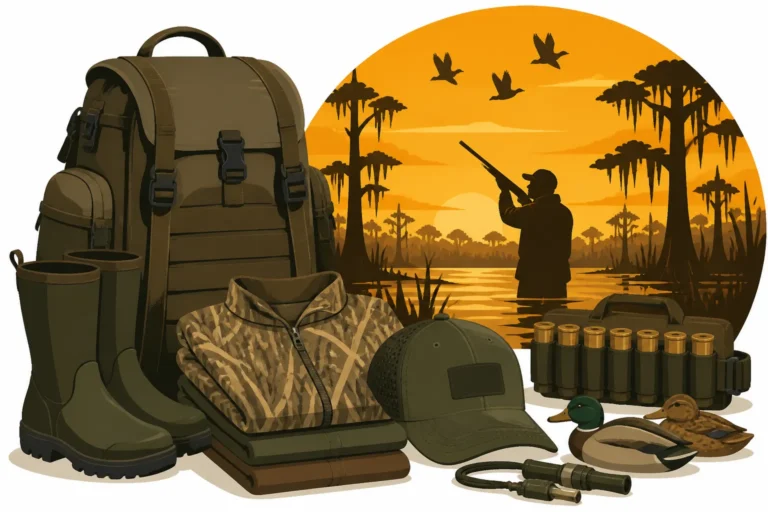
This is where a multi-species hunt gets interesting! You won't just need your deer hunting camo; you'll likely need specialized gear for each type of game you're pursuing. Your outfitter should provide a comprehensive packing list, but here's a general overview of what to consider:
- Clothing: You'll need layers suitable for potentially warm early mornings and surprisingly chilly late afternoons or evenings, especially in Louisiana's unpredictable weather. For waterfowl, waterproof and windproof outerwear is non-negotiable, along with waders if you'll be wading in marshes or flooded timber. For deer and turkey, good quality camouflage for scent and visual concealment is essential. For hogs, durable, thorn-resistant clothing is a good idea if you're pushing through thickets.
- Firearms/Archery: This is probably the most significant difference. You'll likely need a rifle or bow for deer and hogs, and a shotgun for waterfowl and turkey. Ensure all your firearms are legal for the intended species in Louisiana and that you have appropriate ammunition for each. If you're using a crossbow for deer, be aware of Crossbow Rules During Louisiana Archery Season.
- Footwear: Comfortable, waterproof boots are a must. If duck hunting, chest waders are often required. For deer or turkey, good walking boots that are quiet are invaluable.
- Accessories: Binoculars, rangefinder, headlamp, calls specific to each species (deer calls, turkey calls, duck/goose calls), scent control products for deer, insect repellent, and a good knife are all essential. Don't forget rain gear that works for all activities.
- Coolers: Bring plenty of coolers for transporting meat. Even if your outfitter offers processing, you'll need a way to get your harvest home. The Louisiana heat, even in winter, means quick cooling is important.
It's a lot to pack, so consider using duffel bags that can be easily compressed or organized within your vehicle. Many hunters find using a Booking a Multi-Species Louisiana Hunt Week for the detailed gear list is incredibly helpful.
Travel and Accommodation Considerations
Most reputable multi-species outfitters will offer some form of lodging, ranging from rustic cabins to full-service lodges with meals included. Confirm these details upfront. If meals aren't included, plan for how you'll handle food for the week, especially if you're staying in a remote location.
Regarding travel to and from the hunting area, ask your outfitter about the closest airport if you're flying, and if they offer any shuttle services. If you're driving, verify vehicle access to their property and any specific requirements for navigating their land. For instance, some deep marsh or basin hunts might require specific boat access that the outfitter provides.
Make sure all your licenses and permits are purchased before your trip. While many can be bought online, having them in hand or digitally saved on your phone is crucial. Remember the Louisiana Federal Duck Stamp Requirement for waterfowl and the Louisiana HIP Certification for Bird Hunters if you're targeting migratory birds. Double-check all game reporting requirements, as Louisiana requires deer to be reported.
Lastly, be realistic about your physical capabilities. A week of chasing multiple species, potentially in varied and challenging terrain like swamps or thick marsh, can be physically demanding. Ensure you're in good shape and communicate any physical limitations to your outfitter so they can tailor the experience accordingly. A well-prepared hunter is a successful and happy hunter, especially on a unique multi-species adventure in Louisiana!
Disclaimer
This article is for general informational purposes only and does not constitute professional advice. Laws, prices and regulations vary by location and change over time. Consult a qualified professional for guidance on your specific situation.