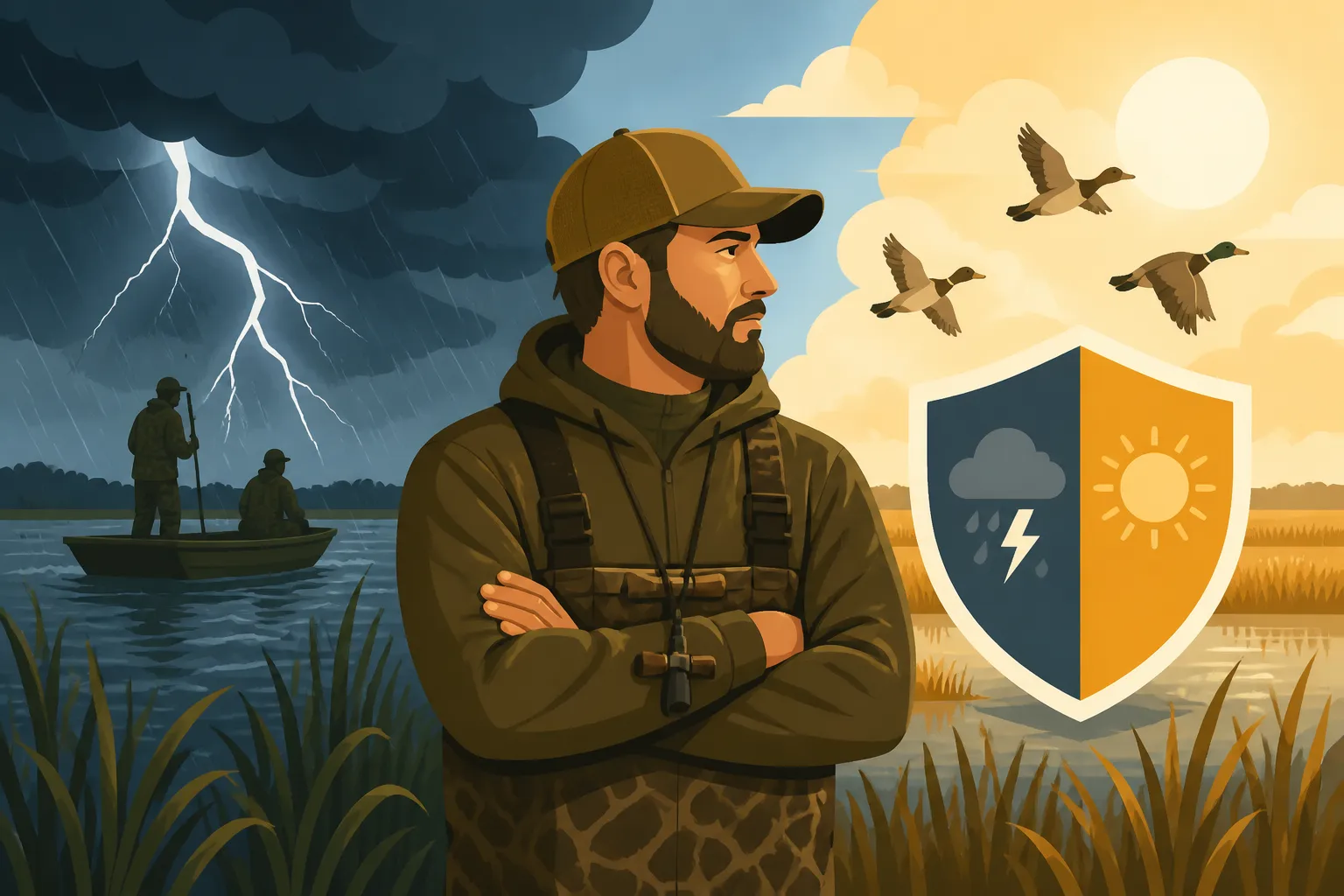
Weather Contingency Policies for Marsh Guides
There's nothing quite like the heartbreak of a long-planned marsh duck hunt getting called off at the last minute because Mother Nature decided to throw a tantrum. Louisiana's coastal marsh is an incredible place to chase waterfowl, but it's also famously unpredictable when it comes to weather. This guide will walk you through what to expect, what to ask, and how to protect your investment when booking a guided marsh hunt in the face of uncertain weather.
The Unpredictable Nature of Louisiana Marsh Weather
Hunting the Louisiana marsh for ducks and geese is an experience unlike any other, but it comes with a built-in challenge: the weather. Our coastal environment is a vibrant, dynamic place, which also means it's incredibly susceptible to rapid changes. You might wake up to a clear, crisp morning, only for a thick fog to roll in by midday, or a strong cold front to blow through, turning calm waters into a choppy mess. This unpredictability isn't just an inconvenience; it can directly impact the safety and success of your hunt.
The Sudden Shifts: Fog, Wind, and Cold Fronts
Louisiana's marsh weather can change on a dime, and it’s these sudden shifts that pose the biggest challenge for guided hunts. Think about those notorious coastal fogs. They can be so dense you can't see twenty feet in front of your boat, making navigation perilous and boat travel outright dangerous. Guides are responsible for your safety, and a heavy fog means they simply can't operate. You might have your heart set on working a specific pond you’ve scouted on the map, but if visibility drops to zero, it’s just not going to happen.
Then there’s the wind. Oh, the wind! A strong breeze can turn a comfortable boat ride into a white-knuckle affair, making decoys impossible to set and birds nearly impossible to decoy. If sustained winds are over a certain threshold, even traveling in an open marsh boat can become unsafe, especially with gear and multiple passengers. Many times, what starts as a gentle southerly flow can quickly become a stiff northerly gale after a cold front pushes through, dropping temperatures and whipping up the water. These cold fronts, while often bringing in fresh ducks, can also bring severe weather, freezing temperatures that impact boat operations, or even icy conditions that make getting around dangerous. It’s a constant dance with nature, and sometimes, she just doesn't want to dance.
Impact on Hunting Conditions and Safety
Beyond just travel, poor weather directly impacts the hunting itself. High winds don't just make setting decoys difficult; they can make it nearly impossible for ducks to finish in your spread. Birds will often flare high or simply pass over, fighting the wind. Heavy rain isn't just uncomfortable; it can soak your gear, chill you to the bone, and make it hard to see incoming birds. Most importantly, safety is always the guide's number one concern. No duck is worth a capsized boat, a lost hunter, or a hypothermic client. A responsible guide will prioritize your well-being over attempting to force a hunt in dangerous conditions. This might mean an early end to a hunt, or even a cancellation before you ever leave the dock. It’s frustrating, absolutely, but it’s for your own good. Many seasoned hunters understand this; it's part of the deal when you pursue waterfowl in dynamic environments like the Louisiana marsh.
Deciphering Your Guide's Weather Contingency Policy
When you book a guided trip, especially for something as weather-dependent as marsh duck hunting, understanding the guide's policy on cancellations due to adverse weather is absolutely crucial. This isn't just about reading the fine print; it's about having a clear conversation with your outfitter to avoid surprises. Every guide and lodge will have slightly different rules, and what one considers "unhuntable" weather, another might try to tough out. You need to know where you stand before you put down your hard-earned money.
Rescheduling, Rebooking, and Deposit Management
Most marsh guides operate on a deposit system. You pay a percentage upfront to secure your dates, and the balance is due on the day of the hunt. If the guide cancels your trip due to weather, the most common scenario is that your deposit will be held as a credit for a future hunt. This is often the most practical solution for both parties. For the guide, it means they don't lose the income entirely and can rebook you when conditions are safe. For you, it means you don't lose your money, although it does mean you'll need to find new dates.
It’s vital to clarify the terms of this credit:
- Validity Period: How long do you have to use the credit? Is it for the current season, or can it roll over to the next? Some guides might give you a full year, while others expect you to rebook within the same season.
- Availability: Can you rebook any open date, or are there restrictions? Prime dates (like opening weekend or holidays) fill up fast. You might find yourself having to take a midweek date or a less desirable weekend.
- Transferability: Can you transfer your credit to another hunter if you can't make the new dates? This is less common but worth asking if you have hunting buddies who might be interested.
Sometimes, guides might offer a partial refund if rescheduling isn't possible, but don't count on it. Their business model relies on those bookings, and severe weather can significantly impact their income. Consider this when you're comparing options. What a guided marsh duck lodge costs will vary, but policies are just as important as the price tag.
The Realities of Refunds
Let's be blunt: full refunds for weather cancellations are rare in the guiding world. A guide's time is their livelihood, and if they block out a day for you and can't hunt, that's a lost opportunity for them. While you might feel entitled to your money back, their perspective is that they were ready and willing to provide the service, but Mother Nature intervened. They can't control the weather.
You might find some flexibility, especially if you're a repeat client or if the cancellation is due to truly extreme, long-duration events like a hurricane. However, for typical bad weather – a few days of high winds or heavy fog – a rebooking credit is almost universally the standard. This is why having a clear understanding of the rebooking process is so important. Don't assume a refund will be an option; assume a credit for a future trip and plan accordingly. If you're looking for different options, maybe even consider Hunting the Vermilion Parish Marsh with a different guide next time.
Understanding "Act of God" Clauses
Many guide service contracts will include an "Act of God" clause. This legal term basically covers events beyond human control, such as natural disasters like hurricanes, floods, or extreme weather that make it impossible or unsafe to perform the service. In Louisiana, with our susceptibility to tropical systems, this clause is particularly relevant. If a named storm is bearing down on the coast, it's pretty clear cut. The guide will likely cancel, and your deposit will almost certainly fall under this clause, leading to a reschedule rather than a refund.
The gray area comes with less severe but still impactful weather, like persistent fog or strong winds. Is a three-day stretch of dense fog an "Act of God"? Most guides would say yes, as it renders their service impossible due to safety concerns. This clause protects them from financial liability for things they simply cannot prevent or predict with absolute certainty. It’s crucial to know that if such a clause is present, it almost always defaults to a rebooking or credit, not a refund. Always ask for a copy of the guide's terms and conditions or cancellation policy in writing before you commit.
Proactive Steps: Asking the Right Questions Before You Book
You've got your heart set on a fantastic Waterfowl Hunting the Louisiana Coastal Marsh experience, and you're ready to find a guide. Before you even think about putting down a deposit, you absolutely need to have a detailed conversation about their weather contingency plan. Don't wait until the day before your trip to find out what happens if a squall blows in. Being proactive and informed will save you a lot of headache, heartache, and potential financial loss.
Specific Questions for Your Guide
When you're talking to potential guides, be direct. It's their business, and they should have clear answers. Here's a checklist of questions you should absolutely ask, and don't be afraid to ask for these policies in writing:
- What specific weather conditions would lead you to cancel a hunt? (e.g., sustained winds over X mph, visibility below Y feet, temperatures below freezing, lightning). Get concrete examples.
- If you cancel due to weather, what are my options? (e.g., full credit, partial refund, rebooking to another date).
- Is my deposit fully transferable to a new date if you cancel due to weather?
- How long do I have to use a weather-related credit? Is it only for the current season, or does it roll over to the next?
- What if I cannot make any of the alternative dates you offer? Is there any possibility of a refund then?
- What is your policy if the weather turns bad during our hunt? (e.g., do we get a partial credit for a shortened trip, or is it considered a full day?)
- Do you recommend trip insurance, and do you work with any particular providers?
- Where can I find your full written cancellation policy?
Having these answers clearly laid out beforehand means no surprises down the line. It also shows the guide you're a serious client who understands the realities of hunting in our beautiful, yet wild, marshlands. These details are often overlooked but are just as important as asking about their success rates or how many ducks they killed last year.
Utilizing Resources and Reviews
Beyond direct communication, leverage available resources to research potential guides and their reputations. Platforms that list hunting guides, like BookYourHunt, often include sections for customer reviews where previous clients might mention their experiences with weather cancellations. Did the guide handle it professionally? Were their policies clear? These firsthand accounts can provide valuable insight. Similarly, broader outdoor forums and resources, sometimes including specialized sections like those found on GoHunt for different regions, can offer discussion threads or reviews that touch upon how certain outfitters manage unforeseen circumstances.
However, read reviews with a critical eye. A single negative review about a weather cancellation might be from an unreasonable client. Look for patterns. Does multiple feedback mention confusion or dissatisfaction with a guide's weather policy, or do most clients praise their transparency and fairness? Pay close attention to how the guide communicates and how consistently they apply their stated policies. It's also a good idea to seek out references from guides directly. Ask for contact information for a couple of clients who experienced a weather cancellation and see how the situation was resolved. A reputable guide will be happy to provide these.
Navigating a Weather-Affected Trip
So, you've asked all the right questions, booked your trip, and now the forecast is looking… less than ideal. Or maybe you're already in Louisiana, gear packed, and a late-season cold front is suddenly on its way. This is where your proactive planning, combined with a good dose of flexibility, truly pays off. Dealing with a potentially weather-affected hunt can be stressful, but by knowing what to expect and how to communicate, you can minimize disappointment and maximize your chances of still having a great experience, even if it's not exactly as planned. This could also be a good time to reconsider some Warm-Weather Sitting Strategy in Louisiana if the forecast shows a sudden warming trend after a cold snap.
Communication is Key
Once you’ve booked, maintain open lines of communication with your guide, especially as your trip date approaches. A good guide will likely reach out a few days before your hunt to discuss the forecast and any potential impacts. Don’t wait for them to call; if you see a concerning weather pattern developing, reach out to them.
- Proactive Check-ins: A week or so out, send a quick email or text. "Hey Captain, just checking in on the forecast for our hunt on the Xth. Looks like Y might be rolling in. Any thoughts on how that might affect us?"
- Stay Flexible on Timing: Sometimes, simply adjusting the start time of the hunt can make a huge difference. If fog is predicted to lift by 9 AM, your guide might suggest a later start. If winds are supposed to pick up in the afternoon, an earlier departure might be proposed. Be open to these suggestions.
- Listen to Their Expertise: Your guide lives and breathes that marsh. They know its nuances, its danger points, and how specific weather patterns truly impact the hunting. Trust their judgment when they say conditions are unsafe or unproductive. They're not canceling your trip to spite you; they're doing it to keep you safe and ensure a quality experience when you do get out there. Remember, they want you to come back, and a safe, successful hunt is how they build that loyalty.
Flexibility and Realistic Expectations
This is perhaps the hardest part for many hunters. We pour so much anticipation and money into these trips. We dream of that perfect morning with birds bombing into the decoys. But the reality of hunting, especially in the marsh, is that Mother Nature is the ultimate boss.
- Embrace the "Plan B": If the guide says a full duck hunt isn't possible, but maybe a squirrel hunt on a nearby piece of high ground is an option, consider it! You're already there, and any time spent afield is better than none. You might even find yourself enjoying Squirrel Hunting Louisiana Bottomland Hardwoods.
- Accept a Shortened Hunt: If conditions deteriorate mid-morning and the guide says it's time to pull the plug for safety, accept it gracefully. Pushing limits is how accidents happen.
- Understand the "No-Show" Consequence: If you decide not to show up for a trip because you think the weather looks bad, but the guide determines it's huntable, you will almost certainly forfeit your deposit and potentially the full fee. The guide was ready; you weren't. This is why clear communication and trusting your guide's judgment are paramount. They are responsible for making that call on huntability.
- Manage Your Travel: For non-residents, dealing with weather cancellations can be even trickier, especially with flight schedules. This is where What Happens if a Hurricane Threatens Your Trip becomes a major concern. Building in a buffer day or two if possible can sometimes allow for a rescheduled hunt within your travel window.
Ultimately, remember that marsh guides want you to have a great time and come back. They are often as disappointed, if not more so, than you are when a trip gets weathered out. By being informed, asking the right questions, communicating openly, and approaching the situation with a flexible mindset, you'll ensure that even if the weather doesn't cooperate, you'll still have a positive experience with your guide and hopefully, a fantastic hunt down the line.
| Scenario for Weather Impact | Common Guide Policy | Your Best Action |
|---|---|---|
| Severe Storm/Hurricane | Full cancellation, deposit credit, reschedule to future date. | Communicate early, activate travel insurance if you have it. |
| High Winds (unsafe boat travel) | Cancellation for safety, deposit credit, reschedule. | Trust guide's safety call, be flexible with rebooking dates. |
| Dense Fog (zero visibility) | Delayed start or cancellation, deposit credit, reschedule. | Be patient, stay in touch with guide for updates. |
| Heavy Rain/Extreme Cold (uncomfortable/unproductive) | Often still hunt unless safety risk; guide might offer early end. | Discuss comfort levels with guide, layer up, be prepared for tough conditions. |
| Unforeseen Guide Illness/Boat Issue | Full refund or deposit credit, reschedule. | Guides usually handle this professionally; ask about their backup plan. |
Disclaimer
This article is for general informational purposes only and does not constitute professional advice. Laws, prices and regulations vary by location and change over time. Consult a qualified professional for guidance on your specific situation.