Dog-Drive Hog Hunt Pricing in Louisiana
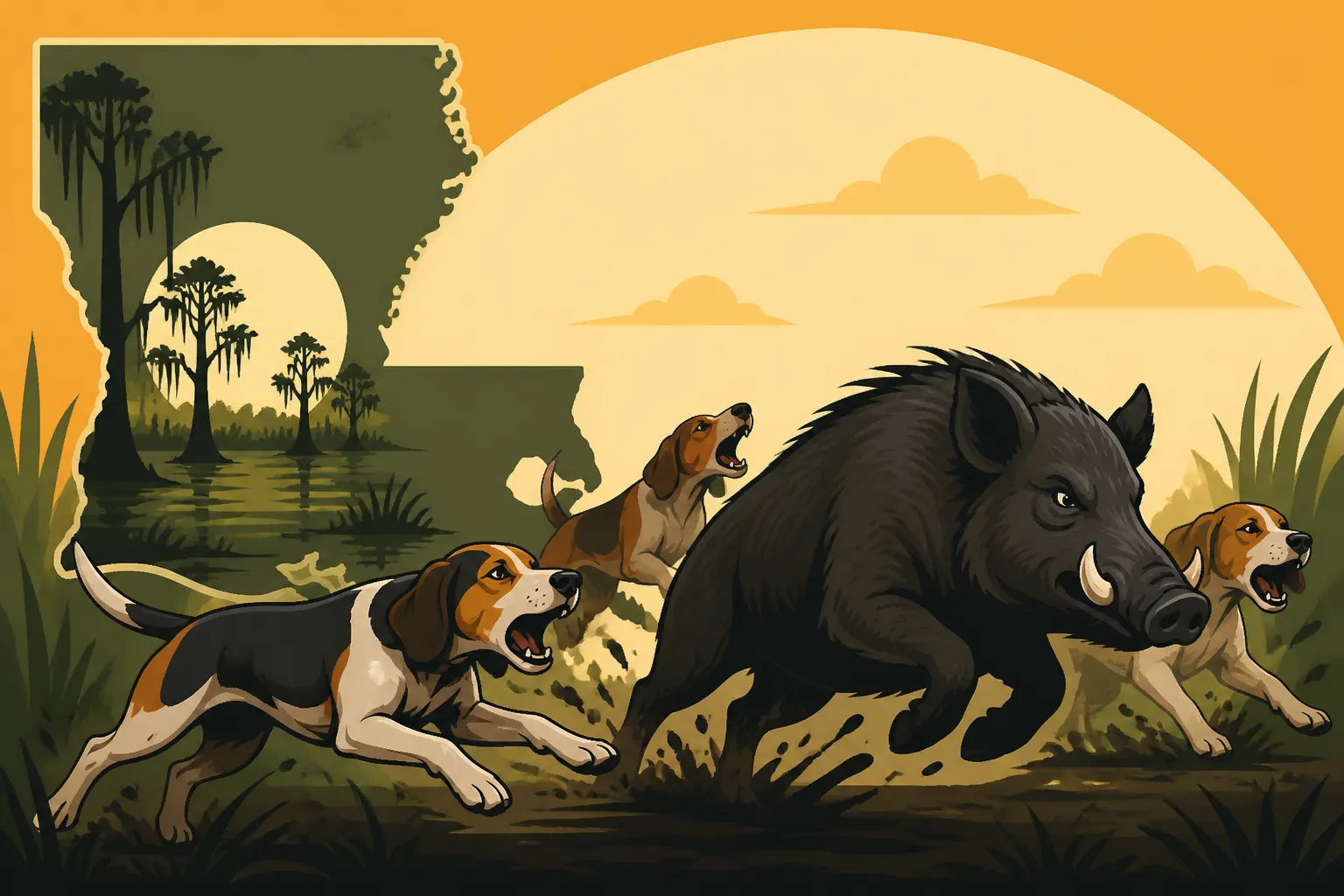
You've heard the stories, seen the videos – a pack of baying hounds, the adrenaline rush of a hog breaking cover. A dog-drive hog hunt in Louisiana sounds like an incredible adventure, but let's be honest, figuring out what it actually costs can feel like trying to track a hog through thick palmettos after a rain – confusing and full of false leads. This guide aims to pull back the curtain on the pricing of dog-drive hog hunts in Louisiana, helping you understand the factors involved, what your money typically gets you, and how to plan your budget for this unique hunting experience.
Understanding the Factors Influencing Dog-Drive Hog Hunt Costs in Louisiana
When you start researching dog-drive hog hunts, you'll quickly realize there isn't one single price tag. Just like choosing a fishing charter or a duck blind, the cost is a dynamic beast, shaped by a variety of elements. It's not just about the guide and their dogs; it's about the entire experience they're offering. Understanding these core factors will help you make sense of the quotes you receive and decide what level of investment matches your expectations.
Guide Experience and Reputation
Let's face it, a guide with a long-standing reputation for successful hunts, healthy dogs, and excellent client communication is going to command a different price than someone just starting out. Experience in dog-driving hogs, especially in the challenging terrain of Louisiana, is invaluable. These are folks who know the land, understand hog behavior, and more importantly, know how to manage a pack of highly trained dogs to push hogs effectively. Their dogs are often a significant investment, requiring extensive training, veterinary care, and specialized equipment. A top-tier guide isn't just selling you a hunt; they're selling years of accumulated knowledge, successful outings, and a well-oiled operation. You're paying for their expertise in reading the subtle signs of the bayou, knowing where hogs like to lay up, and how to safely run dogs through dense cover. This isn't just a leisure activity for them; it's a specialized skill honed over countless hours.
Duration and Inclusions of the Hunt
The length of your hunt, and what's bundled into the price, are huge determinants of cost. A basic half-day hunt will naturally be less expensive than a full-day excursion, and a multi-day package can quickly escalate the total. Consider what’s included: does the price cover just the guiding service and the dogs for a few hours, or does it also include things like transportation to and from the hunting grounds, snacks and drinks, field dressing of your hog, or even lodging and meals for multi-day trips? Some outfitters might offer equipment rentals if you don't have your own, adding another layer to the cost. For example, some may include basic processing of your hog, getting it ready for transport, while others might offer taxidermy arrangements or professional butchering services for an additional fee. It's crucial to get a detailed breakdown of what's in and what's out before you commit. A hunt might look cheaper on paper, but if you have to factor in all these other expenses separately, it might end up costing more than a seemingly pricier all-inclusive package. You'll want to ask about game recovery protocols too – dragging a hog out of a swamp is no small feat, and some guides factor this into their service.
Location and Accessibility
Louisiana is a big state, and the type of terrain where dog-drive hog hunts occur can vary significantly, from the dense bottomland hardwoods of the Tensas River Basin to the thickets along major rivers or private timberland. The accessibility of the hunting area plays a role in pricing. Hunts deep in remote swamps, requiring specialized boats or ATVs for access, might incur higher operational costs for the outfitter, which can be reflected in the price. Similarly, hunts on heavily managed private land, where the outfitter might pay a premium lease fee, could also be more expensive. These locations often have higher hog populations or offer a more exclusive hunting experience. Conversely, hunts on more accessible public or semi-private lands might be slightly less expensive but could also come with more hunting pressure. The cost of fuel, vehicle maintenance, and boat launches all contribute to an outfitter's overhead, and when you're navigating the sprawling waterways and bayous of Louisiana, those costs can add up quickly.
What to Expect in a Dog-Drive Hog Hunt Package
Once you've wrapped your head around the factors influencing cost, it's time to dive into the specifics of what a typical dog-drive hog hunt package might entail. This isn't just about the dollar amount; it's about the value you're getting for that investment and ensuring the experience aligns with your expectations.
Common Inclusions and Exclusions
Most dog-drive hog hunts will, at a minimum, include the services of the guide and their pack of trained hog dogs. This is the core offering. Beyond that, the inclusions can really start to vary. A good package might include transportation from a designated meeting point to the hunting property, especially if it's on a sprawling private lease or a less accessible public tract. Field dressing of your harvested hog is often part of the deal, getting the animal ready for transport back home. Some guides might even offer skinning services, or at least help with loading the hog into your vehicle.
What's excluded is just as important. Expect to pay for your hunting license and any necessary tags separately – these are rarely included in the outfitter's price. Food and drinks are often extra, especially for day hunts, so you'll want to pack your own unless specified. Gratuities for your guide and any support staff are almost always separate and expected, similar to tipping a fishing guide. Specialized equipment, like specific firearms or thermal optics for night hunting (though dog drives are typically daylight affairs), are usually on you to provide, unless the outfitter specifically offers rentals. Travel to Louisiana itself, lodging before or after the hunt, and meat processing beyond field dressing are also generally not included. Always clarify these points when booking.
Group Size and Private Versus Mixed Hunts
The number of hunters in your party can significantly impact the per-person cost. Many outfitters offer a discounted rate per hunter for larger groups, as it allows them to maximize their time and resources. If you're hunting solo or with just one other person, you might pay a higher individual rate, or you might be placed in a "mixed group" hunt.
Mixed group hunts mean you'll be joining other individuals or small parties you don't know. These can be a fantastic way to meet new hunting buddies and often come at a more accessible price point. However, you'll need to be comfortable with group dynamics and potentially less personalized attention. Private hunts, where your group has exclusive access to the guide and dogs, offer a more tailored experience but naturally come with a higher price tag. This can be ideal for families, corporate outings, or a close-knit group of friends who prefer a more intimate experience without outside distractions. The trade-off is often higher individual cost, but potentially more flexibility in the hunt's pace and specific goals.
Additional Services and Potential Upsells
Outfitters sometimes offer a menu of additional services that can enhance your hunt but will add to the overall cost. This might include professional photography or videography to capture the action, especially exciting on a fast-paced dog-drive hunt. Some might offer "trophy care" beyond basic field dressing, such as caping for a shoulder mount or preparing the skull for a European mount. If you're coming from out of state or don't want to deal with processing yourself, some guides have relationships with local butchers who can turn your wild hog into delicious cuts, though this will be an additional cost. Transportation from the airport, pre-hunt scouting reports, or even access to additional species if available (depending on season and licensing) could also be offered as add-ons. It's smart to ask about these upfront, not just so you can budget, but also to understand the full scope of what's available to customize your experience.
Navigating Pricing and Booking Your Hunt
Now that you've got a clearer picture of what drives costs and what typically goes into a package, let's talk about the practicalities of actually finding and booking your dog-drive hog hunt in Louisiana. It involves asking the right questions, comparing options, and leveraging available resources.
The Range of Costs You Might Encounter
Without putting specific numbers out there (because they change!), I can tell you that dog-drive hog hunt pricing in Louisiana typically follows a pattern based on the factors we've discussed. For a very basic, half-day hunt with minimal inclusions, you're looking at an entry-level investment. As you move towards full-day hunts with more services, particularly on private land or with highly experienced guides, the cost naturally increases. Multi-day, all-inclusive packages that cover lodging, meals, and multiple hunts will represent the highest investment.
Here's a general idea of how different types of dog-drive hog hunts might compare in terms of cost shape:
| Hunt Type | Duration | Typical Inclusions | Cost Shape (Relative) |
|---|---|---|---|
| Basic Day Hunt | Half-Day/Full-Day | Guide, dogs, field dressing, basic transport | Entry-Level to Mid |
| Enhanced Day Hunt | Full-Day | Guide, dogs, field dressing, better transport, some snacks | Mid-Range |
| Multi-Day Package | 2+ Days | Guide, dogs, lodging, meals, multiple hunts, full processing assistance | High-End |
| Private Group Custom | Variable | Exclusive guide/dogs, tailored experience, premium amenities | Variable, often Premium |
Remember, these are relative comparisons. A "mid-range" day hunt might still be a significant investment, but it will offer more than the absolute bare bones. Always check what's included and compare apples to apples when you're looking at different outfitters. Sometimes, spending a little more upfront for a truly comprehensive package can save you money and headaches down the road when you factor in all the incidentals.
Essential Questions to Ask Your Outfitter
Before you book anything, arm yourself with a list of questions. A reputable outfitter will be happy to answer them clearly and thoroughly. Here are some you absolutely need to ask:
- What is the exact per-person cost, and what is your minimum group size?
- What is included in the price? Get a specific list: guide, dogs, transportation, meals, drinks, field dressing, skinning, cooler space, etc.
- What is explicitly not included? This helps identify hidden costs like licenses, gratuities, additional processing, or equipment rentals.
- What is your success rate on dog-drive hog hunts? While not a guarantee, it gives you an idea of their typical client experience.
- What is your policy on wounded animals? This is important for ethical hunting.
- How many hogs can we expect to harvest? Some hunts might have a limit, others might be "as many as you can legally take."
- What kind of firearms are recommended/allowed? Make sure your gear is appropriate for the hunt.
- What is the typical terrain like, and what kind of physical exertion is involved? Dog drives can be physically demanding, especially in Louisiana's swamps.
- What are your deposit, cancellation, and refund policies? Life happens, and you need to know what to expect if plans change.
- Can you provide references from past clients? This is one of the best ways to vet an outfitter.
Don't be shy about asking every single question that comes to mind. It's your hard-earned money and your valuable vacation time, and you deserve a clear understanding of what you're buying into. When you're looking for an outfitter, platforms like BookYourHunt can be a great place to begin, offering listings and reviews that might answer some initial questions.
Using Online Resources and Platforms
In today's digital age, finding and booking a hog hunt is often just a few clicks away. Beyond direct contact with outfitters, several online platforms act as aggregators, connecting hunters with guides. These can be incredibly useful for comparing options and seeing what's available.
For instance, sites like BookYourHunt specialize in connecting hunters with outfitters globally, and you can often find a selection of Louisiana hog hunts there, including dog-drive options. They typically provide package details, pricing, available dates, and sometimes even client reviews, which can be invaluable. While GoHunt is often more associated with Western big game, it's a good habit to explore all reputable platforms for Louisiana options, though dog drives might be more niche there.
When using these platforms, pay close attention to the details provided in the listing. Does it clearly state "dog drive"? What are the specific inclusions and exclusions? Are there clear photos of past hunts and the hunting environment? Read client testimonials with a critical eye, looking for consistent themes about guide professionalism, dog performance, and overall satisfaction. These platforms can be a great starting point, but always follow up with direct communication with the outfitter to confirm all details and ask your specific questions. Remember, the online listing is a snapshot; the direct conversation is where you get the full picture. You might also want to search for Hog Hunting Outfitters and Night Hunts to see a broader range of options, though dog drives are primarily a daytime activity.
Maximizing Your Value on a Dog-Drive Hog Hunt
Booking a dog-drive hog hunt is an investment, both financially and in your time. To ensure you get the most bang for your buck and have an incredible experience, there are a few extra considerations that can make all the difference.
Off-Season Opportunities and Discounts
Hog hunting in Louisiana, unlike deer or turkey, can often be done year-round on private land, which opens up opportunities outside of peak deer season. This means some outfitters might offer slightly reduced rates or special packages during what would traditionally be considered their "off-season" for other species. If you have a flexible schedule, inquiring about hunts during the warmer months might present a more budget-friendly option. While the Louisiana heat and humidity can be intense, early mornings or cooler fronts can still provide excellent hunting conditions, and the hogs are always active.
Additionally, keep an eye out for group discounts if you can gather a few friends, or last-minute deals if an outfitter has an unexpected opening. Sometimes, booking further in advance can lock in a better rate, especially for popular times, while other times, a guide might have a cancellation and offer a deal to fill a spot quickly. It pays to ask about any current promotions or flexible booking options they might have.
Preparing for Your Hunt to Enhance the Experience
Your preparation plays a huge role in the success and enjoyment of your hunt, regardless of the price you paid. Being physically ready for the Louisiana terrain is paramount. Dog drives can involve a lot of walking, often through dense brush, uneven ground, and potentially wet or muddy conditions. Don't underestimate the physical demands of navigating the Basin Tactics for Louisiana Swamp Deer or other rugged landscapes. Comfortable, broken-in boots, appropriate clothing for the weather (layers are always good in Louisiana), and a basic level of fitness will prevent you from feeling miserable and help you keep up with the action.
Beyond physical fitness, ensure your gear is in order. Have the right firearm or archery equipment, and practice with it beforehand. While the guide provides the dogs, your shot placement is still key for a quick, ethical harvest. Familiarize yourself with Shot Placement on a Feral Hog before you head out. Communicate openly with your guide about your experience level and any physical limitations. The more information they have, the better they can tailor the hunt to your capabilities and maximize your chances of success.
Understanding the Ethical and Logistical Considerations
Hunting feral hogs with dogs is a tradition deeply rooted in Louisiana culture, and it’s a highly effective method for managing their rapidly growing populations. These animals cause significant agricultural damage and pose a threat to native wildlife, making their control a year-round priority. Understanding the purpose of the hunt can enhance your appreciation for the experience.
Logistically, think about what happens after the shot. If you harvest a hog, how will you get it home? What are the regulations around carcass movement, especially if you're crossing parish or state lines? Ensure you have adequate cooler space, ice, and a plan for meat processing. Many hunters relish the opportunity to butcher their own wild game, but if that's not you, make arrangements with a local butcher shop in advance. The guide can often recommend one. Being prepared for the full process, from the chase to the table, will make your entire experience seamless and rewarding. Remember to comply with all Louisiana Feral Hog Regulations and any specific rules the outfitter might have for their property.
Disclaimer
This article is for general informational purposes only and does not constitute professional advice. Laws, prices and regulations vary by location and change over time. Consult a qualified professional for guidance on your specific situation.