Lafourche Parish Marsh Public Access
The labyrinthine waterways and seemingly endless expanses of Lafourche Parish's coastal marsh present a truly unique challenge for public land hunters. For many, just figuring out where to legally access and effectively hunt these sprawling wetlands can be a huge headache, leading to wasted trips and frustration. This guide is dedicated to cutting through that confusion, offering practical insights and detailed advice to help you confidently navigate and successfully hunt the public access areas within Lafourche Parish's incredible marsh environment.
Understanding the Lafourche Marsh Landscape and Your Hunting Journey
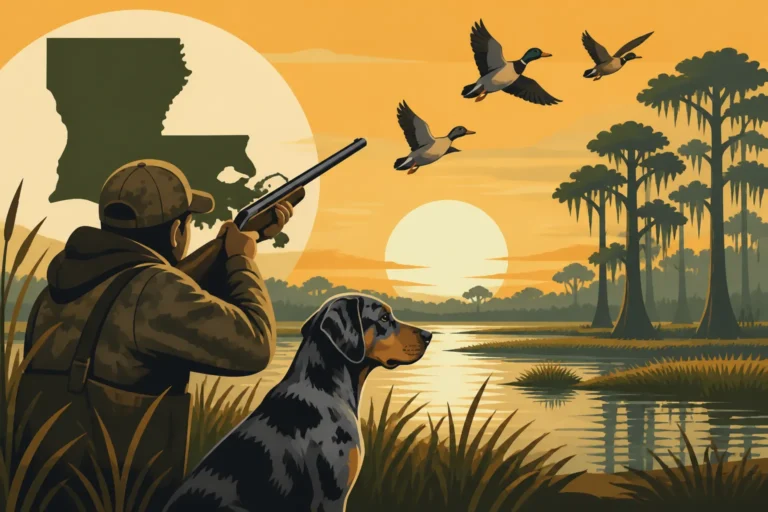
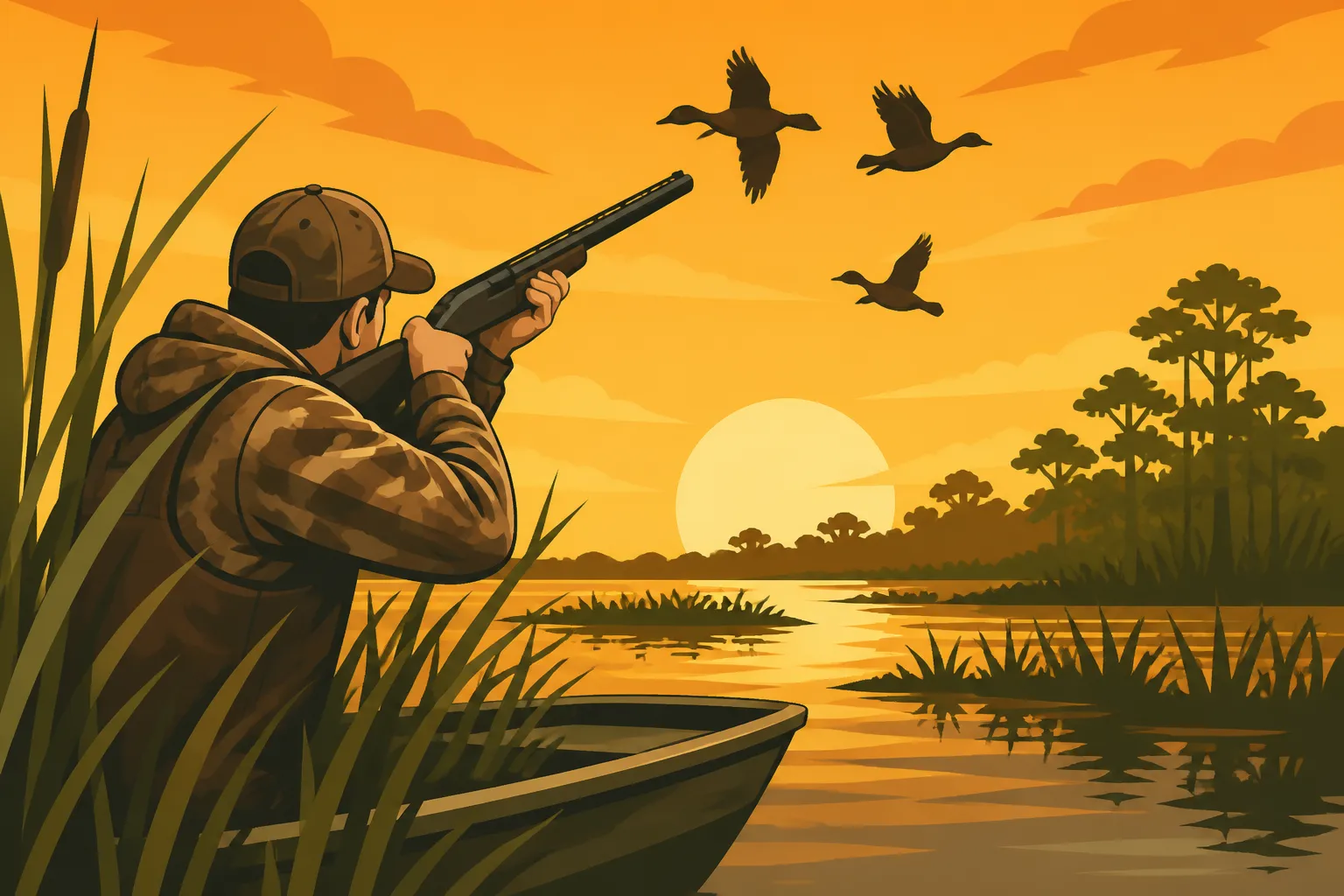
When you think of Louisiana hunting, Lafourche Parish’s coastal marsh often conjures images of endless reedy ponds, winding bayous, and skies filled with ducks. And while that vision holds true, the reality of hunting here is far more complex than just showing up with a shotgun. This isn't your typical deer stand in the piney woods; it's a dynamic, ever-changing environment that demands respect, preparation, and a keen understanding of its nuances. The brackish water, the soft, shifting mud, and the sheer scale of it all can be overwhelming for those unfamiliar with it.
The unique characteristics of Lafourche's marsh are what make it both incredibly productive and incredibly challenging. It's a vast ecosystem of intertidal zones, where the Gulf of Mexico's influence dictates much of the habitat. You'll find a mix of fresh and saltwater, creating diverse vegetation from roseau cane to submerged aquatic plants, all of which attract different species of waterfowl. This dynamic environment means that what was a prime spot last week might be bone dry or too flooded this week. It's a constant puzzle, but one that rewards those who put in the effort to understand its rhythms. Expect to be entirely boat-dependent, often navigating through incredibly shallow water, sometimes barely a few inches deep, requiring specialized equipment to get around.
The challenges of public marsh access in Lafourche are significant, and they often begin long before you even launch your boat. Many prime hunting areas are only accessible via specific bayous or canals, which themselves might be private or require careful navigation. You're not just dealing with the land itself, but with the water levels, tides, and weather that dictate where you can go and when. A beautiful calm morning can quickly turn into a white-capping nightmare, and cell service is often non-existent once you venture deep enough into the marsh. And let's not forget the persistent, often relentless, biting insects that can make even the most seasoned hunter question their life choices without proper protection. It's an environment that demands you think several steps ahead.
Navigating Public Access Points and Key Areas in Lafourche Parish
Finding legitimate public hunting grounds in such a vast and intricate parish as Lafourche can feel like searching for a needle in a haystack. The sheer scale of the marsh can be daunting, and differentiating between public land, private hunting leases, and various easements requires diligent research. You can't rely on roadside signs like you might in other hunting scenarios. Instead, you need tools and resources that provide granular detail on property boundaries and access.
This is where modern mapping applications become an absolute game-changer. Services like onX Hunt are incredibly invaluable for identifying state-owned lands, Wildlife Management Areas (WMAs), and even distinguishing between different types of easements and private holdings. With such a detailed overlay, you can scout from your couch, pinpointing potential hunting ponds, drainage ditches, and channels that lead to public areas. It takes a lot of the guesswork out of the equation, helping you avoid accidental trespass and focus your efforts on legitimate public access. While GoHunt offers fantastic resources, particularly for Western big game, onX Hunt is specifically tailored with the layers and detail crucial for navigating the complex land ownership patterns found in a parish like Lafourche.
When it comes to specific access points, Lafourche Parish provides opportunities through its numerous bayous and canals that feed into the larger marsh system. While a named WMA might not be directly in Lafourche (many state WMAs are immense and span multiple parishes or are located nearby), there are often extensive tracts of public land accessible via public boat launches along highways and parish roads that extend into the marsh. These launches can be found along major waterways like Bayou Lafourche itself, or smaller bayous branching off it towards the coast. You'll need to study detailed maps provided by the Louisiana Department of Wildlife and Fisheries (LDWF) alongside your mapping apps to identify these points. Remember, the journey into the marsh itself often involves navigating shallow, winding channels, which is why a smaller, shallow-draft boat or even a pirogue is often indispensable. Scouting Louisiana Public Land Before Season becomes paramount here, especially virtually, before you ever put a boat in the water.
Once you’ve identified a potential public tract, understanding what you'll encounter is key. These areas are rarely manicured or marked with clear trails. Expect to navigate through dense roseau cane, open mud flats, and expansive ponds. The "best" spots are often those farthest from easy access, requiring a true commitment to reach. This means longer boat rides, potentially poling through skinny water, and possibly wading through mucky bottomland once you arrive. The rewards, however, can be substantial, as these harder-to-reach areas often hold less pressured birds and offer a more solitary hunting experience.
Essential Gear and Regulatory Considerations for Lafourche Marsh
Hunting the Lafourche marsh isn't something you can do on a whim. The unique environment, coupled with state regulations, demands a specific set of gear and a thorough understanding of the rules. Forgetting a crucial piece of equipment or overlooking a licensing requirement can quickly turn a hopeful hunting trip into a frustrating bust.
First and foremost, you can't even think about stepping into the marsh without the proper legal documentation. Louisiana requires a basic hunting license for all resident and non-resident hunters. For waterfowl specifically, you'll need additional stamps: a Louisiana Migratory Bird Stamp, and if you're over 16, a Federal Duck Stamp. Don't forget your Harvest Information Program (HIP) certification, which is mandatory for all migratory bird hunters. All these can typically be purchased online through the LDWF licensing portal or at authorized retailers. Make sure to carry proof of these licenses with you at all times, often digitally on your phone through the LDWF app is sufficient. If you're new to hunting or haven't taken it yet, Louisiana Hunter Education Requirements are also a must. For specifics on cost and types, check out Louisiana Resident Hunting License Options.
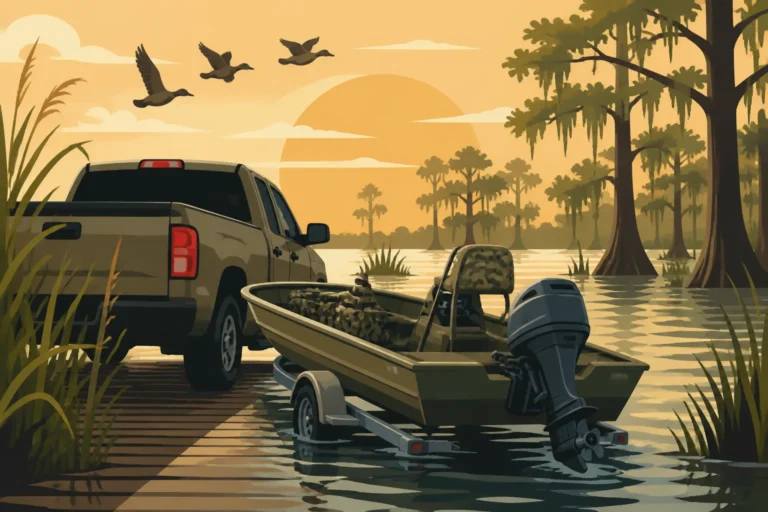
Beyond the paperwork, your equipment list for marsh hunting will look different than for a typical deer hunt. A reliable boat is at the top of the list, and for much of Lafourche's shallow marsh, this often means a flat-bottomed boat with a mud motor or an airboat. Traditional outboards may struggle or get stuck in the shallow, mucky bottom. Always carry personal flotation devices (PFDs) for everyone on board. A high-quality GPS unit is non-negotiable, as the marsh is a bewildering maze where landmarks are scarce, and even familiar areas can look completely different depending on the tide or fog. Pack a spare paddle or push pole, extra fuel, and an anchor, because getting stranded out there is no joke.
For the hunt itself, chest waders are essential; you'll be spending plenty of time in the water. Waterproof outerwear is a must, as conditions can change rapidly. For concealment, you might rely on natural vegetation like roseau cane, or you might need a portable blind. Decoys for dabbling ducks like mallards, gadwall, and teal are standard, and motion decoys can significantly increase your success. Make sure your shotgun is capable of shooting non-toxic shot, as lead shot is illegal for waterfowl hunting. Finally, safety gear like a well-stocked first-aid kit, a powerful headlamp, a whistle, and a reliable means of communication (like a satellite messenger, as cell service is often unreliable) are critical for survival in such a remote environment.
Understanding specific marsh regulations is also key. Louisiana Waterfowl Zones and Seasons and Louisiana Duck Daily Bag Limit are your go-to resources for season dates and harvest limits, as Lafourche Parish falls within a specific waterfowl zone. You'll also need to be aware of regulations regarding temporary blinds; permanent structures are generally prohibited on public land. Always adhere to ethical hunting practices, ensuring you can retrieve any downed game. Respecting private land boundaries is also paramount, and this is where a mapping app like onX Hunt or even GoHunt (if you're using it for broader trip planning) can prevent an accidental trespass charge.
Strategies for Success in Lafourche Parish's Public Marsh
Successfully hunting the public marshlands of Lafourche Parish is a culmination of meticulous preparation, adaptability, and an understanding of the intricate dance between nature and wildlife. It’s not just about finding ducks; it’s about understanding why they are where they are, and how to get there safely and effectively.
Your most important tool for success in the Lafourche marsh is undoubtedly thorough scouting. This isn't just a pre-season activity; it's an ongoing process. Use aerial maps on your onX Hunt app to identify open ponds, subtle channels, and areas of higher ground that might offer better vantage points or denser cover. Look for pinch points between larger bodies of water or areas where different types of vegetation meet. These features can act as natural funnels for birds. Pay close attention to water levels depicted on satellite imagery – dry areas during scouting could be prime ponds during hunting season, and vice-versa. Scouting Louisiana Public Land Before Season isn't just about walking woods; it's about seeing the marsh from above.
Crucially, you must factor in tides and weather. Tides dictate not only your access to certain areas but also bird behavior. During high tide, ducks may spread out into flooded vegetation, making them harder to find. As the tide recedes, they often concentrate in remaining shallow ponds and channels, offering better shooting opportunities. Always check local tide charts for your planned hunting dates and times. Weather plays an equally vital role; cold fronts often bring in fresh migrations of ducks and geese, while strong winds can make birds fly lower and make your decoy spread more lifelike. Conversely, calm, sunny days can make birds wary and hunting tougher. Reading conditions is paramount, as discussed in detail when Reading a Marsh Pond for a Morning Flight.
When setting up your decoy spread, simplicity often works best in the marsh. A mixed spread of dabbling ducks like mallards, gadwall, and teal typically covers your bases. Don't be afraid to use a few motion decoys to add realism, especially on calm days. Spacing your decoys appropriately, leaving a clear landing zone in front of your blind, is critical. For calling, remember that less is often more, particularly on pressured public land birds. Soft quacks, chuckles, and feed calls can be more effective than aggressive, loud hailing calls that might spook wary birds. While different habitats, the principles of Working Flooded Timber for Mallards often apply to understanding bird behavior and response to calls.
Beyond waterfowl, it's worth remembering that Lafourche Parish's marsh is also home to other game. Feral hogs are abundant and can be hunted year-round on private land, often without a bag limit, making them a potential bonus if you encounter them. While less common, alligators are also present. During their season, it's essential to be aware of your surroundings, especially when navigating dense vegetation. Knowing How Many Alligators Louisiana Has will give you an idea of their prevalence across the state. The Lafourche marsh is an incredible, albeit challenging, place to hunt, offering a truly unique Louisiana experience for those willing to embrace its wild nature. If you’re looking to focus solely on waterfowl, consider additional tactics like those for Hunting Cameron Parish Marsh Ducks or Layout Blind Hunting Coastal Rice Fields, as many principles translate directly to Lafourche.
Disclaimer
This article is for general informational purposes only and does not constitute professional advice. Laws, prices and regulations vary by location and change over time. Consult a qualified professional for guidance on your specific situation.