Waterfowl Hunting the Louisiana Coastal Marsh
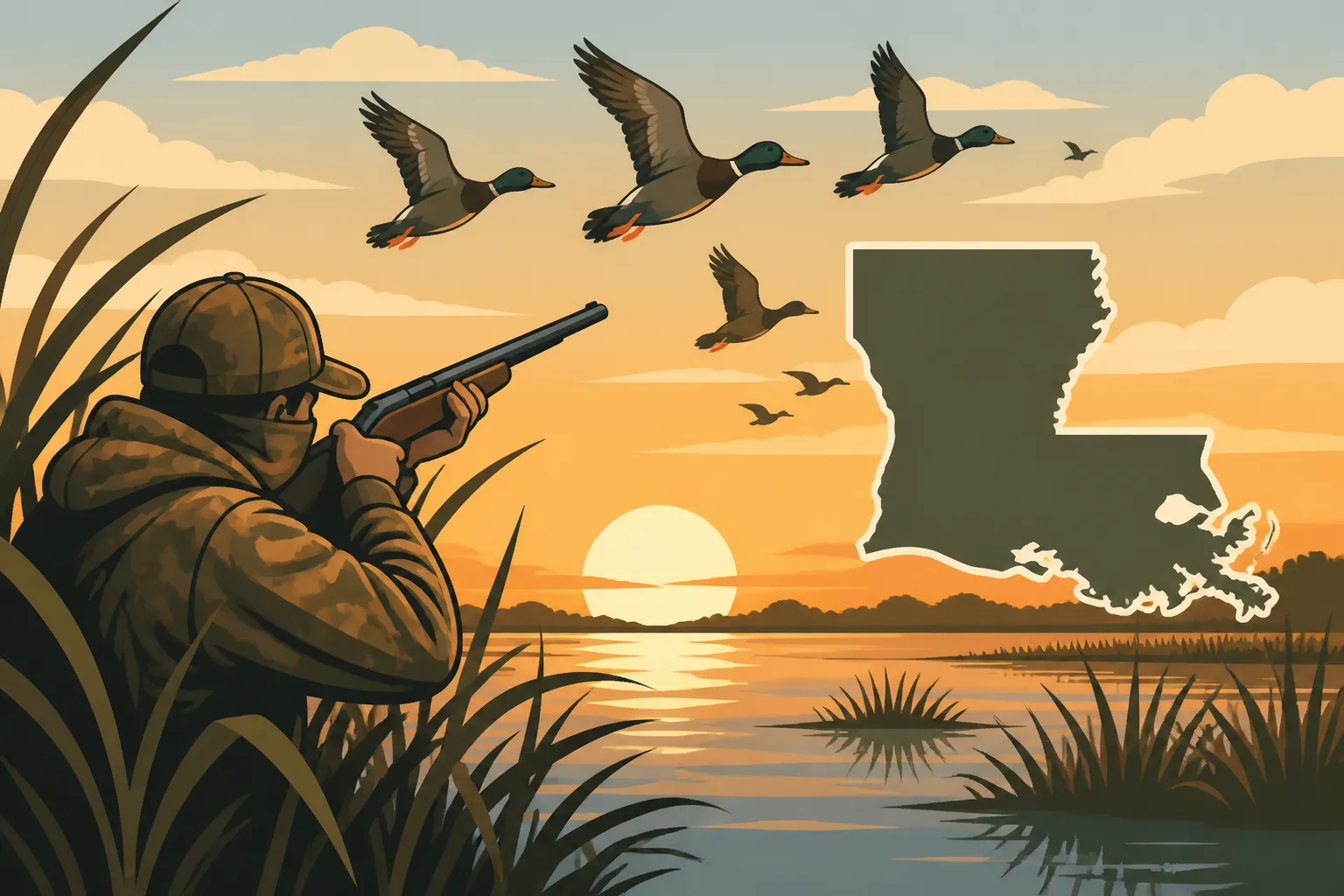
The vast, intricate labyrinth of the Louisiana coastal marsh presents a unique and incredibly rewarding challenge for waterfowl hunters, but it’s an environment that can quickly overwhelm the unprepared. From navigating endless bayous to understanding the nuances of ever-changing tides and diverse duck species, mastering marsh hunting requires specialized knowledge and gear. This guide aims to equip you with the insights needed to confidently chase ducks in one of North America's most productive wintering grounds, transforming potential frustrations into successful hunts.
Understanding the Louisiana Coastal Marsh Environment
Hunting the Louisiana coastal marsh isn't like hunting flooded timber or agricultural fields; it's a world unto itself. This dynamic ecosystem, shaped by the Mississippi River and the Gulf of Mexico, is a constantly evolving tapestry of shallow ponds, tidal creeks, vast expanses of Spartina grass, and scattered small islands. Understanding its unique characteristics is the first step to becoming a successful marsh hunter.
The Unique Habitat and Its Challenges
The marsh is primarily a brackish or saltwater environment, depending on its proximity to the Gulf and freshwater inputs. This means you'll find different vegetation than inland, dominated by various marsh grasses, often with submerged aquatic vegetation (SAV) that ducks absolutely love. Water levels fluctuate daily with the tides, which can dramatically impact access to certain ponds and how ducks utilize the area. What might be a perfect puddle at sunrise can be a dry mudflat by noon, leaving you scratching your head if you haven't factored in the tidal swing. The sheer scale of the marsh can also be daunting, with seemingly identical landscapes stretching for miles, making navigation a critical skill. This isn't a place for the uninitiated to simply launch a boat and hope for the best; it demands respect and careful planning. You’ll need to study maps, understand tidal charts, and ideally, pre-scout the areas you intend to hunt.
Diverse Waterfowl Species You'll Encounter
Louisiana's position at the terminus of the Mississippi Flyway means an incredible diversity of ducks and geese pour into the coastal marsh each winter. Unlike more specialized habitats, the marsh attracts a wide array of species, each with its own preferred foods and behaviors. Pintails, wigeon, gadwall, and green-winged teal are common sights, often working the shallow, open ponds. Redheads and scaup, known as "divers," favor deeper, more open water further out in the bays and larger lagoons, especially where submerged grass beds are plentiful. Mallards, while not as ubiquitous as in northern flooded timber, can still be found, often in areas closer to freshwater sources or where private landowners manage for them. You might also encounter shovelers, ring-necked ducks, and even a few buffleheads. Understanding which species frequent which types of marsh habitat is crucial for setting up effective decoy spreads and knowing what calls to use. For instance, a spread designed for pintails in a shallow slough won't be as effective for scaup out in a big, open bay.
| Duck Species | Typical Marsh Habitat | Common Food Sources | Flight Characteristics |
|---|---|---|---|
| Pintail | Open, shallow ponds & mudflats | Seeds, aquatic invertebrates | Graceful, often high flyers |
| Gadwall | Ponds with emergent vegetation | Aquatic plants, seeds | Quick, erratic |
| Green-winged Teal | Shallow pools, mudflats | Seeds, small invertebrates | Small, incredibly fast |
| Wigeon | Open water, grazers | Aquatic plants, grasses | Swift, agile |
| Redhead | Open bays, deeper ponds | Submerged aquatic vegetation | Strong, direct, usually low |
| Scaup (Bluebill) | Open bays, large ponds, brackish | Mollusks, crustaceans, plants | Fast, low over water |
| Mottled Duck | Resident, entire marsh ecosystem | Seeds, insects, crustaceans | Fast, powerful, low |
Essential Gear for Marsh Waterfowl Hunting
Preparing for a marsh hunt goes beyond just grabbing your shotgun and a box of shells. The unique environment demands specific equipment to ensure safety, comfort, and success. Cutting corners on gear in the marsh can lead to anything from a miserable cold day to a dangerous situation.
Boats and Motors for Marsh Access
Your choice of watercraft is arguably the most critical piece of gear for marsh hunting. The vast majority of prime hunting spots are only accessible by boat, and not just any boat will do. You need something shallow-drafting, maneuverable, and reliable. Flat-bottomed aluminum boats, often 16-18 feet long, paired with an outboard motor (usually 40-75 horsepower), are standard. However, even these can struggle in the absolute shallowest areas or through thick grass. That's where mud motors come in. These specialized engines, like those from Pro-Drive or Gator-Tail, are designed to push boats through impossibly shallow water, mud, and dense vegetation that would chew up a conventional prop. They are game-changers for reaching truly remote, unpressured areas. Before you head out, always double-check your motor's functionality, carry spare shear pins, tools, and extra fuel. The last thing you want is to be stranded miles from a launch point as the tide drops. Consider having a reliable GPS unit onboard, and even a satellite communication device like a Garmin inReach, especially if you plan to explore truly isolated zones.
Decoys and Spreads for Marsh Ducks
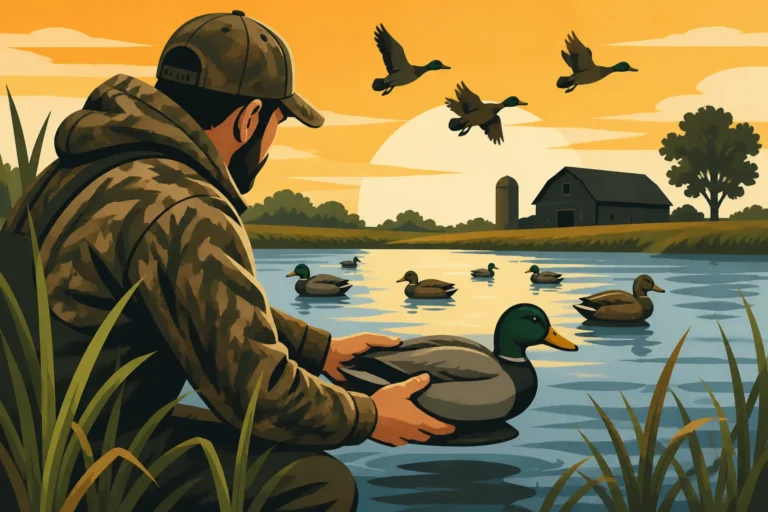
Marsh decoys don't necessarily need to be fancy, but they do need to be realistic and properly deployed. A standard spread usually includes a mix of species commonly found in the marsh, focusing on dabblers like pintails, gadwall, and green-winged teal. You might also add a few wigeon or even a few mallards for variety. Size matters here; larger magnum decoys can be more visible in big, open water, but standard sizes are fine for smaller ponds. Many marsh hunters favor "sleeper" or "feeder" decoys, which mimic ducks at rest or feeding, giving a relaxed, inviting appearance to passing birds. Spreads typically range from 2-4 dozen decoys, depending on the pressure and the size of the area you're hunting. Avoid overly symmetrical patterns. Ducks are wary, and a natural, loose arrangement that includes a "landing zone" or "hole" in front of your blind is often most effective. Consider using jerk strings or spinning-wing decoys (where legal and appropriate for the species you're targeting) to add motion, as movement is key to attracting birds' attention in a vast, static environment. For more advanced tactics, you might even consider specialized spreads as detailed in Reading a Marsh Pond for a Morning Flight.
Waders, Blinds, and Layered Clothing
Comfort and concealment are paramount in the marsh. Breathable chest waders are essential, as you’ll often be standing in knee-to-waist-deep water to set decoys, retrieve birds, or simply get to your blind. Choose insulated waders for colder days, but always wear layers underneath that you can shed as the morning warms up. A good waterproof, windproof outer shell is critical. The marsh can be surprisingly exposed, and a stiff breeze coming off the Gulf can cut right through you. As for blinds, many hunters opt for portable layout blinds or temporary setups using natural marsh vegetation. A well-brushed boat blind that blends into the surrounding grass is often the most practical solution, allowing you to move quickly to different spots. For those who prefer a more static setup, permanent or semi-permanent blinds can be constructed from cane, bamboo, or cedar, providing excellent concealment. Remember that the marsh changes with the seasons and weather, so a blind that was perfectly concealed in October might stand out like a sore thumb in January after a cold snap has browned the vegetation. Regular refreshing of your blind's natural cover is a must.
Navigation and Scouting Tools
In an environment as vast and featureless as parts of the Louisiana marsh, reliable navigation is not just convenient, it's a safety imperative. GPS devices, whether handheld units or integrated into your boat's console, are crucial. Mark your launch points, potential hunting areas, and any hazards like shallow oyster reefs or submerged stumps. Digital mapping apps, such as GoHunt, are incredibly valuable assets for scouting and in-field navigation. They allow you to study satellite imagery, identify potential ponds, sloughs, and access channels from home, and then use your phone or tablet to guide you directly to those spots. This can save countless hours of aimless searching and dramatically increase your chances of finding productive water. Before a hunt, use these tools to identify windbreaks, determine optimal entry and exit routes, and note the surrounding cover. Remember to download maps for offline use, as cell service can be spotty in many remote marsh areas. A compass and paper map are also good backups in case of electronic failure. Effective scouting, whether digital or on-the-water, is key to success, and these tools make it far more efficient.
Navigating the Waterfowl Zones and Seasons
Louisiana's waterfowl hunting regulations are designed to manage harvest across diverse habitats and migration patterns. Understanding the state's specific zones and season dates is critical for legal and ethical hunting in the coastal marsh. Ignoring these details can quickly turn a promising hunt into a costly mistake.
Louisiana's Coastal Waterfowl Zones
Louisiana is divided into three primary duck zones: West, Coastal, and East. The vast majority of the prime coastal marsh hunting falls within the Coastal Zone. This zone typically has its own specific opening and closing dates, as well as split seasons, which are different from the West and East zones. It’s absolutely essential to consult the Louisiana Department of Wildlife and Fisheries (LDWF) migratory bird regulations each year, as dates can shift slightly. The Coastal Zone generally encompasses the parishes bordering the Gulf of Mexico, including popular areas like Cameron, Vermilion, Iberia, St. Mary, Terrebonne, Lafourche, Jefferson, Plaquemines, and St. Bernard. These zones are established to account for the unique migration patterns and resident bird populations in each region. Hunters often face the temptation to "zone hop" for an earlier opener or a later close, but this requires meticulous attention to boundary lines and could easily lead to violations if not done with extreme care. Always know which zone you are in before you step foot out of the boat. For a deeper dive into the specific boundaries, check out Louisiana Duck Zone Rules.
Understanding Season Dates and Bag Limits
Beyond the specific zone, you need to be acutely aware of the season dates, which often include splits. A split season means there's an open period, then a closed period, followed by another open period. These closures are typically designed to give birds a break from hunting pressure or to align with specific migration phases. Missing a closure and hunting on a closed day is a serious offense. Equally important are the daily bag limits and possession limits. Bag limits dictate how many birds of each species you can harvest in a single day, while possession limits refer to the total number of migratory game birds you can have in your possession at any time, typically after multiple days of hunting. These limits can change, especially for specific species like pintails, redheads, or mallards, based on population surveys. For example, a "pintail restriction" might mean you can only shoot one pintail per day, regardless of the overall duck bag limit. Always be able to accurately identify the ducks you are shooting to avoid exceeding species-specific limits. Federal regulations also play a role, so a current federal duck stamp is always required, along with your Louisiana HIP Certification for Bird Hunters.
Louisiana Federal Duck Stamp Requirement
Hunting migratory waterfowl in Louisiana, or anywhere in the United States, comes with a federal requirement that often gets overlooked by new hunters: the Federal Duck Stamp. This isn't just another license; it's a vital conservation tool. Every hunter 16 years of age or older must purchase and carry an unexpired Federal Migratory Bird Hunting and Conservation Stamp. It's often referred to simply as the "Duck Stamp." The funds generated from the sale of these stamps are directly allocated to conserving wetland habitats critical for waterfowl and other wildlife. Since its inception in 1934, the Federal Duck Stamp program has helped to conserve millions of acres of wetlands across the country. When you buy that stamp, you're not just buying a piece of paper; you're directly contributing to the preservation of the very habitats that make waterfowl hunting possible in places like the Louisiana coastal marsh. Make sure you purchase it before your season opens, and always have it signed across the face and on your person while hunting.
Decoying Strategies for Coastal Ducks
Decoy placement and strategy in the vast, often shallow, coastal marsh differs significantly from timber or field hunting. You're dealing with open water, frequent wind, and wary birds that have seen every trick in the book. A well-thought-out spread is your best friend.
Shallow Water Spreads
For the abundant dabbling ducks found in the shallow ponds and sloughs of the Louisiana marsh – think pintails, gadwall, teal, and wigeon – shallow water spreads are key. The goal here is to create a realistic, inviting scene that mimics ducks feeding and resting in a natural fashion. Often, hunters will create a large "U" or "J" shape, with the open end of the letter facing into the wind, providing a clear landing zone directly in front of their blind or boat. Place your decoys relatively close together in small family groups, but leave plenty of open water in the landing zone. Incredibly realistic decoys, especially those with feeding or preening postures, can make a huge difference here. Don't be afraid to mix species; a few pintail, a dozen gadwall, and a couple of groups of teal can create a highly appealing scene. Consider adding a few shell decoys on dry mudflats if they exist, to suggest birds resting. The key is to convey safety and sustenance to passing flocks.
Open Water and Diver Spreads
When hunting deeper, more open water, especially in the larger bays or expansive lagoons that attract diving ducks like redheads and scaup, your decoy strategy needs to adapt. Diver ducks are often attracted to large, dense spreads that simulate rafts of birds. Think numbers – 4 to 8 dozen or even more can be effective. These ducks are typically less wary than dabblers when it comes to decoy realism, but they respond well to quantity. A common setup involves creating a long "string" or "hook" of decoys extending out from your blind, with the hook providing a cup for birds to land within. This acts as a highly visible beacon from a distance. Again, positioning the opening of your spread into the wind is crucial for birds to land properly. You can also mix in some coots or geese decoys to add bulk and visibility, especially on very large bodies of water. Remember, divers often come in fast and low, so be ready for quick shots. They also tend to fly in larger flocks, so prepare for multiple opportunities if you get them to commit.
Adding Motion and Realism
In any decoy spread, motion and realism are powerful attractants. In the marsh, where birds might be flying over vast distances, anything that catches their eye and makes your spread look alive is a huge advantage. Jerk strings, which allow you to manually create ripples and movement among a group of decoys, are a classic and highly effective tool. They can simulate feeding or ducks taking off, adding a dynamic element that still appears natural. Spinning-wing decoys, while sometimes controversial among hunters, can be incredibly effective, especially on calm days when natural motion is lacking. Position them strategically so they catch the light and the wind. Just be mindful of local regulations and hunter ethics regarding their use, and don't overuse them to the point of looking unnatural. Even simple things like using Texas rigs, which allow decoys to sway more naturally in currents, or placing decoys that accurately reflect the current feeding patterns of ducks can increase your success. The more you can make your spread look like real, contented ducks, the better your chances.
Key Tactics for Success in the Marsh
Successfully hunting waterfowl in the Louisiana coastal marsh involves more than just having the right gear; it demands a nuanced understanding of duck behavior, calling techniques, and strategic blind placement. This isn't a one-size-fits-all kind of hunting; adaptability is your best friend.
Calling Sequences for Marsh Species
Calling ducks in the marsh requires a specific touch. Unlike the aggressive calling often heard in flooded timber, marsh calling tends to be more subtle, relying on realism and timing. For dabblers like gadwall, pintails, and wigeon, a series of soft quacks, whistles, and feeding chuckles is often more effective than loud hails. A pintail whistle is a distinct and highly effective call for those long-necked birds, especially when they are circling. Gadwall often respond well to their unique "rattle" or "quack," and a soft, pleading highball for wigeon can turn them in. Green-winged teal respond to quick, high-pitched peeping calls. The key is to read the birds. If they are heading your way, a few soft clucks or contented feeding calls are usually sufficient. If they are drifting, a little more urgency might be needed, but always err on the side of under-calling rather than over-calling. Too much loud, frantic calling can spook wary birds, particularly after they've been pressured for a while. Always practice your calls beforehand and focus on making them sound as natural as possible.
Optimizing Blind Placement and Concealment
Blind placement in the marsh is paramount. Ducks have an incredibly wide field of view in this open environment, making concealment critical. Look for natural features that break up your silhouette, such as clumps of dense marsh grass, small rises, or the edge of a bayou. Many successful marsh hunters use boat blinds, which offer mobility and can be brushed in with local vegetation to blend seamlessly. When brushing in, mimic the surrounding habitat: use Spartina grass, cane, or whatever grows naturally nearby. Don't create a perfect rectangle; nature is rarely perfectly symmetrical. Ensure your blind offers good visibility for shooting while still keeping you hidden from incoming birds. Always consider the wind direction, as ducks almost always land into the wind. Your blind should be positioned downwind of your decoy spread, allowing ducks to approach and land directly in front of you. Pay attention to the sun's position throughout the morning; a poorly placed blind can leave you silhouetted against the rising sun, making you easily visible to wary birds. Even small details, like mud-camo face paint or dark gloves, can make a huge difference in an open marsh setting.
The Role of Tides and Wind in Waterfowl Movement
Understanding the intricate dance between tides and wind is crucial for consistent success in the Louisiana marsh. Tides dictate water levels, which in turn dictate duck access to feeding grounds. A high tide might flood shallow flats, allowing ducks to reach submerged vegetation they couldn't otherwise. A low tide can concentrate birds in deeper pockets or expose mudflats, making them prime spots for pintails and other dabblers. Before heading out, always check the local tidal charts for your specific area. Combine this with the wind forecast. Wind direction greatly influences how ducks fly and where they seek shelter. On a strong north wind, ducks might hug the leeward side of islands or dense marsh, seeking refuge from the chop. A light south wind might encourage them to spread out across open ponds. High winds can make decoying difficult, as your decoys might not ride naturally, and ducks might struggle to land in a tight spread. Learn to read the water, observe current lines, and adjust your strategy based on these dynamic natural forces. Sometimes, waiting for the optimal tidal window or a favorable wind shift can turn a slow morning into a memorable hunt. These local conditions are so important, as highlighted in Wind and Thermals in Swamp Bottomland, even though the coastal marsh presents different challenges.
Scouting and Adaptability in the Field
Scouting isn't just a pre-season activity; it's an ongoing process, especially in the ever-changing marsh. What was a hot spot last week might be barren this week due to shifting tides, food sources, or hunting pressure. Use your GoHunt maps and binoculars to locate fresh sign – actively feeding birds, rafts of ducks, or fresh droppings. Pay attention to how ducks are flying into and out of areas. Are they following a specific slough? Are they circling a particular type of vegetation? Don't be afraid to move if a spot isn't producing. The beauty of a boat blind is its mobility. If ducks aren't working your current spread, pick up, move to another promising pond, and reset. This adaptability is critical in the marsh, where conditions and bird patterns can change hourly. Sometimes, simply moving a few hundred yards to get better wind advantage or to a pond with more active birds can make all the difference. Always have a few backup spots in mind based on your scouting and current conditions. This proactive approach ensures you're not just waiting for ducks, but actively putting yourself in the best position for success.
Safety and Ethics in the Coastal Marsh
The Louisiana coastal marsh, while beautiful, can be unforgiving. Prioritizing safety and practicing ethical hunting are not just good ideas, they are non-negotiable for a responsible waterfowl hunter.
Navigational Hazards and Emergency Preparedness
The marsh is riddled with navigational hazards, from shallow oyster reefs that can tear up a prop to submerged stumps that can disable a boat. Always operate your boat at a safe speed, especially in unfamiliar waters or low light conditions. Keep a keen eye on your depth finder and GPS. Fog is a common and dangerous occurrence in the marsh, rolling in quickly and reducing visibility to zero. If fog sets in, anchor immediately, turn on your navigation lights, and wait it out. Carrying essential safety gear is not optional: personal flotation devices (PFDs) for everyone on board, a whistle, a fire extinguisher, a first-aid kit, a fully charged cell phone (in a waterproof bag), and preferably a marine radio or satellite communication device for emergencies. Let someone know your float plan – where you're going and when you expect to return. The vastness of the marsh means help can be a long way off. Always check the weather forecast, paying close attention to wind advisories and potential cold fronts, which can create dangerous conditions on open water.
Shotgun Safety and Responsible Shooting
Standard shotgun safety rules apply doubly in the dynamic environment of a duck blind. Always treat every firearm as if it's loaded. Keep the muzzle pointed in a safe direction, typically skyward or towards the water, away from other hunters. Be absolutely certain of your target and what is beyond it. In the marsh, this often means ensuring you have a clear shot at a duck against the sky and not towards another hunter's position or a nearby boat. Never swing on birds that are too low or that are flying past another blind. Maintain a safe zone of fire for each hunter in the blind. Only load your shotgun when birds are working and you are ready to shoot. Unload it immediately when moving the boat, retrieving birds, or if conditions become unsafe. Additionally, remember to use only non-toxic shot (steel, bismuth, tungsten-iron, etc.) for all waterfowl hunting, as lead shot is illegal. This is a crucial regulation designed to protect both waterfowl and the environment.
Ethical Hunting and Bird Identification
Ethical hunting in the marsh means more than just following the law; it means respecting the game and the resource. This includes making every effort to recover downed birds. A wounded duck can travel a long way in the marsh, and losing a bird is a disheartening experience. Use a retrieving dog if you have one, or be prepared to quickly pursue downed birds, especially those that might sail into dense cover. Good bird identification is also a cornerstone of ethical hunting. With varying bag limits for different species, it's critical to know what you're shooting before you pull the trigger. This comes with practice and experience. Study pictures of ducks in various plumages (drakes, hens, immatures), and learn to identify them in flight. Never "sky-bust" at birds that are out of range; it wastes shells, wounds birds that are rarely recovered, and educates ducks to avoid your spread. Wait for birds to commit, get into range, and offer a clean shot. This ensures a higher retrieval rate and a more respectful harvest.
Post-Hunt Care and Regulations
The hunt doesn't truly end until your birds are properly cared for and all regulations regarding harvest reporting are met. This is especially true for waterfowl in the Louisiana coastal marsh.
Field Dressing and Game Care in Warm Climates
Louisiana's waterfowl season often begins in relatively warm weather, and even in winter, temperatures can quickly rise. This means immediate and proper field dressing is crucial to prevent spoilage. As soon as a duck is harvested, get it cooled down. Many hunters will immediately gut the bird, or at the very least, pluck a few breast feathers and place an ice pack in the body cavity to allow heat to escape. A cooler full of ice is not just for drinks; it's essential for preserving your harvest. Don't just toss warm birds into a cooler; lay them on top of ice, or better yet, submerge them in an ice-water bath. This rapid cooling halts bacterial growth and ensures the meat remains top quality. Once back at camp or home, finish cleaning the birds promptly. Breast meat is often the most popular, but don't discard the legs and thighs; they can be excellent for slow-cooking dishes. Remember, proper game care from the moment of harvest ensures that your efforts in the marsh result in delicious, high-quality table fare.
Transporting and Checking Your Harvest
When transporting migratory game birds, there are specific federal and state regulations you must follow. Each bird must retain at least one fully feathered wing until it reaches your home or a meat processing facility. This allows game wardens to identify the species and ensure bag limits have been followed. Simply breasting out all your ducks in the field and leaving the wings behind is a violation. Once you're home, or before you give them to someone else, you can fully process the birds. Additionally, Louisiana has specific regulations for harvest reporting. While deer and turkey require specific reporting methods, for waterfowl, your federal HIP (Harvest Information Program) certification and proper licensing are typically sufficient, assuming you stay within all bag and possession limits. Always double-check the current LDWF migratory bird regulations for any changes or specific reporting requirements for unique species or situations. Being knowledgeable about these rules ensures your successful hunt remains legal and hassle-free.
Disclaimer
The information provided in this guide is for informational purposes only and is not a substitute for official regulations. Hunting laws and regulations, including season dates, bag limits, and specific requirements, can change annually. Always consult the most current Louisiana Department of Wildlife and Fisheries (LDWF) official regulations and federal migratory bird regulations before engaging in any hunting activities. It is the hunter's responsibility to know and follow all applicable laws.