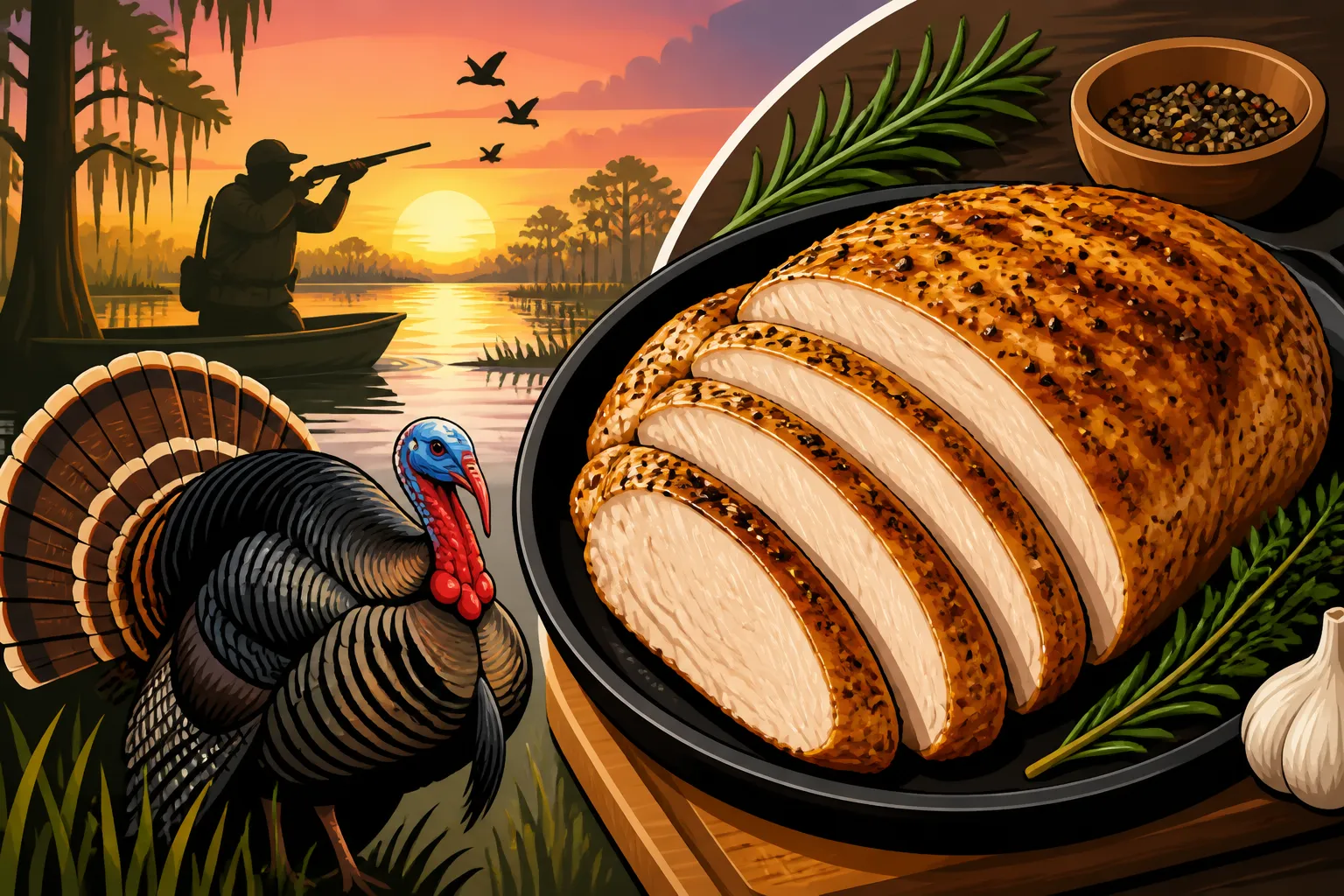
Cooking a Wild Turkey Breast
There's nothing quite like the pride of harvesting a wild turkey here in Louisiana. You put in the time, faced the mosquitos, woke up before the sun, and finally, that gobbler came to the call. But then you get it home, breast it out, and the looming question hits: "How do I cook this magnificent bird without it turning into a dry, chewy hockey puck?" It’s a common frustration, believe me, and it’s why so many folks shy away from preparing wild turkey. This guide is all about taking that beautiful wild turkey breast from the field to your plate, ensuring it's juicy, flavorful, and a true testament to your hunting efforts.
From Field to Kitchen: The First Steps for Success
The journey to a delicious wild turkey breast starts long before you even think about firing up the stove. How you handle that bird immediately after the shot can make all the difference in its final taste and texture. We’ve all heard the stories of game meat tasting "gamey," and often, that’s less about the animal itself and more about improper field care.
Field Dressing and Initial Care
Once you've dropped that gobbler, especially on a warm Louisiana spring day, time is of the essence. The quicker you can cool the meat, the better. While some hunters opt to pluck the whole bird, many focus on harvesting the breast meat and sometimes the legs and thighs. To remove the breast, lay the bird on its back. Pluck a small patch of feathers directly over the breastbone, exposing the skin. Make a shallow cut through the skin from the top of the breastbone down to where the breast meets the abdomen. Then, gently pull the skin and feathers back from both sides, exposing the breast meat.
Now, with the breast exposed, you'll see the distinct muscle groups. Use a sharp knife to carefully slice along one side of the breastbone, keeping the blade angled slightly toward the bone. As you cut, use your other hand to pull the meat away from the bone, working your way down and outward. You'll feel it detach from the rib cage. Repeat on the other side. This method gives you two beautiful, skinless, boneless breast halves, ready for the next step. Remember, keeping the meat clean is paramount; avoid contact with dirt or internal organs as much as possible. If you’re unsure of the hunting regulations in your area or need a refresher, check out Louisiana Spring Turkey Season Rules.
Cleaning and Preparing the Breast
Once you’ve got those breast halves, it's time for some kitchen counter prep. The first thing you'll notice is that wild turkey breasts, unlike their domestic counterparts, will likely have some small shot pellets embedded in them, along with stray feathers and maybe a bit of silver skin. Take your time with this. Run your fingers over the meat to feel for any shot and use a pair of needle-nose pliers or a small knife tip to carefully extract them. Leaving a shot pellet in could lead to a very unpleasant surprise at the dinner table.
Next, examine the meat for any remaining feathers or quill fragments. These are usually easy to spot and pull out. The silver skin is that tough, silvery membrane often found on wild game. While it won't hurt you, it can become chewy when cooked, so it's best to remove it. Slide the tip of a sharp knife just under the edge of the silver skin, lift it slightly, and then angle your knife flat against the meat, slicing away from you in a smooth motion. Hold the silver skin taut as you cut to make it easier. After all that, a quick, gentle rinse under cold water is fine, but make sure to pat the meat thoroughly dry with paper towels afterward. Excess moisture on the surface can hinder proper searing and browning, which adds a lot of flavor.
Understanding Wild Turkey's Lean Nature
This is where many home cooks run into trouble. Wild turkey is a different beast entirely from the supermarket Butterball. Understanding these differences is key to preventing that dreaded dry, flavorless meal.
Why Wild is Different from Domestic
Think about it: a wild turkey spends its life roaming the woods, flying, running, and foraging. It's a lean, active bird. Domestic turkeys, on the other hand, are often bred for size and fat content, spending their lives in a much more sedentary environment. This lifestyle difference translates directly into the meat. Wild turkey breasts are much leaner, with significantly less intramuscular fat marbling. This lack of fat means there's less natural moisture and insulation during cooking.
Moreover, the muscle fibers themselves tend to be a bit tougher due to constant use. This isn't a bad thing; it just requires a different approach. The flavor profile is also distinct. While domestic turkey can be quite mild, wild turkey often has a richer, slightly earthier, more "gamey" taste. Some people absolutely love it, while others find it a challenge. Embracing this unique flavor, rather than trying to mask it, is part of the joy of cooking wild game. If you're passionate about pursuing these birds, you'll want to read Wild Turkeys in Louisiana for more insights into our local populations.
The Dreaded Dry Bird: Common Pitfalls
We've all been there: you carve into that beautiful roasted turkey breast, expecting juicy tenderness, only to find a chalky, crumbly mess. The biggest culprit with wild turkey is almost always overcooking. Because there's so little fat, it has a very narrow window of perfection. Even a few minutes too long can turn it into shoe leather.
Another common pitfall is a lack of moisture addition. Simply throwing a raw wild turkey breast into a hot oven without any added moisture, fat, or prior preparation is a recipe for disaster. The lean meat needs help staying hydrated throughout the cooking process. Finally, not resting the meat after cooking can also lead to a drier product. As meat cooks, the muscle fibers contract, squeezing out moisture. Resting allows these fibers to relax and reabsorb those precious juices, resulting in a more tender and moist finished product. Resist the urge to slice into it immediately!
Essential Techniques for a Juicy Wild Turkey Breast
Now that we understand the nature of wild turkey, let's dive into the tried-and-true methods that ensure a tender, flavorful meal every time. These techniques are your secret weapons against dry, tough meat.
Brining for Moisture and Flavor
Brining is, hands down, one of the most effective ways to ensure a juicy wild turkey breast. It works by introducing salt and moisture into the meat before cooking. The salt helps to denature the proteins in the muscle, allowing them to absorb and retain more water. This means your turkey breast will not only be more moist but also more seasoned from the inside out.
A basic brine is simple: combine about 1/4 cup of kosher salt and 1/4 cup of sugar (optional, but helps with browning and flavor) per quart of water. You can also add aromatics like bay leaves, black peppercorns, garlic cloves, or fresh herbs like rosemary and thyme to infuse additional flavor. Bring a small portion of the water to a simmer with the salt, sugar, and aromatics to dissolve, then cool it completely before adding to the rest of your cold water. Submerge your turkey breasts completely in the cold brine, ensuring they are fully covered. Brine for anywhere from 4 to 8 hours in the refrigerator. Any longer can make the meat too salty or give it a somewhat cured texture. After brining, rinse the breasts thoroughly under cold water and pat them completely dry before proceeding with your cooking method.
Searing and Roasting for a Tender Finish
This method works wonderfully for whole or halved wild turkey breasts, giving you a beautiful crust and a tender interior. Start by patting your brined and seasoned turkey breast thoroughly dry. Heat an oven-safe skillet (cast iron is perfect) over medium-high heat with a tablespoon or two of a high smoke point oil like avocado or grapeseed oil. Once the oil is shimmering, carefully place the turkey breast presentation-side down in the hot pan. Sear undisturbed for 3-5 minutes until a deep golden-brown crust forms.
Flip the breast, and if desired, add a knob of butter, a few sprigs of fresh rosemary or thyme, and a smashed garlic clove to the pan. Baste the turkey with the melting butter for a minute. Then, transfer the skillet to a preheated oven set to a relatively low temperature, around 325-350°F (160-175°C). Roasting low and slow helps to gently cook the meat without drying it out. You might even consider covering the skillet loosely with foil for the initial part of the roast, removing it for the last 10-15 minutes to allow for browning. Cook until an internal meat thermometer inserted into the thickest part of the breast reaches 160-162°F (71-72°C). Remember to account for carryover cooking, where the temperature will rise a few more degrees after removal. Immediately remove from the oven, transfer to a cutting board, and tent loosely with foil for at least 10-15 minutes before slicing. This resting period is crucial for juicy results.
Frying and Pan-Searing for Quick Deliciousness
Sometimes you just want that crispy, golden goodness, and frying wild turkey breast cutlets is a fantastic way to achieve it. This method is quick, flavorful, and minimizes the risk of drying out if done correctly. Start by slicing your turkey breast crosswise into medallions or strips, about 1/2 to 3/4 inch thick. For an even more tender result, you can gently pound these pieces between two sheets of plastic wrap to a uniform thickness.
You have a few options for breading. A simple seasoned flour dredge (flour, salt, pepper, garlic powder, paprika) works well. For extra crunch, you can go for a standard breading station: flour, then egg wash, then seasoned breadcrumbs (Panko offers excellent crispiness). Heat about 1/2 inch of oil (peanut, canola, or vegetable oil work great) in a heavy-bottomed skillet over medium-high heat. Once the oil is hot (a sprinkle of flour should sizzle immediately), carefully place your breaded turkey pieces into the pan, making sure not to overcrowd it. Cook for 2-4 minutes per side, depending on thickness, until golden brown and cooked through. Because the pieces are thin, they cook very quickly, so watch them closely! This is a great way to use the bird you harvested during Hunting the Rut in the Early-Start Areas.
Slow Cooking and Braising for Unbeatable Tenderness
If tenderness is your absolute top priority and you don't mind a longer cook time, slow cooking or braising wild turkey breast is an excellent choice. This method uses low heat and plenty of liquid to break down those tougher muscle fibers, resulting in fork-tender meat that practically melts in your mouth. This is particularly forgiving for wild game.
For slow cooking, place your whole or halved turkey breasts in a slow cooker. Add a flavorful liquid such as chicken or turkey broth, diced tomatoes, a can of cream of mushroom soup, or your favorite sauce. You can also toss in aromatic vegetables like onions, carrots, and celery, along with herbs and spices. Cook on low for 4-6 hours or on high for 2-3 hours, until the internal temperature reaches 165°F (74°C) and the meat is easily shredded with a fork. For braising, sear the turkey breasts first in an oven-safe pot (like a Dutch oven) to develop a crust. Then, add your braising liquid and aromatics, bring to a simmer, cover tightly, and transfer to a preheated oven at 300-325°F (150-160°C) for 2-3 hours. The result is incredibly versatile; shredded turkey is perfect for sandwiches, tacos, casseroles, or as a base for hearty stews.
Creative Culinary Adventures with Wild Turkey
Once you've mastered the basic cooking methods, the world of wild turkey culinary creativity truly opens up. Don't be afraid to experiment with different cuts, marinades, and pairings.
Cutting for Different Dishes
How you cut the wild turkey breast can dramatically change its cooking time and how it's used in a dish.
- Whole Breast: Ideal for searing and roasting, allowing for a beautiful presentation when sliced at the table.
- Medallions or Cutlets: Slicing the breast crosswise into 1/2 to 3/4-inch thick pieces is perfect for quick pan-frying, grilling, or searing. Pounding them even thinner creates schnitzel-like cutlets that cook in minutes.
- Strips or Cubes: These are great for stir-fries, fajitas, curries, or skewers. They absorb marinades quickly and cook very fast.
- Grinding: If you have tougher sections or smaller pieces, grinding wild turkey meat creates a lean and flavorful ground product perfect for burgers, meatballs, chili, or sausage.
Consider the dish you want to make before you start cutting. If you need to make the most of a short window of opportunity, perhaps for a late-season hunt, getting a good grasp on these versatile cuts will serve you well. Making the Most of a Short Turkey Window applies to both hunting and cooking!
Marinades and Rubs for Enhanced Flavor
Marinades and rubs are fantastic ways to infuse flavor and, in the case of marinades, add moisture and tenderize the meat before cooking.
- Acidic Marinades: These typically include ingredients like lemon juice, lime juice, vinegar, or even buttermilk. The acidity helps to break down muscle fibers, tenderizing the meat, and imparts a bright flavor. Think lemon-herb marinades for grilling or buttermilk soaks for frying. Marinate for a few hours, but avoid leaving it for too long (overnight) as the acid can start to "cook" the meat, making it mushy.
- Oil-Based Marinades: Olive oil, vegetable oil, or other neutral oils can carry flavors from herbs, spices, garlic, and onions deep into the meat. These also help to prevent sticking and promote even browning.
- Dry Rubs: A mix of salt, pepper, garlic powder, onion powder, paprika, cayenne, and your favorite dried herbs can create a flavorful crust. Apply a generous amount to the patted-dry turkey breast, rub it in, and let it sit for at least 30 minutes, or even a few hours in the refrigerator, before cooking.
A well-chosen marinade or rub can elevate your wild turkey from good to gourmet, turning that hard-earned gobbler into a memorable feast.
Side Dishes and Pairings
What you serve alongside your wild turkey can truly complete the meal. Given the lean, distinct flavor of wild turkey, you want sides that complement without overpowering.
- Classic Southern Comfort: Think creamy mashed potatoes, cornbread dressing, braised greens (collards or mustard greens), sweet potato casserole, or green bean almondine. These rich, flavorful sides often pair beautifully with game meat.
- Fresh and Vibrant: A crisp green salad with a vinaigrette, roasted asparagus, sautéed mushrooms, or a wild rice pilaf can offer a lighter, yet equally delicious, counterpoint.
- Sauces: Don't underestimate the power of a good sauce. A classic turkey gravy (made from drippings or broth), a cranberry sauce (especially with a hint of orange or spice), or even a simple pan sauce made with white wine, chicken broth, and herbs can add moisture and brighten the flavor of your wild turkey.
Consider the time of year you harvested your bird. If you're a keen hunter who follows the seasons and understands, for example, When Louisiana Gobblers Go Quiet in Late April, then you might appreciate spring-inspired sides like fresh steamed vegetables or a lighter salad. Ultimately, the best pairing is whatever brings you joy after a successful hunt!
| Cooking Method | Pros | Cons | Best Use Case |
|---|---|---|---|
| Brining | Maximizes moisture, adds flavor | Requires planning ahead, can be salty if overdone | All methods, especially roasting/grilling |
| Searing & Roasting | Beautiful crust, tender interior | Easy to overcook if not careful with temp | Whole or large breast halves |
| Frying/Pan-Searing | Quick cook time, crispy texture | Can be greasy, requires attention | Thin cutlets, strips, medallions |
| Slow Cooking/Braising | Unbeatable tenderness, very forgiving | Longer cook time, less "crispiness" | Shredded turkey for sandwiches, stews |
Disclaimer
This article is for general informational purposes only and does not constitute professional advice. Laws, prices and regulations vary by location and change over time. Consult a qualified professional for guidance on your specific situation.