Louisiana Snow Goose Numbers
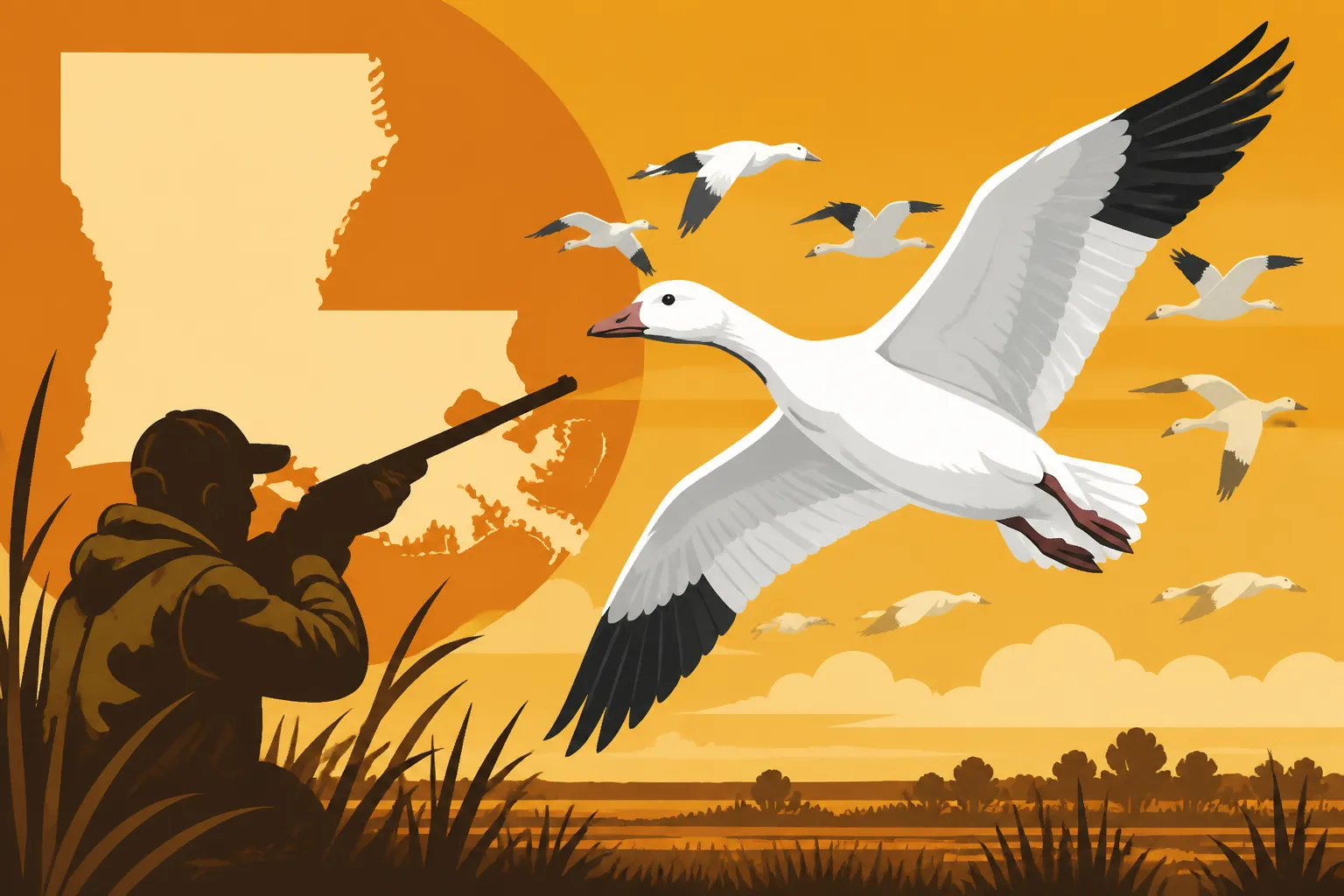
If you've ever found yourself bundled up in a blind in a Louisiana rice field during winter, you know the feeling. The air vibrates with the clamor of thousands upon thousands of wings, and the sky can quite literally turn white with birds. These aren't just any geese; these are snow geese, and their presence in our state is nothing short of legendary. For hunters and conservationists alike, the sheer scale of Louisiana snow goose numbers is a constant topic of fascination and, at times, a significant management challenge. This guide dives deep into why these birds flock here, how their populations are estimated, and what their incredible numbers mean for our unique Louisiana landscape and hunting traditions.
The Phenomenon of Snow Geese in Louisiana
Louisiana holds a truly special place in the annual migration of snow geese. While they breed far to the north, our warm climate and abundant food sources make us an irresistible winter destination for these spectacular birds. Their arrival transforms parts of our state into a dynamic, avian spectacle, drawing hunters and birdwatchers from all corners.
Why Louisiana is a Wintering Mecca
Our position at the bottom of the Mississippi Flyway is the primary reason Louisiana sees such incredible numbers of snow geese. Think of it like a giant, aerial highway stretching from the Arctic tundra all the way down to the Gulf Coast. As the harsh northern winters set in, snow geese, along with countless other waterfowl, begin their long journey south, following this ancient pathway. Louisiana offers them a vital refuge, particularly our vast agricultural lands.
The abundance of harvested rice fields, in particular, acts like a giant, open-all-you-can-eat buffet for snow geese. After the rice is cut, a significant amount of grain, known as waste grain, remains scattered across the fields. For a bird that needs to fuel itself for the long migration back north and subsequent breeding season, this is a goldmine. Beyond rice, they'll also utilize other grain fields and even natural marshes, digging for roots and tubers. Our mild winters mean these food sources are accessible for longer periods, providing a crucial advantage compared to more northern states. This combination of prime location and plentiful sustenance firmly establishes Louisiana as a critical wintering ground for these powerful flyers.
The Sheer Volume: A Spectacle and a Challenge
Anyone who has witnessed a major snow goose roost take flight at dawn, or a massive flock descend into a feeding field, can attest to the sheer volume. The sound alone is something you have to experience to truly understand—a constant, cacophonous chatter of thousands of voices. It's a breathtaking natural wonder, a testament to the resilience and abundance of nature.
However, this incredible abundance also presents a unique set of challenges. While hunters cherish the opportunity to pursue these birds, their immense numbers can sometimes lead to issues. For farmers, large flocks of snow geese can cause crop damage, especially when they move into newly planted fields or those intended for other agricultural purposes, such as crawfish ponds. Their feeding behavior, known as "grubbing," where they pull up entire plants to eat the roots and rhizomes, can devastate fields. This makes managing their populations a delicate balance between providing hunting opportunities, preserving agricultural livelihoods, and maintaining healthy habitats both here and on their breeding grounds.
Understanding Snow Goose Population Dynamics
To truly grasp the dynamics of Louisiana snow goose numbers, we need to look beyond our state's borders. These birds are part of a larger, continental population, and factors thousands of miles away can directly influence what we see here each winter. It's a complex puzzle of biology, climate, and human activity.
North American Breeding Grounds and Their Impact
Snow geese primarily breed in the vast, remote expanses of the Arctic and sub-Arctic tundras of Canada and Alaska. These are wild, untouched landscapes that provide the isolation and resources necessary for nesting and raising goslings. The success of their breeding season in these northern regions has a direct and profound impact on the total number of birds that will eventually migrate south and winter in places like Louisiana.
Favorable weather conditions during the breeding season—such as early snowmelt, mild temperatures, and abundant vegetation—lead to higher reproductive success. More goslings survive, and thus, a larger overall population is ready to embark on the southward migration. Conversely, harsh conditions, late thaws, or increased predation can lead to lower breeding success, resulting in fewer birds making their way down the flyway. It's a natural ebb and flow, but the long-term trend has shown a remarkable ability for snow geese to thrive, sometimes almost too well for their own good and the health of their breeding habitats.
Factors Influencing Louisiana's Wintering Numbers
While breeding success sets the baseline, several other factors influence precisely how many snow geese end up gracing Louisiana's skies each winter. It’s not just a direct pipeline; it’s influenced by a dynamic interplay of elements.
One major player is weather. Early and severe cold fronts pushing down from the northern states and Canada can accelerate the migration, pushing more birds south earlier in the season. A mild winter up north, on the other hand, might mean birds linger longer in states like Arkansas or Missouri, only making their final push to Louisiana if a significant cold snap finally forces them further south. This is why some years feel like an explosion of white geese, while others see a more gradual build-up.
Food availability, both on the journey and once they arrive, also plays a crucial role. If other states along the Mississippi Flyway have excellent waste grain or marsh conditions, some flocks might short-stop and spend more time there before reaching Louisiana. But typically, our combination of extensive rice fields and warmer weather makes us the ultimate draw. Additionally, hunting pressure in other parts of the flyway can concentrate birds. If certain areas experience heavy hunting, geese might quickly move on, funneling towards less disturbed areas further south, including our state. Understanding these patterns can greatly enhance your chances of success, and resources like Louisiana Waterfowl Migration Timing can offer invaluable insights into when these birds are likely to arrive in force.
Estimating Snow Goose Numbers: Methods and Challenges
Counting millions of highly mobile birds spread across vast landscapes is no easy feat. Wildlife agencies rely on a combination of scientific methods to estimate snow goose populations, but it's a constant effort to get the most accurate picture possible. These estimates are crucial for setting seasons and bag limits, and for understanding the health of the overall population.
Aerial Surveys and Banding Programs
The primary method for estimating waterfowl populations, including snow geese, is through extensive aerial surveys. Biologists in planes fly predetermined transects—specific flight paths—over key wintering habitats, such as agricultural fields and marshes. They visually count the birds they see, or photograph them for later counting, and then use statistical models to extrapolate these counts across the entire survey area. This data is collected annually by agencies like the Louisiana Department of Wildlife and Fisheries (LDWF) and the U.S. Fish and Wildlife Service (USFWS) to provide a continental overview. While these surveys are incredibly valuable, they are snapshot estimates, influenced by weather, visibility, and bird distribution on any given day.
Another critical component is banding programs. Thousands of snow geese are captured and fitted with unique leg bands, sometimes even neck collars with alphanumeric codes, on their breeding grounds and during migration. When these banded birds are harvested by hunters or recaptured, the band information is reported. This allows biologists to estimate survival rates, migration routes, and overall population sizes through mark-recapture analysis. For instance, if you harvest a banded goose, reporting that band contributes directly to the data used to understand their numbers and movements. This kind of data is often integrated into mapping tools that a platform like GoHunt provides, giving hunters a deeper understanding of bird movements and densities. These combined efforts give us the best possible picture of how many snow geese are out there.
Why Exact Counts Are Elusive
Despite the sophisticated methods used, arriving at an exact number for Louisiana snow geese is virtually impossible. We're dealing with wild animals that cover immense distances and can be incredibly difficult to observe comprehensively. Imagine trying to count every grain of rice in a massive field – it's a similar scale of challenge.
One significant hurdle is the sheer mobility and flocking behavior of snow geese. They can move thousands of birds from one parish to another in a single day, influenced by weather, hunting pressure, and food availability. A field that was empty yesterday might hold fifty thousand birds today. Furthermore, they often congregate in incredibly dense, sprawling flocks, making individual counts from an airplane incredibly difficult. Biologists use various estimation techniques and statistical adjustments to account for these variables, but the result is always an estimate, not a precise census. This means the reported "numbers" are always a best guess within a confidence interval, providing a general trend rather than a definitive headcount. This is why you'll often hear about "Louisiana Snow Goose Numbers" discussed in terms of population trends—are they increasing, decreasing, or stable—rather than a fixed, unchangeable figure.
The Management Challenge: Too Many Snow Geese?
It might sound counterintuitive in an era focused on conservation, but for snow geese, one of the biggest challenges is that their populations have become too successful. While this is a testament to their adaptability, it also creates significant ecological and agricultural pressures.
Agricultural Impacts and Habitat Degradation
When millions of birds descend on agricultural areas, their impact can be substantial. In Louisiana, farmers often bear the brunt of these large flocks. Snow geese grazing on sprouting winter wheat, for example, can decimate a crop before it even has a chance to establish itself. Similarly, their tendency to "grub" for roots and tubers can destroy wetland vegetation, altering delicate ecosystems and impacting other species.
Perhaps more critically, the sheer number of snow geese has led to overgrazing and habitat degradation in their fragile Arctic breeding grounds. Decades of booming populations have meant more and more geese returning north each spring, often stripping the tundra of vegetation in certain areas. This not only impacts future breeding success for the geese themselves but also affects other arctic wildlife that relies on those same food sources. It's a classic case of an unchecked population reaching a point where it begins to harm its own long-term sustainability and the broader ecosystem. This widespread concern led to significant changes in waterfowl management, allowing for liberal hunting opportunities.
Conservation and Special Harvest Seasons
To address the ecological concerns stemming from high snow goose numbers, conservation efforts have shifted from traditional restrictive hunting regulations to programs designed to significantly increase harvest. This is where the Light Goose Conservation Order, often just called the "Conservation Order," comes into play.
Unlike regular waterfowl seasons, the Conservation Order (which includes snow, blue, and Ross's geese) typically has an extended season, often running into late winter and early spring after the regular seasons have closed. It also allows for increased bag limits, the use of unplugged shotguns, and electronic calls—tactics usually prohibited during regular seasons. The entire purpose of these special seasons is to reduce the population size to a more ecologically sustainable level. For Louisiana hunters, it provides an incredible opportunity to extend their time in the field, often into March, chasing birds that are less wary after having survived the pressure of the main season. Many hunters find these late-season hunts to be particularly exciting, as large flocks of geese stage for their return migration. If you're looking for an exhilarating hunt, especially when regular duck seasons are over, Early Goose Season Tactics in Louisiana can offer some fantastic insights, and these principles often carry over into the later Conservation Order. Keep an eye on the Louisiana Waterfowl Zones and Seasons for specific dates each year.
Scouting for Success in a Sea of White Birds
Even with millions of snow geese around, finding the right birds in the right place at the right time is still a skill that separates successful hunters from those who go home empty-handed. It's about understanding their habits and leveraging tools and knowledge.
Reading the Landscape and Bird Behavior
Snow geese are creatures of habit, driven by food, safety, and comfort. During daylight hours, they'll be found primarily in feeding fields, often recently harvested rice, soybean, or cornfields. They tend to stick to large, open areas where they have a clear view of potential predators. As dusk approaches, they'll fly to large, undisturbed water bodies—lakes, major rivers, or vast marsh ponds—to roost safely overnight.
Scouting involves finding these feeding and roosting patterns. This means driving country roads, glassing fields for feeding birds, and observing their flight lines at dawn and dusk. Pay close attention to where they are feeding within a field. Are they concentrated in one corner? Are they moving across the field in a specific direction? What kind of food are they targeting? Understanding these nuances can help you decide where to set up your spread. Tools and apps that offer aerial imagery, similar to what you might find on GoHunt, can be invaluable for identifying potential feeding fields, roosting areas, and key flyways between them. Combine that with your on-the-ground observations, and you're well on your way to intercepting a flight.
Decoying and Calling Strategies
Given the immense numbers of snow geese, many hunters opt for massive decoy spreads, often referred to as "rag spreads" or "power spreads." These can consist of hundreds, even thousands, of white plastic "socks" or full-body decoys designed to mimic a huge flock on the ground. The idea is to create a visual spectacle that screams safety and abundance to passing geese, convincing them to commit. Setting up a huge spread is a serious undertaking, but the payoff can be incredible. Hunters often use motion decoys, flags, and kites to add realism and movement, simulating the constant activity of a feeding flock. Check out Layout Blind Hunting Coastal Rice Fields for some general insights that can be adapted for goose spreads.
Calling for snow geese is also unique. Unlike the distinct clucks and honks of specklebellies or Canada geese, snow goose calling is all about creating a wall of sound—a high-pitched, almost electronic-sounding chatter. Electronic calls are legal during the Conservation Order and are widely used to replicate the noise of a large feeding flock. The goal is to mimic the continuous din of a busy, contented goose congregation, reassuring incoming birds that everything is safe. It's often less about precise cadences and more about overwhelming auditory appeal.
Key Aspects of Louisiana Snow Goose Hunting
Here's a quick overview of some essential elements for chasing snow geese in Louisiana:
| Aspect | Description |
|---|---|
| Primary Habitat | Harvested agricultural fields (rice, corn, soybeans), large open marshes, shallow open water bodies. |
| Peak Migration | Typically late November through February, with significant numbers extending into the Conservation Order (March). |
| Hunting Season Type | Regular goose season (more restrictive) followed by the Light Goose Conservation Order (liberal rules: unplugged guns, e-callers, no bag limit in some instances). |
| Typical Decoy Spreads | Massive spreads, often 500+ decoys (sleeper shells, full bodies, rags/socks), with significant motion. |
| Key Equipment | White camo, comfortable layout blinds, electronic calls (during Conservation Order), reliable shotgun (12 gauge, 3.5-inch magnum often preferred), plenty of shells. |
| Common Challenges | Decoy-shy birds, finding fresh feeding fields, large land access, rapidly changing bird patterns due to pressure or weather. |
| Best Chance for Success | Extensive scouting, large decoy spreads, effective calling, and adapting to daily bird movements. |
Navigating Regulations and Ethical Considerations
Hunting snow geese, especially during the Conservation Order, comes with specific rules and ethical responsibilities. Understanding these ensures you stay legal and contribute to responsible hunting.
Understanding the Light Goose Conservation Order
The Conservation Order is specifically designed to reduce snow goose populations, so the rules are quite different from regular waterfowl seasons. In Louisiana, this means hunters can use unplugged shotguns (holding more than three shells), electronic calls are permitted, and there are often incredibly liberal, or even no, daily bag limits. This is a stark contrast to the Louisiana Duck and Goose Bag Limits during the regular season. These relaxed rules are a direct response to the overpopulation issue and are a critical tool in managing the species.
However, even with these liberal rules, it's vital to stay current on the specific regulations for the year you are hunting. These can change, and it's always your responsibility to know the law. Always consult the latest Louisiana hunting regulations pamphlet or the LDWF website before heading afield. Also, remember that these rules only apply to snow, blue, and Ross's geese. If other species, like specklebellies or Canada geese, are present, regular season rules and bag limits still apply to them. Make sure you can correctly identify your target!
Ethical Hunting and Responsible Land Use
Even with liberal regulations, ethical hunting practices remain paramount. This includes striving for clean kills, retrieving all harvested birds, and respecting the land you hunt on. Even though snow geese are abundant, we still owe them the respect of a responsible hunter. This is particularly important when pursuing birds on private land, where maintaining a good relationship with landowners is key. Always ask for permission, leave the property cleaner than you found it, and report your harvest accurately.
The immense flocks of snow geese are a natural wonder of Louisiana, offering unique challenges and rewards for hunters. Understanding their numbers, their habits, and the management strategies in place allows us to appreciate this incredible species and participate responsibly in the hunting tradition. It’s a dynamic, exciting part of our winter landscape, and one that requires both effort and respect.
Disclaimer
This article is for general informational purposes only and does not constitute professional advice. Laws, prices and regulations vary by location and change over time. Consult a qualified professional for guidance on your specific situation.