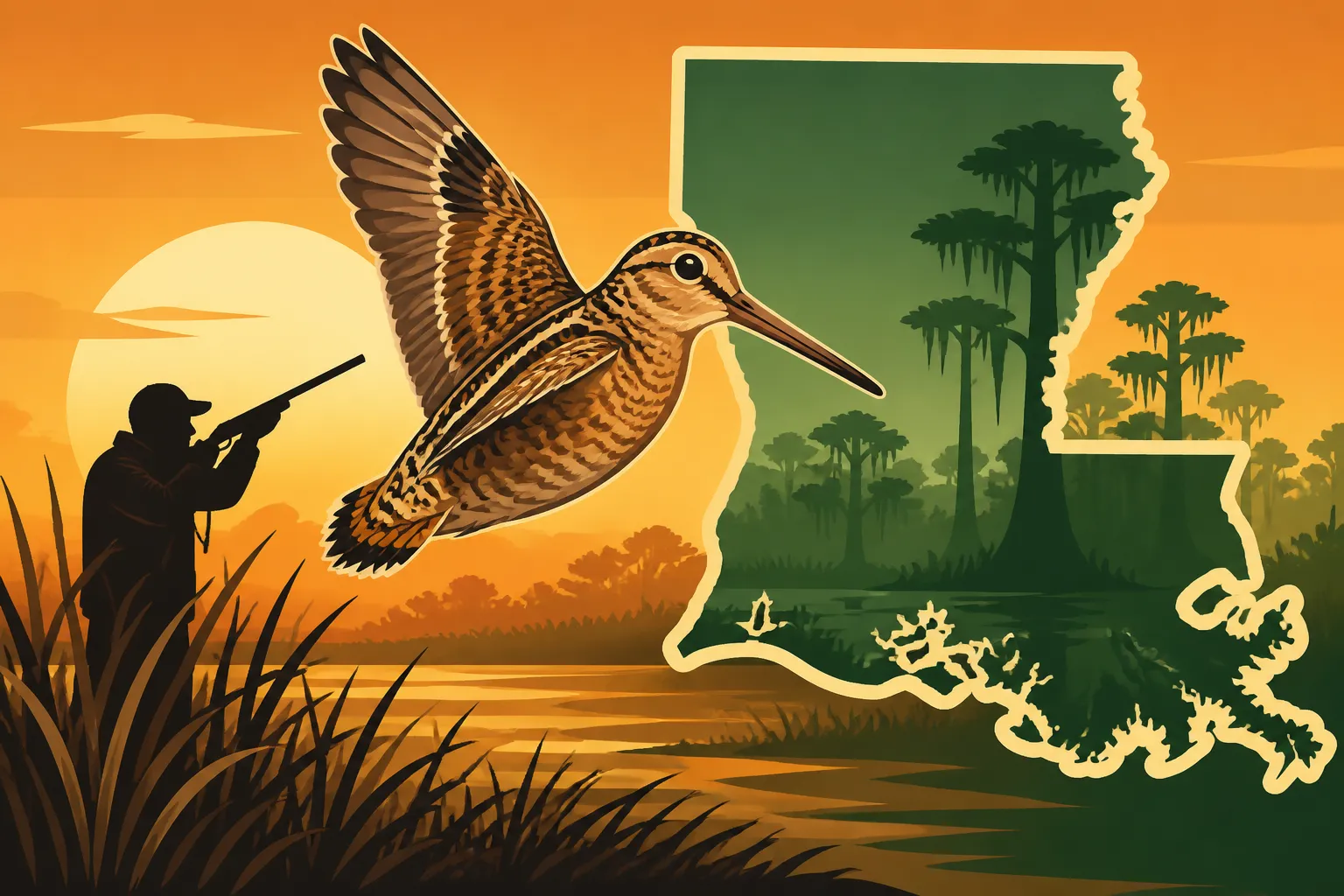
Louisiana’s Place on the Woodcock Flight
For many hunters, the woodcock, affectionately known as the timberdoodle, is a bird of mystery, an ephemeral visitor that seems to appear and disappear like a phantom in the thickets. If you've ever found yourself wondering where these unique migratory birds spend their winters or how Louisiana factors into their incredible journey, you're not alone. This guide will unravel the secrets of the American woodcock's flight path, detailing why our beloved Pelican State is such a crucial wintering ground, and how you can experience the thrill of hunting them in our diverse landscapes.
Understanding Woodcock Migration
The annual journey of the American woodcock is a truly remarkable feat, a testament to the resilience of these small, quirky birds. Unlike the grand V-formations of geese or ducks, woodcock migration is often a more solitary and discreet affair, happening under the cloak of darkness and driven by instinct.
The Annual Journey South
Every fall, as the days shorten and the ground begins to harden in the northern states and Canada, woodcock embark on an incredible southward migration. They fly mostly at night, often just above the treetops, using stars and even the Earth's magnetic field to navigate. Their primary motivation is simple: survival. Freezing temperatures mean frozen ground, and frozen ground means no access to the earthworms that make up the bulk of their diet. So, they pack their bags, so to speak, and head for warmer climes where the soil remains soft and the grub is plentiful. For hunters up north, the first hard freeze is often the signal that the timberdoodles are on the move.
This isn't a mad dash; it's a gradual drift south, with birds stopping in various coverts along the way. They’ll fuel up in places like Ohio, Kentucky, and Mississippi before making their final push. This staggered migration means that prime hunting can shift throughout the season, sometimes requiring a bit of detective work to figure out where the birds are holding.
Key Migration Corridors
Woodcock migration generally follows a broad front, but there are distinct corridors they tend to favor, often dictated by major river systems and contiguous habitat. The Mississippi Flyway, famous for its waterfowl, also serves as a significant highway for woodcock. Birds funnel down through the vast river bottoms and associated uplands, finding suitable stopover points in states that offer the right blend of moist, soft soil and dense, regenerating cover.
These corridors aren't always straight lines; they can be influenced by weather systems, particularly strong cold fronts that push birds south rapidly. A sudden dip in temperature up north can translate to an influx of new birds in Louisiana just a few days later, making scouting and timing critical for hunters hoping to intercept a fresh wave. Understanding these macro patterns can help you anticipate when the best hunting opportunities might arise, even if you're just relying on local reports or a good weather app.
Factors Influencing Arrival
The arrival of woodcock in Louisiana is largely dependent on two major factors: temperature and precipitation further north. A prolonged cold snap will certainly push birds south, sometimes resulting in a "dump" of woodcock if conditions are right. However, if the weather remains mild, birds might linger longer in intermediate states, arriving in Louisiana later and in a more spread-out fashion.
Precipitation is also key. Dry conditions in northern states can force birds to abandon typical areas because the ground is too hard for them to probe for worms. Conversely, heavy rains can soften the soil and create ideal conditions, allowing them to stay put longer. Once they arrive in Louisiana, local conditions become paramount. Ideal woodcock habitat here includes moist, well-drained soil, often found in early successional forests, clear-cuts, and overgrown fields, particularly those with a dense understory of saplings, briars, and cane. Knowing these dynamics helps you understand why some years feel boom-or-bust, and why your favorite covert might be loaded with birds one season and barren the next. It’s all part of the timberdoodle puzzle!
Why Louisiana is a Woodcock Magnet
When you think of hunting in Louisiana, deer and ducks often come to mind first. But for those in the know, our state is an absolute paradise for woodcock, drawing them in droves as their northern homes become inhospitable. There's a reason Louisiana is often considered the woodcock wintering capital of the world.
Ideal Wintering Habitat
Louisiana provides an almost perfect winter haven for American woodcock. Our mild winters mean the ground rarely freezes solid for extended periods, ensuring a constant supply of earthworms, their primary food source. Beyond just the soft soil, the diverse habitat across the state offers exactly what these secretive birds seek. We have extensive tracts of early successional forest, areas dense with young hardwoods, thickets of briars, and brushy edges – all prime cover where woodcock can hide from predators and probe for food.
Think about the mixed pine and hardwood forests of northern Louisiana, the regenerating clear-cuts in central parishes, or even the overgrown fencerows and bottomland hardwood edges. These are the places where woodcock thrive. They love thick cover, especially where you find small, young trees mixed with older timber, creating a layered canopy that offers both protection and open ground for feeding. It’s not just about warmth; it’s about the specific structure of the habitat that makes them feel safe and provides easy access to food.
Abundant Food Sources
The woodcock’s diet is overwhelmingly dominated by earthworms, and Louisiana's rich, loamy soils, particularly in our bottomland hardwood forests and agricultural areas, are teeming with them. The moist conditions found near sloughs, creeks, and river bottoms create perfect earthworm nurseries, guaranteeing a consistent food supply throughout the winter months. This is why you'll often find woodcock concentrated in areas that might seem unremarkable to the untrained eye, but which, upon closer inspection, reveal dark, damp soil indicative of healthy worm populations.
Beyond earthworms, woodcock will also forage for other invertebrates like insect larvae, grubs, and even some seeds, but the worms are truly the main attraction. This reliance on a specific food source makes them incredibly sensitive to soil conditions. A dry spell, even in winter, can push birds out of an area as the ground hardens, making the worms burrow deeper. Conversely, a good rain can bring the worms closer to the surface, making for happy timberdoodles and better hunting. Knowing this, you can often predict where birds might be concentrated just by looking at recent rainfall patterns.
Geographic Funnel Effect
Louisiana’s position at the bottom of the Mississippi Flyway creates a natural funnel effect for migrating birds, including woodcock. As they push south, they are essentially guided by the vast river system and the general continental landmass, eventually concentrating in the Gulf Coast states. While some birds might winter in other Southern states, Louisiana often receives a significant proportion due to its extensive suitable habitat and strategic location.
Imagine all those birds moving south, looking for that sweet spot where conditions are just right. Louisiana is that sweet spot for many. This concentration means that on any given year, our state can hold an incredible number of woodcock, providing fantastic opportunities for hunters willing to put in the legwork. You can read more about why this region attracts so many species in our article on Louisiana Waterfowl on the Mississippi Flyway. This geographical advantage, combined with the ideal habitat and abundant food, solidifies Louisiana’s reputation as a premier woodcock wintering destination.
Hunting Woodcock in Louisiana
Hunting woodcock in Louisiana is a unique and rewarding experience, often involving close-quarters action and a keen understanding of habitat. It's not about long-range shots; it's about walking the cover, working with a good bird dog, and being ready for a flush.
Preferred Cover and Tactics
Woodcock are masters of camouflage and prefer incredibly dense cover. Think young pine plantations with thick undergrowth, overgrown clear-cuts, briar patches along creek bottoms, or even swamp edges with a mix of young hardwoods and rattan. They love areas where the canopy is somewhat open above for aerial displays (though you rarely see those in winter), but the ground cover is almost impenetrable. This gives them safety from predators and ideal conditions for probing the soft earth.
For hunters, this means the tactics are often centered around covering ground slowly and methodically. A good pointing dog is almost essential for woodcock hunting. These dogs are adept at scenting the birds in thick cover and locking up on point, allowing the hunter to move in for the flush. Without a dog, it becomes a much more challenging endeavor, often relying on pure luck to kick up a bird. Walking through these thickets is physically demanding, so dress appropriately for thorns and sweat, even on a cool day. Keep your shotgun ready, because a flushing woodcock can explode from underfoot like a tiny rocket, presenting a challenging, fleeting target in the dense woods. When scouting, remember to look for their "boring" holes – small, pencil-sized holes in the soft ground where they’ve probed for worms, a sure sign you’re in a timberdoodle hotspot. Using mapping tools like GoHunt can also help you identify areas with the right kind of regenerating timber or proximity to water that often hold these birds.
Season Dates and Regulations
Louisiana's woodcock season is typically quite generous, usually running for several months during the prime wintering period. However, it's absolutely crucial to check the current year's Louisiana Department of Wildlife and Fisheries (LDWF) regulations for specific opening and closing dates, as well as daily bag limits. These dates can shift slightly from year to year, and nothing ruins a hunt faster than being out of compliance. You can find detailed information about specific dates and limits in the Louisiana Small Game Season Rules documentation.
Generally, woodcock season opens in mid-December and often runs through January and into February, overlapping with parts of our deer and rabbit seasons. This long window provides ample opportunity for hunters to get out and enjoy this unique bird. Remember, hunter education is a must for many, and it's always a good idea to refresh yourself on best practices. You can learn more about requirements by checking Louisiana Hunter Education Requirements. Always carry your valid Louisiana Hunting Licenses and What They Cost, and any required federal migratory bird stamps, as these will be checked by wardens.
Hunting Success and Challenges
Success in woodcock hunting isn't measured solely by the number of birds in your vest; it's often about the quality of the experience, the performance of your dog, and the sheer joy of walking through vibrant cover. That said, when the migration is strong and conditions are right, bag limits are certainly achievable. The biggest challenge is often the dense cover itself. Shots are almost always close-range and quick, requiring fast reflexes and a swing-through shooting style.
Another challenge is simply locating the birds. Woodcock can be highly nomadic, moving from one covert to another based on food availability and weather. What was a hot spot last week might be barren this week if the ground dried out or a new batch of birds moved into a different area. This is where diligent scouting, understanding recent weather patterns, and having a good dog who can find birds in new places really pays off. For those who embrace the thickets and the unpredictable nature of the timberdoodle, the rewards are immense, offering a truly wild bird hunting experience unlike any other.
Conservation and Management Efforts
While woodcock populations have faced challenges in recent decades, dedicated conservation efforts are underway to ensure the future of this unique migratory bird. These efforts are crucial, and hunters play a vital role in supporting them.
Population Monitoring and Surveys
The health of the American woodcock population is closely monitored through various surveys conducted across their breeding and wintering grounds. The U.S. Fish and Wildlife Service, in cooperation with state agencies like the LDWF, conducts annual singing ground surveys in the spring, where biologists count male woodcock performing their elaborate courtship displays. This data helps estimate breeding populations and track long-term trends.
On the wintering grounds, banding efforts and hunter harvest surveys also provide valuable data. By analyzing the number of birds harvested, and where and when they are taken, biologists can gain insights into migration patterns, wintering distribution, and overall population health. This scientific approach is critical for making informed management decisions, ensuring that hunting regulations are set at sustainable levels. Organizations like GoHunt often share summaries of these reports, helping hunters stay informed about the status of the game they pursue.
Habitat Preservation Initiatives
The biggest threat to woodcock populations isn't hunting pressure; it's habitat loss and degradation. Woodcock depend on early successional forests – young, regenerating woodlands that are often created by natural disturbances like fire or by timber harvesting. As forests mature and clear-cutting practices change, suitable habitat can shrink.
Conservation efforts are focused on creating and maintaining these critical early successional habitats. This includes prescribed burning, selective timber harvesting, and managing power line rights-of-way and agricultural field edges to promote dense, young growth. Many wildlife management areas (WMAs) in Louisiana are actively managed with woodcock in mind, creating diverse habitat mosaics that benefit numerous species. Supporting these initiatives, whether through purchasing conservation stamps or advocating for responsible land management, is vital for the timberdoodle's future. You can often find information about how specific WMAs contribute to various species habitat by reviewing their management plans or attending public meetings, which are often listed on the LDWF website.
Hunter's Role in Conservation
Hunters are, and always have been, crucial partners in wildlife conservation. For woodcock, this means more than just following regulations. It means actively participating in efforts to protect and enhance their habitat. The purchase of hunting licenses and federal migratory bird stamps directly funds conservation programs. Beyond that, many hunters volunteer their time for habitat projects or support organizations dedicated to upland bird conservation.
Responsible hunting practices also contribute to conservation. This includes knowing your target, practicing good dog handling to minimize disturbance to non-target species, and retrieving all birds to prevent waste. By staying informed about woodcock biology and habitat needs, and by supporting the agencies and organizations that work to protect them, hunters ensure that future generations will also have the opportunity to experience the magic of a timberdoodle flushing from the Louisiana thickets. Our collective efforts are what keep these unique birds thriving.
Preparing for a Louisiana Woodcock Hunt
Getting ready for a woodcock hunt in Louisiana means a bit of planning, especially if you're new to chasing these elusive birds. It’s a different game than deer hunting, demanding different gear and a different mindset.
Essential Gear and Clothing
Because woodcock live in thick cover, your gear needs to be up to the task.
- Shotgun: A fast-handling, open-choked shotgun is ideal. Most woodcock shots are very close, often within 15-20 yards, so an improved cylinder or skeet choke will give you the best pattern spread. Smaller gauges like 20-gauge or even 28-gauge are popular for their lighter weight and quick swing, but a 12-gauge with appropriate loads and choke works just fine.
- Ammunition: Light target loads or upland bird loads with smaller shot sizes (like 7 1/2 or 8) are perfect. You don’t need heavy loads for these small birds, and lighter recoil means quicker follow-up shots if needed.
- Clothing: This is where you really need to be prepared for the briars. Thick brush pants or chaps are a lifesaver. A good briar-proof hunting vest with plenty of game bag space and shell loops is also essential. Long-sleeved shirts are a must, and a blaze orange hat or vest is required during firearms seasons for safety, especially if you're hunting in areas where other hunting activities like deer drives might be taking place. Even in warm weather, long sleeves and pants protect against scratches and insects.
- Boots: Waterproof, comfortable boots with good ankle support are critical for navigating uneven, often damp terrain.
- Water: You'll be walking a lot, often in dense cover that makes it feel hotter than it is. Carry plenty of water for yourself and any hunting dogs.
- Navigation: A GPS device or a reliable hunting app on your phone (like GoHunt, which can help with identifying property lines and habitat types) is incredibly useful. It's easy to get disoriented in thick cover. Understanding how to use these tools effectively, especially when cell service is spotty, is crucial for Scouting Louisiana Public Land Before Season.
- First Aid: A small first-aid kit is always a good idea, especially for minor cuts and scrapes from briars.
Scouting for "Timberdoodles"
Successful woodcock hunting often comes down to knowing where the birds are, and that means scouting. Unlike deer, woodcock don't leave massive tracks, but they do leave signs.
- Boring Holes: Look for small, pencil-sized holes in soft, moist soil, usually in clusters. These are where woodcock have probed for earthworms. Finding fresh boring holes is a strong indicator that birds are actively feeding in the area.
- Droppings: Woodcock droppings are distinctive—white splashes with a dark center, often called "chalk." Finding these beneath brush or small trees also signals recent woodcock activity.
- Habitat Assessment: Drive or walk through potential areas, looking for the right type of cover: young, regenerating forest, thickets of briars and small saplings, moist areas near water sources, and overgrown field edges. You can often use aerial maps on services like GoHunt to spot these habitat features from home before you ever set foot on the ground. This pre-scouting can save you a lot of time.
- Weather Patterns: Keep an eye on the weather up north. A significant cold front often means new birds pushing into Louisiana. Conversely, a warm spell can make birds scatter or move to shadier, cooler spots.
Timing your hunt after a recent rain can also be beneficial, as it softens the ground and brings worms closer to the surface, making for easier feeding and potentially more concentrated birds.
Licenses and Regulations Review
Before heading afield, make sure all your paperwork is in order.
- State Hunting License: You'll need a valid Louisiana hunting license. You can typically purchase these online through the LDWF website or at licensed vendors. Information about the various options can be found in Louisiana Resident Hunting License Options or Louisiana Nonresident Hunting License Options.
- Federal Duck Stamp: Even though woodcock aren't ducks, they are migratory birds, so a federal migratory bird hunting and conservation stamp (often called a "Duck Stamp") is required for anyone 16 years of age or older.
- HIP Certification: The Harvest Information Program (HIP) certification is also required for hunting migratory birds in Louisiana. This is a simple, free registration that helps wildlife agencies gather data on migratory bird harvests.
- Daily Bag and Possession Limits: Reconfirm the daily bag and possession limits for woodcock. These are strictly enforced.
- Shooting Hours: Be aware of the legal shooting hours, which are typically from half-hour before sunrise to sunset. These are standard across most game species, but it's always good to double-check the Louisiana Public Land Hunting Hours if you are on WMA land.
- WMA Rules: If hunting on a Wildlife Management Area, remember to check any specific WMA regulations, as they can sometimes differ from statewide rules regarding things like ATV use, specific hunting days, or check-in requirements. Some WMAs may have specific quota hunt rules that require pre-registration.
By thoroughly reviewing all regulations and preparing your gear, you’ll be set for a safe, legal, and ultimately more enjoyable woodcock hunting experience in the Louisiana wilds.
| Key Woodcock Hunting Considerations in Louisiana | Details | Importance |
|---|---|---|
| Habitat Focus | Dense, young hardwoods, briar patches, clear-cuts, moist soil near water. | Woodcock hide and feed primarily in these conditions. |
| Dog Work | Pointing breeds are highly recommended; essential for finding birds in thick cover. | Greatly increases success rate and enhances the experience. |
| Shotgun & Choke | Fast-handling 12, 20, or 28-gauge with open choke (IC/Skeet). | Shots are typically close and fast-flushing. |
| Ammunition | Light upland loads, shot sizes 7.5 or 8. | Adequate for small birds, reduces recoil for quick follow-ups. |
| Clothing | Briar-proof pants/chaps, long sleeves, blaze orange. | Protection from thorns, safety visibility. |
| Scouting Sign | Fresh boring holes (pencil-sized), white "chalk" droppings. | Indicates active feeding areas and recent bird presence. |
| Weather Influence | Cold fronts up north push birds south; local rain softens soil. | Helps predict bird arrival and where they'll concentrate locally. |
| Licenses & Stamps | Valid LA hunting license, Federal Duck Stamp, HIP certification. | Legal compliance; funds conservation efforts. |
| WMA Specifics | Check local WMA regulations for special rules or requirements. | Avoids violations; ensures proper access and conduct. |
Disclaimer
This article is for general informational purposes only and does not constitute professional advice. Laws, prices and regulations vary by location and change over time. Consult a qualified professional for guidance on your specific situation.