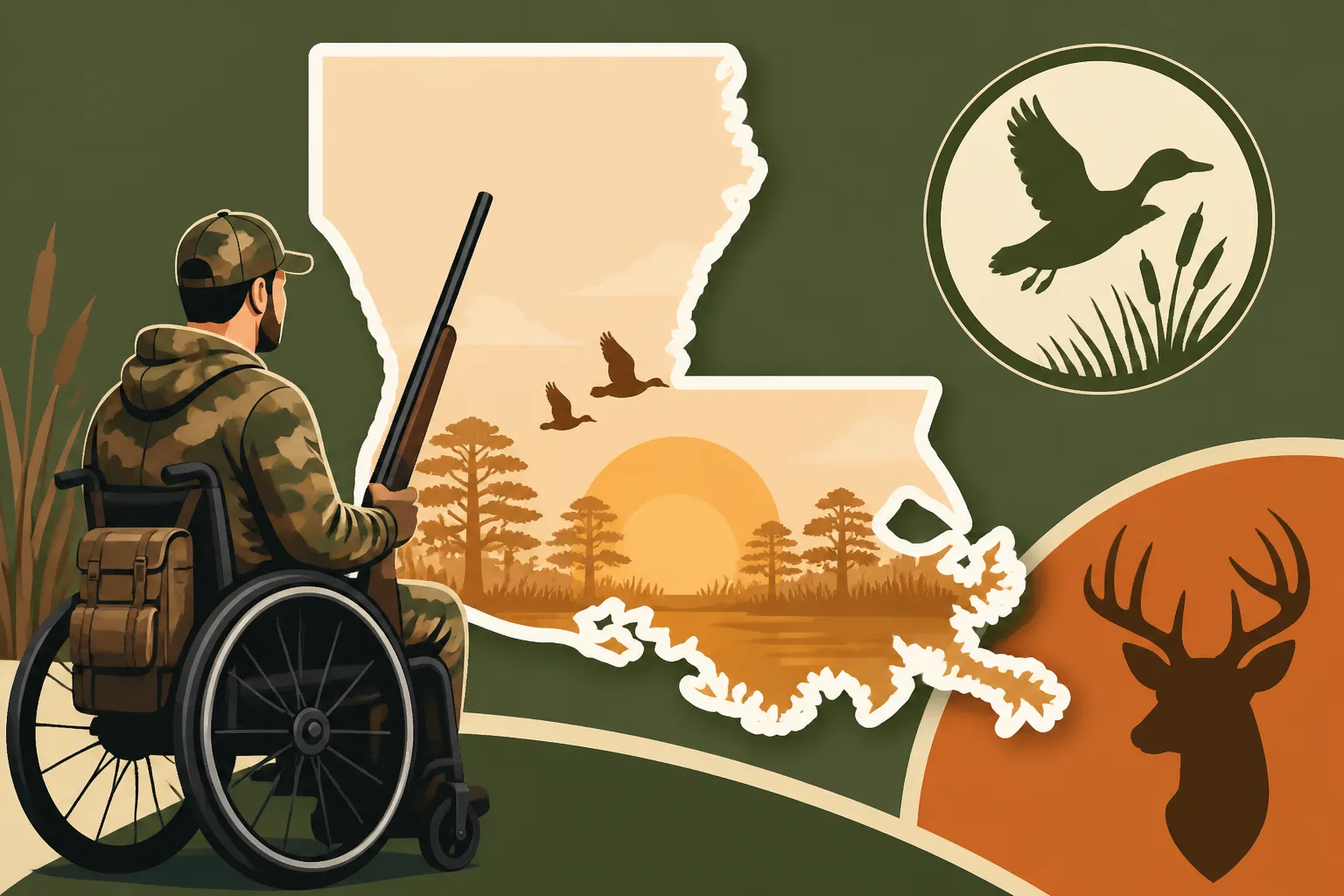
Louisiana Disabled Hunter Permit Options
Navigating Louisiana's wild landscapes to pursue deer, turkey, or ducks can be incredibly challenging, even for the most agile hunters. For individuals living with disabilities, these hurdles can multiply, making the dream of a successful hunt feel out of reach due to physical limitations or concerns about accessibility. Thankfully, the Louisiana Department of Wildlife and Fisheries (LDWF) has established a robust system of disabled hunter permit options designed to reduce these barriers, offering expanded opportunities and accommodations so that more Louisianians can participate in our cherished hunting heritage.
Understanding the Need for Special Permits
Louisiana's diverse terrain, from the dense bottomland hardwoods of the Tensas Basin to the sprawling coastal marshes, presents unique challenges. For hunters with disabilities, these challenges are amplified, requiring thoughtful solutions to ensure equitable access and a safe, enjoyable experience. The LDWF's commitment to inclusivity is reflected in these specialized permits.
Challenges Faced by Hunters with Disabilities
Imagine trying to navigate a flooded cypress-tupelo swamp in a wheelchair, or climbing into a traditional treestand if you rely on crutches for mobility. These aren't just minor inconveniences; they are fundamental barriers that prevent many passionate hunters from participating. Uneven terrain, thick undergrowth, deep mud, and the sheer physical exertion required to traverse typical hunting grounds can be insurmountable for individuals with mobility impairments, visual impairments, or other significant physical limitations. Standard hunting regulations, such as restrictions on vehicle use or specific hunting methods, while necessary for conservation, can inadvertently exclude those who need alternative means to access and pursue game. It's a frustrating reality for many who yearn to be out in the field but find themselves consistently hitting roadblocks.
Why Louisiana Offers These Programs
The LDWF isn't just about enforcement; it's about fostering participation and stewardship of our natural resources. Recognizing the unique needs of disabled hunters, these special permit programs were developed to level the playing field. The core philosophy is to provide reasonable accommodations that grant equal opportunity without compromising conservation efforts or fair chase principles. These permits acknowledge that while the physical methods of hunting might need to adapt for individuals with disabilities, their passion, skill, and desire to connect with nature are just as profound as any other hunter's. It's about ensuring that hunting remains an inclusive activity, reflecting the diverse fabric of our state's outdoor enthusiasts. Without these programs, a significant portion of our community would be unfairly excluded from a pastime deeply ingrained in Louisiana culture.
Eligibility and Application Process for Disabled Hunter Permits
Obtaining a disabled hunter permit in Louisiana isn't overly complicated, but it does require understanding the specific criteria and following the correct application procedures. It's crucial to be thorough to ensure your application is processed smoothly. These permits are an overlay to your existing Louisiana Resident Hunting License Options or non-resident equivalent, not a replacement for them.
Who Qualifies for a Disabled Hunter Permit
The LDWF offers a few categories of disabled hunter permits, each with specific eligibility requirements. Generally, these permits are for individuals with documented physical disabilities that significantly impair their ability to hunt under standard regulations. This can include, but isn't limited to, severe orthopedic impairments, neurological conditions affecting mobility, or certain visual disabilities. The definition is often quite precise, requiring certification from a licensed physician. It's not simply about having a minor injury or discomfort; it's about a permanent or long-term condition that substantially limits one or more major life activities, specifically as it relates to outdoor mobility and hunting tasks. For instance, if you require a wheelchair, crutches, or a similar mechanical aid for mobility, you'll likely fall into the "mobility-impaired" category, which has its own set of privileges.
Step-by-Step Application for General Permits
Applying for a general disabled hunter permit typically involves a few key steps. First, you'll need to obtain the official application form from the LDWF website or one of their offices. This form will require personal information and, most importantly, a detailed statement from your licensed physician. This physician's statement must clearly describe your disability, its severity, and how it impacts your ability to hunt in a conventional manner. It's not enough for a doctor to simply state "disabled"; they need to outline the specific limitations. Once completed, you'll submit this form along with any required fees (though many disability permits have reduced or waived fees) to the LDWF. They will then review your application, and if approved, issue your special permit. Remember, this permit usually needs to be carried with your regular hunting license and any species-specific tags, like those required for deer or turkey, at all times while afield.
Specific Requirements for Mobility-Impaired Hunter Permits
The mobility-impaired hunter permit is a particular designation that grants additional privileges due to the severe nature of the mobility limitation. To qualify for this permit, an individual must be certified by a licensed physician as permanently confined to a wheelchair, or requiring the permanent use of crutches, braces, or other mechanical aids for ambulation. This is a very specific criterion that goes beyond general physical impairment. The physician's statement for this permit needs to be particularly explicit about the permanent nature of the mobility aid requirement. The application process itself is similar to the general disabled hunter permit, involving the LDWF application form and the crucial physician's certification. These permits are vital for hunters who truly cannot navigate traditional hunting terrain without significant mechanical assistance. Understanding these distinct classifications is paramount, as the privileges afforded by a mobility-impaired permit often differ considerably from a general disabled hunter permit.
Specific Privileges and Accommodations
The real benefit of these permits lies in the expanded freedoms and accommodations they provide, directly addressing the challenges faced by disabled hunters. These privileges aim to make hunting safer, more accessible, and more successful.
Expanded Access and Hunting Methods
One of the most significant advantages of a disabled hunter permit, especially the mobility-impaired designation, is expanded access to hunting areas. While standard regulations often restrict vehicle use on public lands, disabled hunters with the appropriate permits may be allowed to use ATVs, golf carts, or other wheeled conveyances on designated trails or even off-road in specific areas to access their hunting spots. This can be a game-changer for reaching remote stands or recovering game. Additionally, some permits may allow for the use of special hunting methods, such as shooting from a stationary vehicle on private land, which would otherwise be prohibited. These modifications are not about giving an unfair advantage but ensuring that the act of hunting itself, from getting to the stand to taking a shot, is physically feasible. Before heading out, always check the specific WMA or private land rules, as some areas may have additional requirements or limitations, but using resources like GoHunt can help clarify accessible routes and regulations.
Understanding the Mobility-Impaired Hunter Designations
The mobility-impaired hunter designation often comes with the most extensive set of privileges. For example, individuals with this permit might be granted access to designated mobility-impaired hunting areas on certain Wildlife Management Areas (WMAs), which are often specifically designed with accessibility in mind, featuring improved trails, accessible blinds, or designated ATV routes. They may also be allowed to hunt from a stationary vehicle on private property, a privilege not extended to general disabled hunters. Furthermore, a mobility-impaired hunter might be permitted to have an assistant retrieve game for them, or even assist with tracking, particularly in difficult terrain like swamps, which can be invaluable when trying to recover a deer from a basin slough. It's a recognition that for some, the physical demands of hunting go beyond the initial shot, and support is necessary for the entire process.
Special Hunting Opportunities and Areas
Beyond general season access, the LDWF also organizes special hunting opportunities specifically for disabled hunters. These can include managed hunts on certain WMAs or refuges that are typically closed to the public, or hunts during specific times that coincide with favorable conditions and reduced pressure. For instance, some WMAs might host special Louisiana Youth and Veterans Weekend type events but specifically tailored for disabled participants, offering unique chances to hunt in well-managed areas. These hunts are often highly structured, sometimes providing guides, accessible blinds, and assistance with game retrieval. It’s an excellent way for disabled hunters to experience high-quality hunting in a supportive environment. Keep an eye on the LDWF website for announcements about these limited-entry opportunities, as they are often highly sought after.
| Permit Type | Eligibility | Key Privileges | Application Required? | Fee? (Subject to Change) |
|---|---|---|---|---|
| Disabled Hunter Permit | Certified by a licensed physician as having a permanent physical disability that substantially impairs the ability to hunt under standard regulations (e.g., severe orthopedic, neurological, or visual impairments). Not limited to mobility aids. | May allow use of specific vehicle types (e.g., ATV, golf cart) on designated routes/areas (check WMA rules). Possible exceptions for certain hunting methods or equipment. Generally requires accompaniment for some activities on public land. | Yes | Often Reduced/Waived |
| Mobility-Impaired Hunter Permit | Certified by a licensed physician as permanently confined to a wheelchair, or requiring permanent use of crutches, braces, or other mechanical aids for ambulation. | Enhanced vehicle access on public and private land. May hunt from stationary vehicle on private land. Access to designated mobility-impaired hunting areas/blinds on WMAs. Assistant may retrieve game or aid in tracking. Often includes bonus tags or extended season opportunities in specific hunts. | Yes | Often Reduced/Waived |
Note: This table provides a general overview. Always refer to the latest Louisiana Hunting Regulations and specific WMA rules for the most current and detailed information on eligibility and privileges.
Beyond the Permit: Resources and Support
While the permits are essential, successful hunting for individuals with disabilities often involves more than just a piece of paper. It requires careful planning, utilizing available resources, and connecting with supportive communities.
Finding Accessible Hunting Locations
Once you have your permit, the next step is finding where to hunt. Not all public lands are created equal when it comes to accessibility. Start by looking at Wildlife Management Areas (WMAs) known for offering facilities or designated areas for disabled hunters. The LDWF website provides detailed maps and regulations for each WMA, and sometimes even specific contacts for accessibility questions. Tools like GoHunt can be incredibly helpful here, allowing you to overlay terrain features with WMA boundaries, identifying flatter areas, existing roads, or trails that might be more manageable. Don't be afraid to call the WMA office directly; wildlife biologists and staff are often happy to provide insights into the most accessible parts of their land. Beyond WMAs, if you're exploring Getting Private Land Permission in Louisiana, clearly communicate your needs and inquire about the land's accessibility before committing to a spot. A pre-season scout, even a virtual one using aerial photos, is absolutely critical.
Support Organizations and Mentorship
You don't have to navigate this journey alone. Several organizations are dedicated to empowering disabled hunters and providing opportunities. Groups like the National Wild Turkey Federation (NWTF) or local chapters of organizations like Wheelin' Sportsmen often host specialized hunts or provide mentorship for disabled individuals. These organizations can connect you with experienced hunters who understand the unique challenges and can offer practical advice on everything from specialized gear to adaptive hunting techniques. Finding a mentor can be invaluable, especially when learning how to approach specific game like Hunting Atchafalaya Basin Swamp Deer or dealing with the logistics of Dragging a Deer Out of a Swamp in challenging conditions. These communities offer not just practical support but also a vital sense of camaraderie and shared passion.
Tips for a Successful and Safe Hunt
Planning is paramount for any hunter, but especially so for disabled hunters. Here are a few tips to maximize your success and safety:
- Scout Thoroughly: Before the season, use maps, aerial imagery, and if possible, physically visit potential hunting spots. Look for easy access points, relatively flat terrain, and proximity to game sign. Using the Scouting Louisiana Public Land Before Season guide can help immensely with this crucial step.
- Communicate Your Needs: If you're hunting with partners, clearly articulate your physical limitations and what kind of assistance you might need, whether it's setting up a ground blind, carrying gear, or helping with game recovery.
- Invest in Adaptive Gear: From specialized ATV attachments to shooting rests designed for stability, there's a growing market of adaptive hunting gear that can make a huge difference. Don't be afraid to research and invest in equipment that enhances your experience.
- Stay Hydrated and Rested: Louisiana weather can be unforgiving. Prioritize self-care, especially in warm weather, by staying hydrated and taking breaks.
- Have an Emergency Plan: Always carry a fully charged cell phone, a first-aid kit, and let someone know your exact hunting location and expected return time. Consider carrying a personal locator beacon (PLB) for remote areas.
- Know the Rules: Even with special permits, it’s still your responsibility to understand all applicable hunting regulations, bag limits, and reporting requirements. For example, Louisiana Deer Reporting Requirements still apply to all successful hunters.
By combining the advantages of Louisiana's disabled hunter permit options with smart planning, supportive communities, and a commitment to safety, hunters with disabilities can continue to enjoy the profound rewards of hunting in the Sportsman's Paradise. It's about empowering everyone to experience the thrill of the chase and the beauty of our wild places.
Disclaimer
The information provided in this guide is for general informational purposes only and does not constitute legal advice. Hunting regulations in Louisiana are subject to change by the Louisiana Department of Wildlife and Fisheries (LDWF). Hunters are solely responsible for understanding and complying with all current federal, state, and local hunting laws and regulations. Always consult the official LDWF hunting regulations pamphlet or website for the most accurate and up-to-date information before participating in any hunting activity.