Taking Louisiana Hunter Education Online
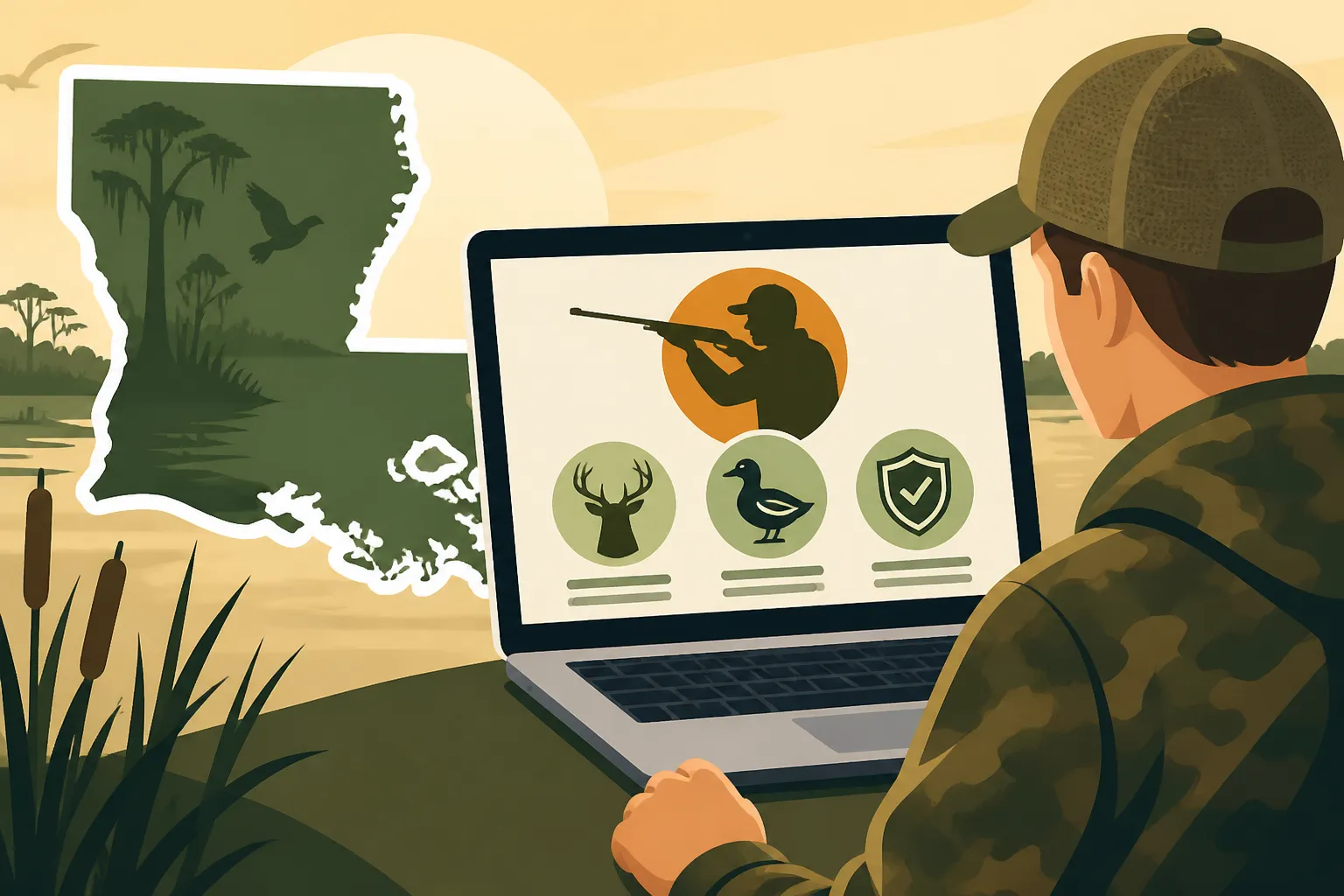
Trying to figure out how to get your hunter education certification so you can finally hit the woods in Louisiana can feel like navigating a cypress swamp blindfolded. There are often questions about the process, especially if you’re looking to do it efficiently. This guide is all about demystifying the online hunter education options available in our great state, walking you through everything you need to know from the comfort of your home right up to that crucial field day.
Why Hunter Education Matters Even if You Do it Online
Let's be real, for many folks, hunter education might seem like just another hoop to jump through before you can get to the good stuff – like chasing deer or calling in turkeys. But I promise you, it's so much more than that. It's about making sure every single hunter in the field, young or old, new or seasoned, understands the immense responsibility that comes with carrying a firearm or bow. It's about protecting yourself, your hunting partners, and the future of our hunting heritage.
The Core Reasons for Hunter Safety
The biggest reason we have hunter education is safety, plain and simple. Louisiana, like every other state, wants to minimize hunting accidents, and the data consistently shows that states with mandatory hunter education have significantly lower incident rates. We're talking about avoiding tragic mistakes like accidental discharges, mistaken-for-game incidents, and improper shot placement that can lead to wounded animals and dangerous situations. It covers everything from how to safely handle your firearm in a boat, to crossing a fence, to proper tree stand etiquette. These aren't just dry rules; they're vital lessons learned from real-world scenarios, designed to keep everyone safe. Without this foundation, you're not just putting yourself at risk, but everyone else sharing the woods with you. It truly boils down to respect for the sport, the land, and the lives involved.
Beyond just preventing accidents, hunter education instills a strong sense of ethical hunting. It teaches us about fair chase principles, respecting wildlife, and understanding the role hunters play in conservation. You'll learn about wildlife identification, game recovery, and proper field dressing – all elements that contribute to being a responsible steward of our natural resources. It’s not just about pulling a trigger; it’s about understanding the entire cycle and your place within it. These ethical considerations are what elevate hunting from simply harvesting an animal to a respected tradition that contributes positively to our ecosystem.
Legal Requirements and Peace of Mind
Here in Louisiana, the law is pretty clear: anyone born on or after September 1, 1969, must successfully complete a hunter education course to hunt alone. There are a few exceptions, like if you're hunting on your own land or acting as an apprentice under proper supervision, but for the vast majority of us who want to hunt public lands or hunt independently, that certification is non-negotiable. You can find all the specific details on the official Louisiana Hunter Education Requirements page from the Louisiana Department of Wildlife and Fisheries (LDWF). Think of it as your hunting driver's license – you wouldn't get behind the wheel without one, right?
Having that card in your wallet, or better yet, a digital copy on your phone (which Louisiana allows for easy access), provides incredible peace of mind. When a game warden asks to see your license and proof of hunter education, you can confidently present it without a worry. It means you've done your part, you're compliant with the law, and you're ready to enjoy your time afield responsibly. This isn't just about avoiding a fine; it's about being prepared and knowing you have the foundational knowledge to handle any situation that might arise. It sets you up for success and a more enjoyable experience. You’ll want to make sure you know all about Carrying Proof of License on Your Phone to stay compliant while out in the field.
Navigating the Online Hunter Education Process in Louisiana
The beauty of living in the modern age is that much of the hunter education curriculum can be absorbed from your living room. The online format offers incredible flexibility, especially for folks with busy schedules, fitting around work, family, and all the other demands of life. However, it's not a complete free-for-all. Louisiana has specific guidelines for online courses, usually requiring a subsequent in-person component.
Choosing an Approved Online Course Provider
This is where you need to be a little discerning. Not just any hunter education course you find with a quick internet search will cut it for Louisiana certification. The Louisiana Department of Wildlife and Fisheries (LDWF) approves specific online providers to ensure the curriculum meets our state’s standards and adequately prepares hunters. These typically include well-known national providers such as Hunter-ed.com or iLearnToHunt. It's always a good idea to double-check the current list directly on the LDWF website to make sure the course you're considering is officially recognized.
Many hunters, including myself, find that resources like GoHunt are fantastic for doing a quick check and comparison. While GoHunt primarily focuses on Western big game, their platform often links to or references approved educational resources that apply broadly, helping you ensure the course you're selecting is legitimate for Louisiana. You’re looking for a course that explicitly states it's approved by the Louisiana Department of Wildlife and Fisheries. Taking an unapproved course would mean all your hard work won't count, and you'd have to start over, which is a frustrating waste of time and money. Look for clear indications on the provider's website that they are officially sanctioned by the LDWF.
What to Expect from the Online Curriculum
Once you've picked an approved provider, you'll dive into the online modules. These courses are designed to be comprehensive and engaging, breaking down complex topics into digestible sections. You'll typically cover:
- Firearm Safety: This is foundational. You'll learn the cardinal rules of firearm handling, safe storage, transportation, and how to operate various types of firearms safely.
- Archery Safety: If you're interested in Bowhunting Louisiana's Long Archery Season, this section is crucial, covering safe bow handling, broadhead safety, and ethical shot placement with archery equipment.
- Hunting Ethics and Responsibility: Beyond the legal stuff, this section delves into respecting landowners, fellow hunters, and wildlife, as well as the importance of proper game recovery.
- Wildlife Identification and Biology: You’ll learn about common game species in Louisiana, their habitats, and basic biology, which helps with ethical hunting and conservation efforts.
- Hunting Laws and Regulations: This is state-specific, detailing Louisiana's season dates, bag limits, licensing requirements, and other legal nuances. Knowing these laws is paramount to avoiding citations.
- Survival and First Aid: Practical knowledge for emergencies in the field, including what to do if you get lost, suffer an injury, or encounter dangerous wildlife.
- Game Care and Preservation: From field dressing to transport, this covers how to properly handle your harvest to ensure quality meat.
Most online courses use a mix of text, videos, animations, and interactive quizzes to keep you engaged. You can usually go at your own pace, pausing and resuming as needed, which is a huge benefit. Just remember, these quizzes and module tests aren't just busywork; they're designed to reinforce critical knowledge that you’ll carry with you into the field.
The Mandatory Field Day Component
Here’s the part that often catches people off guard: for most online hunter education courses in Louisiana, completing the online portion is just step one. You'll almost always need to attend a mandatory in-person "Field Day." This isn't just a formality; it's a critical component where you get hands-on experience and demonstrate practical skills that can't be taught through a screen.
The field day typically involves:
- Review of Key Concepts: Instructors will go over the most important topics from the online course, clarify any confusion, and answer questions.
- Practical Safety Exercises: You'll demonstrate safe firearm handling, muzzle control, proper carrying positions, and how to cross obstacles safely with a firearm. This is where you actually get to put what you learned online into practice.
- Live-Fire Exercises: This is often the most anticipated part, where you'll get to shoot a firearm under the supervision of certified instructors. This builds confidence and familiarizes you with recoil, aiming, and trigger control in a controlled environment.
- Treestand Safety: Given the popularity of treestand hunting in Louisiana, you'll usually get practical instruction on how to safely use and install a treestand, including the crucial use of a safety harness.
- Survival Skills: Sometimes, field days will include basic survival demonstrations, like starting a fire or signaling for help.
Finding and scheduling a field day can be the trickiest part, especially if you live in a more rural area or try to register too close to hunting season when slots fill up fast. The LDWF website will have a schedule of upcoming field days, usually listed by parish or region. My advice? Book it as soon as you can after finishing your online coursework. Don't wait until the last minute! You'll need to bring proof of your completed online course and usually your hunting license, which you can purchase once you understand Louisiana Hunting Licenses and What They Cost.
Here’s a quick overview of the Louisiana Hunter Education process:
| Step | Description | Key Considerations |
|---|---|---|
| 1. Determine Eligibility | Check if you are born on or after September 1, 1969. | Age and birthdate are critical for Louisiana requirements. |
| 2. Choose Approved Online Course | Select a provider officially sanctioned by the Louisiana Department of Wildlife and Fisheries (LDWF). | Verify LDWF approval to ensure your certificate will be valid. GoHunt can be a helpful resource. |
| 3. Complete Online Modules | Work through the interactive lessons, quizzes, and tests at your own pace. | Focus on understanding concepts like firearm safety, ethics, and Louisiana regulations. |
| 4. Register for a Field Day | Locate and sign up for a mandatory in-person Field Day through the LDWF website. | Book early, as slots can fill up quickly, especially closer to hunting seasons. |
| 5. Attend Field Day | Participate in practical exercises, live-fire practice, and demonstrate safe handling skills. | Bring proof of online completion and be prepared for hands-on activities. |
| 6. Receive Certification | Upon successful completion of both online and field day, you'll receive your hunter education card. | This certification is required to hunt independently in Louisiana. |
Tips for a Successful Online Hunter Ed Experience
Taking hunter education online offers convenience, but it also requires a bit of discipline and preparation to ensure you get the most out of it. It’s not just about passing a test; it’s about absorbing crucial information that will keep you safe and ethical in the woods.
Setting Yourself Up for Success at Home
First and foremost, treat your online course like a real class. Set aside dedicated time where you won't be interrupted. Trying to rush through modules with the TV on or while multitasking will only lead to you missing vital information. Find a quiet space where you can focus, whether it's your home office, kitchen table, or even a quiet corner of your camp. Many hunters find using platforms like GoHunt helpful for tracking their progress or finding supplementary materials that reinforce their learning, though it's important to remember the core content must come from the LDWF-approved course.
If you're taking the course with a youth hunter, make it a family affair! Sit with them, discuss the topics, and help them understand the importance of each lesson. This not only reinforces their learning but also builds a shared foundation of safety and ethics that will benefit you both when you're Hunting the Youth and Veterans Weekend or just enjoying time in the woods. Break up the modules into manageable chunks; don't try to cram it all into one marathon session. Reviewing the material regularly, especially before moving to a new section, will help solidify the information.
Acing Your Field Day and Beyond
Once you've crushed the online portion, the field day is your chance to shine. Don't just show up cold. Spend some time reviewing your notes from the online course, especially anything related to firearm handling, safety rules, and Louisiana-specific regulations. If you have access to an unloaded firearm, practice safe handling techniques at home – always treating it as if it's loaded, of course. This will make you feel much more comfortable and confident when it's time for the live-fire exercises. Knowing about Choosing a .44 Caliber Primitive Pistol or Louisiana Legal Firearms for Deer Hunting might be interesting for later, but for the field day, focus on the fundamentals of safe operation with whatever equipment is provided or demonstrated.
After you've successfully completed your field day and received your official hunter education certification, the real learning truly begins in the field. This certification is your ticket to legally hunt alone in Louisiana. Make sure to immediately get your Louisiana Resident Hunting License Options or Louisiana Nonresident Hunting License Options sorted through the LDWF's online portal or a local vendor. You'll apply all the safety, ethical, and practical skills you learned. Whether you're Scouting Louisiana Public Land Before Season in Kisatchie National Forest or planning your first trip to one of the many Louisiana Wildlife Management Areas, always keep those hunter education lessons at the forefront of your mind. Remember, being a certified hunter isn't just about carrying a card; it's about being a responsible, safe, and ethical participant in our cherished hunting tradition, ready to apply lessons from Reading Aerial Photos for Central Louisiana Deer to understanding Louisiana Deer Reporting Requirements.
Disclaimer
The information provided in this guide is for general informational purposes only and does not constitute legal advice. Hunting regulations and requirements can change. Always consult the official Louisiana Department of Wildlife and Fisheries (LDWF) website and current hunting regulations for the most accurate and up-to-date information before participating in any hunting activities.