Why Pole Hunting Alligators Stays Illegal
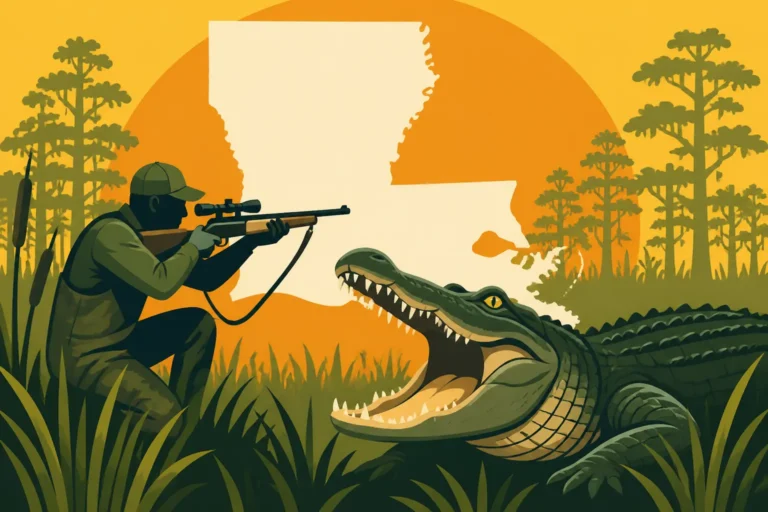
It can be incredibly frustrating when you're trying to understand the ins and outs of hunting regulations, especially when a method that might seem straightforward or even traditional is explicitly forbidden. Many new and even seasoned hunters in Louisiana scratch their heads wondering why "pole hunting" alligators, a seemingly direct approach, is just not allowed. This guide will dive deep into the specific reasons behind this prohibition, explaining the legal, ethical, and safety considerations that make pole hunting alligators illegal in the Bayou State.
Understanding Louisiana's Alligator Hunting Regulations
Hunting alligators in Louisiana isn't just about heading out to the nearest swamp with a plan; it's a highly regulated activity rooted in careful conservation efforts. The Louisiana Department of Wildlife and Fisheries (LDWF) has a very specific framework for alligator harvest, and for good reason. It ensures the health of the alligator population while providing recreational opportunities.
The Legal Framework for Alligator Harvest
Louisiana's alligator population is a true success story, having rebounded remarkably from near extinction decades ago. This comeback didn't happen by accident; it's the result of strict management and thoughtful regulations put in place by the LDWF. Their primary goal is sustainability, which means carefully controlling how, when, and where alligators can be hunted. This approach prevents overharvesting and ensures a robust population for future generations. For instance, Louisiana offers a unique system for hunters, often involving a lottery where successful applicants receive tags for specific zones. This is a far cry from the free-for-all of yesteryear, which saw alligator numbers plummet. Understanding Louisiana's New Recreational Alligator Season is the first step for anyone looking to participate legally.
Why Certain Methods Are Prohibited
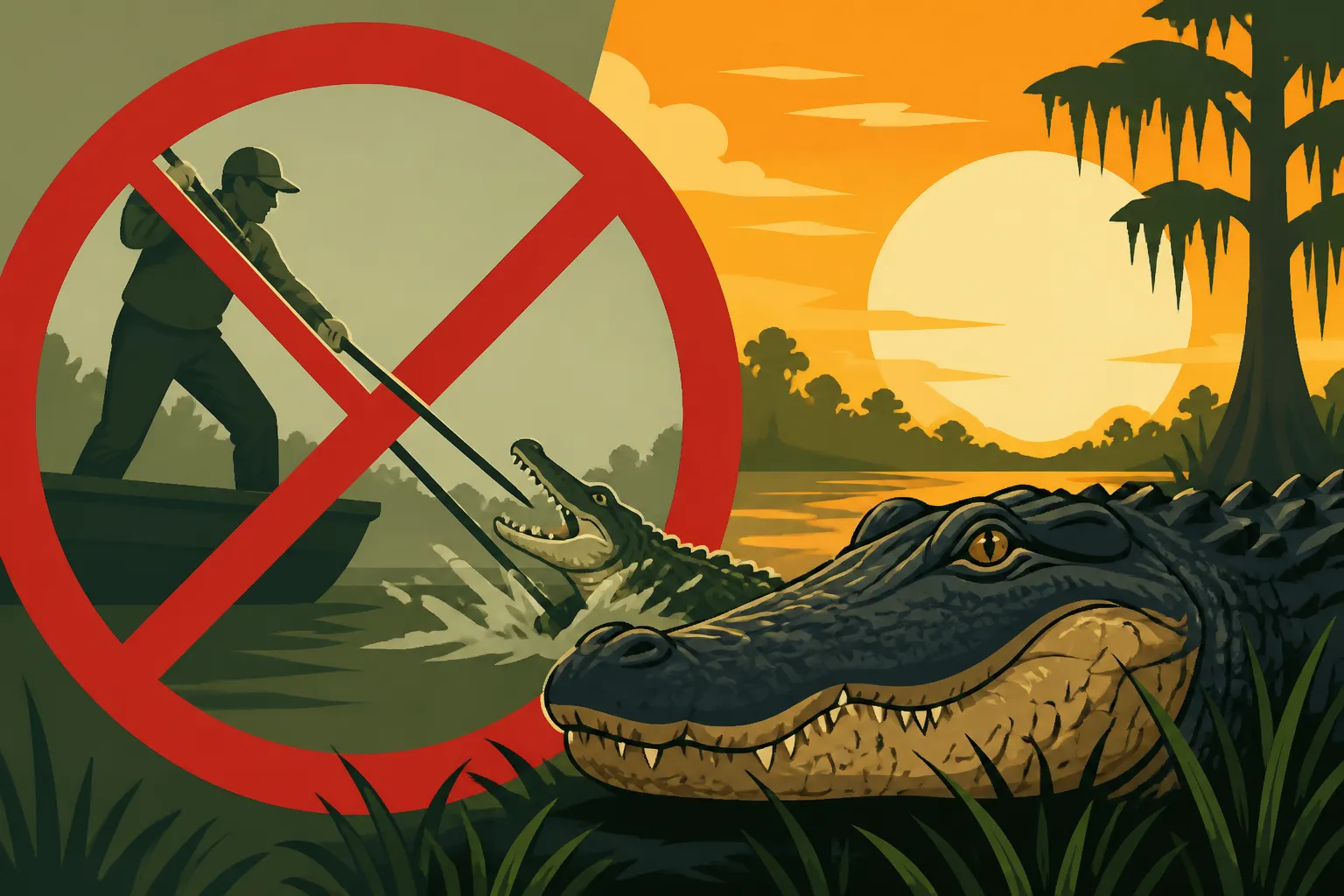
When it comes to alligator hunting, not all methods are created equal in the eyes of the law. "Pole hunting," often envisioned as using a long pole to harpoon or gig an alligator directly, is strictly off-limits. The reasoning behind this isn't arbitrary; it stems from a combination of concerns about human safety, animal welfare, and maintaining the integrity of the hunt. Imagine trying to directly engage a powerful, potentially aggressive alligator with a pole from a small boat. The risks are incredibly high for both the hunter and the animal. Regulations are designed to minimize these risks, ensuring that hunters use methods that are proven to be effective, humane, and safe. These prohibitions reflect a commitment to ethical hunting practices, which prioritize a quick, clean kill and reduce the likelihood of injuring an animal only for it to escape and suffer.
Safety, Ethics, and the "Why" Behind the Rule
The prohibition on pole hunting alligators in Louisiana isn't just about legality; it's deeply ingrained in fundamental principles of safety, ethical hunting, and the long-term health of the alligator population. When you're out there on the water, whether you're using an app like GoHunt to scout or just navigating by feel, safety should always be paramount.
Hunter Safety and Alligator Welfare Concerns
Let's be realistic: an alligator is a formidable creature. Trying to "pole hunt" one can be incredibly dangerous. Imagine a scenario where you're leaning over the side of a small skiff, attempting to drive a spear or hook into an alligator with a long pole. The gator's powerful tail could easily capsize your boat, or its jaws could snatch at an exposed limb. It's an unstable, unpredictable situation that dramatically increases the risk of injury or worse for the hunter. The LDWF explicitly prohibits methods that put hunters at undue risk.
Beyond human safety, there's a significant animal welfare component. Pole hunting often leads to poor shot placement or insufficient penetration, resulting in a wounded alligator that escapes only to suffer a prolonged, agonizing death. Ethical hunting demands a swift, humane kill. Permitted methods are designed to maximize the chances of a quick dispatch, minimizing stress and pain for the animal. It's about respecting the game you pursue, even if it's a prehistoric predator like an alligator.
Maintaining Fair Chase and Conservation Principles
The concept of fair chase is a cornerstone of ethical hunting, ensuring that the animal has a reasonable chance of escape and that the hunt is not unduly exploitative. Pole hunting, in many interpretations, could be seen as violating this principle, especially if it involves methods that essentially corner or incapacitate an alligator without allowing for a proper "hunt." Louisiana's alligator management program is a testament to successful conservation. The regulations ensure that hunting contributes to, rather than detracts from, the overall health and abundance of American Alligators in Louisiana. By prohibiting methods like pole hunting, the state safeguards the species against unethical practices that could lead to unnecessary injury or, in the long run, threaten the population. It's a delicate balance, and every rule plays a part in maintaining it.
Legal and Recommended Alligator Hunting Methods
Instead of pole hunting, Louisiana offers a range of legal, ethical, and effective methods for recreational alligator hunters. These methods are designed to be safe for the hunter and provide a humane outcome for the alligator, all while ensuring the sustainability of this incredible resource.
Permitted Techniques for Recreational Alligator Hunters
If you're lucky enough to draw a tag in the alligator lottery, you'll need to know the rules of engagement. The primary legal methods for taking alligators are hook-and-line, snatch hook, and the use of specific firearms once the alligator is brought alongside the boat.
- Hook-and-Line: This is perhaps the most common method. Hunters set baited lines, often using chicken or other legal bait, and leave them overnight. The line must be secured to a sturdy object, like a tree or a weighted pole, in the water. Once an alligator takes the bait, it's typically allowed to "soak" for a period before hunters return to check their lines. When an alligator is found on the line, it's typically dispatched with a bangstick or legal firearm once brought alongside the boat. You can find detailed strategies for Hook-and-Line Alligator Setups to ensure you're doing it right.
- Snatch Hook: This method involves using a weighted treble hook, cast or thrown to snag an alligator, usually by its hide. Once hooked, the alligator is played until it can be brought close enough for dispatch. This requires skill and strength, as a large alligator can put up a significant fight. There are specific rules regarding the size and type of snatch hooks allowed. If you're considering this, definitely brush up on Snatch-Hook Alligator Tactics to ensure compliance and safety.
- Firearms: While you can't shoot an alligator from a distance in the water, a firearm is the primary tool for dispatch once the alligator is secured at the boat. LDWF specifies the legal calibers and types of firearms. For example, centerfire rifles and shotguns with slugs are typically allowed for dispatch. The focus is on a humane shot to the brain.
All of these methods require skill, patience, and a deep respect for the animal. Using a modern app like GoHunt to mark your lines or scout potential habitat can really streamline the process and make sure you're working within your allocated zone. For a complete rundown, always consult the official Louisiana Alligator Legal Methods from the LDWF.
Navigating the Louisiana Recreational Alligator Lottery
The recreational alligator hunting season in Louisiana is a coveted opportunity, and securing a tag is often the first big challenge. Unlike deer or duck hunting, which generally have broader license sales, alligator tags are awarded through a lottery system. This ensures that the harvest remains within sustainable limits, balancing hunter demand with conservation needs.
The process involves Applying for the Alligator Recreational Lottery through the LDWF. Applicants specify preferred hunting zones, which are designated areas across the state, each with its own allocation of tags based on the local alligator population. The number of tags issued per zone and the size limits on alligators taken within those zones vary year to year, all determined by LDWF biologists to maintain population health. Understanding these specific Louisiana Alligator Zone Allocations is critical before you even apply. If you're fortunate enough to draw a tag, you'll also need to purchase a Louisiana Resident Alligator License Cost and any necessary federal licenses. This controlled system ensures that despite the thriving population of How Many Alligators Louisiana Has, the resource is never over-pressured, making it a sustainable and exciting hunt for those who participate.
Here's a quick overview of legal vs. illegal methods:
| Method Type | Legal Status in Louisiana | Primary Use Case | Key Reason for Status |
|---|---|---|---|
| Hook-and-Line | Legal | Setting baited lines overnight, returning to check | Controlled, allows for humane dispatch, sustainable |
| Snatch Hook | Legal | Catching alligators by snagging them with a treble hook | Requires skill, allows for humane dispatch, controlled |
| Firearms (for dispatch) | Legal (once secured) | Humanely dispatching a secured alligator at the boat | Ensures quick, humane kill after capture by other means |
| Pole Hunting/Gigging | Illegal | Directly spearing/gigging an alligator with a long pole | High risk of hunter injury, inhumane wounding, unethical hunt |
| Free-Ranging Shooting | Illegal | Shooting an alligator from a distance in the water | High risk of wounding/losing animal, public safety concerns |
Consequences of Illegal Alligator Hunting
Hunting outside the bounds of the law, especially when it comes to a protected and carefully managed species like the alligator, carries severe repercussions. It's not just a slap on the wrist; illegal alligator hunting can lead to serious legal penalties and undermines decades of successful conservation work.
Legal Repercussions and Penalties
Louisiana takes its wildlife laws very seriously, and violations, particularly for game species like alligators, are met with stringent penalties. If you're caught "pole hunting" or using any other illegal method, you could be facing substantial fines, which can easily run into the thousands of dollars. Beyond monetary penalties, there's the very real possibility of jail time, especially for repeat offenders or egregious violations. Your hunting license and privileges could be revoked for an extended period, or even permanently, meaning you wouldn't be able to legally hunt any species in Louisiana for years. Furthermore, any equipment used in the commission of the crime—your boat, firearms, or other gear—is subject to confiscation. These Louisiana Wildlife Violation Penalties are designed to be a significant deterrent, reflecting the state's commitment to protecting its natural resources. It's simply not worth the risk, especially when legal and ethical alternatives are readily available.
Protecting Louisiana's Alligator Population
The success story of the American alligator in Louisiana is one of the greatest conservation triumphs in North America. From being an endangered species, the alligator population has rebounded to robust, healthy numbers thanks to a carefully regulated hunting and farming program. This program generates millions of dollars for the state's economy and provides a sustainable harvest for hunters. Illegal hunting methods like pole hunting threaten to unravel this success. Each illegally taken alligator represents a loss to the sustainable harvest quota and, more importantly, a direct challenge to the management efforts that have ensured the species' survival. The prohibition on pole hunting, alongside other regulations, is a critical component of How Louisiana's Alligator Program Saved the Species. By adhering to these rules, hunters play a vital role in continuing this conservation legacy, ensuring that future generations can also experience the thrill of hunting these magnificent creatures in a responsible and ethical manner.
Disclaimer
Please remember that hunting regulations can change. While this guide provides a comprehensive overview based on current information, it is essential to always consult the most recent Louisiana Department of Wildlife and Fisheries (LDWF) official regulations before engaging in any hunting activities. This content is for informational purposes only and should not be considered legal advice.