Why WMA Turkey Dates Differ From Private Land
It's incredibly frustrating when you're geared up for turkey season, only to find out the dates you've circled on your calendar for your cousin's private land don't quite match up with the public Wildlife Management Area (WMA) you were hoping to hit later. This discrepancy isn't just an annoyance; it's a real head-scratcher that leaves many hunters wondering why the rules seem to change depending on where you plan to chase gobblers. This guide will walk you through the very practical reasons why Louisiana's turkey season dates diverge between private land and WMAs, helping you understand the logic behind the regulations and how to plan your hunts effectively.
The Core Philosophy Behind Louisiana Turkey Season Management
Managing a cherished game species like the wild turkey in a state as diverse as Louisiana is a delicate balancing act. The Louisiana Department of Wildlife and Fisheries (LDWF) isn't just throwing darts at a calendar; their decisions are rooted in deep biological understanding and a commitment to both conservation and providing meaningful hunting opportunities for everyone.
Balancing Conservation with Harvest Opportunity
At its heart, the LDWF has a dual mandate: to protect and enhance Louisiana's wildlife resources for future generations, and to provide sustainable harvest opportunities for hunters today. When it comes to wild turkeys, this is particularly poignant. Louisiana's turkey populations were once severely depleted, and their remarkable recovery is a testament to dedicated conservation efforts over many decades. This history means every decision, especially regarding season dates, is made with an eye toward maintaining that success. Biologists are constantly monitoring factors like Louisiana Turkey Population Trends, habitat quality, the impacts of unpredictable weather patterns on nesting success, and overall reproductive rates. They're trying to find that sweet spot where hunters can enjoy a successful season without negatively impacting the long-term health of the turkey flock. This involves looking at everything from the average number of poults per hen, which biologists refer to as Poult-to-Hen Ratios and What They Mean, to the general health of the birds in different regions.
Understanding Public vs. Private Land Priorities
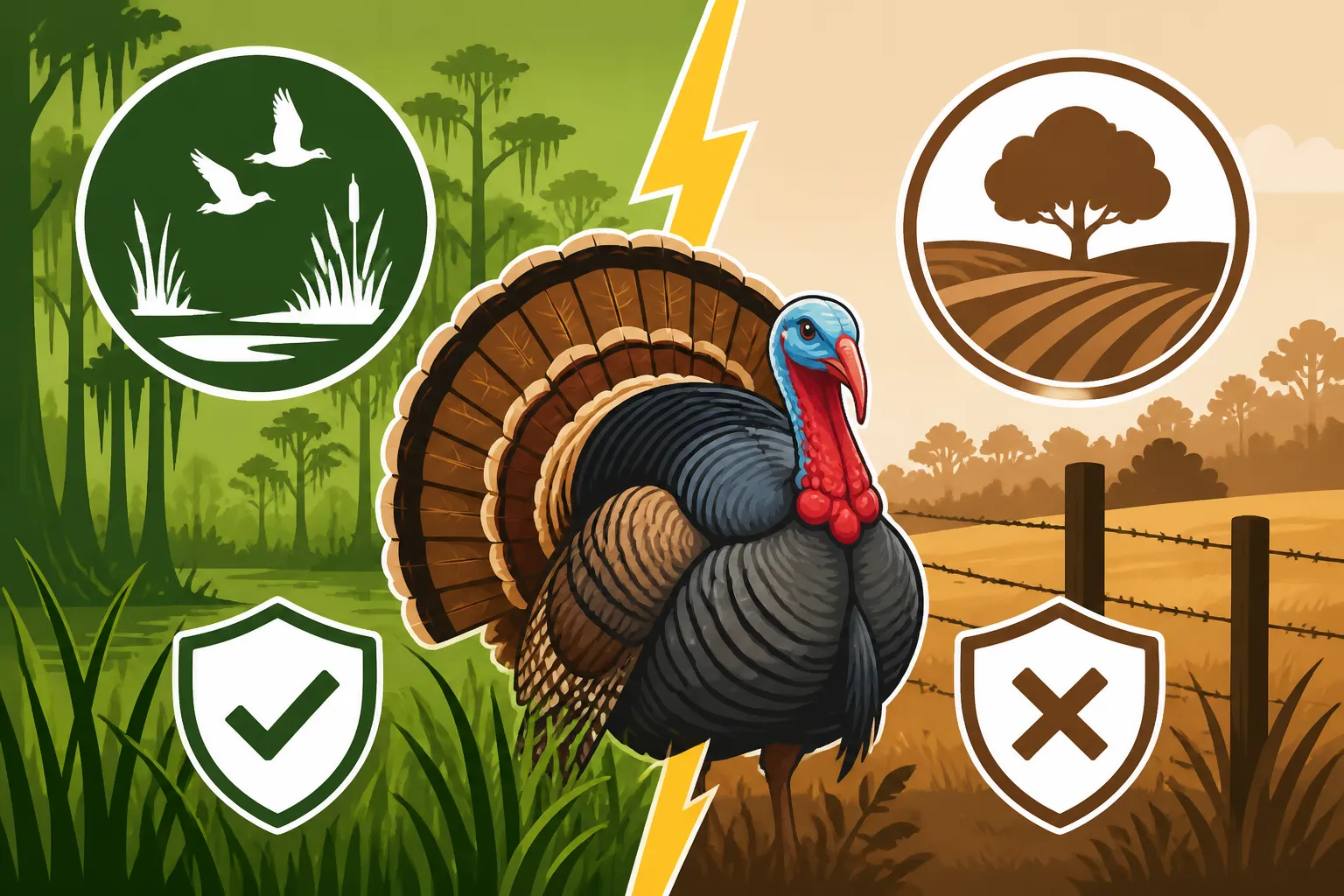
The biggest differentiator in season dates often boils down to who owns and manages the land, and what priorities come with that ownership. On private land, the landowner holds considerable discretion. They might have fewer hunters on their acreage, allowing for a more localized and perhaps less intensive management strategy. A private landowner might also manage their property specifically for certain hunting outcomes, potentially allowing for earlier or longer seasons within the state's broader regulatory framework.
Wildlife Management Areas, on the other hand, are fundamentally different. These are public lands, managed by the state for the benefit of all citizens, including hunters, birdwatchers, hikers, and other outdoor enthusiasts. This broad access means that WMAs are subject to far greater hunting pressure than most private tracts. The LDWF's goal for WMAs isn't just to enable a harvest; it's to provide a quality hunting experience while absolutely ensuring the sustained health of the turkey population on these accessible public grounds. Because WMAs are often the primary (or only) option for many hunters, the management approach must be more conservative, accounting for higher user numbers and the potential for greater impact on the birds.
Why WMA Regulations Are More Restrictive
It’s easy to feel a bit restricted when you compare WMA regulations to private land, but there are very specific and well-founded reasons for these differences. It all comes back to managing a finite resource under significant demand.
The Impact of Hunter Pressure on Public Lands
Imagine a prime piece of turkey habitat. On private land, it might see a handful of hunters over the entire season. Now, picture that same habitat on a WMA, open to potentially hundreds, if not thousands, of hunters over the season. That difference in human presence is profound. Concentrated hunter pressure on public lands can have several significant impacts. It can disrupt the natural breeding patterns of turkeys, making gobblers call less frequently or move away from traditional strutting zones. Birds might become "educated" more quickly, making them notoriously harder to call in. Furthermore, intense pressure can displace birds from preferred feeding or roosting areas, potentially affecting their overall health and reproductive success.
To mitigate this, WMA turkey season dates are frequently shorter, start later, or even include specific days when hunting is prohibited. This isn't to be arbitrary; it’s a strategic move to protect gobblers during the crucial early breeding times when they are most vulnerable to calling. It also spreads out the pressure, giving birds a chance to settle down and for hunters to have a more enjoyable, less crowded experience. The challenge for the LDWF is to manage these limited public resources for maximum participation while also ensuring the continued sustainability and robust health of the wild turkey species on these lands. It’s a delicate balancing act, prioritizing the long-term health of the flock above all else, especially when so many hunters rely on these areas.
Biological and Management Drivers for WMA Dates
The decisions regarding WMA turkey seasons are heavily influenced by biological data and rigorous management principles. LDWF biologists are hyper-focused on protecting the entire breeding cycle on WMAs. This often means delaying the season start until after the peak of gobbling and breeding activity in many areas. While private land seasons might open during this peak to give hunters a shot at the most active birds, WMAs often hold off. The reasoning is that by letting the bulk of the breeding occur unpressured, the chances of successful nesting and poult survival increase significantly, ensuring a healthier population for the following years. It's a long-term investment in the turkey resource.
LDWF gathers a tremendous amount of data to inform these decisions. This includes field observations from biologists, harvest reports from previous seasons, and detailed population surveys. They consider local conditions, such as habitat variations across different WMAs—the bottomland hardwoods of a place like Pearl River WMA Bottomland Deer Ground will have different turkey dynamics than the piney uplands of Sherburne Wildlife Management Area, for example. Some WMAs may even employ more restrictive measures like quota hunts or drawing systems, which you might encounter during the Louisiana WMA Quota Hunt Sign-In Process, further limiting the number of hunters on a given day to reduce pressure and enhance the experience. You'll often find specific regulations that address certain zones, even within a particular WMA, that might differ from the broader Louisiana Turkey Area A, B and C Rules that apply to private lands. This granular approach ensures tailored management for each unique public parcel.
Strategies for Navigating Louisiana's Diverse Turkey Seasons
The reality of differing season dates doesn't have to be a deterrent. With a bit of planning and adaptability, you can still enjoy successful turkey hunts across Louisiana's varied landscapes.
Planning Your Hunt Across Different Land Types
The absolute first step for any Louisiana turkey hunter is to consult the official LDWF hunting regulations pamphlet. Don't rely on hearsay or what was true last year; regulations can and do change. Pay very close attention to both the statewide private land regulations and the specific regulations for any WMA you plan to hunt. These are often detailed in separate sections within the pamphlet, and it’s critical to understand that WMA rules almost always override general statewide rules. For example, while the state may have a general opening day, a specific WMA might open a week or two later, or have a much shorter season, perhaps only allowing hunting on certain days of the week.
To help keep track, many hunters find it useful to leverage modern tools. Apps like GoHunt are fantastic for mapping out potential hunting spots and overlaying different season dates. You can mark your private land tracts and then cross-reference them with nearby WMAs, seeing at a glance when various seasons kick off and close. This can help you maximize your opportunities by switching gears from private land to a WMA, or vice versa, as seasons allow. It's also a smart move to check for Louisiana Managed Hunt Sign-Up Deadlines on WMAs, as many popular spots require pre-registration or a lottery draw, which can impact your scheduling. Remember, detailed advance scouting for public land, as highlighted in Scouting Louisiana Public Land Before Season, is crucial, and mapping tools can greatly aid in identifying accessible areas and potential turkey habitat before you ever step foot on the ground.
Adapting Your Tactics to Public Land Challenges
WMA turkeys are, for lack of a better term, often "smarter" or more educated birds. They've likely heard more calls, seen more decoys, and encountered more hunters than their private-land counterparts. This means your tactics need to evolve. Patience becomes an even greater virtue on public lands. Instead of aggressive calling right off the bat, try more realistic, subdued sequences. You might even find success by simply listening and observing, only calling when a bird responds naturally. Techniques like Calling a Louisiana Gobbler Off the Roost require precision and often a lighter touch on public land.
Moving quietly and deliberately is also paramount. Many successful public land hunters advocate for a "run-and-gun" approach, but it’s a subtle one, as explained in Run-and-Gun Turkey Tactics on Public Land. This means covering ground stealthily until you locate a responsive bird, then quickly setting up to work it. Don't be afraid to go deeper into less accessible areas, away from easily reached parking lots or trails. The extra effort often pays off in finding birds that haven't been as pressured. Furthermore, always be mindful of other hunters, especially when considering safety and setting up. Familiarize yourself with Louisiana Public Land Hunting Hours and always be aware of your surroundings. If possible, consider hunting during weekdays when hunter numbers tend to be lower, increasing your chances of finding less disturbed birds and enjoying a more solitary experience in the Louisiana wilderness.
Louisiana Turkey Season Comparison: Private Land vs. WMAs
Understanding the general differences in how turkey seasons are structured between private land and WMAs can help you plan more effectively. While specific dates vary by area and year, the underlying principles remain consistent.
| Feature | Private Land (General Statewide Rules) | Wildlife Management Areas (WMAs) |
|---|---|---|
| Primary Goal | Landowner discretion, harvest opportunity, property management. | Public access, conservation, sustainable harvest, quality experience. |
| Season Start | Generally earlier in spring, aligning with peak gobbling. | Often later than private land, after peak breeding, or limited start dates. |
| Season Length | Typically longer within established statewide frameworks. | Often shorter, with specific open days (e.g., weekends only, limited weeks). |
| Hunter Pressure | Variable, but generally lower per acre due to limited access. | High, especially on weekends and opening days. |
| Calling Effectiveness | Birds may be less educated, respond more readily to aggressive calls. | Birds often more wary and "educated," requiring subtle, realistic calling. |
| Access Requirements | Landowner permission required. | LDWF WMA license/permit, adherence to specific WMA rules; some require Louisiana WMA Quota Hunt Sign-In Process. |
Disclaimer
Please remember that hunting regulations, seasons, and licensing requirements in Louisiana are subject to change. Always consult the most current Louisiana Department of Wildlife and Fisheries (LDWF) official regulations pamphlet or their website before planning and engaging in any hunting activities. This article is intended for informational purposes only and does not supersede official regulations.