Why Areas 5, 6 and 9 Run Almost Five Months
If you've ever looked at the Louisiana deer hunting regulations and scratched your head wondering why some areas get such an incredibly long season, you're definitely not alone. It can be a bit bewildering to see Areas 5, 6, and 9 running for nearly five months, especially when other parts of the state have much shorter windows. This extended season isn't just a happy accident; it's a carefully considered management strategy by the Louisiana Department of Wildlife and Fisheries (LDWF) designed to address specific ecological conditions and deer populations in these unique regions.
Understanding Louisiana's Deer Hunting Areas Structure
Louisiana is a diverse state, and what works for deer management in the piney hills of the north isn't going to cut it in the coastal marshes or vast river basins. That's why the LDWF divides the state into ten distinct deer hunting areas, each with its own set of regulations tailored to the local environment and deer herd. This individualized approach is crucial for maintaining healthy deer populations and providing ample hunting opportunities across the state.
The LDWF's Approach to Deer Management
The Louisiana Department of Wildlife and Fisheries employs a science-based approach to managing our state's deer herd, looking at a multitude of factors like habitat quality, population density, harvest data, and even the health of the deer themselves. They're not just pulling numbers out of a hat; they're constantly monitoring trends and adjusting regulations to ensure sustainability. This commitment to data-driven decisions is what allows for the nuances we see in season lengths and bag limits across the different areas. For instance, understanding the specific biological needs and population dynamics of deer in each region is paramount. You might be surprised at how much effort goes into tracking things like fawn survival rates and the overall buck-to-doe ratio. It's a complex puzzle, and the LDWF tries its best to put all the pieces together to serve both the deer and the hunters. When you're trying to figure out how Louisiana's Ten Deer Areas Differ, you start to appreciate this detailed management.
Geographic and Habitat Characteristics of Areas 5, 6, and 9
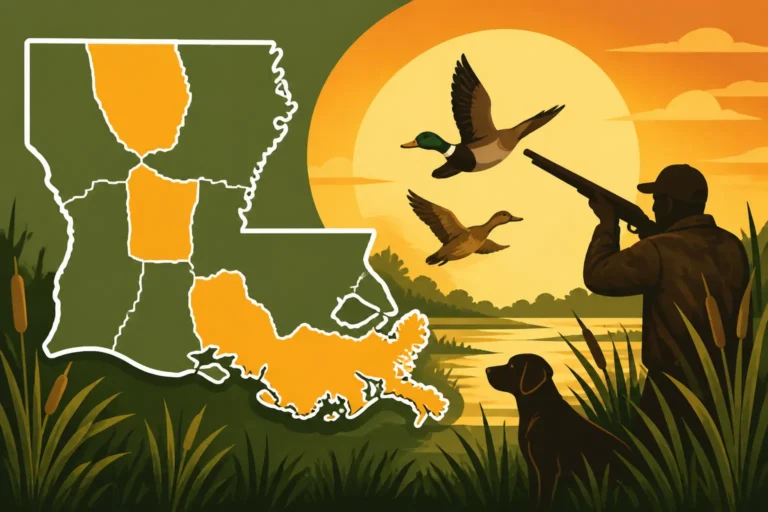
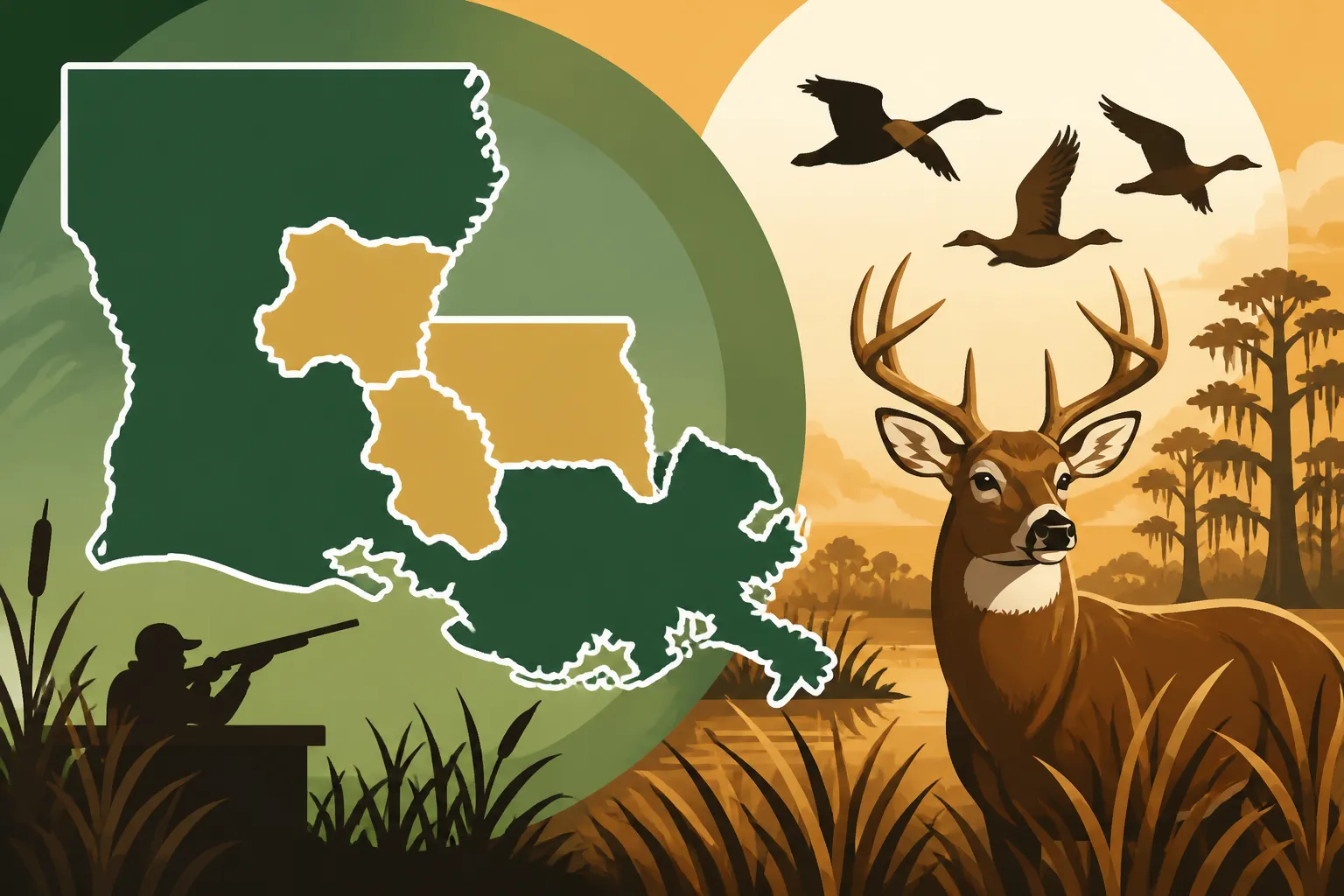
Now, let's talk about what makes Areas 5, 6, and 9 so special. These areas are predominantly characterized by significant expanses of coastal marsh, dense bottomland hardwoods, and vast agricultural landscapes, particularly rice and sugarcane fields. Area 5 covers much of the southwestern coastal parishes like Cameron and Vermilion, blending marsh with agricultural lands. Area 6 extends into central and southeastern parishes, incorporating parts of the Atchafalaya Basin and other riverine swamps. Area 9 pushes further east into the deltaic plain, encompassing more of that rich, wet environment.
What all these areas share is a highly productive habitat that can support robust deer populations, but often with challenges related to access and traditional hunting methods. The sheer scale of the marsh and swamp, combined with the often-impenetrable cover, means that deer can be harder to locate and harvest. Think about trying to track a deer through waist-deep water or thick palmetto; it's a completely different ballgame than still-hunting a pine plantation. The extensive cover also means deer can often reach older age classes, leading to impressive antler growth in some areas. These geographic characteristics necessitate a different approach to hunting pressure and season length to ensure hunters have a fair chance at success without over-harvesting the population.
Factors Contributing to Extended Seasons
The long seasons in Areas 5, 6, and 9 aren't arbitrary; they are a direct response to the specific ecological and social conditions found within these regions. It’s a classic example of balancing biological needs with hunter opportunity.
Population Dynamics and Harvest Pressure
One of the primary drivers for extended seasons in these areas is the particular population dynamics of the deer herd. Unlike some regions where deer populations might be at or near their carrying capacity and more susceptible to over-harvest, Areas 5, 6, and 9 often boast healthy, even robust, deer numbers. However, the challenging terrain—think dense swamps, vast marshes, and extensive private agricultural holdings—can make it difficult for hunters to exert consistent, widespread harvest pressure. Many of these areas have limited public access, pushing a significant portion of the hunting effort onto private lands, often owned by large agricultural operations or hunting clubs.
In these conditions, a shorter, more intense season might not be enough to adequately manage the deer population, particularly the doe harvest, which is crucial for population control. A longer season spreads out the hunting pressure, giving more hunters, including those who might only have limited days off, a chance to get afield. It’s about providing opportunity without necessarily concentrating the harvest into a smaller window, which could lead to an unnatural age structure or localized over-harvest in accessible pockets. The LDWF monitors the Louisiana Deer Population Estimate closely, and if numbers are thriving, a longer season helps keep them in check. If you're using a tool like GoHunt to scout, you might notice how different these areas look compared to more traditional timberland.
Habitat Carrying Capacity and Food Sources
Another critical factor is the incredible habitat carrying capacity of these regions. Areas 5, 6, and 9 are blessed with abundant and diverse food sources throughout much of the year, which directly supports a healthy deer herd. The rich soils of the river basins, coupled with extensive agricultural crops like rice, soybeans, and sugarcane, provide a nearly endless buffet for deer. These agricultural fields not only offer high-quality forage but also dense cover, especially in standing sugarcane or post-harvest stubble. Beyond the cultivated fields, the natural bottomland hardwoods offer acorns, soft mast, and browse for a significant portion of the season.
This consistent food availability means deer can maintain excellent body condition, support higher population densities, and experience strong reproductive success. When a habitat can support more deer, the management strategy can afford to provide more hunting days. It’s a feedback loop: healthy habitat leads to healthy deer, which in turn allows for extended hunting opportunities. The abundance of Late-Season Food Sources for Louisiana Whitetails is a huge part of this equation, as deer don't face the same nutritional stress as those in colder climates or less fertile ground. This robust food supply allows deer to remain active and healthy even through the cooler months, supporting a prolonged hunting window.
Managing for Opportunity While Balancing Herd Health
Ultimately, the extended season in Areas 5, 6, and 9 is a testament to the LDWF's effort to balance hunter opportunity with the overall health of the deer herd. In areas where populations are robust and habitat is plentiful, the goal shifts slightly from strict population growth to providing maximum recreational days for hunters, while still ensuring sustainable management.
The longer "either-sex" window, which is a hallmark of these areas, is particularly important. It provides flexibility for hunters to harvest does, which is essential for managing herd size and keeping the buck-to-doe ratio healthy. Without adequate doe harvest, deer populations can quickly outgrow their food supply, leading to smaller body sizes, reduced antler quality, and increased disease susceptibility. By extending the season, the LDWF gives hunters more time to fulfill their harvest quotas, especially those who might prioritize a buck early in the season and then focus on doe harvest later. This approach effectively uses hunters as a management tool, spreading the impact over a longer period.
Navigating the Long Season Effectively
Having a season that stretches for nearly five months is both a blessing and a challenge. It offers unparalleled flexibility, but also demands a more dynamic approach to your hunting strategy.
Strategic Planning for Early, Mid, and Late Season
Hunting in Areas 5, 6, and 9 requires a flexible and adaptable strategy throughout the prolonged season. What works in early October is unlikely to be effective in late January. Early season (October-November) often means warm temperatures and deer still operating on a fairly consistent bedding-to-feeding pattern. Focus on natural food sources like acorns in bottomlands, or travel corridors along field edges at dawn and dusk. This is often a good time to scout out new areas and identify primary travel routes before heavy pressure sets in.
As you move into the mid-season (December-early January), the rut typically starts to kick in across various parts of these areas, although the exact timing can vary widely. This is when bucks become more active, less cautious, and more susceptible to calls and rattling. If you're keen on Hunting the Rut in the Long-Window Areas, this is your prime time. Pay attention to scrape lines along a logging road and rub lines. This is also when cooler weather generally arrives, making deer more active during daylight hours.
By the late season (mid-January-February), deer have often been pressured, and food sources might be depleted in some areas. Focus shifts to prime, late-season food sources, like remaining mast crops, green fields, or specific agricultural crops still standing or being harvested. Deer will be focused on replenishing energy reserves, making food a key draw. Using a good mapping app like the ones GoHunt offers can help you pinpoint these changing food sources and understand private land boundaries, which is crucial in these agricultural-heavy zones.
Adapting Tactics to Changing Deer Behavior
Deer behavior isn't static; it shifts with food availability, weather patterns, and hunting pressure. In the early, warmer months, deer are more nocturnal, and you might need to adjust your sits to the first hour of daylight and the last hour of legal shooting light. As temperatures drop and the rut approaches, daylight activity increases, and you might find more success with midday sits.
After significant hunting pressure, deer become incredibly wary. They'll often shift to thicker cover during daylight hours and only move into open areas after dark. This is when patience, stealth, and a deep understanding of local terrain become paramount. Consider using ground blinds in thick cover, or focusing on less accessible areas where other hunters might not venture. Tactics like still-hunting small, dense pockets can be effective when deer are holed up. Keep in mind that deer movement can also be heavily influenced by the moon phase and sudden cold fronts, especially in Louisiana's often-warm climate. Staying flexible and observant will be your biggest assets. Using a tool like GoHunt to understand Hunting Pressure on Louisiana Public Land can help you find those quieter spots.
What This Means for Hunters
The extended season in Areas 5, 6, and 9 offers a unique hunting experience that comes with both distinct advantages and a few challenges to consider. It truly shapes how many hunters approach their entire deer season.
Increased Flexibility and Opportunity
For many Louisiana hunters, especially those with busy work schedules or family commitments, the nearly five-month season in Areas 5, 6, and 9 is a huge blessing. It means you don't have to cram all your hunting into a few intense weekends. You can choose to hunt during the early archery season, primitive firearms, or any of the various modern firearm segments, spreading your efforts out. This flexibility allows you to pick and choose your hunting days based on favorable weather, the rut, or simply when you have time off. It opens up opportunities for more trips afield, potentially increasing your chances of success.
Furthermore, it often means you can tailor your hunt to specific goals. Want to focus on early-season velvet bucks? You've got time. More interested in the peak rut action? There's a window for that too. Looking to fill the freezer with does after the holiday rush? The late season often provides excellent opportunities as deer concentrate on food sources. For nonresident hunters, this long window also makes planning a trip much easier, as they have a wider range of dates to consider, increasing the value of their Louisiana Nonresident Hunting License Options. It's a fantastic advantage for anyone who values time in the woods.
Challenges of a Prolonged Season
While the long season is great, it does present some unique challenges that hunters need to be aware of. One of the biggest is maintaining focus and enthusiasm over such an extended period. It's easy to get burned out if you're hitting the woods every single weekend. Pacing yourself is key. Another challenge, particularly for hunters new to these areas, is deciphering the varied deer behavior throughout the season. Deer that are active during daylight in October might become almost entirely nocturnal by January due to increased pressure.
Hunting pressure itself can be a major factor. While a longer season spreads out the pressure, popular public land spots can still see heavy traffic, especially on weekends and during prime phases of the rut. This means you might need to scout more thoroughly and be willing to walk further or use boat access to find less pressured animals. Managing your expectations is also important; while the season is long, success is never guaranteed, and consistent effort is required. Tools like GoHunt can help you identify public hunting grounds and potential areas of higher or lower pressure. Being prepared for warm-weather sitting strategy in Louisiana is also crucial, as even late season can see mild temperatures.
Here’s a quick comparison of general season characteristics:
| Feature | Areas 5, 6, 9 (Long-Window Areas) | Typical Other Louisiana Areas (e.g., Area 2, 7, 8) |
|---|---|---|
| Approximate Season Length | ~5 months (early October – mid-February) | ~3-4 months (mid-October/November – mid-January) |
| Either-Sex Window | Very long, often spanning most of the season | Shorter, specific periods (e.g., 2-4 weeks) |
| Dominant Habitat | Coastal marsh, bottomland hardwoods, extensive agriculture (rice, sugarcane) | Pine forests, mixed pine/hardwood, agricultural fields (corn, soybeans) |
| Deer Population | Generally healthy to robust | Healthy, managed closely by area |
| Hunting Pressure | Spread out over longer period; can be concentrated in accessible spots | More concentrated during shorter windows, especially opening days |
| Rut Timing | Can vary widely, often later in coastal/southern regions | More consistent, typically mid-November to early December |
| Primary Food Sources | Agricultural crops, natural mast (acorns), diverse browse | Natural mast, planted food plots, forest browse |
This table highlights why the flexibility in Areas 5, 6, and 9 is so unique. It’s all about adaptation and making the most of a truly extended opportunity.
Disclaimer
Always consult the official Louisiana Department of Wildlife and Fisheries (LDWF) regulations pamphlet and website for the most current and accurate hunting season dates, bag limits, and rules specific to each hunting area and species before planning your hunt. Regulations can change annually, and it is the hunter's responsibility to be informed and compliant.