Bowfishing Louisiana Bayous in the Off-Season
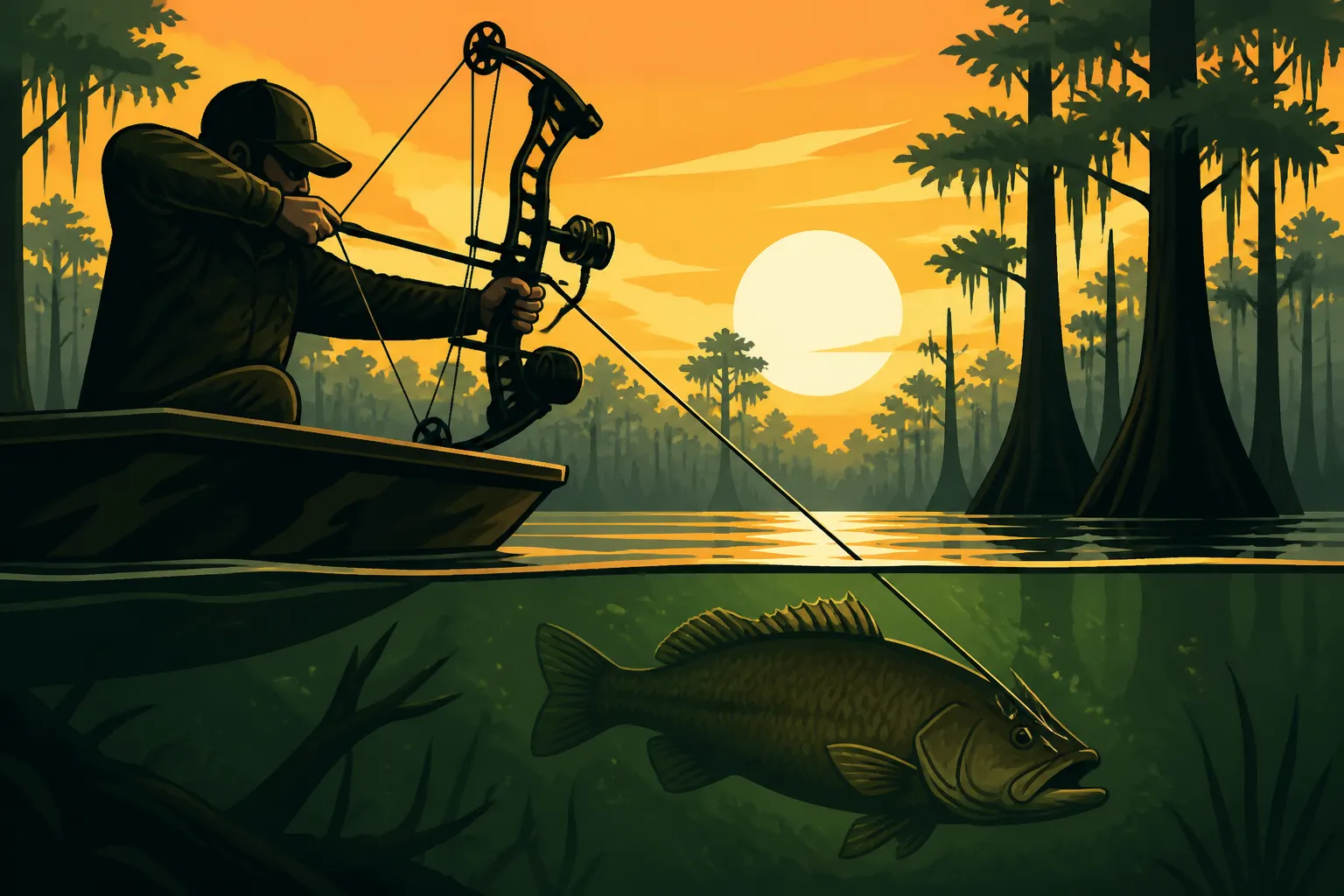
That post-season slump after the deer and duck blinds are packed away, when the woods fall silent and the hunting calendar looks bleak, can hit hard for many of us. You yearn for the outdoors, the thrill of the chase, and the satisfaction of harvesting your own wild protein. But what if I told you there's a thrilling, year-round way to stay active, hone your hunting skills, and fill the freezer, even in the hottest Louisiana summer? This guide is all about diving headfirst into the exciting, action-packed world of bowfishing Louisiana's abundant bayous in the off-season.
Why Bowfishing is the Perfect Off-Season Activity in Louisiana
Let's face it, when the last hunting season closes, a quiet descends upon our outdoor lives that can feel like a genuine loss. For dedicated hunters, the lull between seasons isn't just a break; it's often a struggle to fill that void. That's where bowfishing steps in, offering a unique blend of skill, stealth, and sport that perfectly bridges the gap. It's not just "fishing with a bow;" it's a dynamic, hands-on pursuit that will keep your hunter's spirit alive and kicking.
Beating the Post-Season Funk
The "off-season blues" are a real thing for many of us. We miss the crisp morning air, the scouting trips, the camaraderie of camp, and the pure excitement of the hunt. Suddenly, our usual routines feel a bit empty. Bowfishing offers an incredible antidote to this feeling. It gets you back out on the water, often at dawn or dusk, or even under the stars, connecting you with Louisiana's vibrant aquatic ecosystems. The silence of the bayou, broken only by the splash of a leaping fish or the hum of your boat's trolling motor, is a powerful reminder of why we love the wild so much. It's an opportunity to stay physically active, practicing your aim and stealth, even when deer aren't in season.
This activity is a fantastic way to keep your senses sharp. You're constantly scanning the water, looking for subtle movements, shadows, or ripples that betray a fish's presence. It demands quick reflexes and precise shot placement, much like a tricky shot at a squirrel or a quick draw on a hog. Plus, it's often a social affair, making for great times with friends and family, sharing laughs and stories under the Louisiana sun or moon. Instead of counting down the days until next season, you can be making new memories right now.
Abundant Species and Opportunities
One of the greatest joys of bowfishing in Louisiana is the sheer abundance and variety of target species. We're not talking about delicate little panfish here; we're often talking about big, hard-fighting fish that challenge your shooting prowess. The Louisiana bayous are teeming with rough fish that are perfect for bowfishing, providing endless opportunities for action throughout the year.
Common targets include various species of gar—alligator gar, longnose gar, and spotted gar—which are prehistoric powerhouses that can grow to impressive sizes. These toothy critters offer an incredible fight and make for an unforgettable bowfishing experience. Then there are the different types of carp, such as common carp and grass carp, which are often found cruising shallow flats or near vegetation, offering excellent shots. Buffalo fish, a type of large sucker, and freshwater drum are also popular targets, especially in slower-moving bayou waters. What makes these species even better for bowfishing is that they are considered non-game fish, meaning they typically have liberal or no closed seasons and generous bag limits, allowing for year-round fun. This means you can scratch that hunting itch in February just as easily as in July.
Essential Gear for Louisiana Bayou Bowfishing
Getting into bowfishing doesn't require an extreme investment, but having the right gear certainly makes a huge difference in your enjoyment and success. Just like picking the right caliber for deer or the ideal decoy spread for ducks, your bowfishing setup needs to be tailored to the task at hand in our bayou environments.
Bows, Reels, and Arrows
First and foremost, you'll need a suitable bow. While you can use a regular hunting compound or recurve bow, many dedicated bowfishermen opt for specialized bowfishing bows. These are often simpler, lighter, and designed for quick, instinctive shooting. Recurve bows are popular for their simplicity and silent operation, allowing for quick follow-up shots. Compound bows offer more power and accuracy, especially for longer shots, but can be a bit more cumbersome in a boat. Some choose a traditional bowfishing bow with no sights, focusing purely on point-and-shoot accuracy. Ultimately, the best bow is one you can comfortably and accurately shoot repeatedly.
Attached to your bow, you'll need a reel system. There are two main types:
- Spincast Reels: These are similar to standard fishing reels and are mounted on a bracket to the bow. They're affordable, easy to use, and great for beginners. They hold a good amount of line and are generally reliable.
- Retriever Reels (Bottle Reels): These are perhaps the most popular for serious bowfishermen. They have no drag system, instead storing the line in a bottle or canister. When you shoot, the line free-spools out, and after the shot, you manually retrieve it by hand. They're incredibly fast for retrieving line and durable, making them ideal for battling larger fish.
Finally, you need the right arrows. Bowfishing arrows are solid fiberglass, much heavier than hunting arrows, and designed to penetrate water effectively. They typically have a specialized tip with a retractable barb that holds the fish securely once struck. The barb usually reverses or detaches for easy removal from the fish. Make sure your arrows are rigged with a slide system that prevents the line from tangling in front of the bowstring, which is a critical safety feature to prevent the arrow from snapping back at you.
Here's a quick look at common gear choices:
| Gear Type | Common Options | Key Features | Pros | Cons |
|---|---|---|---|---|
| Bows | Recurve, Compound, Specialized Bowfishing | Durable, often lower draw weight than hunting bows, some no-let-off | Simple, quiet, fast shooting (recurve); powerful, accurate (compound) | Less powerful (recurve); heavier, more complex (compound) |
| Reels | Spincast, Retriever (Bottle) | Mounted to bow, holds strong line (80-200 lb test) | Affordable, easy to use (spincast); fast retrieval, durable (retriever) | Slower retrieval (spincast); manual retrieval can be tiring (retriever) |
| Arrows | Solid Fiberglass | Heavy, barbed tips, line attachment with safety slide | Strong penetration, holds fish securely, reusable | Can be expensive, specialized tips required |
| Lights | LED Bar Lights, Halogens, Headlamps | Mounted to boat, bright, often generator-powered for night | Illuminates water clearly, extends hunting hours | Requires generator/battery, can attract bugs |
| Boats | Jon Boats, Flatboats | Stable platform, shallow draft, open layout for shooting | Ideal for shallow bayous, stable for standing shots | Can be slow, less comfortable in rougher water |
Boats, Lights, and Safety Gear
While you can technically bowfish from the bank in some areas, the real action often happens from a boat. A stable, shallow-draft boat is essential for navigating Louisiana's bayous, especially in the shallower ponds and backwaters where many of these fish lurk. Jon boats or flat-bottom boats are popular choices because they offer a stable platform for standing and shooting, and their design allows them to get into skinny water that larger boats can't reach. Equipping your boat with a trolling motor is a game-changer, allowing for silent, slow approaches to spooky fish.
For those exhilarating night hunts—and trust me, night bowfishing is a blast—a robust lighting setup is crucial. Bright LED bar lights mounted around the bow of your boat will illuminate the water, making it easy to spot fish. Many setups run off a portable generator, which will power your lights for hours. Remember, what looks like a dark, empty bayou during the day can come alive with fish at night under a strong spotlight.
Never forget safety. Even in calm bayous, wearing a personal flotation device (PFD) is a smart move, especially at night. A well-stocked first-aid kit, a communication device (charged phone or marine radio), and navigation tools are also must-haves. Tools like GoHunt can be incredibly useful for marking waypoints, checking maps, and understanding water depth, helping you navigate safely, especially when exploring new stretches of water in areas like the Atchafalaya Basin. Always let someone know where you're going and when you expect to return.
Navigating Louisiana Bayous and Finding Your Targets
Louisiana's bayou systems are vast and intricate, and knowing how to read the water and identify prime spots is key to consistent bowfishing success. It’s a skill that develops over time, much like learning to read deer sign or turkey roosts, but there are some foundational principles that will get you started on the right track.
Identifying Prime Bowfishing Spots
Fish, even "rough fish," are creatures of habit and structure. When you're cruising a bayou, look for areas that offer cover, food, or a break in the current. Shallow flats are often highways for cruising carp and buffalo, especially where there's submerged vegetation or lily pads they can feed on or hide near. Points and bends in the bayou can concentrate fish, as can areas where smaller ditches or drains enter the main bayou. These junctions often bring in food or create eddies where fish can rest.
Keep an eye out for any signs of fish activity:
- Wakes: A subtle ripple or V-shaped wake on the surface can indicate a fish moving just below.
- Fin Tips: Sometimes, you'll see the dorsal fin or tail of a gar or carp just breaking the surface, especially in extremely shallow water.
- Splashes and Jumps: Gar are notorious for rolling and jumping, especially in warmer water. Any surface disturbance is worth investigating.
- Mud Trails: Carp and buffalo often root around in the bottom, stirring up mud. A faint trail of discolored water can lead you right to them.
Tools like GoHunt, which provide detailed mapping and land ownership overlays, can be invaluable for identifying potential hotspots and understanding access points before you even launch your boat. Examining satellite imagery for changes in water depth, vegetation types, and access points on public lands, such as Louisiana Wildlife Management Areas, will give you a significant advantage before you ever wet a line or string a bow. Looking at features that would also attract deer, like a Reading a Basin Chute for Deer Movement, can often clue you into good fishing areas too, as both species relate to water and structure.
Day vs. Night Strategies
Bowfishing offers the unique flexibility of being highly productive both day and night, though the strategies differ significantly.
Daytime Bowfishing: During the day, bowfishing is often more about stalking and stealth. Fish can be more skittish, especially in clear water. Polarized sunglasses are absolutely essential for cutting through glare and spotting fish below the surface. You'll want to move slowly with your trolling motor, or even pole your boat in very shallow areas, allowing your eyes to adjust to the water. Look for fish cruising along shorelines, around fallen trees, or in weed beds. The sun's position can make a big difference, sometimes helping to illuminate fish, other times creating too much glare. Pay attention to shadows and try to keep the sun at your back for better visibility. This is a great time to practice those longer, more challenging shots.
Nighttime Bowfishing: For many, the true magic of bowfishing happens after dark. With powerful lights illuminating the water, fish often seem less wary and more accessible. The lights attract baitfish, which in turn attract the larger rough fish. Gar, carp, and buffalo will often be found cruising slowly in the illuminated zones, providing excellent, close-range shooting opportunities. The key to successful night bowfishing is patience and methodical scanning of the water. Let your eyes adjust to the light and shadow, and learn to differentiate fish from submerged logs or debris. The calmer conditions often found at night also make for easier spotting and steadier shots. Just be mindful of insects attracted to your lights!
Legalities, Ethics, and Conservation in Louisiana Bowfishing
Just like any hunting or fishing activity in Louisiana, bowfishing comes with its own set of rules and ethical considerations. Adhering to these not only keeps you on the right side of the law but also ensures the sport remains sustainable and enjoyable for everyone.
Understanding LDWF Regulations
First and foremost, you will need a valid Louisiana fishing license, and if you plan to target non-game fish with a bow, you'll likely need the appropriate gear license or stamp. The Louisiana Hunting Licenses and What They Cost article covers the basics, but it's crucial to consult the most current Louisiana Department of Wildlife and Fisheries (LDWF) regulations annually. These regulations can change, and ignorance of the law is no excuse. Generally, non-game fish like gar, carp, buffalo, and drum have very liberal seasons and bag limits, often year-round, which is part of what makes bowfishing such a great off-season activity.
However, specific rules might apply to certain water bodies, such as state parks or Louisiana Wildlife Management Areas. Some WMAs may have restrictions on boat access, night activity, or even what species can be harvested. Always check the specific WMA regulations before heading out. For instance, while you can hunt Hunting Louisiana's Year-Round Feral Hogs in some areas with few restrictions, the rules for fish might be more nuanced in specific managed zones. It's your responsibility as a sportsman to know and abide by these rules.
Responsible Harvest and Disposal
A significant ethical consideration in bowfishing is what you do with your harvest. While many of the targeted species are delicious (gar, for example, makes excellent fish balls), not everyone chooses to eat all their catch, especially if they have a highly successful night. It is critical that you never waste fish and dispose of any unconsumed fish responsibly and legally. This means proper burial, or depositing them in designated refuse sites if available, rather than leaving them on banks or in shallow water to rot.
Bowfishing plays a unique role in conservation by targeting prolific or sometimes invasive species. For example, grass carp, an invasive species, can severely impact aquatic vegetation critical for waterfowl and native fish. Removing these can be beneficial to the ecosystem. However, even with abundant species, the principle of responsible harvest applies. Take what you can reasonably use, and ensure you're not leaving a mess for others. Remember, we are stewards of the resource, and our actions reflect on the entire hunting and fishing community.
Tips for a Successful Bayou Bowfishing Trip
Bowfishing can seem deceptively simple, but mastering it takes time, patience, and a bit of local know-how. It's a sport where every trip offers a new learning experience, especially in the ever-changing environment of Louisiana's bayous.
Patience and Practice
The biggest hurdle for many new bowfishermen is adjusting to shooting at targets in the water. Water refraction makes fish appear shallower than they actually are, so you'll need to aim low, often significantly lower than where the fish appears. This takes practice, and even experienced shooters miss frequently. Don't get discouraged! Start with closer, larger targets and gradually work your way up. Backyard practice on a submerged target can be incredibly helpful for calibrating your aim.
Patience isn't just about aiming; it's about the hunt itself. Sometimes fish are abundant and aggressive; other times, you might cruise for an hour before seeing anything. Enjoy the process, the scenery, and the quiet of the bayou. The more time you spend on the water, the better you'll become at spotting fish, understanding their movements, and making those crucial shots. Think of it like Still-Hunting Kisatchie Hills Wilderness—it's about keen observation and precise execution when the moment arises.
Local Knowledge and Scouting
No matter how many articles you read or videos you watch, nothing beats local knowledge when it comes to finding fish in Louisiana's bayous. Talk to other bowfishermen, visit local bait shops, and pay attention to what's being caught in your area. They often have invaluable insights into seasonal patterns, productive stretches of water, and specific access points.
Beyond talking to locals, thorough scouting is essential. This doesn't just mean driving around; it means leveraging modern tools. Apps like GoHunt offer detailed satellite imagery and property boundaries, allowing you to scout potential fishing holes from the comfort of your home. You can identify shallow flats, submerged vegetation, old creek channels, and public access points on specific bayous or nearby areas like those within the Atchafalaya Basin. Even something as simple as using the LDWF app to see Scouting Louisiana Public Land Before Season for deer can give you a general idea of areas with good water access and potentially less pressure. Pre-trip scouting helps you form a solid game plan, saving you precious time and fuel on the water, and increasing your chances of a successful and memorable bowfishing adventure.
Disclaimer
This guide is for informational purposes only and does not constitute legal advice. Hunting and fishing regulations, including those for bowfishing, are subject to change by the Louisiana Department of Wildlife and Fisheries (LDWF). Always consult the most current LDWF regulations and local ordinances before engaging in any hunting or fishing activity. The author and publisher are not responsible for any accidents, injuries, or legal infractions incurred while engaging in bowfishing. Always prioritize safety and ethical practices in the outdoors.