Knocking on Doors in North Louisiana Farm Country
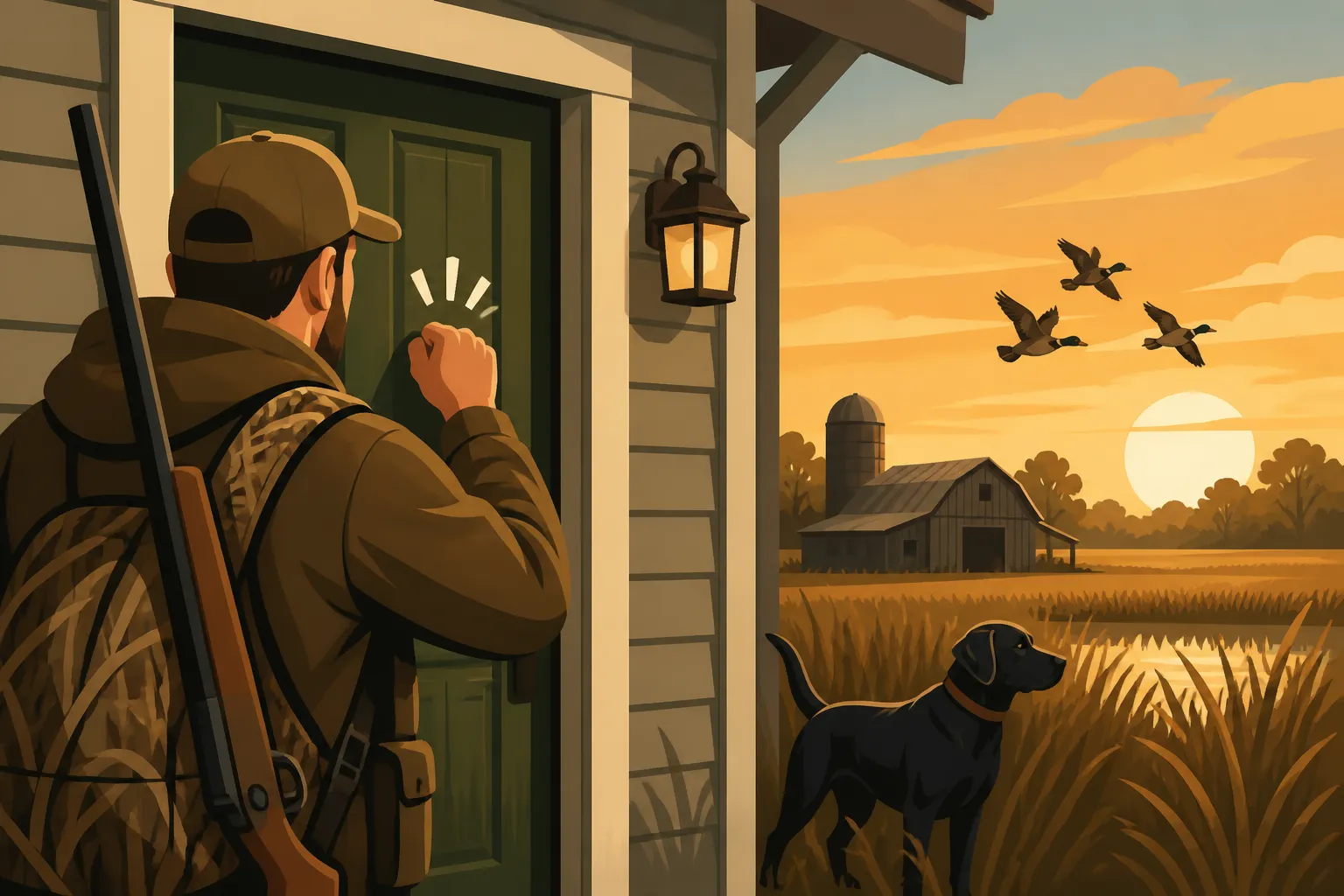
Finding a prime hunting spot in Louisiana, especially in the fertile farmlands of the northern parishes, can feel like trying to crack a secret code. With public land often crowded and limited in these agricultural areas, many hunters dream of private access. But how do you actually get it? It's not about being lucky; it's about being prepared, respectful, and willing to build a relationship. This guide will walk you through the essential steps for successfully knocking on doors in North Louisiana farm country and earning that coveted permission.
Why Private Land in North Louisiana Farm Country is a Game-Changer
Let's be honest, we all love the idea of vast public lands, but the reality for many hunters in Louisiana, particularly those focused on deer and hogs in the agricultural belt, is that private land often holds the key to consistent success and a more peaceful hunting experience.
Understanding the Appeal of Agricultural Lands
North Louisiana's farm country, spanning parishes like Ouachita, Morehouse, Franklin, Tensas, and Concordia, offers a unique blend of habitat that white-tailed deer absolutely thrive in. Think about it: massive fields of corn, soybeans, sweet potatoes, and even peanuts provide an almost unlimited buffet for deer, fueling their growth and antler development. These agricultural fields are often bordered by dense woodlots, creek bottoms, and thickets that offer perfect bedding and security cover. This creates a high-quality environment where deer can grow larger and older than in some other parts of the state.
When you're hunting properties like these, you're tapping into areas with incredibly rich food sources, which means healthier deer herds. The consistent nutrition from crops often leads to better body weights and, critically for many, impressive antlers. The cyclical nature of farming also means varying food sources throughout the season, from early-season green fields to late-season waste grain after harvest. This natural abundance often results in deer populations that are less pressured and more patterned than those found on state-managed lands. You might find a big buck that lives its entire life within a few hundred acres, constantly cycling between a soybean field and a creek bottom.
The Scarcity of Accessible Public Ground
While Louisiana boasts a good amount of public hunting land, the distribution isn't always convenient for hunters in every region. In many of the state's prime agricultural parishes, readily accessible public hunting opportunities can be quite limited. You might find a few small tracts or scattered parcels, but they often lack the scale or habitat diversity of a large private farm. This scarcity means that the few public spots available tend to draw significant hunting pressure.
Imagine waking up on opening day, excited to hit the woods, only to find three other trucks already parked at your usual public land access point. That's a common scenario. Dealing with Hunting Pressure on Louisiana Public Land can be frustrating, forcing you to walk farther, hunt deeper, and contend with deer that are already highly educated by human activity. This often leads hunters to seek out private ground, not just for the potential of bigger bucks, but for the quality of the hunting experience itself – fewer crowds, less competition, and often, more predictable deer movement.
The Challenges of Gaining Access
Let's face it, asking a stranger for permission to hunt their land can feel awkward and intimidating. Landowners in North Louisiana farm country often have legitimate concerns that make them hesitant to grant access. They've likely dealt with issues in the past, from irresponsible hunters leaving gates open, damaging crops, or even outright poaching. Their property is their livelihood, their home, and their sanctuary, and they have every right to protect it.
Common landowner fears include liability concerns (what if a hunter gets hurt on their property?), property damage (driving on wet fields, cutting fences, leaving trash), and general trust issues. They don't know you from Adam, and their priority is often protecting their investment and their family's peace of mind. It's crucial to understand these underlying anxieties before you even think about knocking on a door. Approaching with empathy and a readiness to address these concerns is far more effective than just showing up and asking for a favor.
Preparation is Key: Before You Knock on That Door
You wouldn't just walk into a job interview without preparing, would you? The same goes for asking a landowner for hunting permission. A well-thought-out approach makes all the difference.
Researching Potential Properties and Landowners
Before you even think about driving down a gravel road, do your homework. Modern technology has made this easier than ever. Start by utilizing online mapping tools like GoHunt or similar parcel viewers available through parish assessor's offices. These tools allow you to identify specific land parcels, view satellite imagery, and often find the landowner's name and contact information.
From the comfort of your home, you can "scout" potential properties virtually. Look for large agricultural fields, especially those with irregular shapes, unpicked corners, or areas adjacent to dense timber, creek bottoms, or swamps. These edges and transition zones are natural deer travel corridors and bedding areas. You can also identify potential access points, parking areas, and areas to avoid, like homesteads or livestock pastures. This pre-work not only helps you target the best properties but also demonstrates to the landowner that you're serious and have done your due diligence. Imagine being able to say, "Mr. Smith, I noticed you have a beautiful stand of hardwoods bordering that soybean field on the west side of your property, near Cypress Creek. I'm particularly interested in that area." That level of detail shows respect and competence.
Timing Your Approach Strategically
Timing is everything when it comes to approaching a farmer. Farmers in North Louisiana work incredibly hard, and there are peak times when they are simply too busy or stressed to entertain a conversation about hunting. Avoid planting season in the spring and harvest season in the late summer and fall. These are critical times for their livelihood, and interrupting them can be counterproductive.
The sweet spot for initial contact is often the late spring or summer, specifically late June through August, before the intensity of deer season starts to pick up. During this period, farmers might have a bit more downtime between crop cycles. Weekends can sometimes be a good option if you know they'll be home and not in the fields. However, always be mindful of their schedule. If you see them out working, it might be best to come back later. The goal is to catch them when they are relaxed and receptive, not when they're under pressure. Taking the initiative to ask well in advance of the season shows foresight and planning on your part.
Crafting Your Introduction and What to Offer
This is where you differentiate yourself. Don't just show up and ask, "Can I hunt your land?" Think about what you can offer in return. Most farmers in North Louisiana deal with ongoing challenges that a responsible hunter can help with.
Consider these offerings:
- Feral Hog Control: Feral hogs are a rampant problem across Louisiana, causing millions of dollars in crop damage annually. Offering to help with Hunting Louisiana's Year-Year-Round Feral Hogs can be a huge selling point. Explain how you can help mitigate damage and protect their fields. Many landowners are desperate for hog control.
- Property Maintenance: Offer to help fix fences, clear brush, check on livestock, or perform other small tasks that they might not have time for. Even checking gates regularly can be a valuable service.
- Security Presence: Let them know you'll be an extra set of eyes on their property, reporting any suspicious activity or issues you might observe while you're there.
When you introduce yourself, dress neatly – no camo, just clean, casual clothes. Be polite, friendly, and direct. Have a brief, prepared pitch. "Hello, my name is [Your Name], and I'm a local hunter. I live just down the road/in [nearby town]. I noticed you have some fantastic looking timber along your property line, and I was wondering if you ever allow hunting for deer or if you have any issues with hogs that I might be able to help you with?" This immediately shifts the dynamic from "I want something" to "I might be able to help you with a problem."
Making the Ask: The Direct Approach and Building Rapport
The moment of truth: you've done your research, you've timed your visit, and you have something to offer. Now, it's time to make the direct approach.
The Initial Conversation: Honesty and Respect
When you finally get to speak with a landowner, your demeanor is paramount. Be polite, humble, and respectful of their time and property. Start with a simple, genuine introduction. Shake their hand firmly (if appropriate), make eye contact, and clearly state your purpose.
"Hello, Mr./Ms. [Last Name], my name is [Your Name], and I live nearby. I was hoping to speak with you for a few minutes about the possibility of hunting on your land this upcoming season, or perhaps helping you out with any hog issues you might have."
Be ready for any answer, including a polite "no." If they say no, thank them for their time, acknowledge their decision, and move on graciously. Pushing or arguing will only solidify their negative impression. If they express hesitation, listen carefully to their concerns. Sometimes, a "no" isn't absolute; it might be an invitation for you to address specific worries. You might be interested in learning about Louisiana Deer Hunting Area by Area to explain your interest in their specific location.
Addressing Concerns and Offering Solutions
This is your opportunity to build trust. If the landowner raises concerns, don't dismiss them. Instead, actively listen and offer concrete solutions.
- Liability: Landowners often worry about liability if a hunter gets injured. You can offer to sign a liability waiver, which explicitly states you assume all risk. Some landowners might already have existing liability insurance that covers recreational users, but offering a waiver shows you're serious and understanding.
- Property Damage: Assure them you will be extremely careful. "I promise to close all gates, stay off wet fields with my truck, and pack out everything I pack in. I'm happy to walk the property with you to identify specific areas where I can and cannot drive, or where you'd prefer I didn't hunt." Discuss using specific entry and exit points.
- Trust: This is the hardest to earn but the most valuable. Offer to provide references if you have them. Explain your hunting style – do you use a ground blind, a climber, or prefer still-hunting? Be specific about your intentions, whether it's solely for deer, or if you can help with hogs. Mentioning your interest in Bowhunting Louisiana's Long Archery Season could show a preference for less impactful methods.
Your goal here isn't to convince them, but to inform them and demonstrate your responsibility and trustworthiness. Be patient; some landowners might not give an immediate answer. They might want to think about it, or even ask around about you.
Establishing Clear Expectations and Boundaries
If a landowner seems open to the idea, this is a critical step to prevent future misunderstandings. Don't leave anything to assumption. Have a clear, frank discussion about the specifics:
- What species can you hunt? Is it just deer, or also hogs, small game, or turkey?
- What weapons are allowed? Archery only? Primitive firearms? Modern firearms during the appropriate seasons?
- Specific hunting areas: Can you hunt the entire property, or only certain woodlots, field edges, or creek bottoms? Walk the boundaries if possible.
- Access points and parking: Where can you enter and exit? Where should you park your vehicle?
- Hunting dates and times: Are there specific days they prefer you not hunt, perhaps when they're working in the fields or have family visiting?
- Reporting: Do they want to be notified every time you hunt? Do they want to know what you harvested?
It's also essential to be clear about your understanding of Louisiana Trespass and Permission Law. Knowing the legal requirements for hunting on private land will demonstrate your knowledge and respect for the law. Write down these agreed-upon rules, or better yet, suggest a simple written agreement to avoid any confusion down the road. This formalizes the permission and provides clarity for both parties.
| Do's When Knocking on Doors | Don'ts When Knocking on Doors |
|---|---|
| Research the property and owner beforehand. | Show up unannounced without any prior knowledge of the land or owner. |
| Dress neatly, speak politely, and be confident. | Wear hunting camo or appear disheveled, use slang, or be overly aggressive. |
| Have a clear, concise request ready. | Ramble or be vague about your intentions; waste their time. |
| Offer specific help, like hog control or property maintenance. | Only ask for access without offering anything in return or acknowledging their needs. |
| Be prepared to sign a liability waiver or discuss insurance. | Argue about liability or dismiss their concerns as unfounded. |
| Respect "no" gracefully and thank them for their time. | Be persistent, rude, or try to guilt-trip them if permission is denied. |
| Establish clear boundaries and expectations. | Assume anything about where, when, or what you can hunt. |
| Follow up and communicate consistently when on the property. | Disappear after getting permission and only reappear to hunt. |
| Leave the property cleaner than you found it. | Litter, leave gates open, or damage property. |
| Show appreciation and gratitude throughout the season. | Take the permission for granted or only show up when it's convenient for you. |
Nurturing the Relationship: The Key to Continued Access
Getting permission is just the first step. Maintaining that permission, and potentially expanding it, comes down to how you cultivate the relationship over time. Think of it as an ongoing partnership.
Consistent Communication and Updates
Once you have permission, don't just disappear until you want to hunt. Communication is vital. Before you head out, send a quick text or make a brief phone call: "Hey Mr. Johnson, I'm heading out this afternoon to sit that treeline near the creek bottom, just wanted to let you know. I'll be out by dark." This simple gesture keeps them in the loop and prevents any surprises. It shows you respect their property and their peace of mind.
If you have success, consider sharing a photo of your harvest. If you manage to take a nice deer or, even better, a few feral hogs, offer some of the meat to the landowner. It's a tangible way to say thank you and reinforce the value you bring. Sharing a portion of a deer from one of the Best Louisiana Parishes for Big Bucks can be a great way to build goodwill. This kind of thoughtful gesture shows gratitude and builds a personal connection.
Follow Through on Your Promises and Offer Continued Help
Remember those offers you made about helping with hogs, fences, or other tasks? Follow through on them. Don't wait to be asked; proactively check in. "Hey, just noticed that section of fence near the old barn looks a little saggy. Mind if I take a look at it next weekend when I'm out there?" Or, "Any hog sightings recently? I could set a Trapping Louisiana Feral Hogs if you like, or spend an evening patrolling."
Being a reliable, helpful presence on their property makes you an asset, not just a recreational user. It demonstrates that your interest goes beyond just taking game, and that you genuinely care about their land and their challenges. This sustained effort solidifies your position as a trusted individual.
Showing Appreciation and Respect for Their Land
Beyond communication and help, simply showing consistent appreciation goes a long way. This includes leaving the property in better condition than you found it, picking up any trash (even if it's not yours), and always being mindful of gates, livestock, and crops.
At the end of the hunting season, a thoughtful gesture can reinforce the positive relationship. This could be a thank-you card, a gift basket, a gift certificate to a local restaurant, or a small gift that reflects their interests. One hunter I know always brings his landowner a few pounds of fresh Louisiana shrimp or a jug of local cane syrup as a token of thanks. These small acts of kindness solidify your standing and greatly increase the chances of you retaining access for years to come. Remember, you're building a relationship, not just acquiring a hunting spot.
Disclaimer
Hunting is an inherently dangerous activity. Always prioritize safety, understand and follow all Louisiana Department of Wildlife and Fisheries (LDWF) regulations, and obtain proper licensing. The advice provided here is for informational purposes only and does not constitute legal counsel. Always consult the most current LDWF regulations and relevant state laws before hunting.