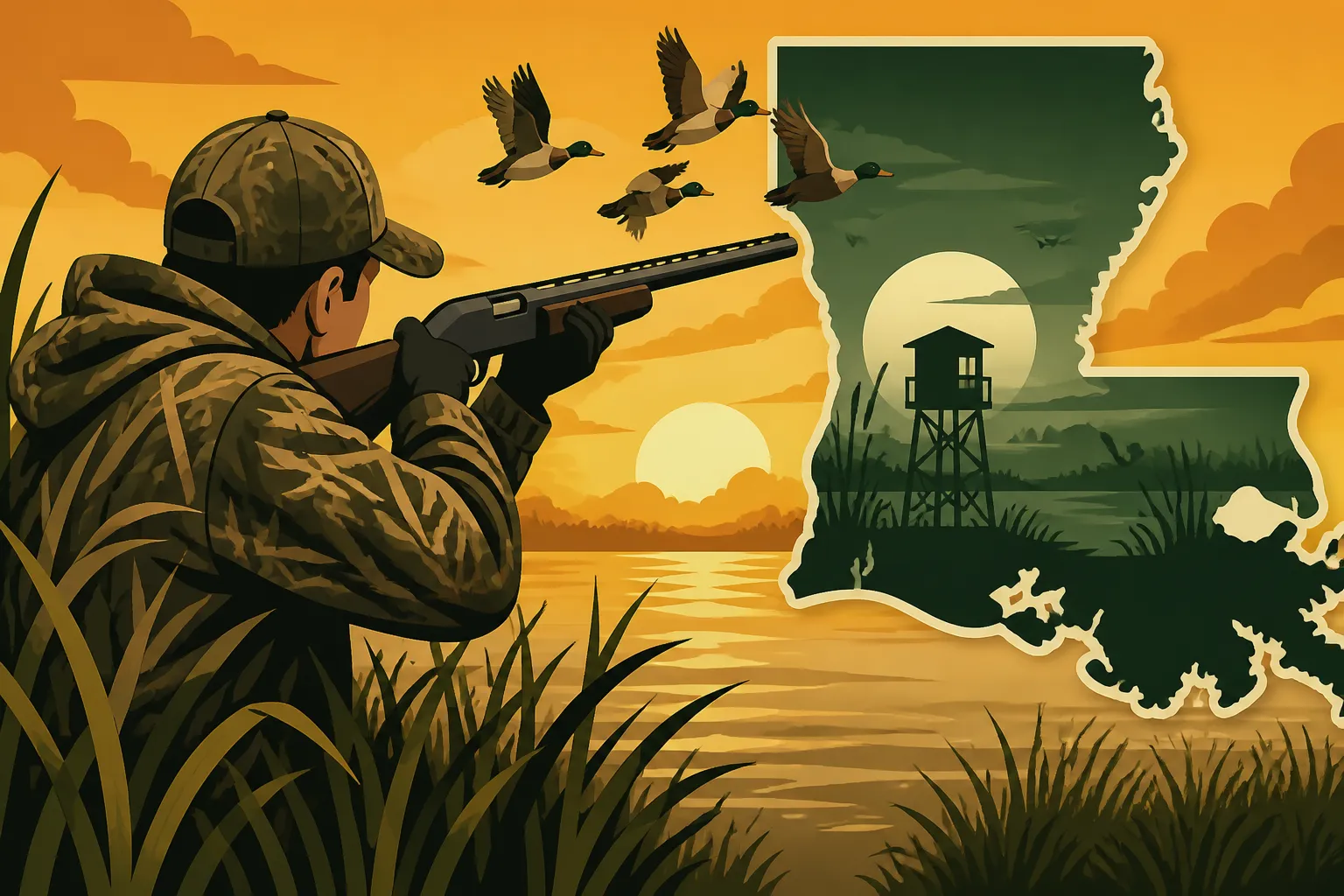
Louisiana Outfitters Near Rockefeller Refuge
Hunting near Rockefeller Refuge in Louisiana presents a truly unique experience, but it also comes with its own set of challenges, especially for those unfamiliar with the vast, intricate coastal marsh environment. From navigating the shifting tides and specific refuge regulations to understanding the movements of waterfowl and alligators in such a dynamic ecosystem, it can feel overwhelming to plan a successful hunt on your own. This guide will walk you through why working with a local outfitter near Rockefeller Refuge can be a game-changer, what types of hunts they typically offer, and how to go about finding and vetting the best guide for your adventure.
Why Consider an Outfitter Near Rockefeller Refuge?
The Louisiana coastal marsh, particularly around Rockefeller Wildlife Refuge, isn't just another hunting ground; it's an immersive, demanding landscape. The sheer scale, the constantly changing water levels, the dense vegetation, and the specialized knowledge required to hunt its unique game species can be daunting. This is where a seasoned local outfitter truly shines, transforming potential frustration into a rewarding experience. They bring a lifetime of local knowledge that you simply can't gain from a map or a few days of scouting.
Navigating Complex Regulations
Rockefeller Wildlife Refuge, while offering incredible opportunities, operates under very specific and often strict regulations that differ from general state hunting laws. These rules are put in place to protect sensitive marsh ecosystems and manage wildlife populations responsibly. Trying to decipher these on your own, especially if you're a first-time visitor or from out of state, can lead to confusion and even unintended violations.
Outfitters who specialize in this region live and breathe these regulations. They know the exact permit requirements, the specific hunt dates, bag limits, legal methods, and even the subtle nuances of where you can and cannot access certain areas. This isn't just about avoiding a ticket; it's about ensuring you're hunting ethically and legally within a fragile environment. Their knowledge allows you to focus on the hunt itself, rather than constantly worrying about regulatory compliance. It’s a huge relief to know you have an expert guiding your choices, allowing you to relax and enjoy the wild beauty of the marsh.
Unlocking Prime Access
While public land is available, the best hunting spots, especially for waterfowl and alligators, often require specialized knowledge of access points, boat lanes, and even private land boundaries. The coastal marsh is a labyrinth of bayous, canals, and ponds, many of which can only be reached by shallow-draft boats. Without local expertise, you could spend more time getting stuck or lost than actually hunting.
Local outfitters frequently have access to prime private leases that aren't open to the general public. These exclusive areas are often carefully managed for wildlife, leading to higher success rates and less hunting pressure. They've spent years, sometimes generations, cultivating relationships with landowners and understanding the local terrain. This means they can take you directly to where the ducks are flying thickest, or where an alligator has been seen basking, maximizing your hunting time and opportunities. It’s not just about a spot; it’s about understanding the entire ecosystem of that specific piece of marsh.
Expertise in Coastal Marsh Species
The game species found around Rockefeller Refuge—primarily waterfowl, alligators, and feral hogs—behave differently in the coastal marsh than they might in other habitats. Ducks and geese respond to specific calling techniques and decoy spreads that mimic the activity on a productive marsh pond. Alligators are notoriously elusive, requiring specific gear and knowledge of their habits to successfully locate and harvest. Feral hogs, while abundant, can be incredibly challenging to track and hunt in the thick, often flooded marsh.
A good outfitter has dedicated their life to understanding these animals in this specific environment. They know when the birds are migrating through, which ponds they prefer, how to read the wind and tide for decoy placement, and what calls will bring them in. For alligators, they know the prime basking spots, the best times to set lines, and the safest ways to land these powerful reptiles. Their knowledge isn't theoretical; it's born from countless hours spent in the field, which translates directly into a more productive and safer hunting experience for you.
What Kinds of Hunts Do Outfitters Offer in This Region?
When you consider an outfitter near Rockefeller Refuge, you're looking at a world-class destination for specific types of hunting. The rich ecosystem of the coastal marsh makes it a hotspot for certain species, and outfitters cater their services to these prime opportunities. They've honed their craft over years, understanding the nuances of the marsh and its inhabitants.
Waterfowl Hunting Packages
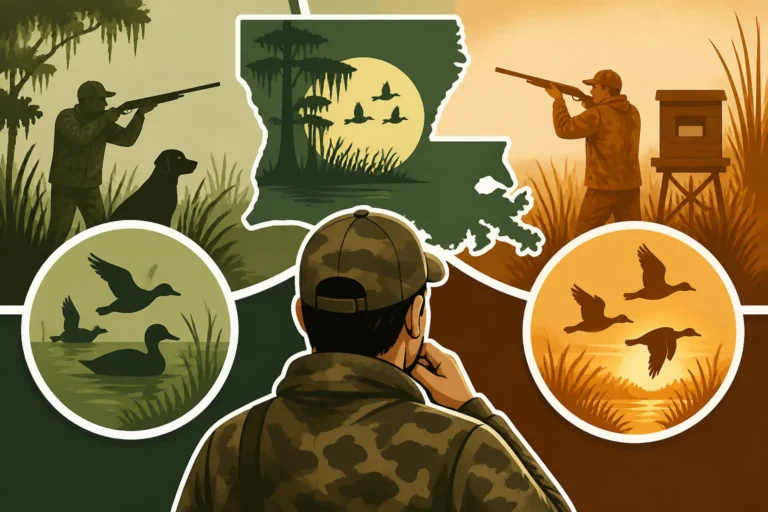
Louisiana's coastal marsh, including the areas surrounding Rockefeller Refuge, is world-renowned for its waterfowl hunting. It’s a critical wintering ground for millions of ducks and geese migrating along the Mississippi Flyway. Outfitters in this region primarily focus on ducks like mallards, gadwalls, teal, and pintails, and various species of geese, especially specklebellies and snow geese. Waterfowl Hunting the Louisiana Coastal Marsh describes some of the tactics used here.
A typical waterfowl package will often include transportation via marsh boat or airboat to strategically placed blinds. These blinds might be permanent structures, or brushed-in temporary setups that blend seamlessly into the marsh. Guides usually provide high-quality decoys, call the birds in, and ensure a safe and enjoyable hunt. Many lodges offer all-inclusive packages that cover multiple days of hunting, delicious Cajun meals, and comfortable accommodations, allowing you to fully immerse yourself in the experience. They understand the patterns of the birds, knowing when and where to set up for the best flight, and how to adapt to changing weather conditions or tides. You might find yourself Hunting the Vermilion Parish Marsh or Hunting the Terrebonne Parish Marsh, both near the refuge, with a skilled guide.
Alligator Tag Opportunities
Louisiana's recreational alligator season is highly sought after, with tags issued through a lottery system. If you're lucky enough to draw a tag, but lack the experience or equipment to hunt alligators safely and effectively, a guide is almost essential. The areas around Rockefeller Refuge are prime alligator habitat, making guided hunts a popular option for tag winners. Alligator Hunting Louisiana's Coastal Marsh delves into this unique pursuit.
Outfitters specializing in alligator hunts will typically provide all the necessary gear, including lines, hooks, bait, and a sturdy boat. More importantly, they provide the crucial expertise in locating alligators, setting the lines, checking them daily, and safely dispatching and securing the animal. This isn't a DIY venture for the faint of heart; it requires respect for the animal and the environment, and a deep understanding of safety protocols. Guides know the best places to set lines based on historical activity and current conditions, often in secluded ponds or bayous where larger gators reside. They also handle the necessary reporting and tagging procedures, ensuring your harvest is fully compliant with Louisiana's New Recreational Alligator Season rules.
Feral Hog Management Hunts
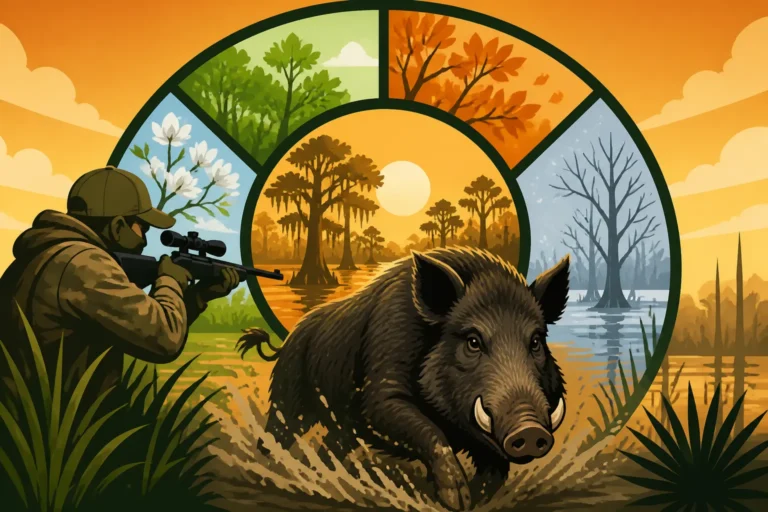
While deer and turkey hunting are popular elsewhere in Louisiana, feral hogs are an omnipresent challenge in the marsh, including near Rockefeller Refuge. These destructive animals are considered an invasive species and can be hunted year-round on private land, often with generous bag limits. For hunters looking for action or simply to contribute to wildlife management, hog hunts offer a thrilling opportunity.
Outfitters offer various approaches to hog hunting in this swampy environment. Some might involve stalking through denser cover on higher ground or using elevated blinds over bait sites. Others might employ night hunting techniques with thermal optics, which is highly effective given hogs' nocturnal habits and allowed under specific Louisiana Feral Hog Regulations. Some guides even use well-trained dogs to track and bay hogs in the thick marsh, providing a fast-paced and exciting experience. A guided hog hunt is an excellent way to experience the marsh from a different perspective, enjoy some fast-paced hunting action, and help mitigate the ecological damage these animals cause.
How to Find and Vet an Outfitter in the Rockefeller Area
Choosing the right outfitter can make or break your hunting trip. In a specialized environment like the coastal marsh around Rockefeller Refuge, it's even more critical to find someone knowledgeable, experienced, and reputable. Don't rush this step; do your homework to ensure you have a safe, successful, and enjoyable adventure.
Researching Reputable Guides
The first step is always to research. Start by looking for outfitters specifically advertising services in the Cameron Parish area, as Rockefeller Refuge is located there. Websites and online platforms dedicated to booking hunting trips, like BookYourHunt or GoHunt, can be a great starting point, as they often list guides with client reviews and detailed service descriptions. These platforms consolidate many options, making it easier to compare services and pricing structures.
Beyond these platforms, dig deeper. Look for outfitters with established local reputations. Ask questions on Louisiana hunting forums or social media groups. Many experienced Louisiana hunters are happy to share their recommendations and insights. Check if the outfitter has an active online presence with photos and videos of past hunts, which can give you a feel for their operation and the quality of their takes. Ensure they are properly licensed and insured to operate as a guide in Louisiana—this is non-negotiable for your safety and peace of mind. A licensed guide demonstrates professionalism and adherence to state standards.
Questions to Ask Before Booking
Once you have a shortlist of potential outfitters, it’s time to pick up the phone and ask some direct questions. Don't be shy; a reputable guide will welcome your inquiries. Here's a table of crucial questions to consider:
| Category | Questions to Ask Your Outfitter | Why It Matters |
|---|---|---|
| Experience | How long have you been guiding in this specific area? | Local experience is key in the dynamic marsh environment. |
| What species do you primarily guide for? | Ensures their expertise aligns with your target game. | |
| Logistics | What is included in the package price (e.g., lodging, meals, gear, licenses)? | Avoids hidden costs and manages expectations. |
| What equipment do I need to bring? | Helps you pack appropriately (e.g., waders, specific firearm, ammo). | |
| How do you handle game processing and transportation after the hunt? | Important for getting your meat home safely and legally. | |
| Safety | What are your safety protocols, especially in the marsh environment? | Essential for navigating boats, dealing with alligators, and firearm handling. |
| Do you carry guide insurance? | Provides peace of mind in case of unforeseen incidents. | |
| Access | Do you hunt public land, private leases, or both? | Private land often offers less pressure and higher success rates. |
| How do you account for weather and tide changes? | Critical for marsh hunts, where conditions can shift rapidly. | |
| References | Can you provide references from recent clients? | Allows you to hear directly about others' experiences. |
| Cancellations | What is your cancellation and refund policy? | Protects your investment in case of unforeseen circumstances. |
Don't forget to inquire about specifics like Hunting Cameron Parish Marsh Ducks or Layout Blind Hunting Coastal Rice Fields if that's your primary interest. Ask about success rates, but understand that hunting success is never guaranteed. A good outfitter will be honest about challenges and what constitutes a realistic expectation.
Understanding Costs and Inclusions
Hunting trips, especially guided ones, are an investment. It's crucial to have a clear understanding of what your money covers and what additional expenses you might incur. Don't assume anything is included; get everything clarified upfront, preferably in writing. Some outfitters offer "all-inclusive" packages that cover lodging, meals, guide fees, and even basic processing, while others might provide a "day rate" that covers only the guide and hunting time, leaving you responsible for everything else.
Typical costs beyond the base package might include your Louisiana hunting license and species-specific tags (like a duck stamp or alligator tag), gratuities for guides and staff, meat processing beyond basic field dressing, taxidermy services, and personal gear. For instance, Louisiana Resident Hunting License Options and Louisiana Species-Specific License Add-Ons will detail what you need before you even step foot in the marsh. Always clarify the payment schedule, deposit requirements, and cancellation policies before committing. Reputable outfitters will be transparent about their pricing and willing to discuss what's included, helping you budget accurately and avoid any unwelcome surprises.
Disclaimer
This article is for general informational purposes only and does not constitute professional advice. Laws, prices and regulations vary by location and change over time. Consult a qualified professional for guidance on your specific situation.