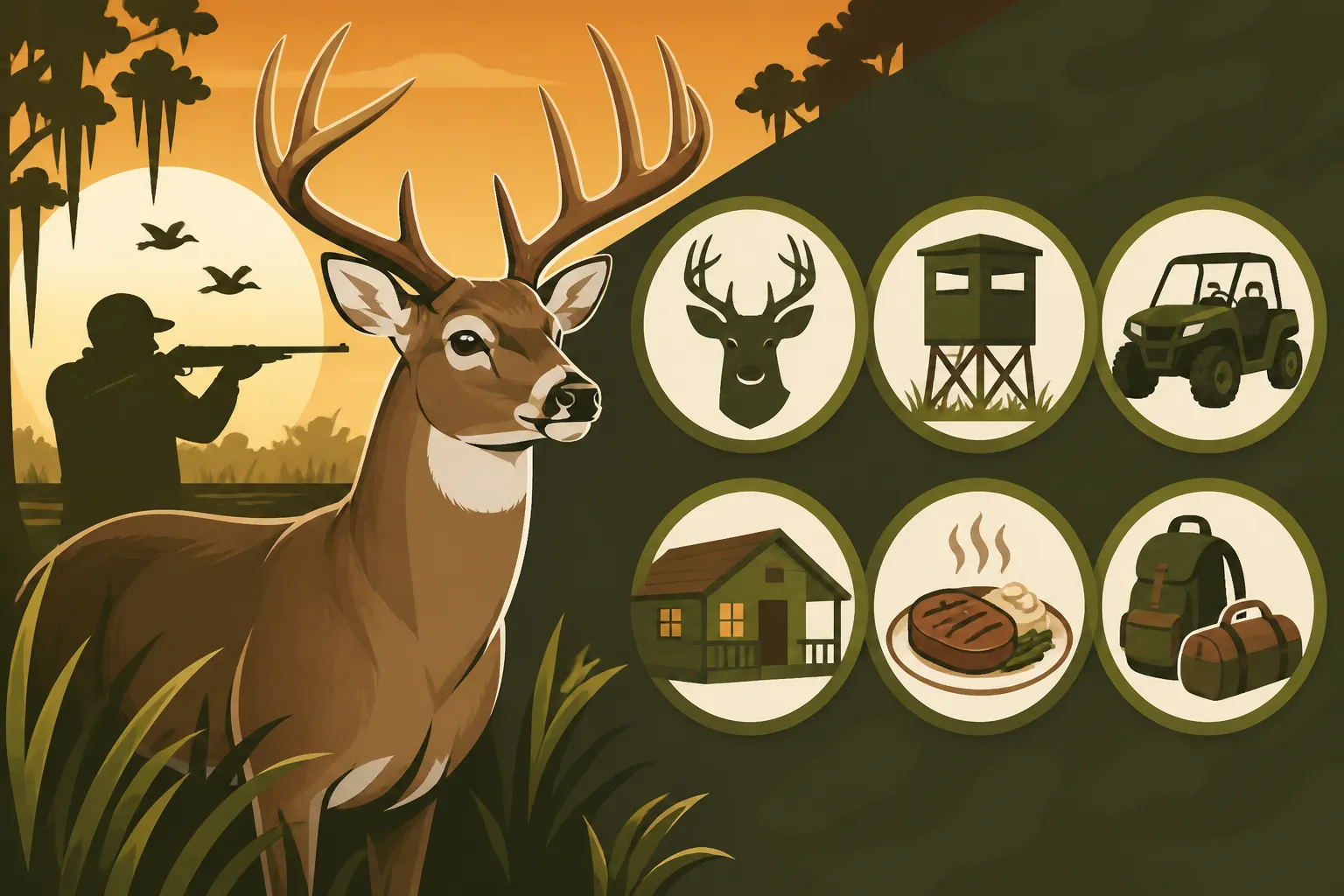
What’s Included in an All-Inclusive Deer Package
Hunting in Louisiana is an incredible experience, but when you start looking at guided packages, the term "all-inclusive" can feel like a bit of a moving target. Many hunters, especially those new to booking a guided trip or coming from out of state, get frustrated trying to figure out exactly what they're paying for versus what hidden costs might pop up. This guide aims to clear up that confusion, diving deep into what you can realistically expect from an "all-inclusive" deer hunting package in the Bayou State, and what often isn't included, so you can book your next adventure with confidence and no unwelcome surprises.
Deciphering "All-Inclusive" in Louisiana Deer Hunts
The phrase "all-inclusive" sounds wonderfully simple, doesn't it? It conjures images of showing up, hunting, and leaving without a single extra thought about costs. In the world of guided hunting, especially for deer in Louisiana, it's a term that varies quite a bit from one outfitter to the next. What one operation considers fully inclusive, another might list as an optional add-on or a separate expense entirely. This ambiguity is a common source of stress for hunters trying to plan their trip, as budgeting becomes nearly impossible if you don't know the full scope of your financial commitment.
The Lure of the Name
For many hunters, the appeal of an "all-inclusive" package is the promise of a hassle-free experience. You're dreaming of focusing purely on the hunt, the camaraderie, and the beauty of the Louisiana woods or river bottoms, not on tracking every little expense. The idea is that you pay one price, and everything from your bed to your meals, and even the guide’s expertise, is covered. This can be particularly attractive for busy individuals or those traveling a significant distance, as it simplifies the planning process immensely. It’s supposed to be a vacation from the logistics, allowing you to immerse yourself fully in the pursuit of a Louisiana whitetail.
However, the reality is that the term can be loosely applied. An outfitter might advertise "all-inclusive" but then surprise you with a list of "items not covered" in the fine print. This isn't always intentional deception; sometimes, it's just a difference in definition, or a way to keep the advertised headline price lower. The key is to understand that "all-inclusive" is a marketing term, and its true meaning needs to be thoroughly investigated before you commit. It’s up to you, the hunter, to ask detailed questions and ensure your expectations align with what the outfitter is actually offering.
Defining "All-Inclusive" in Practice
To really understand what an outfitter means by "all-inclusive," you need to look beyond the general heading and dive into the specifics of their offerings. Generally, a truly comprehensive package will cover a significant portion of your on-site needs, making your stay and hunt as seamless as possible. This typically includes the necessities that allow you to hunt without worrying about your immediate creature comforts or basic logistical support.
A good "all-inclusive" package will encompass the core elements of the hunt itself and your stay at the lodge. Think of it as everything from the moment you step out of your vehicle at their property to the moment you leave, excluding personal shopping or activities off-site. For example, it should cover the guide's time, access to hunting land, a place to sleep, and food to eat. Anything beyond these basics often falls into a grey area that needs explicit clarification. This is where platforms like BookYourHunt can be useful, as they often detail what specific outfitters include in their packages, allowing for easier comparison.
Core Inclusions: The Essentials You Can Expect
When an outfitter in Louisiana labels a deer package as "all-inclusive," there are a few fundamental components that you should almost always expect to be covered. These are the pillars of the guided hunting experience, ensuring you have a place to stay, food to eat, and expert assistance in the field. Without these core elements, the "all-inclusive" moniker would truly be misleading.
Lodging and Meals
One of the most appealing aspects of an all-inclusive package is having your lodging and meals taken care of. After a long day in the stand, navigating the swamps or pine forests of Louisiana, the last thing you want to do is figure out where to sleep or what to eat. Most all-inclusive packages will provide comfortable accommodations, which can range from rustic cabins and bunkhouses to more luxurious lodge settings, depending on the outfitter and the price point. These facilities are often designed to foster camaraderie among hunters, providing a shared space to relax, tell stories, and prepare for the next day's hunt.
Equally important are the meals. You can generally expect hearty, home-cooked fare that fuels you for your hunting adventures. This often includes breakfast before dawn, a packed lunch to take into the field, and a hot dinner when you return. Some outfitters even offer snacks and beverages throughout the day. It’s not just about sustenance; these meals are often a central part of the hunting camp experience, allowing hunters to gather, share strategies, and discuss the day's events. While the specific menu will vary, the expectation is that you won't need to worry about cooking or finding restaurants during your stay.
Guiding Services and Field Support
At the heart of any guided hunt is, naturally, the guide themselves. An all-inclusive package almost universally covers the cost of professional guiding services. This means you'll have experienced local hunters by your side, providing invaluable knowledge of the terrain, deer habits, and hunting strategies specific to Louisiana's diverse environments, whether you're hunting in the rich river bottoms or the Piney Hills Versus Basin Deer. Your guide's expertise is paramount to your success, as they understand things like Wind and Thermals in Swamp Bottomland or how deer use Scrape Lines Along a Logging Road.
Beyond just leading you to a stand, field support is a crucial inclusion. This can involve scouting before your arrival, setting up stands or blinds, checking trail cameras, and assisting with tracking and recovery of game once a shot is made. If you harvest a deer, your guide will typically assist with field dressing and getting the animal back to camp. This level of support ensures that you can focus on the hunting itself, knowing that the heavy lifting and logistical challenges are handled by seasoned professionals. It’s this hands-on assistance that truly makes a guided hunt a more accessible and often more successful endeavor, especially for those unfamiliar with the unique challenges of Hunting the Atchafalaya Basin.
Transportation on the Property
Getting around a large hunting property in Louisiana can be a challenge, especially when dealing with muddy roads, dense swamps, or vast timber blocks. An all-inclusive package almost always covers your transportation needs once you arrive at the hunting grounds. This means your guide will transport you to and from your stands or hunting locations, often using ATVs, UTVs, trucks, or even boats, depending on the terrain. This is vital, as many prime hunting spots are not easily accessible by personal vehicle.
This localized transportation is more than just a convenience; it's a critical safety and efficiency component. It ensures you get to your spots quietly and efficiently, often before daylight, and are picked up safely after dark. It also means you don't have to worry about getting your own vehicle stuck or navigating unfamiliar backroads. This also extends to game recovery. If you harvest a deer deep in the property, your guide will use their specialized equipment to retrieve it, alleviating the physical burden and logistical headache from your shoulders.
Initial Game Care
After the excitement of a successful harvest, the work of game care begins. A truly all-inclusive package should include the initial field dressing and basic processing of your deer at the lodge. This typically involves skinning, quartering, and often placing the meat into cold storage or ice chests. The goal is to prepare the animal for safe transport or further processing, ensuring the meat is handled properly to preserve its quality.
Many outfitters will have a dedicated game processing area or facility on site, complete with hoists, knives, and coolers. While they may not provide custom cuts or elaborate packaging, they will ensure the deer is broken down into manageable pieces and kept cool. This service is invaluable, especially in Louisiana's often warm weather, where quick and proper game care is essential to prevent spoilage. It removes a significant burden from the hunter, allowing them to celebrate their success rather than immediately tackling a laborious task.
What's Often Excluded: Common Surprises
While "all-inclusive" aims to simplify, there are several key expenses that are very frequently not covered in the upfront package price. These exclusions can catch hunters off guard and significantly increase the total cost of their trip if not accounted for in advance. It’s imperative to get clarity on these items before booking, as they are not minor details.
Licenses and Tags
Perhaps the most common exclusion from "all-inclusive" hunting packages are your hunting licenses and tags. Outfitters generally assume that hunters are responsible for purchasing these legal documents themselves, and for good reason. License fees can vary wildly based on residency status (resident vs. nonresident) and the specific game you intend to hunt. For instance, a nonresident deer hunter will face different costs and requirements than a Louisiana resident, and specific tags are needed for deer, turkey, or even migratory birds.
It's your responsibility to research and acquire the correct Louisiana hunting licenses and deer tags before your hunt begins. The Louisiana Department of Wildlife and Fisheries (LDWF) website is the definitive source for this information. Many hunters find it easiest to purchase their licenses online through the LDWF portal, or through designated license vendors. Make sure you understand Louisiana Resident Hunting License Options or Louisiana Nonresident Hunting License Options and plan for these costs well in advance, as you cannot legally hunt without them.
Processing and Taxidermy
While initial field dressing and cooling of your deer are typically included, the more extensive services of full meat processing and taxidermy are almost always additional costs. Once your deer is broken down at the camp, you'll need to decide how you want your venison handled. This often means taking it to a local butcher or processor near the lodge, or transporting it home for personal processing. These facilities will charge a separate fee based on the services you choose, such as custom cuts, vacuum sealing, and sausage making.
Similarly, if you're fortunate enough to harvest a trophy buck and wish to have a shoulder mount or European mount, the taxidermy fees will be entirely separate from your hunting package. Many outfitters can recommend local taxidermists, and some might even facilitate the transport of your cape and antlers to a reputable artist. However, the cost of the taxidermy work itself is a personal expense. Factor these potential costs into your budget, especially if a trophy animal is a primary goal of your hunt.
Travel To and From the Lodge
An "all-inclusive" package typically covers your experience at the lodge and on the hunting grounds, but it rarely includes your travel to and from the outfitter's location. This means you are responsible for the costs and logistics of getting yourself, your gear, and your firearms to the designated meeting point. Whether you're driving your own vehicle, flying into a regional airport like Alexandria or Baton Rouge, or using a combination of methods, these transportation expenses are yours.
This also includes any rental cars, fuel costs for your personal vehicle, and potential airline baggage fees for your hunting gear or firearms. If you're coming from out of state, this can be a significant portion of your overall trip expense. Some outfitters might offer airport pick-up and drop-off services for an extra fee, but this is usually an explicit add-on and not inherently part of the "all-inclusive" price. Always clarify these arrangements beforehand, especially if you're flying in with a firearm.
Gear and Ammunition
You might be surprised how many hunters overlook the cost of personal gear and ammunition when budgeting for a guided trip. While the outfitter provides the guiding expertise, land access, and maybe even a stand, they expect you to arrive fully equipped with your personal hunting essentials. This includes your firearm or bow, ammunition, hunting clothing appropriate for Louisiana's weather (which can be notoriously unpredictable, swinging from hot and humid to surprisingly cold), specialized optics, calls, and any other personal hunting tools.
If you don't own specific items, or if something breaks or runs out during your trip, those costs are on you. For instance, if you need new blaze orange apparel for firearms season, that's an extra cost. If you run low on arrows or broadheads, you'll need to buy more. While this might seem obvious to seasoned hunters, it's a detail that newer hunters or those trying a new type of hunting (like Bowhunting Louisiana's Long Archery Season) might not fully consider when looking at an "all-inclusive" price tag.
Alcohol and Gratuities
Two very common exclusions that can significantly impact your overall cost are alcoholic beverages and gratuities for your guide and lodge staff. While many lodges provide non-alcoholic beverages like water, coffee, and soda, any alcohol is usually an additional expense. Some lodges might operate a cash bar, while others might allow you to bring your own, but don't expect it to be part of the "all-inclusive" deal.
More importantly, gratuities are a customary and expected part of the guided hunting industry, reflecting your appreciation for the hard work and dedication of your guide, cooks, and other staff members. The amount for Tipping Guides and Boat Captains can vary, but it's a critical component of the total cost that you absolutely must budget for. It’s a direct reflection of the service you received, and failing to budget for it can lead to awkward situations or leave you feeling short-changed. Always inquire about the recommended gratuity percentages or amounts when booking your trip.
Evaluating Value and Making the Right Choice
Choosing the right all-inclusive deer package in Louisiana isn't just about the price tag; it's about the overall value, the experience you desire, and ensuring there are no unpleasant surprises. It requires due diligence, clear communication, and a realistic understanding of what you're truly getting for your investment.
Asking the Right Questions Before Booking
To avoid any misunderstandings, compile a comprehensive list of questions for the outfitter before you commit to a booking. Don't be shy; a reputable outfitter will appreciate your thoroughness. Ask specifics about every aspect of the hunt and stay. For instance:
- "Exactly what is included in the 'all-inclusive' price?" Ask for a bulleted list if it’s not clearly laid out.
- "What are the minimum additional expenses I should expect, beyond the package price?" This helps identify those common exclusions like licenses, processing, and gratuities.
- "What kind of lodging and meals are provided?"
- "What is the typical guide-to-hunter ratio?"
- "What is your policy for game recovery, including wounded animals?"
- "Are there any specific gear requirements or recommendations?"
- "What happens if I need to cancel or if there's inclement weather?"
These types of questions, outlined further in resources like Questions to Ask Before Booking a Louisiana Hunt, will help you paint a clearer picture of the true cost and experience. Don't hesitate to ask for references from previous clients; hearing directly from others can provide invaluable insight.
Reading Contracts and Reviews
Once you've narrowed down your choices, carefully review any contracts or booking agreements. Don't skim the fine print. This document should explicitly detail what is included, what is excluded, payment schedules, cancellation policies, and any other important terms and conditions. If something in the contract contradicts what you were told verbally, get clarification in writing. This is your legal protection and ensures both parties are on the same page.
Beyond the contract, delve into online reviews and testimonials. Websites like BookYourHunt and GoHunt often feature client reviews that can offer candid insights into an outfitter's operation, success rates, guide quality, and how accurately their "all-inclusive" claims align with the actual experience. Look for consistent themes, both positive and negative. Pay particular attention to comments about hidden fees or unexpected costs. While one negative review might be an anomaly, a pattern of similar complaints should be a red flag. Be discerning and read between the lines, but don’t ignore recurring feedback. Learning how to gauge Reading Outfitter Success Claims is also an important skill.
Considering Your Personal Needs
Ultimately, the "best" all-inclusive package is the one that aligns with your personal hunting style, budget, and desired level of comfort. Are you a minimalist hunter who prefers a rustic camp and doesn't mind roughing it, or do you expect more luxurious amenities? Are you a first-time hunter who needs extensive hands-on guidance, or are you experienced and primarily seeking access to prime hunting ground? Your answers to these questions will influence which "all-inclusive" offering provides the most value for you.
Consider also the type of deer hunt you envision. Are you chasing a trophy buck in the Florida Parishes, or are you more interested in the sheer adventure of Hunting the Atchafalaya Basin Swamp Deer? Different outfitters specialize in different experiences and regions of Louisiana, each with its own unique challenges and rewards. By thoroughly vetting outfitters, asking detailed questions, and comparing what each "all-inclusive" package truly entails against your own expectations, you can make an informed decision and ensure your Louisiana deer hunt is everything you dreamed it would be.
Package Comparison: All-Inclusive vs. Common Exclusions
To give you a clearer picture, here's a quick table summarizing what's typically included and what's often an additional cost when an outfitter advertises an "all-inclusive" deer hunting package in Louisiana. Remember, this is a general guide, and specific details must be confirmed with your chosen outfitter.
| Feature | Typically Included (All-Inclusive) | Often Excluded (Additional Cost) |
|---|---|---|
| Lodging | Yes (On-site cabin, lodge room, or bunkhouse) | N/A (Unless specific room upgrades or off-site hotel desired) |
| Meals | Yes (Breakfast, lunch, dinner, often snacks/non-alcoholic drinks) | Alcoholic beverages, specialty snacks/dietary requests |
| Guiding Services | Yes (Professional guide, field assistance, scouting) | N/A |
| On-Property Transport | Yes (To and from hunting stands/locations) | N/A |
| Initial Game Care | Yes (Field dressing, skinning, basic quartering, cold storage) | Full meat processing, custom cuts, vacuum sealing |
| Licenses & Tags | No | Yes (Purchase prior to hunt, varies by residency/species) |
| Taxidermy | No | Yes (Fees for mounting, European mounts, caping) |
| Travel (To/From Lodge) | No | Yes (Flights, fuel, rental car, airport shuttle fees) |
| Personal Gear | No | Yes (Firearms, ammo, clothing, optics, calls, toiletries) |
| Gratuities | No | Yes (Tipping for guides, cooks, staff) |
| Guest/Non-Hunter Fees | Sometimes (Varies by lodge policy, often an additional daily rate) | Yes (If a non-hunting companion wishes to stay at the lodge) |
| Wounded Game Retrieval | Yes (Guide assistance in tracking/recovery) | N/A (Ethical outfitters will always assist) |
As you can see, the "all" in all-inclusive isn't quite as expansive as it might initially seem, but it still covers the most substantial day-to-day operational costs of the hunt itself. Knowing what to expect, and more importantly, what to ask about, empowers you to make the most of your Louisiana deer hunting experience.
Disclaimer
This article is for general informational purposes only and does not constitute professional advice. Laws, prices and regulations vary by location and change over time. Consult a qualified professional for guidance on your specific situation.