Sabine Parish Public Land for Deer
Hunting public land for deer in Louisiana can feel like an uphill battle, especially when you're looking at areas like Sabine Parish that hold fantastic potential but also see their fair share of pressure. It's easy to get discouraged when you scout a promising spot only to find boot prints or old stand sites. This guide is here to walk you through the specifics of effectively hunting deer on Sabine Parish's public lands, offering practical strategies to help you navigate the unique challenges and find success in this beautiful part of our state.
Understanding Sabine Parish's Public Land Deer Opportunities
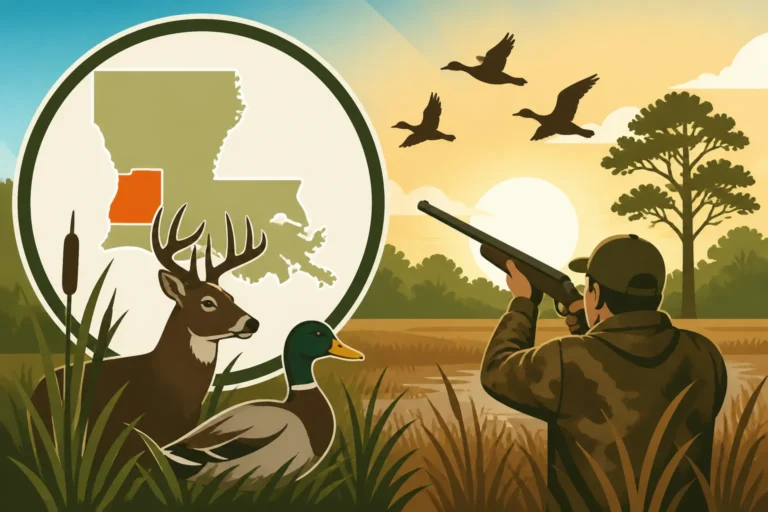
Sabine Parish, nestled in west-central Louisiana, offers a unique blend of hunting opportunities, particularly for whitetail deer. It's a landscape that many Louisianans cherish, characterized by rolling hills, vast timberlands, and numerous creeks and rivers. When you're thinking about public land hunting here, you're primarily looking at portions of Kisatchie National Forest and various Wildlife Management Areas (WMAs) managed by the Louisiana Department of Wildlife and Fisheries (LDWF). These areas, while sometimes challenging, absolutely hold healthy deer populations for those willing to put in the effort.
The Landscape and Habitat
Sabine Parish is largely defined by its beautiful piney woods, but don't let that fool you into thinking it's all uniform. Beneath the towering pines, you'll often find mixed hardwoods, especially in the creek bottoms, along drainage areas, and in pockets where soil types change. This mosaic habitat is crucial for deer. The pine forests provide excellent thermal cover and bedding areas, particularly in thicker stands or younger regeneration. The hardwood bottoms, on the other hand, are the grocery store, offering acorns, browse, and soft mast during different times of the year. Understanding this distinction is fundamental. Deer will often bed in the dense pine thickets for security and then move down into the hardwood drains to feed, especially during the colder months when mast crops are dropping. Knowing how to read these transitions and identify where deer feel safe versus where they feed is your first step to success. Louisiana Deer Hunting Area by Area can give you a broader context of how these habitats fit into the state's deer management zones.
The rolling topography, though not mountainous, creates natural funnels, saddles, and benches that deer use as travel corridors. Creeks, even dry ones, act as highways for deer moving through the woods, offering easy navigation and often denser cover along their banks. The biggest challenge? Often, these areas have been logged over time, leading to a mix of mature timber, clear-cuts, and various stages of regrowth. While clear-cuts can be a deer magnet due to abundant browse, they can also be incredibly difficult to hunt effectively due to dense, impenetrable cover. Your strategy will need to adapt to these varied stages of forest management.
Key Public Land Areas in Sabine Parish
When we talk about public land in Sabine Parish, a significant portion falls within the boundaries of Kisatchie National Forest. Specifically, the Caney and Kisatchie Ranger Districts have sections that extend into Sabine. These national forest lands are generally more open than WMAs in terms of access, allowing for dispersed camping and often more freedom in choosing stand sites, though specific rules always apply. Other WMAs might be present, each with their own unique characteristics and, critically, their own set of regulations and hunting dates.
For example, large tracts of national forest land might offer a more expansive, wilderness-like experience, where you can walk for miles without seeing another hunter if you're willing to go deep. Deer here might be less accustomed to human scent and sound, but they also have vast areas to roam, making them harder to pattern. Conversely, some smaller WMAs, while potentially offering higher deer densities due to intensive management, can also experience much higher hunting pressure, especially on opening weekends. It's a trade-off. Your choice of area will dictate much of your approach, from how far you're willing to walk to how carefully you need to check specific WMA rules. Remember, even within a specific WMA, different sections might have varying habitat types, leading to different deer patterns. Always check the LDWF website for current WMA maps and specific regulations before planning your hunt.
Scouting and Strategy for Sabine Parish Deer
Successful deer hunting on public land, particularly in a diverse area like Sabine Parish, relies heavily on meticulous scouting. You can't just show up on opening morning and expect to connect with a buck. The deer are there, but they require a concerted effort to locate and pattern.
Pre-Season Digital Scouting
Before you ever set foot in the woods, the best place to start your scouting is from your couch. Digital mapping tools have revolutionized public land hunting, and they are absolutely invaluable for Sabine Parish. Platforms like onX Hunt or GoHunt allow you to overlay aerial imagery with topographic maps, property boundaries, and even public land designations. Begin by identifying the public land boundaries within Sabine Parish. Then, zoom in. Look for significant features:
- Topographic Breaks: Identify ridges, saddles, creek drainages, and subtle elevation changes. These often serve as natural travel corridors or bedding areas. A saddle between two small hills, for instance, can be a perfect funnel for deer moving from one feeding area to another.
- Water Sources: Mark all creeks, ponds, and even temporary wet areas. Deer need water daily, and these spots can be magnets, especially during dry spells.
- Cover: Look for variations in timber type. Darker green areas on aerial photos often indicate denser canopy or pine thickets, prime bedding cover. Lighter areas might be recent clear-cuts or open hardwoods. Pay close attention to the edges of these cover types, as deer love to travel along transitions.
- Access Points: Note all roads, trails, and potential parking spots. Critically, identify areas that are difficult to access, either due to long walks, thick cover, or water barriers. These "hard-to-reach" spots often hold less-pressured deer.
You're essentially trying to piece together a puzzle of how deer might move through the landscape without ever having been there. Use the tools to mark potential stand sites, likely bedding areas, and probable travel routes. Think about where a buck would feel safe moving between food and bed, always keeping the prevailing wind in mind. Reading Aerial Photos for Central Louisiana Deer is a great resource to hone these skills.
Boots-on-the-Ground Reconnaissance
Once you've narrowed down some promising areas digitally, it's time to put boots on the ground. There's no substitute for actually walking the terrain. Aim to scout well before the season, ideally in late summer or early fall, when the woods are still fairly open, but fresh sign might be visible. What are you looking for?
- Fresh Deer Trails: Not just old, faded trails, but distinct paths that show recent use. These will often be found along creek bottoms, leading to feeding areas, or crossing saddles.
- Rubs and Scrapes: These are gold, especially in the weeks leading up to the rut. Rubs on trees indicate where bucks are marking their territory and shedding velvet. Scrapes, particularly those under licking branches, are communication hubs for deer. Fresh rubs and scrapes tell you bucks are active in the area. Scrape Lines Along a Logging Road gives more detail on interpreting these.
- Bedding Areas: Look for flattened-down areas, often in thick cover on the lee side of ridges or in dense pine thickets. These spots often have droppings nearby. Finding a bedding area helps you understand where deer feel safe and can inform your approach.
- Food Sources: Identify what the deer are actually eating. Are acorns dropping? Is there honeysuckle or greenbrier browse in the creek bottoms? Deer will move to where the food is, and this can change throughout the season.
When you're scouting, move slowly and observe everything. Pay attention to how the wind swirls in certain areas, how sound carries, and what other human sign might be present. This is also your chance to verify what you saw on your mapping apps. Did that "thick cover" turn out to be impenetrable? Is that "creek bottom" a swamp? Adjust your mental map and game plan accordingly. Taking the time to do this thoroughly will significantly increase your odds of success once hunting season opens. Finding Sign in Big Kisatchie Timber offers excellent tips for this type of scouting.
Hunting Methods and Considerations for Sabine Parish
Successfully hunting deer on public land in Sabine Parish requires flexibility, patience, and a willingness to adapt your methods to both the terrain and the often-present hunting pressure.
Stand Hunting and Still-Hunting Techniques
Stand Hunting: This is arguably the most common and often effective method for public land deer. The key is stand placement. Based on your scouting, you should have identified pinch points, funnels, and food sources that deer frequent. When hanging a stand, consider these points:
- Wind Direction: Crucial. Always hunt with the wind in your favor, carrying your scent away from where you expect deer to approach. In the rolling terrain of Sabine, thermals can be tricky, often rising in the morning and falling in the evening. Try to understand how they affect your scent cone.
- Cover: Choose a tree that offers good cover to break up your silhouette. Don't be afraid to trim a few branches for shooting lanes before the season, but be mindful of WMA rules regarding cutting vegetation.
- Entry and Exit Routes: Plan your approach and departure carefully to minimize disturbance. Try to use natural terrain features or existing trails that don't directly lead through prime deer habitat. Coming in too loud or too early can blow deer out of an area before you even get settled.
- Adaptation: Don't get stuck on one stand. If conditions change, or if you're not seeing deer, be ready to move. Treestand Setups in Kisatchie National Forest offers practical advice that applies well to Sabine's landscape.
Still-Hunting: This method is about slowly, quietly, and deliberately moving through the woods, pausing frequently to observe. It's incredibly effective in areas with varied terrain and good cover, allowing you to cover ground and actively seek out deer.
- Pace: Think in terms of yards per hour, not miles. Take one or two steps, then pause for several minutes, scanning the woods ahead and to your sides.
- Observation: Look for horizontal lines, shapes, or movement that break up the natural vertical patterns of trees. Pay attention to ear twitches, flicking tails, or even just the subtle shift of a deer's weight.
- Wind and Sun: Hunt into the wind to keep your scent from preceding you. Use the sun to your advantage, keeping it at your back if possible, which can make it harder for deer to spot you and easier for you to see them. Still-hunting is a great way to explore those deeper, less-pressured areas you identified during digital scouting.
Dealing with Hunting Pressure
Public land in Louisiana, especially during opening weekend, can feel like Grand Central Station. Don't let this discourage you; instead, let it inform your strategy. Hunting Pressure on Louisiana Public Land is a good read on this topic.
- Go Deeper: Most hunters don't venture far from roads or easily accessible trails. If you're willing to walk an extra mile or two, especially into tougher terrain like dense clear-cuts or across a creek, you'll often find less-pressured deer. These deer may not have the same immediate flight response as those closer to the roads.
- Hunt Mid-Week: If your schedule allows, hunting on weekdays can dramatically reduce the number of other hunters you encounter. Deer often settle back into their routines after the weekend rush.
- Consider Timing: The first few hours of daylight and the last hour before dark are always prime times. However, on pressured land, deer might not move until later in the morning or earlier in the afternoon. Sometimes, a midday sit can be surprisingly productive, catching deer that are displaced by other hunters moving around.
- Understand Deer Movement in Pressure: Deer adapt to pressure. They might become more nocturnal, move through thicker cover, or use different travel routes than they would on private land. Pay attention to fresh sign that indicates these subtle shifts. A small, overlooked thicket that seems insignificant might be a daytime bedding sanctuary for a pressured buck.
By anticipating and adapting to hunting pressure, you can turn a potential negative into an opportunity to outsmart the competition and find deer that others overlook.
Gear and Regulations Specific to Sabine Parish Public Land
Having the right gear and, more importantly, a thorough understanding of the regulations are non-negotiables for a safe and successful public land deer hunt in Sabine Parish. Louisiana's rules can be specific, especially on WMAs, so never assume.
Essential Gear for Sabine Parish Deer Hunts
Louisiana's climate and terrain dictate certain gear choices. Being prepared for anything will make your hunt more enjoyable and increase your chances of success.
- Comfortable, Waterproof Boots: You'll be doing a lot of walking, often through damp creek bottoms, wet leaves, or morning dew. Good boots are paramount. Blisters or wet feet can quickly ruin a hunt.
- Layered Clothing: Louisiana weather can be unpredictable. Mornings might be chilly, but by midday, it could be warm. Layers allow you to adapt to changing temperatures and stay comfortable. Don't forget your blaze orange or pink requirements, especially during firearms season. Louisiana Blaze Requirement During Gun Season explains this in detail.
- Navigation Tools: A reliable GPS unit or a smartphone with a mapping app like onX Hunt or GoHunt (with offline maps downloaded!) is critical. Public land boundaries can be confusing, and it's easy to get disoriented, especially deep in the timber or after dark. Always carry a compass and know how to use it as a backup.
- Hydration and Snacks: Even in cooler weather, staying hydrated is important, particularly if you're hiking into remote spots. Pack high-energy snacks for those long waits.
- Game Cart or Hauling System: If you're fortunate enough to harvest a deer deep in the woods, getting it out can be a monumental task. A game cart, especially one with sturdy wheels, can be a lifesaver. Consider quartering the deer in the field if you're in a truly remote area. Dragging a Deer Out of a Swamp shares tips that apply to wet, heavy terrain.
- Binoculars: Essential for spotting deer movement or identifying legal antlers in thick cover without having to move.
- Headlamp: For navigating to and from your stand in the dark. Always carry extra batteries.
Investing in quality gear that can withstand the rigors of the Louisiana outdoors will pay dividends in comfort and success.
Understanding Local Regulations and WMA Rules
This is perhaps the most critical section. Public land hunting in Louisiana is governed by the Louisiana Department of Wildlife and Fisheries (LDWF), and rules can vary significantly between statewide private land regulations, general public land rules, and specific WMA regulations.
- Always Check the Current Regulations: Before you even plan your trip, download or pick up the latest LDWF hunting regulations pamphlet. Rules regarding season dates, bag limits, legal weapons, hunting hours, and specific permits can change annually. Never rely on last year's knowledge.
- WMA-Specific Rules: If you're hunting a WMA, pay extremely close attention to its specific section in the regulations. WMAs often have different opening and closing dates, reduced bag limits, archery-only or primitive firearms-only seasons, specific permit requirements (like self-clearing permits), and restrictions on ATV use, camping, or stand types. For example, some WMAs might prohibit screw-in steps or require all stands to be removed daily.
- Hunter Education: Ensure you meet Louisiana's hunter education requirements. This is a baseline for all hunters. Louisiana Hunter Education Requirements covers this in detail.
- Deer Reporting: Remember that all deer harvested in Louisiana must be reported to the LDWF. This is usually done through their app or online portal. The Louisiana Deer Reporting Deadline will remind you when this needs to happen.
To give you a general idea of how WMA rules can differ, here’s a simplified comparison. Always consult the official LDWF regulations for the specific WMA and year you plan to hunt.
| Feature | General Statewide Deer Season (Private Land) | Typical WMA Deer Season Rules (Example) |
|---|---|---|
| Season Dates | Varies by Deer Area, often longer, more flexible | Shorter, specific opening/closing dates; often staggered |
| Bag Limit | Generally higher, often multiple bucks and antlerless | Often reduced, e.g., one buck, one antlerless |
| Weapon Types | Archery, primitive firearms, modern firearms | Often archery-only, primitive firearms-only, or limited modern firearms |
| Either-Sex Days | More frequent or longer windows | Very limited, specific either-sex dates |
| Permits Required | Basic hunting license, deer tags | Basic license, deer tags, plus a self-clearing permit, sometimes quota hunt permit |
| Stand Restrictions | Generally few, landowner rules apply | No screw-in steps, stands must be removed daily/seasonally, no permanent stands |
| Vehicle Access | Allowed on private property | Restricted to designated roads/trails; ATVs often limited |
| Baiting | Legal in most areas (check CWD zones) | Generally prohibited on WMAs |
This table is just a broad example to highlight potential differences. The actual rules for a WMA in Sabine Parish could be entirely different. Your responsibility as a hunter is to know and follow these rules to ensure both legal compliance and the continued availability of these precious public resources.
Sabine Parish public lands offer a truly rewarding deer hunting experience for those who are prepared and dedicated. By understanding the habitat, meticulously scouting, adapting your hunting methods, and strictly adhering to regulations, you'll be well on your way to a successful and memorable season in the piney woods.
Disclaimer
This article is for general informational purposes only and does not constitute professional advice. Laws, prices and regulations vary by location and change over time. Consult a qualified professional for guidance on your specific situation.