Why Yancey WMA Draws So Many Deer Hunters
Finding quality public land deer hunting in Louisiana can feel like chasing a ghost, especially when you're up against thick cover, biting mosquitoes, and the constant pressure from other hunters. It’s tough to pinpoint a spot that consistently produces, and even harder to understand why some areas become legendary among the local hunting community. This guide is going to peel back the layers on Richard K. Yancey Wildlife Management Area, diving deep into exactly why this WMA consistently draws so many deer hunters year after year, and what you can do to find success there yourself.
The Allure of Richard K. Yancey Wildlife Management Area
When you talk about deer hunting in Louisiana, especially on public land, the name "Yancey WMA" almost always comes up. It’s not just a place on a map; for many, it's a rite of passage, a challenge, and a hope for a memorable hunt. But what exactly is it about this particular WMA that makes it such a magnet for deer hunters, drawing them in from all corners of the state and beyond?
A Rich History and Robust Deer Population
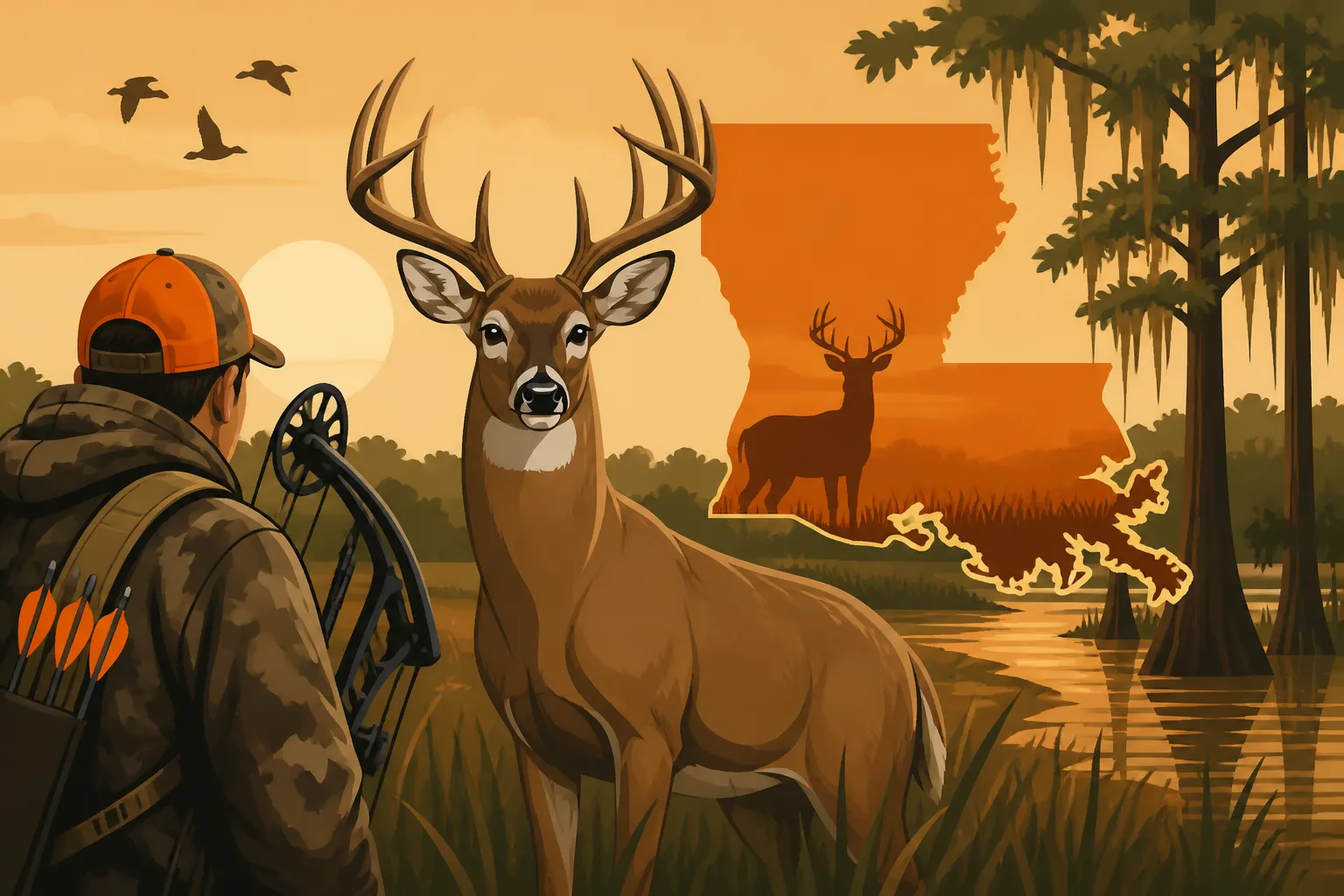
Richard K. Yancey WMA isn't just a patch of woods; it's a testament to dedicated wildlife management and the resilience of Louisiana's ecosystem. Established decades ago, this WMA has been carefully managed to foster a healthy and thriving deer herd. Unlike some areas that might see sporadic deer numbers, Yancey has consistently held a strong population, making it a reliable destination when you’re looking to fill a tag. This stability is a huge draw for hunters who feel like they're constantly chasing dwindling deer numbers in other regions. It offers a sense of consistency, even if the hunting itself is still a challenge.
The long-term management strategies employed by the Louisiana Department of Wildlife and Fisheries (LDWF) at Yancey have focused on habitat improvement, selective timber harvests, and strict harvest regulations. This has allowed bucks to reach maturity and does to maintain healthy breeding populations, leading to a respectable buck-to-doe ratio. Hunters know that when they commit to Yancey, they're stepping into an area where the potential for encountering a quality deer is genuinely higher than in many other public land settings. It’s not a guarantee, mind you, but the odds feel better. Many hunters will tell you tales of seeing some truly impressive deer within its boundaries, though getting a shot is another story entirely.
Diverse Habitat That Holds Deer
One of the biggest reasons for Yancey's popularity is its incredibly diverse habitat. Located primarily within the vast Atchafalaya Basin, it boasts a mix of bottomland hardwoods, cypress-tupelo swamps, sloughs, and high ridges. This isn't a monotonous pine plantation; it's a dynamic landscape that offers deer everything they need to survive and thrive throughout the entire hunting season. From early-season acorns dropping in the hardwoods to late-season browse in the cypress breaks, the food sources are varied and plentiful. This complex environment also provides ample cover, making deer feel secure even with hunting pressure.
Imagine trying to pattern deer in a place where the landscape changes every few hundred yards. You might find a high oak ridge providing mast, then a low-lying slough perfect for bedding, and just beyond that, thick palmetto swamps offering escape routes. This intricate tapestry means deer aren't just confined to one type of terrain; they move fluidly between different habitat zones depending on food availability, water levels, and hunting pressure. For the dedicated hunter, this offers endless opportunities for Reading a Basin Chute for Deer Movement or figuring out Where Atchafalaya Basin Bucks Bed. It requires more effort to scout and understand, but the rewards can be significant. The constant presence of water, from the winding bayous to the expansive sloughs, is also a critical factor, especially during warm Louisiana seasons, ensuring deer always have access to hydration.
Strategies for Hunting Yancey WMA Successfully
Yancey WMA might be a deer magnet, but that doesn't mean it's an easy hunt. Its popularity brings crowds, and successful hunting here often means thinking differently and putting in extra effort. It's about outsmarting not just the deer, but sometimes, the other hunters too.
Embrace the Challenge of Pressure and Terrain
Let's be real: Yancey WMA gets a lot of hunting pressure. Especially during opening weekend and the primitive firearms season, you'll see plenty of trucks in the parking areas. This can be daunting, even frustrating, for hunters used to more secluded spots. However, instead of being discouraged, experienced Yancey hunters view this pressure as a factor to work with, not against. The deer here are wise; they learn quickly how to evade human presence. This means they often move to the thickest, most difficult-to-access areas, or shift their patterns to become largely nocturnal.
To counter this, you need to be willing to go where others won't. This often means embracing the swamp itself. Are you prepared to navigate by boat, push through knee-deep water, or walk miles further than the average hunter? Sometimes, the most productive spots are those that require a significant trek from the nearest road or boat launch. Tools like onX Hunt can be invaluable here, helping you identify pockets of land that are further from common access points and less likely to be disturbed. You can use its satellite imagery and topo maps to plan your entry and exit routes, looking for natural funnels or pinch points that others might overlook. This often means carrying extra water, a robust first-aid kit, and understanding the unique challenges of Dragging a Deer Out of a Swamp.
Mastering Scouting and Timing
Scouting Yancey WMA is absolutely crucial, perhaps more so than in less-pressured areas. A quick drive-by isn't going to cut it. You need to get boots on the ground (or in the water) well before the season opens. Look for subtle signs of deer movement: tracks in the mud along sloughs, rubs on cypress trees, and especially scrape lines along higher ground or logging roads. With the dense canopy, identifying traditional food sources like oaks can be a challenge, so finding trails leading to these areas is key.
Timing your hunts can also make a huge difference. While opening weekend is bustling, if you're willing to hunt mid-week or during periods of less favorable weather (think light rain, or immediately after a cold front passes), you might find less competition. Deer movement often picks up after a cold front, especially if temperatures drop significantly, as they become more active in search of food. You might also consider hunting the edges of the WMA, particularly if you've done your homework with GoHunt to identify where private land borders meet public. Deer frequently use these transitions as safe zones. For deeper dives into strategy, articles like Scouting Louisiana Public Land Before Season offer excellent advice.
Yancey WMA Hunter's Quick Reference
| Feature | Description | Hunting Implication |
|---|---|---|
| Habitat | Diverse bottomland hardwoods, cypress-tupelo swamps, ridges, sloughs. | Varied food/cover. Requires adaptability. Deer move between habitat types. |
| Deer Population | Robust and well-managed herd, good buck-to-doe ratio, potential for mature bucks. | Higher odds of encountering deer, but they are pressured. |
| Hunting Pressure | High, especially early season and weekends. Many hunters. | Must be willing to walk or boat deep, hunt mid-week, or use overlooked tactics. |
| Access | Mixture of road access and boat-only access points into the deeper Basin. | Boat access can lead to less-pressured spots. Foot travel can be arduous. |
| Key Challenges | Navigating dense cover, water levels, mosquitoes, other hunters, tracking in thick leaf litter. | Requires strong navigational skills, physical fitness, and patience. |
| Key Advantages | Consistent deer numbers, potential for quality bucks, unique swamp hunting experience. | High reward for persistent and prepared hunters. |
Understanding Regulations and Access
Before you even step foot into Yancey, it's vital to be intimately familiar with the specific regulations for the WMA. Yancey, like all WMAs, has its own set of rules that can differ from general state regulations or even other WMAs. This includes things like legal methods of take, specific season dates (which often differ from private land seasons), bag limits, and any permit requirements. Always check the current LDWF WMA regulations pamphlet or website before planning your trip. For example, Treestand Rules on Louisiana Public Land might be more restrictive on a WMA than on private land.
Access points are another critical consideration. While some areas of Yancey WMA are accessible by road, a significant portion, particularly the more remote sections that hold less-pressured deer, can only be reached by boat. Knowing the boat launches, the main bayous, and the smaller channels that crisscross the WMA is essential for getting to those hidden spots. Using a detailed mapping application like onX Hunt can help you identify these water routes and ensure you stay within WMA boundaries. Always be mindful of water levels, especially if you're navigating shallow sloughs, as they can change rapidly. For a broader understanding, consulting Louisiana Wildlife Management Areas will provide context on how these public lands are generally managed.
The Yancey Experience: Challenges, Rewards, and Preparation
Hunting Yancey WMA is more than just a trip; it's an experience that tests your resolve and rewards your efforts with a deep connection to Louisiana's wild heart. It's not for the faint of heart, but those who embrace it often find themselves returning year after year.
Overcoming Environmental Obstacles
The environment within Yancey WMA presents its own set of formidable challenges. The deep mud, thick palmetto thickets, and cypress knees can make walking incredibly difficult and noisy. Water levels can fluctuate wildly, turning a dry trail into a knee-deep wade overnight. Mosquitoes and other biting insects are a constant companion, especially during the warmer early season hunts. This isn't a manicured forest; it's raw, untamed Louisiana swamp. Hunters must be prepared for these conditions, with appropriate waterproof gear, insect repellent, and a healthy dose of mental toughness.
The sheer density of the vegetation means that shot opportunities can be fleeting and close-range. Long-distance shots are rare, and hunters often rely on knowing the deer's habits to get them into tight shooting lanes. This means focusing on tactics like still-hunting incredibly slowly, or using calls like those discussed in Rattling Volume in Thick Cover to draw a buck in close. Recovering a deer can also be a monumental task, especially if it runs into a slough or dense cover, reinforcing the importance of proper shot placement and patience in Blood Trailing After Dark in Louisiana.
The Unforgettable Rewards
Despite all the challenges, the rewards of hunting Yancey WMA are profound. There's a deep satisfaction in successfully navigating such a wild and demanding landscape. Every deer harvested here feels earned, a testament to your persistence, scouting, and hunting skill. Beyond the harvest, it's about the immersion in nature: the haunting calls of waterfowl in the distance, the eerie quiet of a cypress brake at dawn, and the feeling of truly being off the beaten path. You'll build character, learn invaluable lessons about resilience, and forge memories that last a lifetime. Many hunters cherish the traditions and camaraderie that come with Louisiana Deer Camp Traditions, even if "camp" means a pop-up tent deep in the WMA.
The opportunity to pursue quality deer in a public land setting is a privilege, and Yancey WMA offers that chance. It’s a place where you truly feel like you’re hunting wild animals in a wild place, away from the manicured food plots and high fences. For many, that's the essence of hunting, and it's why they keep coming back, ready to face whatever the swamp throws their way. Understanding the larger context of Louisiana Deer Hunting Area by Area can also give you a greater appreciation for the unique characteristics of Yancey and its role in the state's hunting landscape.
Essential Preparation and Mindset
To maximize your chances and enjoyment at Yancey WMA, thorough preparation is paramount. This isn't a casual hunt you decide on a whim. Beyond your hunting license and tags (ensure you have the appropriate Louisiana Deer Tag Add-On Cost and Louisiana Resident Hunting License Options), consider:
- Mapping Tools: As mentioned,
onX HuntorGoHuntare invaluable for detailed topo maps, satellite imagery, and marking waypoints for stand locations, trails, and potential bedding areas. Don't rely solely on paper maps; GPS capability is essential. - Physical Fitness: Be ready for long walks, wading through water, and potentially dragging a heavy deer out of challenging terrain.
- Gear: Waterproof boots (knee or hip waders often), good rain gear, headlamp, compass, communication device, plenty of water, and snacks. A small, lightweight boat or pirogue can open up vast areas inaccessible to foot hunters.
- Patience: Deer in Yancey are smart and pressured. They won't just walk out in front of you. Be patient, hunt smart, and enjoy the process.
- Contingency Plans: Let someone know your hunting plan, including your intended entry and exit points and expected return time. Cell service can be spotty in the basin, so don't rely on it exclusively.
The consistent draw of Richard K. Yancey WMA comes down to a powerful combination: a well-managed, healthy deer population within a diverse, challenging, and uniquely wild habitat. It demands more from a hunter, but for those willing to put in the effort, scout diligently, and adapt to the environment and pressure, Yancey offers a deeply rewarding and unforgettable Louisiana public land hunting experience.
Disclaimer
This article is for general informational purposes only and does not constitute professional advice. Laws, prices and regulations vary by location and change over time. Consult a qualified professional for guidance on your specific situation.