Louisiana Muskrat and Mink Trapping Trends
If you're looking to understand the ebb and flow of furbearer populations and the opportunities on the trap line, especially for species like muskrats and mink, it can feel like you're trying to read tea leaves. The landscape of trapping in Louisiana has changed dramatically over the decades, and keeping up with which trends are on the rise, which are fading, and why, is a challenge for even the most seasoned outdoorsmen. This guide will dive deep into the historical context, current realities, and future factors shaping muskrat and mink trapping trends across our unique Louisiana environment.
A Look Back: The Rise and Retreat of Louisiana's Fur Trapping
Louisiana has a rich, almost mythical, history tied to its furbearers. For generations, the bayous, marshes, and swamps were not just places of natural beauty, but economic engines for many families. Trapping was a way of life, an inherited skill passed down, providing a livelihood from the bountiful wetlands. Understanding today's trends means first appreciating this deep-rooted past and how much it has shifted.
The Golden Age of Louisiana Fur
There was a time when Louisiana was the king of the fur world, especially for muskrat. Picture vast expanses of marshland teeming with wildlife, and small boats navigating intricate waterways, loaded down with pelts. In the early to mid-20th century, trapping was a significant industry, providing income for thousands of families in our coastal parishes. Muskrat pelts were in high demand for coats, collars, and trim, driving prices that made it a viable, even prosperous, profession. It wasn't just about the money; it was about connecting with the land, understanding its rhythms, and participating in a long-standing tradition. The sheer volume of muskrats caught was astounding, showcasing the incredible productivity of our coastal ecosystems back then.
Mink, while never reaching the same astronomical numbers as muskrats, were also highly valued. Their sleek, luxurious fur commanded good prices, often higher per pelt than muskrats, making them a prized catch for any trapper. They were found in similar marsh and swamp habitats, often alongside muskrats, though mink are more predatory and far-ranging. Trappers would set their lines with both species in mind, knowing that a good mink catch could significantly boost their earnings for the week. The art of reading the sign, knowing where a mink might travel along a bank or through a culvert, was part of the deep knowledge base these trappers possessed.
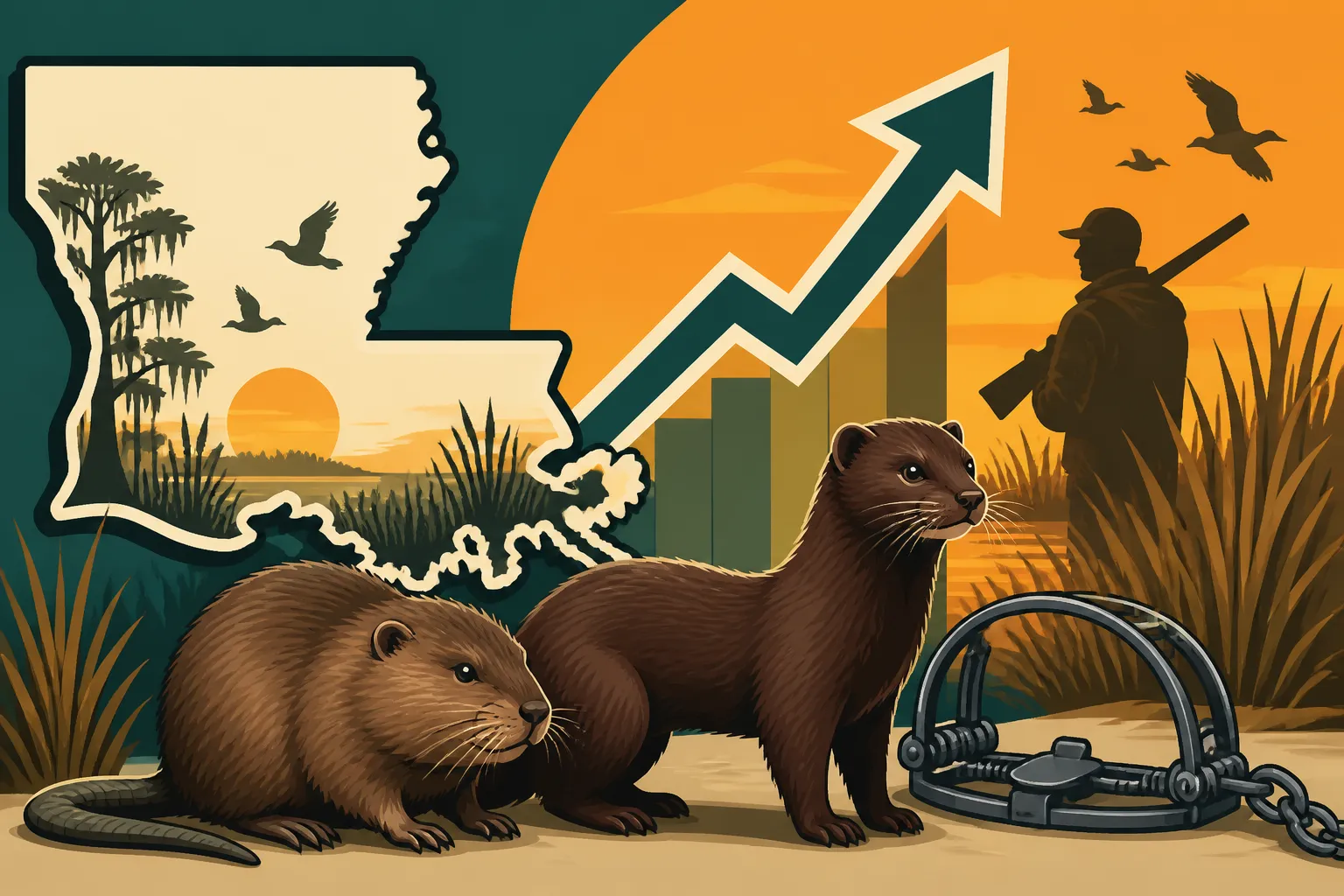
However, even in this golden age, other species started making their mark. The introduction and subsequent explosion of nutria, an invasive rodent, began to reshape the furbearer landscape. While nutria also offered a potential income stream, their destructive grazing habits started to impact the very marsh grasses that muskrats depended on for food and shelter. This competition, initially a subtle shift, would eventually become a dominant factor in the decline of native furbearers, altering the trapping trends for muskrats specifically. Trappers slowly began adapting their strategies, but the ecological balance was already shifting.
The Shifting Sands of the Fur Market
As the mid-century progressed and certainly by the latter part, the fur market began to undergo profound changes. Global fashion trends shifted away from natural fur, with synthetic materials becoming more popular and accessible. The rise of animal rights movements also played a significant role, increasing public scrutiny and reducing demand for fur products. This confluence of factors led to a drastic decline in pelt prices. What once provided a living wage could barely cover the cost of gasoline for the boat, let alone the time and effort invested.
For many Louisiana trapping families, this was a difficult transition. Generations had relied on the land for income, and suddenly, that income dwindled to almost nothing. The motivation to maintain long trap lines, to endure the elements, and to invest in equipment became hard to justify. Many trappers either stopped entirely or reduced their efforts dramatically, focusing only on the most valuable species or trapping as a hobby rather than a profession. The economic incentives that once drove the high volume of muskrat and mink trapping largely vanished, forcing a cultural and economic shift away from traditional livelihoods.
Furthermore, the environmental changes affecting Louisiana's coastal zone exacerbated the problem. As marshes began to disappear due to erosion, subsidence, and saltwater intrusion, the critical habitat for muskrat and mink diminished. Fewer muskrats meant fewer opportunities, and lower prices meant less reason to pursue those opportunities. The once-robust fur market, which could absorb large numbers of pelts, contracted severely, leaving many trappers with little outlet for their catches. This retreat from the fur market wasn't just economic; it was an ecological reflection of a changing coast.
Current Realities: Muskrat and Mink in Modern Louisiana Trapping
Today, the scene on Louisiana's trap lines is vastly different from its heyday. While muskrats and mink are still present, their populations and the efforts to trap them reflect a changed environment and economy. Modern trapping for these species is often a blend of tradition, nuisance control, and a passion for the outdoors, rather than a primary source of income.
Where the Wild Things Are: Habitat and Population
Muskrats are still primarily found in freshwater and brackish marshes, swamps, and along the banks of bayous and canals. They prefer areas with abundant aquatic vegetation, which they use for food and to build their dome-shaped lodges. However, their populations have seen significant fluctuations and declines in many traditional coastal areas due to habitat loss. Coastal erosion, saltwater intrusion from navigation channels, and hurricane impacts have all taken their toll on the healthy marsh systems they depend on. Where nutria populations are high, muskrats also face intense competition for food and habitat, often struggling to maintain a foothold.
Mink, being adaptable predators, can be found across a broader range of Louisiana habitats, from coastal marshes to upland swamps and even along rivers and creeks in farm country. They require access to water and a healthy population of small prey like rodents, birds, fish, and crayfish. While mink populations seem more stable than muskrats in many areas, they are still affected by overall habitat quality and prey availability. A trapper looking for mink might focus on pinch points along bayou banks, around fallen timber, or near den sites. Tools like GoHunt might help trappers identify promising waterways or marsh areas by overlaying maps with historical satellite imagery, giving clues to past and present habitat health.
The key challenge for both species is the continuous degradation of our coastal wetlands. Louisiana's marsh loss is a well-documented issue, and as this prime habitat shrinks, so too do the carrying capacities for species like muskrats and mink. This isn't just about the physical land disappearing; it's about the entire ecosystem changing, impacting the food web and shelter options. Trappers today often find themselves working smaller, more isolated pockets of suitable habitat, requiring more scouting and effort for potentially fewer animals.
The Modern Trapper's Approach
Modern trapping for muskrat and mink in Louisiana is far less intensive than it used to be. Most trappers today are hobbyists, focused on maintaining a connection to the tradition, enjoying time outdoors, or perhaps providing nuisance control on private lands. The trapping season for furbearers like mink and muskrat usually runs from November through February or March, allowing trappers to pursue them during the cooler months when their pelts are prime. For those interested in getting started, understanding Louisiana Trapping License Requirements is the first step.
Techniques still revolve around effective and ethical sets. Body-grip traps (like Conibears) are popular for quick, humane dispatch when properly placed in cubbies or runways. Foothold traps, typically smaller sizes, are also used at den entrances, along trails, or in water sets. The emphasis is often on efficiency and minimizing non-target catches. Trappers are diligent about checking their lines frequently, often daily, to ensure animal welfare and pelt quality. This commitment to responsible trapping is paramount and reflects the evolving ethics of outdoor pursuits.
While the financial incentive is largely gone, the satisfaction of a clean catch, the challenge of reading animal sign, and the quiet solitude of the trap line remain powerful draws. Many trappers share their knowledge in local groups or through online forums, keeping the traditions alive. Some might also trap for other species like raccoons or opossums, whose fur might still have a slightly better, though still low, market value. The modern trapper is often a multi-species outdoorsman, combining trapping with other activities.
Competition and Challenges from Other Species
One of the biggest, and perhaps most overlooked, challenges for muskrat populations in Louisiana has been the overwhelming success of the invasive nutria. These large semi-aquatic rodents were introduced for their fur, and while they initially provided a booming industry, their unchecked population growth led to widespread marsh destruction. Nutria outcompete muskrats for vegetation, literally eating away at the marsh plants that muskrats rely on for food and building materials. This direct competition has pushed muskrats out of many areas or severely limited their ability to thrive.
For mink, while nutria don't directly compete for food in the same way, the overall health of the marsh ecosystem, which nutria severely impact, certainly affects their prey base. A marsh stripped bare by nutria grazing provides less cover and fewer small prey animals for mink to hunt. Furthermore, the presence of other furbearers like raccoons, opossums, and even bobcats can create competition for den sites and food resources, though mink are often adept at holding their own. Trappers targeting mink also need to be mindful of avoiding non-target species, especially since many other animals can be attracted to the same types of sets.
The dynamics of these interspecies relationships mean that a trapper can't just think about the target animal; they have to consider the entire ecosystem. Where nutria are abundant, trappers might find their efforts better spent targeting the invasive species, contributing to marsh restoration, even if the pelt value is low. The Louisiana Department of Wildlife and Fisheries often implements programs to control nutria, recognizing their detrimental impact on native furbearers and the marsh itself. Nutria and Louisiana Wetlands is a testament to the ongoing battle against this destructive animal.
Beyond the Trap Line: Environmental and Economic Impacts on Trapping Trends
Looking ahead, the future of muskrat and mink trapping in Louisiana will be heavily shaped by forces far beyond the individual trapper's control. Environmental degradation and global economic factors will continue to dictate population levels and market demand.
Coastal Erosion's Heavy Toll
It's impossible to discuss marsh-dwelling furbearers in Louisiana without talking about coastal erosion. Our state is losing land at an alarming rate, and this directly translates to a loss of habitat for muskrats, mink, and countless other species. Saltwater intrusion further degrades remaining freshwater marshes, turning them into open water or less productive brackish environments. These changes are devastating for muskrats, which rely on specific types of emergent vegetation found in healthy freshwater and slightly brackish marsh. As their homes literally disappear, so do their populations.
Mink are a bit more resilient, able to adapt to various aquatic environments, but they still need healthy ecosystems with ample prey. A degraded marsh with minimal vegetation and a disrupted food web offers far less to a mink than a vibrant, productive wetland. The long-term effects of this habitat loss mean fewer animals overall, which in turn means fewer opportunities for trappers and continued low harvest numbers. Efforts to rebuild and restore our coast are critical not just for human communities but for the survival of these iconic marsh creatures. These large-scale environmental challenges overshadow almost all other factors influencing trapping trends.
Understanding these changes is crucial for anyone trying to scout potential trapping locations. Relying on historical knowledge alone might be misleading; what was once prime muskrat territory could now be open water or heavily impacted by saltwater. Using modern mapping resources and staying informed on coastal restoration projects can help trappers identify areas where habitat might be stable or even improving, offering a glimmer of hope amidst the losses. Hunting Louisiana's Coastal Marsh Parishes provides a broader look at how these changes affect all forms of outdoor activity in the region.
The Economics of the Fur Shed
The harsh truth is that the economic viability of trapping muskrat and mink in Louisiana is extremely low today. Pelt prices have remained depressed for decades, making it virtually impossible to earn a substantial income from these species alone. While some market fluctuations occur, a return to the "golden age" prices seems highly unlikely in the current global climate. This reality means that trapping is primarily pursued out of passion, tradition, or as a very minor supplement to other income sources.
For those who do trap, the motivation is often about the experience itself, the connection to nature, or the satisfaction of harvesting an animal, rather than the money a pelt might bring. It's about maintaining a skill set, teaching the next generation, or controlling nuisance animals. The cost of fuel, traps, and time often far outweighs the monetary return on the pelts. This economic challenge is a major reason why the number of active trappers targeting these species has dwindled significantly.
Despite the low prices, some dedicated buyers still exist, often dealing in small volumes from hobby trappers. These buyers might aggregate pelts for niche markets or for taxidermy purposes. However, trappers should manage their expectations regarding financial returns. The "fur shed" of today is less about processing for profit and more about preserving a harvest for personal use or a very modest sale. Trappers might combine their efforts with other furbearers that have slightly better, though still often low, market values, such as raccoons or beaver, to make the effort more worthwhile.
Navigating Regulations and Conservation
Despite the decline in trapping activity, muskrat and mink, like all furbearers, are managed by the Louisiana Department of Wildlife and Fisheries (LDWF). There are specific season dates, legal methods, and licensing requirements that trappers must adhere to. These regulations are in place to ensure sustainable populations and ethical harvesting practices. Even with low trapping pressure, responsible management is always a priority. Staying current with Louisiana Small Game Season Rules is vital for any trapper heading afield.
Conservation efforts for muskrats and mink are largely tied to broader wetland conservation and restoration initiatives. Protecting and restoring coastal marshes directly benefits these species by providing essential habitat. While there aren't specific, targeted conservation programs solely for muskrats or mink on the same scale as, say, deer or turkey, their well-being is intrinsically linked to the health of Louisiana's unique ecosystems. Trappers themselves can be a valuable part of conservation by reporting unusual animal health issues as part of Louisiana Wildlife Disease Monitoring or by participating in habitat improvement projects.
The future of muskrat and mink trapping trends will continue to be a fascinating interplay of environmental resilience, economic realities, and the enduring spirit of Louisiana's outdoorsmen. While the large-scale commercial trapping of the past is unlikely to return, the passion for these marsh creatures and the tradition of the trap line will undoubtedly persist, albeit in a different form.
| Feature | Muskrat | Mink |
|---|---|---|
| Primary Habitat | Freshwater to brackish marshes, swamps, bayous, canals with abundant vegetation | Various aquatic habitats, marshes, swamps, upland creeks, rivers, farm country |
| Diet | Mostly vegetarian (aquatic plants, roots) | Carnivorous (rodents, birds, fish, frogs, crayfish) |
| Size | Medium-sized rodent, typically 2-4 lbs | Small, slender mustelid, typically 1-3 lbs |
| Sign | Lodges, feed beds, narrow trails in vegetation, droppings, tracks | Tracks along banks, scat, den sites, prey remains |
| Pelt Value Trend | Historically high, now very low | Historically moderate/high, now low |
| Current Trapping Motivation | Hobby, tradition, limited nuisance control, marsh management | Hobby, tradition, nuisance control, supplementary income |
| Nutria Impact | Severe competition for food and habitat, major population declines | Indirect impact through habitat degradation, less direct competition |
Disclaimer
This article is for general informational purposes only and does not constitute professional advice. Laws, prices and regulations vary by location and change over time. Consult a qualified professional for guidance on your specific situation.