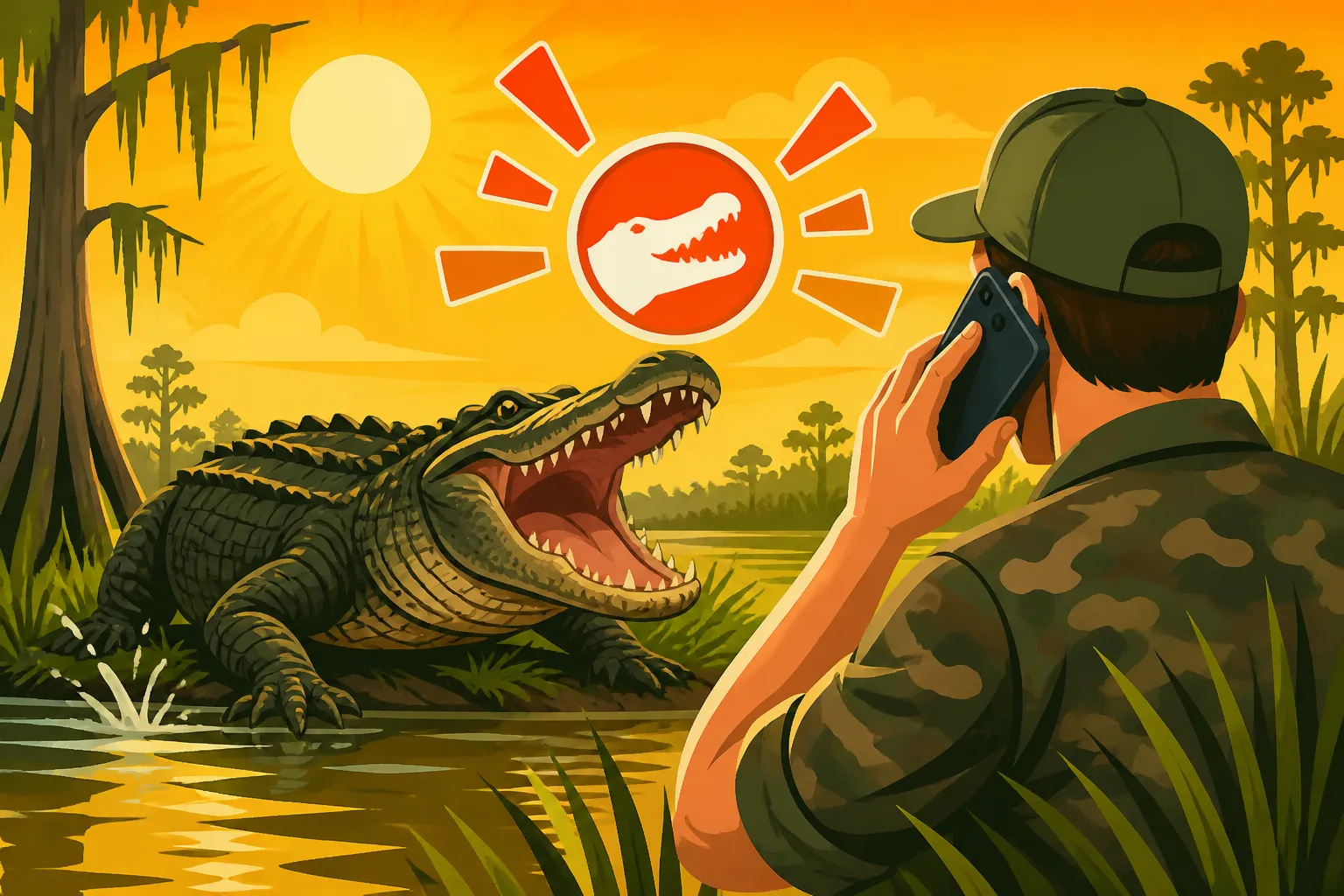
Why Alligator Nuisance Calls Rise in Summer
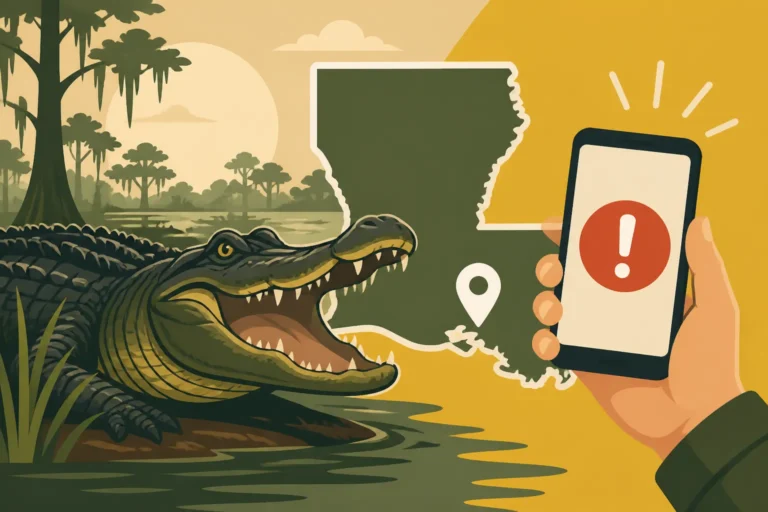
Summer in Louisiana is a beautiful, vibrant time, but for many folks living near our abundant waterways, it often comes with a particular kind of concern: more alligator sightings, and unfortunately, more nuisance calls. It can be genuinely unsettling to see a large alligator closer to home than you'd like, especially when kids or pets are around. This guide aims to peel back the layers of alligator behavior and habitat to explain exactly why these calls spike during the warmer months and what you can do about it.
The Rhythms of Louisiana Alligator Life
Alligators are incredible creatures, perfectly adapted to our unique Louisiana environment. They've been here for millennia, long before many of our towns and neighborhoods sprang up along bayous and canals. Understanding their natural life cycle is the first step in understanding why they become more visible and sometimes problematic during the summer.
Mating Season and Nesting Instincts
As the calendar flips from spring to summer, alligators are knee-deep in their most active period of the year: mating season. Typically, this kicks off in late spring, with courtship rituals often observed throughout May and into June. This is when the males, particularly the larger ones, become much more territorial and vocal, letting out those deep, resonant bellows that can carry for miles across the swamp. They're not just looking for a mate; they're also establishing dominance and protecting their breeding grounds.
Once mating is complete, the females shift their focus to nesting. From late June through July, female alligators busily construct their nests, often large mounds of vegetation, mud, and debris, usually near water. These nests can be surprisingly close to residential areas if suitable habitat is present. The female will guard her nest fiercely, becoming much more protective and potentially aggressive towards anything she perceives as a threat, which unfortunately can include curious pets or even people inadvertently wandering too close. This instinctual drive to protect her future offspring is a primary reason for increased human-alligator interactions and subsequent calls to wildlife authorities.
Metabolic Changes and Increased Activity
Like all reptiles, alligators are cold-blooded, meaning their body temperature is regulated by their external environment. When Louisiana's heat and humidity truly kick in during summer, their metabolism goes into overdrive. Cooler water temperatures in spring keep them a bit sluggish, but the warm summer waters invigorate them, making them more active than at any other time of the year.
This increased metabolism means they need to eat more. They'll spend more time hunting, cruising the waterways, and basking in the sun to maintain optimal body temperature. Their hunting forays might take them into areas they wouldn't typically frequent during cooler months, bringing them into closer proximity with human activity. Imagine a bustling bayou behind your neighborhood; during winter, an alligator might be tucked away in a hole, barely moving. Come summer, that same alligator is now actively patrolling, searching for food, and potentially exploring new territories, increasing the likelihood of being spotted by residents. This surge in energy and hunger directly translates to more visible alligators and, inevitably, more calls from concerned citizens.
Human-Alligator Encounters on the Rise
It's not just the alligators changing their behavior; our own summer activities play a huge role in the spike in encounters. We love our waterways here in Louisiana, and when the weather heats up, we're naturally drawn to them for recreation, fishing, and simply enjoying the outdoors. This increased overlap creates more opportunities for human-alligator interactions.
Water Recreation and Habitat Overlap
Summer is synonymous with water activities in Louisiana. Boating, kayaking, fishing, crabbing, and even swimming in some areas become weekend staples. Many of these activities take place on the same rivers, bayous, lakes, and canals that alligators call home. When you have more people on the water and along the banks, the chances of encountering an alligator naturally increase. What might have been a quiet stretch of water in March is now a buzzing hub of activity in July, with kayaks paddling, kids splashing, and fishing lines hitting the water.
This overlap can be particularly problematic in areas where human development has encroached on traditional alligator habitat. A golf course pond, a drainage canal behind a subdivision, or a slow-moving bayou that once felt remote might now be bordered by homes. Alligators don't understand property lines; they understand suitable habitat, food sources, and travel corridors. As they become more active in the summer, seeking mates, nesting sites, and food, they're more likely to cross paths with us in these shared spaces. Tools like the GoHunt app can help you visualize land use and water features, which might make you more aware of potential alligator hot spots even in seemingly residential areas.
Pets and Easy Meal Opportunities
This is perhaps one of the most heartbreaking and preventable causes of nuisance calls. Pets, especially smaller dogs, are often perceived as easy prey by alligators. A dog splashing at the water's edge, even on a leash, can mimic the distressed sounds or movements of natural prey animals like raccoons or nutria. Alligators are opportunistic predators, and they're always on the lookout for an easy meal.
It's crucial to understand that an alligator doesn't differentiate between a wild animal and your beloved pet. If it's small enough to be eaten and presents itself as an opportunity, an alligator's instinct will take over. This is why you should never let pets swim or drink from natural bodies of water where alligators are known to reside. Keeping them on a short leash and away from the water's edge, especially during the summer, is paramount. The calls that come in about alligators near homes often follow an incident where a pet has been snatched, which is a truly devastating experience for any family.
What to Do When You Spot a Nuisance Alligator
So, you've seen an alligator, and it's making you uneasy. Your first reaction might be panic, but taking a moment to assess the situation calmly is key. Not every alligator sighting warrants a call to the authorities, but knowing when to act is crucial for both your safety and the alligator's well-being.
Assessing the Situation: When to Call LDWF
The Louisiana Department of Wildlife and Fisheries (LDWF) is the agency responsible for managing our alligator population and responding to nuisance calls. However, they can't remove every alligator spotted, nor should they. Many alligator sightings are simply the animals doing what they do naturally in their habitat. The general rule of thumb is this: an alligator becomes a "nuisance" when it poses a threat to people, pets, or livestock.
Here's a quick guide to help you decide when to make that call:
| Alligator Behavior | When to Call LDWF | When Not to Call LDWF |
|---|---|---|
| Location | Near homes, schools, parks, or areas with frequent human activity. | In a natural swamp, marsh, bayou, or large lake away from residential areas. |
| Size | Generally, alligators over 4 feet in length in close proximity to people/pets. | Small alligators (under 4 feet) are typically not considered a threat. |
| Aggression/Boldness | Hissing, lunging, approaching people or pets, refusing to retreat. | Basking on a bank, swimming away when approached, generally shy. |
| Feeding | Has been fed by humans, associating people with food. Actively pursuing pets. | Hunting natural prey (fish, turtles, small mammals) in its natural habitat. |
| Injured/Trapped | Appears injured, sick, or is trapped in an unusual location (e.g., swimming pool). | Healthy and freely moving within its natural environment. |
Remember, if an alligator is simply basking on a distant bank or swimming across a large bayou, it's likely just living its life. However, if it's exhibiting aggressive behavior, has been fed by humans, or is consistently showing up in areas where people, especially children, are present, then it's time to follow the guidelines for Reporting a Nuisance Alligator in Louisiana. A quick search on GoHunt can also sometimes help you identify if an area is known for dense alligator populations, informing your assessment.
Practical Safety Measures for Residents
Even if you don't call LDWF immediately, there are common-sense steps you can take to keep yourself, your family, and your pets safe around alligator habitat, especially during the summer.
First and foremost, never feed alligators. This cannot be stressed enough. When alligators associate humans with food, they lose their natural fear and become much more prone to approaching people, leading to dangerous situations. This is how many nuisance alligators are created. Secondly, always keep pets on a leash and away from the edges of canals, ponds, and bayous. A short leash helps ensure they can't dart into the water or get too close to the bank.
Beyond that, be vigilant. If you live near water, teach children about alligator safety: never play near the water's edge, avoid swimming in unsupervised or unposted areas, and never approach an alligator, no matter how small it seems. Remember that alligators are most active during dawn and dusk, so exercise extra caution during these times. Keep a respectful distance, and if an alligator starts to approach you, make noise and back away slowly. You want to make it clear that you are not prey and you are not a threat. By respecting their space, we can minimize adverse encounters.
Debunking Myths and Understanding Alligator Behavior
There are a lot of misconceptions floating around about alligators, often fueled by sensational stories or a lack of understanding. Clearing up these myths can help residents feel more comfortable and make better decisions when encountering these fascinating reptiles.
The Truth About Feeding Alligators
As mentioned before, feeding alligators is perhaps the single worst thing you can do. It's not only illegal in many places, but it's incredibly detrimental to both the alligator and human safety. Alligators are wild animals, and their instincts are to be wary of humans. When you offer them food, even once, you break down that natural wariness. They begin to associate people with an easy meal, which leads them to approach boats, docks, and shorelines without fear.
This is a dangerous cycle. An alligator that has been fed, even a small piece of fish from a dock, quickly learns that humans are not a threat and can be a source of sustenance. This behavior makes them bolder and increases the likelihood they will become a genuine nuisance, potentially even aggressive, as they seek out their next handout. Sadly, once an alligator becomes accustomed to being fed, it often has to be removed and, in many cases, euthanized, because it poses too great a risk to the public. So, please, resist the urge, no matter how curious or well-intentioned you might be. Keep their wildness intact.
Differentiating Natural Behavior from True Nuisance
Many of the calls received by LDWF are about alligators simply existing in their natural habitat. For example, a large alligator basking on a sunny bank, slowly swimming across a canal, or even letting out a bellow from a distant marsh are all completely natural behaviors. These actions are part of their daily life and ecosystem, and they don't necessarily indicate a threat. An alligator swimming by your boat while you're combining an Alligator and Fishing Trip is expected.
A "true nuisance" alligator, in contrast, is one that actively seeks out human interaction or repeatedly appears in areas where it poses a direct threat. This includes alligators that:
- Maintain a close proximity to human activity without retreating.
- Aggressively approach people, boats, or pets.
- Are found repeatedly in residential swimming pools or yards.
- Exhibit bold behavior due to being fed by humans.
- Are over a certain size (typically 4 feet or more) and in an inappropriate location.
It's important to differentiate between observing a wild animal in its home, which is a privilege, and dealing with an animal that has become a genuine danger. Education is our best tool here. Understanding the behavior of American Alligators in Louisiana allows us to appreciate them from a safe distance and know when our intervention is genuinely needed to protect both them and ourselves. If you're looking into Louisiana's New Recreational Alligator Season, you'll learn even more about how LDWF manages these magnificent creatures and the regulations in place, which helps maintain a healthy balance.
Alligator Population and Management
Louisiana boasts a robust and healthy alligator population, a testament to successful conservation and management efforts over the decades. It's often surprising to learn How Many Alligators Louisiana Has, but this abundance is why encounters are relatively common, especially in a state so rich with waterways. The LDWF actively monitors alligator populations through various methods, including nest surveys which provide insight into Louisiana Alligator Egg Nest Surveys, and tagging programs.
The state's management strategy ensures that alligators remain a vital part of our ecosystem while also addressing public safety concerns. This includes regulated recreational harvests, which is why we have things like Louisiana Alligator Legal Methods and specific Louisiana Alligator Zone Allocations. While the recreational season primarily targets specific populations and sizes, it's a critical tool in maintaining balance. Landowners who deal with nuisance alligators on private land also have specific avenues for management. The bottom line is that while alligators are wild animals and command respect, their presence is managed to reduce conflicts with humans.
Disclaimer
This article is for general informational purposes only and does not constitute professional advice. Laws, prices and regulations vary by location and change over time. Consult a qualified professional for guidance on your specific situation.