Louisiana Deer Season Overlap With Small Game
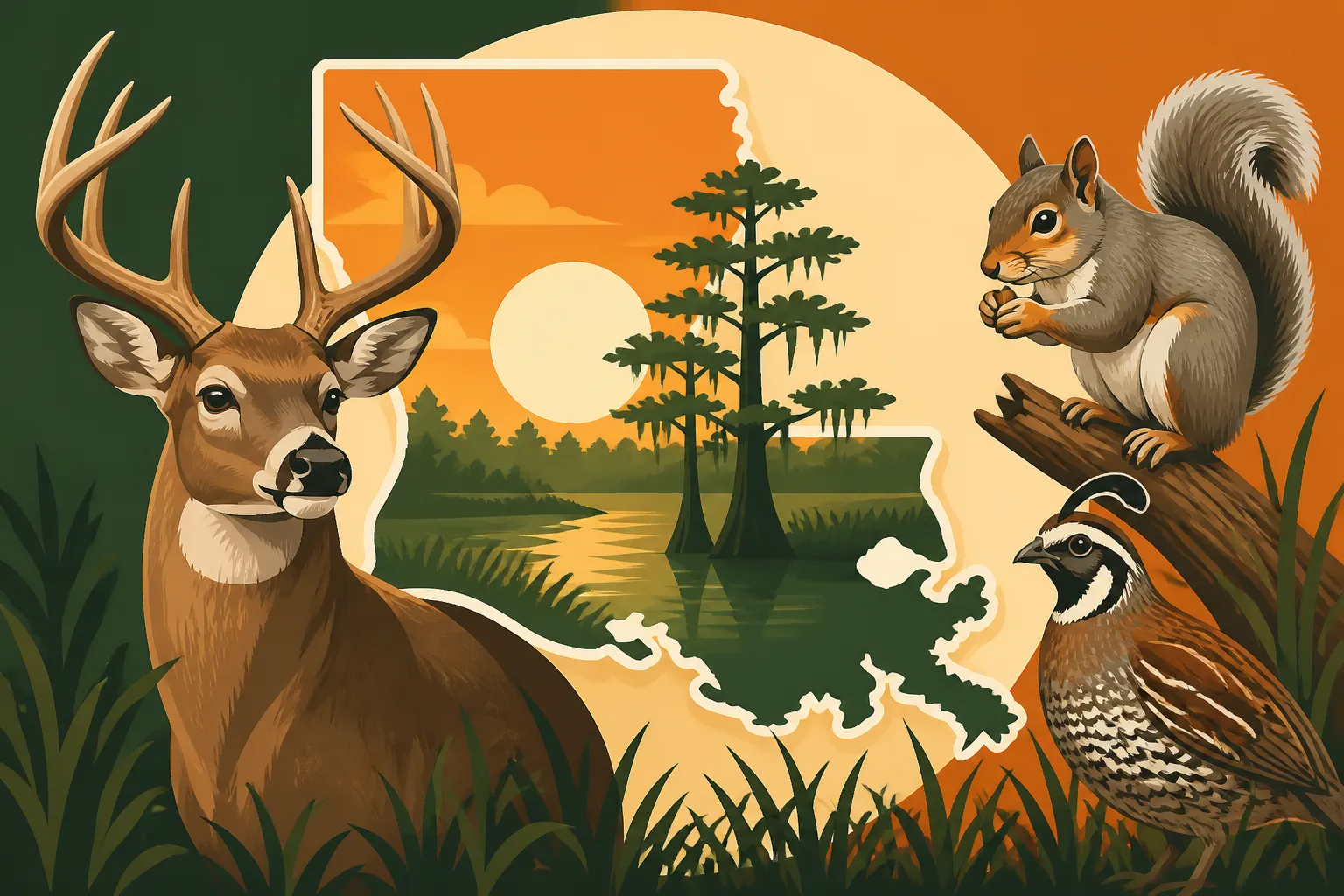
It’s a familiar scenario for many Louisiana hunters: you’re deep in deer season, eagerly anticipating a big buck, but then you hear the tell-tale rustle of squirrels in the oaks or see a rabbit darting across the trail. The truth is, our deer seasons often run concurrently with various small game seasons, leaving many of us wondering how to best manage these overlapping opportunities. This guide will walk you through the nuances of hunting deer and small game simultaneously in Louisiana, offering practical advice to make the most of your time in the woods.
Understanding Louisiana's Overlapping Seasons
Louisiana is a paradise for hunters, offering incredibly generous seasons for a variety of game. This often means that while you're focused on a trophy buck, the woods are also teeming with squirrels, rabbits, and other small game, all fair game under the right conditions. This overlap isn't an accident; it's a reflection of wildlife management strategies and the ecological cycles of our state.
Why Seasons Coincide
The main reason for these overlaps often comes down to biological windows and hunter opportunity. Deer seasons, especially archery and primitive firearms, open earlier in many areas, aligning with cooler weather and the pre-rut or early rut periods. Small game like squirrels and rabbits, which have longer, more stable populations, are often open for much of the fall and winter, coinciding with these deer seasons. It maximizes hunter access during prime outdoor recreation times, especially when the weather is finally bearable after our long, hot summers. This creates a unique challenge and opportunity for hunters who want to pursue multiple species. For instance, the general squirrel season typically opens in October and runs through February, covering nearly the entire deer firearms season in most areas.
Key Deer Season Dates by Area
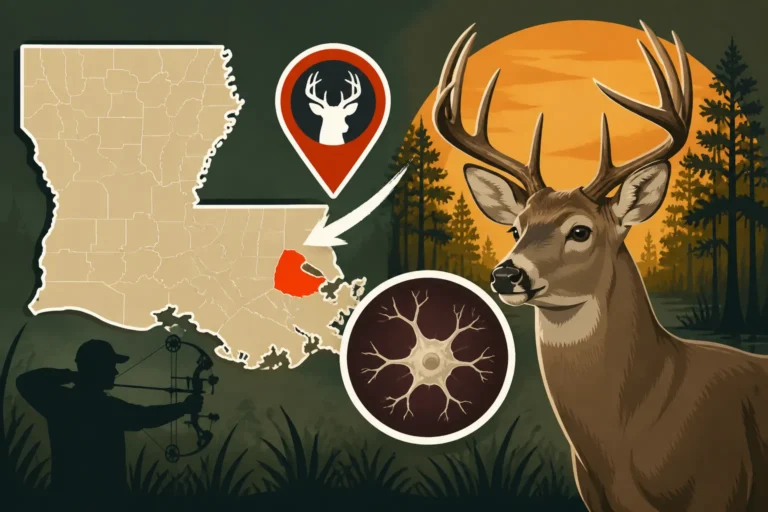
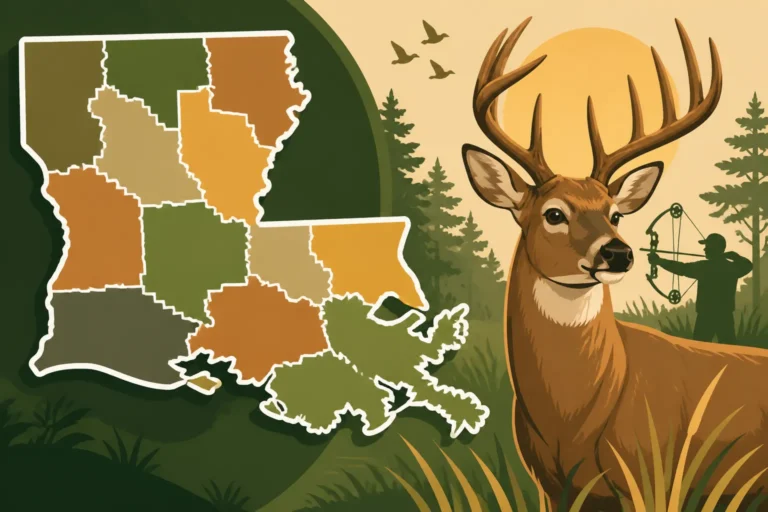
Louisiana's deer season structure is quite complex, with ten different deer areas, each boasting its own set of opening and closing dates for archery, primitive firearms, and modern firearms. This staggered approach means the specific overlap you experience will depend heavily on where you're hunting. For example, Areas 3, 7, 8, and 10 might have earlier firearms openings, sometimes in early November, which can intensify hunting pressure earlier. Meanwhile, areas like 5, 6, and 9 enjoy an incredibly long either-sex window, extending deep into January or even February, which overlaps significantly with the peak small game season. Understanding your specific deer area's regulations is crucial. You can dive deeper into the specifics by reading up on Louisiana's Ten Deer Hunting Areas Explained. Knowing when the gun seasons kick off in your preferred hunting spot is paramount, as it dictates the level of human activity you'll encounter.
Small Game Season Overview
While deer regulations grab a lot of headlines, Louisiana offers fantastic opportunities for small game. Squirrel season generally kicks off in early October and extends well into February, providing ample time to fill a game bag. Rabbit season usually follows a similar pattern, often starting in October and running through February. Quail and dove seasons, while shorter and often with more specific dates, can also have some overlap, particularly in the early fall. Woodcock and snipe seasons tend to be later in the year, often opening in December, further adding to the mix of available game during the heart of deer season. This creates a vibrant, bustling ecosystem for hunters, but it also necessitates careful planning and awareness. For those interested in Squirrel and Small Game Hunting in Louisiana, it's worth noting how much of that season often falls within the deer hunting calendar.
Navigating Public Lands During Overlap
Public lands, while offering incredible access and diverse habitats, can become quite crowded during periods when multiple hunting seasons are open. This influx of hunters, all with different objectives, requires a thoughtful approach to ensure safety and success.
Increased Hunter Pressure
Let's be real, public land during deer gun season can feel like a carnival sometimes. When deer and small game seasons overlap, especially on popular Wildlife Management Areas (WMAs) or sections of Kisatchie National Forest, you’re not just competing with other deer hunters; you're also sharing the woods with squirrel dog hunters, rabbit hunters, and perhaps even waterfowl hunters if you're near a flooded timber area. This increased pressure can make deer incredibly wary and push small game into thicker cover. You'll encounter more vehicles, more foot traffic, and the general cacophony of a busy hunting season. It's not uncommon to hear multiple shots from different directions throughout the day, which can definitely impact deer movement and the willingness of a gobbler to sound off later in the season. Utilizing tools like the GoHunt app can sometimes help you identify less-traveled sections of public land or private timber company lands with public access.
Strategies for Success
To combat increased pressure, consider hunting mid-week if your schedule allows, as weekends are always the busiest. Focus on areas that are harder to access, such as remote sections of the Atchafalaya Basin requiring a boat, or walking further than most hunters are willing to go on WMAs. Scouting before the season, even with all the other hunters, can reveal hidden pockets of activity. Pay attention to pinch points, creek crossings, and changes in elevation where deer might funnel to avoid pressure. For small game, this often means working the fringes of thick cover or looking for less disturbed oak bottoms. If you're chasing squirrels, consider hunting later in the morning after the initial flurry of deer hunters has settled in, as they might be less disturbed. Learning how to identify Finding Ground Others Walk Past can be a game-changer when trying to escape the crowds.
WMA Specific Rules and Considerations
Wildlife Management Areas (WMAs) are fantastic resources, but they often have very specific regulations regarding which species can be hunted when, especially during deer season. Many WMAs will have a general small game season that is open concurrently with the archery and primitive firearms deer seasons. However, once the WMA's modern firearms deer season opens, small game hunting may be restricted to certain days, specific areas, or even completely closed to minimize conflicts and ensure safety. Always, always check the current WMA hunting pamphlet for the specific area you plan to visit. What might be legal on one WMA, like Sherburne WMA, could be prohibited on another, like Richard K. Yancey WMA. These rules are put in place for safety and game management, so it's critical to respect them. For instance, some WMAs might prohibit small game hunting with dogs during gun deer season. Tools like the GoHunt app can also provide real-time updates and WMA-specific regulations, saving you a headache.
Tactics for Multitasking Hunters
So, you've got deer on the brain, but those bushy-tails are just too tempting to pass up. How do you approach a hunt where you're open to harvesting multiple species? It requires a blend of planning, versatility, and realistic expectations.
Prioritizing Your Quarry
Before you even step out of the truck, decide what your primary goal is. Are you truly out there for a deer, and small game is just a bonus if the opportunity arises? Or are you content to harvest some squirrels or rabbits even if a deer doesn't show? Your priority will dictate your stand placement, your firearm choice, and even your hunting pace. If a deer is your main target, you'll still focus on prime deer habitat, quiet entry and exit, and remaining scent-free. If small game is a priority, you might be more mobile, focusing on food sources like oak ridges for squirrels or dense briar patches for rabbits. The GoHunt platform allows you to scout for different game types simultaneously, helping you understand where prime habitat for both might converge. It's about setting clear intentions so you're not constantly second-guessing your strategy.
Gear Adjustments for Mixed Bag Hunts
This is where things get interesting. If you're carrying a deer rifle, you're obviously set for deer. But what about small game? A shotgun, while versatile for small game, might not be your first choice for a long-range deer shot. Many hunters opt for a .22 rifle if small game is a secondary target, but you can't carry both a deer rifle and a .22 simultaneously on public land in many scenarios.
Here's a breakdown of common gear adjustments:
| Primary Target | Firearm Considerations | Small Game Options |
|---|---|---|
| Deer (Archery) | Bow/Crossbow | Small game with small game head on arrow (check regs) |
| Deer (Primitive) | Muzzleloader, Single-shot rifle/shotgun | Can be used for small game if legal (check caliber/gauge) |
| Deer (Modern Firearm) | Centerfire rifle, Shotgun (slugs) | Shotgun with small game load (if legal) or .22 pistol/rifle (if multi-firearm carry allowed) |
| Small Game | Shotgun, .22 rifle | Opportunistic deer with shotgun slugs or small caliber rifle (if legal for deer) |
Often, a good compromise is a shotgun loaded with slugs or buckshot for deer, with a few small game loads (like #6 or #7.5 shot) tucked away for squirrels or rabbits. Just be sure to double-check local regulations on shot size and projectile types, especially on WMAs. For bowhunters, carrying a small game head for your arrows can offer an ethical and legal way to harvest squirrels or rabbits if the opportunity arises. Understanding Louisiana Legal Firearms for Deer Hunting is crucial before making any gear choices for a mixed bag hunt.
Ethical Considerations and Safety
Safety should always be your number one priority. During overlapping seasons, this becomes even more critical due to increased hunter numbers and potentially different types of hunting occurring simultaneously.
- Blaze Orange: If you're hunting during any modern firearms deer season, Louisiana law requires you to wear hunter orange. Even if you're primarily pursuing small game with a shotgun, if deer gun season is open, wear your blaze orange. It's not just a recommendation; it's a legal requirement and a life-saver. For a deeper dive, check out Louisiana Blaze Requirement During Gun Season.
- Target Identification: Always be 100% sure of your target and what is beyond it. A deer moving through thick brush might conceal a rabbit hunter, or a squirrel barking from an oak might be directly above another hunter's stand.
- Noise Awareness: If you're still-hunting for deer, the constant chatter of squirrel hunters or the bark of a rabbit dog can be disruptive. Similarly, if you're small game hunting, be mindful of where deer hunters might be set up.
- Respectful Conduct: Acknowledge that others are in the woods. Give other hunters space, avoid sky-busting at waterfowl if deer hunters are nearby, and always retrieve your game ethically.
It’s about striking a balance where you can enjoy both pursuits without compromising safety or the experience of others.
Maximizing Opportunities on Private Land
Private land offers a different dynamic compared to public land during overlapping seasons. With less external pressure and more control over access and habitat management, you can often tailor your hunting strategy more effectively.
Tailoring Your Approach
On private land, the concerns about hunter pressure from strangers are significantly reduced. This means you can often be more flexible in your approach. If you have a property rich in acorns, you can set up for squirrels in the morning and transition to a deer stand overlooking a food plot in the afternoon. You might even integrate a little still-hunting for rabbits in dense cover between your deer sits. Many private landowners specifically plant Green Field Planted for Deer which also attract small game, creating integrated opportunities. The key is to know your property and its potential. A good landowner or club manager will have a deep understanding of the land's potential for all species.
Managing Habitat for Multiple Species
For those who manage their private land, planning for overlapping seasons can be an intentional part of habitat work. Food plots designed for deer, like clover or winter wheat, often attract rabbits and even provide forage for squirrels. Leaving standing timber, especially mast-producing oaks and hickories, provides crucial food and cover for both deer and squirrels. Brush piles, often created from timber stand improvement, can offer excellent rabbit habitat. By thinking about the needs of multiple species, landowners can create a hunting paradise that offers a "mixed bag" experience throughout the season. This kind of holistic approach often leads to higher success rates for all targeted species.
Communication with Landowners/Club Members
On private leases or family land, clear communication is paramount. If you're planning to run squirrel dogs, make sure everyone in your hunting club is aware, especially if deer hunters might be sitting nearby. If you’re going to be walking a particular field for rabbits, let other members know your intentions to avoid any surprises. This open dialogue helps prevent conflicts and ensures everyone has a safe and enjoyable hunt. Many hunting clubs have specific rules or traditions around small game hunting during deer season. For instance, some might restrict dog hunting to certain days or areas during the peak of the deer rut. It's always best to be upfront and collaborative, especially when using tools like GoHunt to track movements or share information within your private hunting group.
Overlapping Season Scenarios and Considerations
To give you a clearer picture, here's a table outlining common overlap scenarios you might encounter in Louisiana. Remember, specific dates and regulations can vary, so always consult the current LDWF hunting guide.
| Primary Game | Overlapping Small Game | Typical Season Overlap (General) | Key Considerations |
|---|---|---|---|
| Deer (Archery) | Squirrel, Rabbit, Dove | Mid-October to Mid-November | Minimal hunter pressure for deer; stealth is key for both. |
| Deer (Primitive) | Squirrel, Rabbit, Woodcock | Early November to Mid-December | More pressure than archery, but still quieter than gun season. |
| Deer (Modern Firearm) | Squirrel, Rabbit, Snipe, Woodcock | Mid-November to End of January | Highest hunter pressure; blaze orange mandatory; WMA restrictions common. |
| Waterfowl | Squirrel, Rabbit | November to January | Focus on marsh/flooded timber; small game incidental near upland edges. |
This table provides a snapshot, but the reality on the ground in Louisiana is dynamic. Weather, mast crops, and localized pressure can all influence what you encounter. For example, if you're trying to hunt deer and squirrels in the same area during Hunting the Atchafalaya Basin, the sheer density of cover can make it challenging but also offers excellent opportunities for both if you're patient and know the terrain. Similarly, during Hunting North Louisiana's Piney Hills, the rolling terrain and pine plantations provide distinct habitats for deer and small game that can be worked separately or together.
Disclaimer
Please remember that hunting regulations, season dates, and specific rules for Wildlife Management Areas (WMAs) in Louisiana can change annually. It is your responsibility to consult the most current Louisiana Department of Wildlife and Fisheries (LDWF) hunting regulations pamphlet or visit their official website before heading into the field. This article is for informational purposes only and should not be considered a substitute for official legal guidance.