Minimum Caliber for a Primitive Firearms Rifle
Navigating the ever-changing landscape of hunting regulations in Louisiana can sometimes feel like trying to track a mature buck through a hurricane. One area that often causes a bit of head-scratching, especially for those new to or considering the primitive firearms season, involves the specific rules around what kind of rifle you can actually use. This guide aims to clear up all the confusion surrounding the minimum caliber for a primitive firearms rifle, ensuring you’re legal, safe, and ready for your next hunt.
Understanding Louisiana's Primitive Firearms Season Rules
Louisiana offers a unique opportunity for hunters to engage in deer season using what are termed "primitive firearms." This isn't just about throwing back to a bygone era; it's a carefully structured season designed to extend hunting opportunities and manage deer populations, often falling between the archery and general firearms seasons, or running concurrently with them depending on the deer area. The season provides a specific window where hunters can pursue deer with certain types of weapons, adding a distinct challenge and experience to their time afield.
The intent behind the primitive firearms season is to encourage the use of traditional hunting methods while still allowing for modern safety and ethical harvest. It’s a fantastic way to experience the woods with a different kind of focus, often requiring a more deliberate approach to stalking and shot placement. However, the specific rules can be a bit intricate, and misunderstanding them can quickly turn a hopeful hunting trip into a frustrating encounter with a game warden. Staying informed, perhaps by regularly checking the Louisiana Department of Wildlife and Fisheries (LDWF) website or using a reliable hunting app like GoHunt, is paramount.
The Specific Caliber Requirements for Rifles
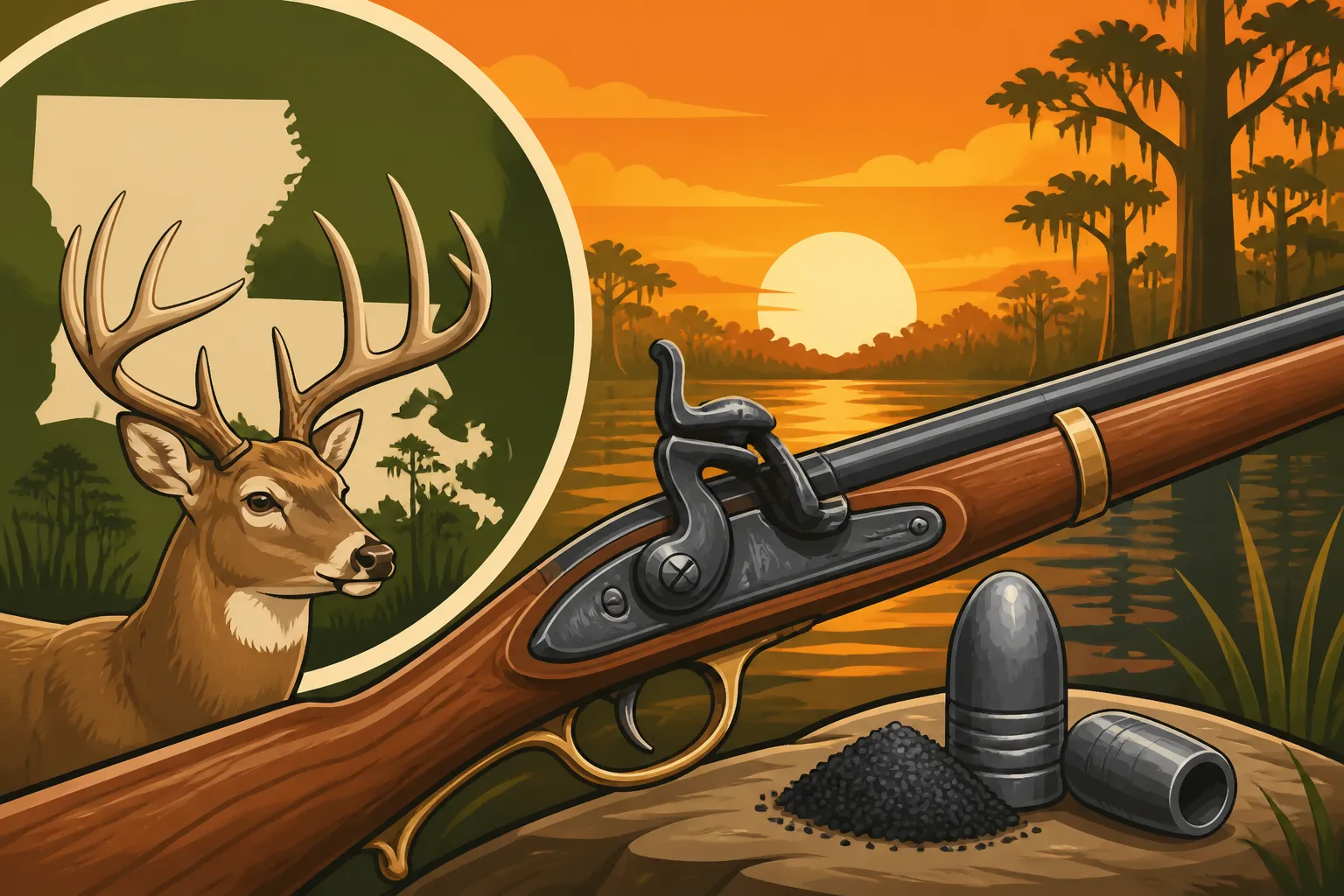
When it comes to primitive firearms rifles in Louisiana, the law is quite clear: you must use a rifle that is .36 caliber or larger. This isn't a suggestion; it's a hard and fast rule. This means that if you're eyeing that beautiful .32 caliber percussion rifle, it simply won't cut it for deer hunting during this specific season in Louisiana. The .36 caliber minimum applies to both muzzleloading rifles and single-shot, breech-loading rifles that meet the other primitive firearms criteria. It's a critical detail that often gets overlooked by hunters accustomed to centerfire rifle calibers where smaller options are widely accepted for deer.
This regulation ensures that the firearms used have sufficient knockdown power for an ethical harvest of white-tailed deer. A projectile of .36 caliber or larger, when properly placed, delivers enough energy to humanely dispatch a deer, minimizing the chance of wounding and losing an animal. Remember, ethical hunting isn't just about following the rules, it's about respecting the game and ensuring a quick, clean kill. Always double-check your rifle's caliber stamp before heading into the woods, especially if you're borrowing a firearm or trying something new for the season.
Why These Regulations Exist
These specific caliber regulations aren't arbitrary; they are rooted in a combination of ethical hunting practices, public safety, and wildlife management principles. The LDWF sets these minimums to ensure that hunters are using equipment capable of making a clean, ethical kill on a deer. A projectile that is too small might wound an animal without delivering a lethal blow, leading to unnecessary suffering and a lost deer, which goes against the core tenets of conservation and fair chase. The .36 caliber minimum is a widely accepted threshold for medium-sized game like deer, providing a balance between historical firearm types and modern ethical standards.
Beyond ethics, safety is always a consideration. While primitive firearms typically have lower velocities and ranges compared to modern centerfire rifles, ensuring adequate projectile mass and energy helps reduce the chances of a projectile failing to penetrate or deflecting unpredictably. Furthermore, by defining what constitutes a "primitive firearm" and its associated limitations, the LDWF can manage hunting pressure and harvest rates during different seasons, ensuring sustainable deer populations across Louisiana's diverse habitats. Understanding the why behind the rules often makes them easier to follow and appreciate.
What Qualifies as a Primitive Firearm in Louisiana
The term "primitive firearm" itself can be a bit misleading for new hunters, making them think only of flintlocks or historically accurate replicas. In Louisiana, the definition is a bit broader and includes a few different types of weapons beyond just traditional muzzleloaders. Knowing what’s allowed is just as important as knowing the minimum caliber for a primitive firearms rifle. This distinction allows a wider range of hunters to participate while still maintaining the spirit of the special season. It’s about slowing down, making your shots count, and connecting with the hunt in a more foundational way.
Hunters should always refer to the official Louisiana Hunting Licenses and What They Cost guide and the specific regulations for the current year, as rules can sometimes be updated. This will help you identify what constitutes a legal primitive firearm under Louisiana rules, rather than relying on hearsay or outdated information.
Single-Shot, Breech-Loading Rifles
Perhaps one of the most popular and often misunderstood "primitive firearms" is the single-shot, breech-loading rifle. These are essentially modern rifles designed to fire one shot at a time, where you manually load a cartridge into the breech for each shot. Think of classic break-action single shots or some lever-action rifles that are modified to function as single-shots (though most lever actions are not primitive legal as they are repeaters). The key here is "single-shot" and "breech-loading." Many hunters opt for these for their reliability and ease of use compared to some muzzleloaders, especially if they are used to modern firearms.
For these rifles, the same .36 caliber minimum applies. Common calibers for single-shot, breech-loading rifles used in primitive season might include the .44 magnum, .45-70 Government, or .35 Whelen, all of which easily exceed the .36 caliber requirement. These calibers offer excellent performance on deer and can be very accurate. However, it's critical to remember that the rifle must be capable of holding only a single round of ammunition. No magazines, no tubular feeds; just one round loaded at a time. This constraint, along with the caliber, ensures they fit within the primitive definition. If you're considering Hunting a Single-Shot Breechloader Weekend it's definitely worth getting familiar with your specific rifle and its capabilities.
Muzzleloaders and Shotguns
Beyond the single-shot, breech-loading rifles, traditional muzzleloaders are, of course, a cornerstone of primitive firearms season. This includes flintlock, percussion, and inline muzzleloaders. For muzzleloading rifles, as mentioned, the minimum caliber is .36 caliber or larger, again ensuring sufficient energy for a humane harvest. Muzzleloading shotguns are also permitted, provided they are 10 gauge or smaller and shoot a single projectile, like a slug, rather than shot. This means you can't use your duck hunting shotgun with a modified choke and birdshot during primitive deer season.
It’s important to note that many modern inline muzzleloaders, while "primitive" in their loading method, incorporate features like scopes, advanced ignition systems, and highly accurate projectiles. These are often allowed, but hunters should always verify specific rules regarding scopes and ammunition types. For shotguns, the restriction to a single projectile, such as a rifled slug, further emphasizes the intent for deer hunting. You're not trying to pepper a deer with buckshot; you're aiming for a precise, powerful hit. When preparing for this season, a good resource to consult is the comprehensive guide on Choosing Legal Primitive Firearms Gear.
Ammunition and Equipment Considerations for Primitive Season
It's not just the firearm itself that needs to meet the criteria; the ammunition and even certain accessories you use during primitive firearms season in Louisiana also fall under specific regulations. Getting these details right is crucial for a lawful hunt. The LDWF is very particular about what's allowed, and for good reason – these rules contribute to both hunter safety and the ethical pursuit of game. Don't let a small oversight lead to a big problem while you're out enjoying the woods.
Before heading out, take the time to verify all aspects of your setup. This might mean practicing with your specific load, ensuring your primitive rifle is sighted in with the legal ammunition, and reviewing any restrictions on optics or other accessories. Many hunters find that apps like GoHunt can be invaluable for quickly accessing and cross-referencing these regulations on the go, providing peace of mind when you're far from home or cell service.
Legal Ammunition Types
For primitive firearms rifles, the type of ammunition you can use is generally limited to single-projectile loads. This means you'll be using bullets or saboted projectiles, not birdshot or buckshot. For muzzleloaders, this typically includes patched round balls, conical bullets, or saboted projectiles designed for muzzleloading. For single-shot, breech-loading rifles, you’ll be using factory-loaded or hand-loaded cartridges that fire a single bullet. The key is that the projectile must be a solid, single piece of lead or another approved material, designed for hunting big game.
It's also worth noting that in certain areas or for specific hunts, there might be additional restrictions, such as lead-free projectile requirements, though these are less common in Louisiana. Always check the specific regulations for the Wildlife Management Area (WMA) or public land you plan to hunt. The goal is to ensure that the ammunition provides maximum impact and penetration to achieve a clean kill on deer, complementing the minimum caliber requirement.
Scopes and Sights
One common question among primitive firearms hunters is about optics. Can you use a scope on your primitive firearm in Louisiana? The answer, thankfully, is generally yes! Louisiana regulations typically allow for the use of scopes, red dot sights, and other optical sighting devices on primitive firearms. This is a significant advantage for many hunters, as it allows for greater precision, especially at longer ranges or in low light conditions often encountered during early morning or late evening hunts. This modern convenience helps ensure ethical shot placement, even with a more "primitive" weapon platform.
However, like all things in hunting regulations, there can be nuances. While most modern scopes are allowed, always be aware of any specific prohibitions on electronic enhancements like laser sights (which are generally not permitted for big game hunting). The spirit of the primitive season is maintained by the firearm's loading mechanism and caliber, allowing flexibility with sighting systems to promote accuracy. So go ahead, mount that low-power variable scope, zero it in, and hunt with confidence, knowing you have the tools for an accurate shot.
Practical Hunting Advice for Louisiana's Primitive Season
Beyond the regulations, successfully hunting during Louisiana's primitive firearms season requires a thoughtful approach. It’s a chance to truly slow down and connect with the rhythm of the woods. Whether you’re deep in the Hunting the Atchafalaya Basin or quietly working a ridge in Kisatchie National Forest, understanding how to adapt your tactics for a single-shot rifle can make all the difference. This season often tests patience and skill in a way that modern firearms seasons sometimes don't.
Empathy with the game and understanding their movements become even more critical when you have only one shot, or at best, a very slow second shot. It forces you to get closer, pick your shot carefully, and truly appreciate the challenge.
Scouting Specifically for Primitive Firearms
Scouting is always crucial for deer hunting, but it takes on an elevated importance for primitive firearms season. Since you're typically dealing with a single-shot weapon that might have a shorter effective range than a modern centerfire rifle, getting closer to your quarry is key. This means focusing your scouting efforts on identifying tighter travel corridors, pinch points, and feeding areas where deer are likely to pass within your comfortable shooting range. Using tools like aerial maps on GoHunt to pinpoint natural funnels or dense bedding areas can be incredibly effective.
Look for fresh sign: rubs, scrapes, and heavy trails. Consider how the deer are using the terrain, especially if you're Reading a Ridge for Central Louisiana Deer or understanding how they move through thick bottomland. Pay attention to late-season food sources like acorns or planted food plots. Your goal is to anticipate where a deer will be and position yourself for a high-percentage shot within the ethical range of your firearm. This deliberate pre-season work can greatly increase your odds of success once the season arrives.
Shot Placement and Tracking with Primitive Firearms
With a primitive firearm, every shot counts. The slower reloading time, especially with a muzzleloader, means there's often no quick follow-up. This puts an immense premium on precise shot placement. You'll want to aim for the vitals—the lung and heart area—to ensure a swift and humane kill. Practice is vital. Spend time at the range, not just punching paper, but practicing shooting from realistic hunting positions, like offhand or from a tree stand. Understand your rifle's capabilities and your own limitations.
Even with a well-placed shot, tracking a deer can sometimes be challenging, especially in Louisiana’s dense cover. If you make a good shot, listen for the tell-tale "thump" and observe the deer's reaction. Give the animal time before you begin tracking, especially if the shot wasn't immediately lethal. Learn how to Track a Deer Through Louisiana Leaf Litter or through swampy terrain. Look for blood, broken twigs, and disturbed leaves. Having a good tracking dog, if legal in your area and practical for your hunt, can also be a game-changer. Remember, the goal is always a respectful and successful recovery.
Weathering the Elements During Primitive Season
Louisiana weather can be fickle, especially during the fall and winter hunting seasons. From warm, humid days to sudden cold fronts, primitive firearms hunters need to be prepared for it all. For muzzleloaders, moisture is the enemy. Rain or heavy dew can dampen powder and primers, leading to misfires. Always protect your muzzleloader's lock and muzzle from the elements. Many hunters use plastic covers or tape to keep moisture out. Similarly, extreme cold can affect powder ignition and performance.
For all primitive firearms, consider the impact of weather on deer behavior. A sudden cold front might make deer more active, feeding heavily. A warm spell, on the other hand, could keep them bedded down longer. Adjust your hunting strategy accordingly. If it's warm, focus on water sources or shaded bedding areas. If it's cold, prioritize fresh food sources. Understanding Hunting After a Poor Acorn Year or how deer move after a cold front can greatly influence your success. Being prepared for the weather, both in terms of your gear and your hunting tactics, is a hallmark of a seasoned Louisiana hunter.
| Firearm Type | Minimum Caliber (Rifles) | Shotgun Gauge | Ammunition Type | Sights/Optics | Special Notes |
|---|---|---|---|---|---|
| Muzzleloading Rifle | .36 Caliber or larger | N/A | Single Projectile (Round Ball, Conical, Saboted) | Scopes, Red Dots, Iron Sights | Must be loaded from the muzzle. Flintlock, Percussion, and Inline are typically allowed. |
| Single-Shot, Breech-Loading Rifle | .36 Caliber or larger | N/A | Single Cartridge, Single Projectile | Scopes, Red Dots, Iron Sights | Must only hold one round of ammunition in the chamber. No magazines or tubular feeds. |
| Muzzleloading Shotgun | N/A | 10 Gauge or smaller | Single Projectile (Slug) | Iron Sights, Shotgun Scopes | Cannot use shot (buckshot or birdshot). |
Disclaimer
Please remember that hunting regulations, seasons, and licensing requirements in Louisiana are subject to change. While this guide provides comprehensive information, it is always your responsibility as a hunter to consult the most current Louisiana Department of Wildlife and Fisheries (LDWF) regulations pamphlet or their official website before heading into the field. This article is intended for informational purposes only and does not constitute legal advice.