Louisiana Carcass Movement Restrictions
The thrill of a successful deer hunt in Louisiana, whether deep in the Kisatchie National Forest or a private lease in the Florida Parishes, can quickly turn to confusion when you start thinking about getting your harvest home. The rising concern over Chronic Wasting Disease (CWD) has brought with it a complex web of regulations, especially regarding how you can transport deer carcasses. It’s enough to make any hunter scratch their head and worry about accidentally breaking a rule. This guide is here to clear up the confusion, providing a detailed look at Louisiana's carcass movement restrictions, helping you stay compliant and protect our deer herd.
Understanding Louisiana's CWD Challenge
Chronic Wasting Disease is one of the most significant threats facing deer populations across North America, and unfortunately, it has found its way into Louisiana. This neurological disease is always fatal to cervids, including white-tailed deer, elk, and moose, and understanding its nature is the first step in appreciating why these movement restrictions are so vital.
The Growing Concern of Chronic Wasting Disease
CWD is caused by abnormal proteins called prions, which slowly damage the brain and nervous system of infected animals. Unlike bacteria or viruses, prions are incredibly resilient and can persist in the environment for years, making them difficult to eradicate. An infected deer may not show symptoms for a year or more, but once symptoms appear – like extreme weight loss, stumbling, drooling, and a vacant stare – the disease always leads to death. The scariest part? It spreads through direct animal-to-animal contact, as well as through bodily fluids like saliva, urine, and feces, and even through contaminated soil and plants.
Here in Louisiana, the threat of CWD is very real, and the Louisiana Department of Wildlife and Fisheries (LDWF) is working tirelessly to monitor and mitigate its spread. For hunters, this means we all have a critical role to play in slowing this disease down, and adhering to carcass movement restrictions is a huge part of that responsibility. It’s not just about following the law; it’s about protecting the future of White-Tailed Deer Across Louisiana for generations to come.
Louisiana's Initial CWD Response
The game changed for Louisiana hunters in January 2022 when the first confirmed case of CWD was detected in a white-tailed deer harvested in Tensas Parish. This discovery immediately triggered a swift and comprehensive response from the LDWF. They established a CWD Management Zone (CMZ) around the detection site, implementing a range of regulations aimed at containing the disease. This was a challenging moment for the hunting community, bringing home the reality that CWD was no longer a distant problem but one right in our own backyard.
The immediate actions included increased surveillance, mandatory testing in specific areas, and, critically, strict rules about Louisiana Carcass Movement Restrictions. The goal was, and remains, to prevent the accidental transportation of infected deer parts, particularly those known to harbor high concentrations of prions, from one area to another. This proactive approach is essential because once CWD becomes established in an area, it is incredibly difficult, if not impossible, to eliminate.
Navigating the CWD Management Zone (CMZ)
Understanding the specific geographic areas impacted by CWD is crucial for every hunter in Louisiana. The LDWF has established a CWD Management Zone (CMZ) that includes both an Enhanced Mitigation Zone (EMZ) and a Buffer Zone, each with its own set of rules and guidelines. Knowing where you are hunting in relation to these zones will dictate how you need to handle your harvested deer. Many hunters find resources like the GoHunt app incredibly useful for visualizing these zones in the field, helping them make informed decisions on the fly.
Defining the Enhanced Mitigation Zone and Buffer Zone
The CWD Management Zone is a dynamic area, defined and adjusted by the LDWF based on the latest CWD detections and scientific understanding. Currently, it encompasses parishes like Tensas and parts of Franklin, Madison, and Concordia, but these boundaries can and do shift. The CMZ is essentially split into two distinct parts:
- Enhanced Mitigation Zone (EMZ): This is the core area where CWD has been detected. It’s typically a smaller, more concentrated area directly surrounding positive CWD cases. Within this zone, the rules are the most stringent, including mandatory testing and the strictest carcass movement restrictions. For example, if you harvest a deer in the EMZ, you’ll face significant limitations on what parts you can legally take out of that area. This is where hunters need to be extra diligent.
- Buffer Zone: This zone surrounds the EMZ and serves as a precautionary perimeter. While CWD may not have been detected directly within the buffer zone, it’s considered at higher risk due to its proximity to infected areas. The regulations in the buffer zone are generally less restrictive than the EMZ, but still more so than outside the entire CMZ. Hunters in the buffer zone, for instance, might not have mandatory testing requirements, but specific carcass parts still might not be allowed to leave the broader CWD Management Zone without proper processing. Understanding these nuances is critical to avoid any issues with game wardens.
It's a lot to keep track of, and the frustration is understandable. Imagine spending days scouting, executing a perfect hunt, and then realizing you can't transport your entire deer home because you didn't check the latest zone maps. That's why tools and constant vigilance are so important. The LDWF website is the official source, but supplemental tools that help you visualize these zones on your phone are invaluable for ensuring compliance, especially when you’re out in the woods where cell service can be spotty.
Mandatory Testing and Reporting Requirements
For hunters harvesting deer within the Enhanced Mitigation Zone, mandatory CWD testing is a reality. This isn't just a suggestion; it's a legal requirement designed to monitor the spread of the disease and gather crucial data. After harvesting a deer in the EMZ, hunters are typically required to submit the deer's head for CWD testing within a specific timeframe, often by The Louisiana Deer Reporting Deadline. This involves bringing the deer's head, with at least four inches of neck attached, to an official LDWF sampling station. These stations are often set up conveniently during deer season in the affected parishes.
The process for submitting samples is usually straightforward. You’ll need your harvest tag number and contact information. The LDWF will then collect tissue samples from the lymph nodes and brainstem. While you wait for the results, the carcass movement restrictions still apply, meaning you can't transport certain parts out of the EMZ. It’s an inconvenience, no doubt, but it’s a vital step in understanding the prevalence of CWD. More detailed information on this can be found in our guide on Louisiana CWD Testing for Hunters. For hunters relying on digital tools, some mapping platforms, including GoHunt, are integrating these sampling station locations, making it easier to find the nearest drop-off point after a successful hunt.
Louisiana Carcass Movement Restrictions Explained
Now we get to the heart of the matter: what you can and can't do with your deer after the shot, especially if you’re hunting in or near a CWD Management Zone. These rules are in place for a very specific reason – to prevent the spread of CWD prions, which are concentrated in certain parts of the deer's anatomy. Understanding these rules is crucial, whether you’re quartering a deer in the field or planning to take it to a processor.
Restrictions on Deer Harvested Within the Enhanced Mitigation Zone
If you’ve harvested a deer within Louisiana’s Enhanced Mitigation Zone (EMZ), the regulations are quite strict. The primary goal is to prevent any high-risk parts from leaving the zone. What does this mean in practical terms?
You cannot transport whole deer carcasses, or any parts containing brain or spinal cord tissue, out of the EMZ. This includes the skull (unless it’s a clean skull cap or taxidermy-ready skull with brain matter removed), spinal column, and certain lymph nodes. The prions that cause CWD are most concentrated in the brain, spinal cord, eyes, and lymph nodes. By restricting the movement of these parts, the LDWF aims to keep potential contamination localized.
So, what can you take out of the EMZ?
- Deboned meat: This is the safest and most compliant option. All bones, including the spinal column and skull, must be removed.
- Clean skull plate: This means the top portion of the skull with antlers attached, after all brain matter and tissue have been removed and the skull plate has been thoroughly cleaned.
- Clean antlers: Antlers with no skull plate or tissue attached are generally allowed.
- Hides: Untanned hides are usually permissible.
- Clean teeth: Removed teeth are also typically allowed.
This "clean rule" means that if you plan to transport your deer out of the EMZ, you need to be prepared to do some serious field processing. This might involve quartering the deer and deboning it right there in the woods or at a temporary processing station within the EMZ. It’s a significant shift for many hunters who are used to simply tagging a deer and loading it whole onto a truck, but it’s a necessary measure to protect the broader deer population.
Regulations for the CWD Buffer Zone
While the Enhanced Mitigation Zone has the most restrictive rules, the surrounding Buffer Zone also has specific regulations that hunters need to be aware of. The idea here is to create an extra layer of protection around the known CWD positive areas. The regulations in the Buffer Zone are generally less stringent than the EMZ, but they still impose limitations on carcass movement, and other activities like baiting may also be restricted, as detailed in our discussion on The CWD Buffer Zone Baiting Rules.
In the Buffer Zone, you may be able to transport whole carcasses within the buffer zone, or from the buffer zone into the EMZ (though why you'd want to is another question). However, if you are attempting to transport a whole carcass out of the entire CWD Management Zone (which includes both the EMZ and the Buffer Zone), you will likely face similar restrictions as the EMZ regarding high-risk parts. This means that even if you harvested your deer in the Buffer Zone, if you want to take it home to a parish outside the CMZ, you will likely need to follow the same deboned meat, clean skull cap, and antler-only rules.
It’s about containment. Think of it like this: the Buffer Zone is designed to catch anything that might have slipped out of the EMZ, or to prevent infected animals from moving into uninfected areas. Therefore, the same principle of not moving high-risk parts across the full CMZ boundary applies. Always check the most current LDWF regulations because these zones and their rules are subject to change as more CWD data becomes available.
Practical Steps for Hunters to Comply
Navigating CWD carcass movement restrictions doesn't have to be a nightmare, but it does require preparation and a willingness to adapt your post-harvest routine. For many Louisiana hunters, accustomed to a more traditional approach, this means learning new skills or at least bringing different tools into the field.
Field Dressing and Processing Considerations
If you find yourself hunting within or planning to transport a deer out of a CWD Management Zone, being prepared for extensive field dressing and processing is paramount. This isn't just about gutting the deer; it's about breaking it down into compliant parts.
- Bring the Right Tools: A good, sharp knife or two, a bone saw, game bags, and perhaps even a portable tarp or large plastic sheet will be essential. You’ll be doing more than just Field Dressing a Deer in Warm Weather; you'll be quartering and deboning.
- Quartering in the Field: Instead of dragging a whole deer out, quarter it where it falls. Remove the four major muscle groups (shoulders, hams) and the backstraps. Separate the neck meat.
- Deboning: For the strictest compliance, especially if leaving the EMZ, deboning is key. This means removing all meat from the bone. This eliminates the spinal column, ribs, and leg bones, all of which could potentially harbor prions.
- Skull Cap vs. Full Skull: If you want to keep the antlers, you'll need to remove the skull plate with a saw, ensuring all brain matter and attached tissue are completely removed and cleaned. If you want a full European mount, you'll need to transport the skull to a taxidermist within the CWD Management Zone for initial cleaning, or ensure they're approved to receive such parts if located outside the zone (which is rare). It’s crucial to understand that even if you're taking it to a local processor, they also must be aware of and comply with the CWD regulations. Before you even head out, knowing that you might be hunting in a CWD zone, perhaps by checking the latest maps on your GoHunt app, will influence what gear you pack.
Transporting Carcasses Across Zone Lines
Once you’ve processed your deer according to the regulations of the zone you’re in, the next step is transportation. This also has specific requirements to ensure compliance and minimize risk.
- Proper Packaging: Place deboned meat in sturdy game bags or coolers. Label everything clearly with your name, harvest tag number, and the parish of harvest. This helps with identification if you are stopped by law enforcement.
- Antlers and Skull Caps: Package antlers and clean skull caps securely. These are generally low-risk but should still be kept separate from other parts.
- Documentation: Always carry your valid hunting license and harvest tags. If you are required to submit a sample for CWD testing, ensure you have documentation of that submission, or at least are aware of the process and can direct a warden to the appropriate information.
- Route Planning: While not legally required, it’s often a good idea to plan your route to avoid passing through additional CWD zones if possible, just to minimize any potential confusion. Again, this is where a mapping tool like GoHunt can be incredibly helpful, allowing you to quickly check if your planned travel route inadvertently crosses another restricted area. Remember, the ultimate responsibility for legal transport rests with the hunter.
The "Do's and Don'ts" of Carcass Movement
To simplify, let's break down exactly what parts you can and cannot take with you when crossing out of a CWD Management Zone. This distinction is paramount and is where most hunters get tripped up. The key is understanding which parts of the deer are considered "high-risk" for carrying the infectious prions.
What You CAN Take Home
When you harvest a deer in a CWD Management Zone and need to transport it out of that zone to your home or processor elsewhere, you must ensure that only the low-risk parts travel with you. These are the parts that either do not contain prions or have had all prion-carrying tissues thoroughly removed and cleaned.
- Deboned Meat: This is the gold standard for compliance. All muscle tissue that has been completely separated from the bone, spinal column, and other nervous system tissues is permissible. This means your steaks, roasts, and ground venison are good to go, provided they’re truly deboned.
- Clean Skull Plate with Antlers: If you want to keep those hard-earned antlers, you absolutely can! But the skull plate must be completely free of brain matter, membranes, and other soft tissues. Think bleach-white bone, no fleshy bits. A good soak and scrub are usually required.
- Antlers Only: If you just want the antlers and don't care for the skull plate, you can remove them from the skull entirely.
- Hides: Untanned hides are generally considered low-risk and can be transported.
- Cleaned Teeth: Individual teeth, free of any soft tissue, are also permissible.
The underlying principle here is "no brain, no spinal cord, no lymph nodes." If you can confidently say those high-risk parts are either left behind in the zone or thoroughly removed and cleaned, you're generally in good shape. This also applies to considerations when you are Handling Venison From a CWD Management Zone for consumption.
What You CANNOT Take Home (and Why)
Conversely, there are very specific parts of a deer harvested in a CWD Management Zone that you absolutely cannot transport out of that zone. These restrictions are in place because these parts are known to contain the highest concentrations of CWD prions, and moving them poses the greatest risk of spreading the disease to new areas.
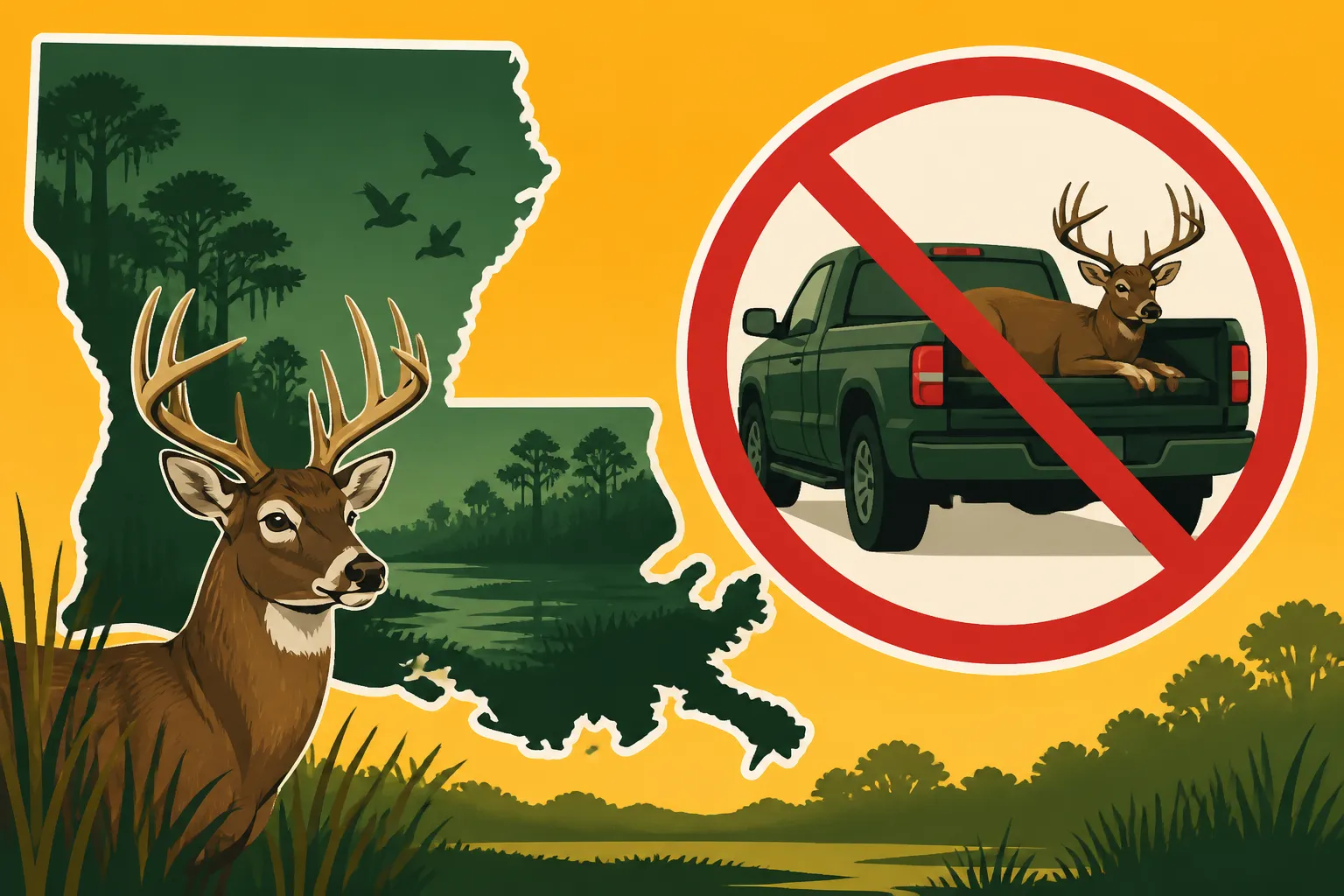
- Whole Carcasses: This means the entire deer, ungutted or gutted, with the skeletal structure largely intact. This is the primary prohibited item because it contains the full spinal column, brain, and other high-risk tissues.
- Spinal Column/Backbone: Even if you quarter the deer, the spinal column itself, which houses the spinal cord, is a no-go. This is why deboning is often required.
- Head (with brain matter): This includes the entire skull, especially if the brain is still present. This is the most crucial part to restrict due to the high prion concentration in the brain and surrounding tissues.
- Eyes and Lymph Nodes: These smaller tissues also contain prions and must be left in the zone or properly disposed of.
- Viscera (internal organs): While field dressing generally removes most of the viscera, ensure that all internal organs are left behind in the harvest zone, ideally where the deer fell, to decompose naturally.
The reasoning behind these prohibitions is clear: to prevent the physical movement of the infectious CWD prions. Leaving these high-risk materials in the area of harvest helps to contain any potential environmental contamination to that specific zone. This is why proper field processing, sometimes including leaving the backbone and head behind, is now a crucial skill for responsible hunters in CWD-affected regions.
Broader Implications and Hunter Responsibility
Understanding carcass movement restrictions is about more than just avoiding a ticket; it's about being a responsible steward of Louisiana's wildlife. The fight against CWD requires a collective effort, and hunters are on the front lines. Our actions, both individually and as a community, will determine the long-term health of our deer herd.
Preventing CWD Spread
Every hunter has a vital role in preventing the further spread of CWD. It's a daunting challenge, but by adhering to regulations and adopting best practices, we can make a significant difference. The main ways hunters can help include:
- Following Carcass Restrictions: This is the most direct way to prevent the movement of prions. If you hunt in a CWD zone, follow the rules for deboning, cleaning skull plates, and leaving high-risk parts behind.
- Proper Disposal: If you have to dispose of high-risk parts within a CWD zone, do so responsibly. This usually means leaving them at the harvest site to decompose naturally, or using designated collection bins if provided by the LDWF. Never discard carcasses or parts along roadsides or in unauthorized areas, as this can directly contribute to spreading the disease.
- Cleaning Equipment: After hunting in a CWD zone, thoroughly clean your knives, saws, ATV, boots, and any other equipment that came into contact with deer fluids or tissues. Prions can stick to surfaces, so a good wash with soap and water is recommended.
- Reporting Sick Deer: If you observe a deer exhibiting CWD symptoms—emaciation, abnormal behavior, drooling—contact the LDWF immediately. Early detection is key to managing outbreaks.
- Supporting Research and Management: Stay informed about LDWF initiatives and understand that regulations like mandatory testing, enhanced mitigation zones, and Louisiana's New CWD Management Zone Law are all part of a larger, science-based effort to protect our deer.
Staying Informed on Evolving Regulations
One of the biggest challenges with CWD is that the science and the regulations are constantly evolving. New cases can emerge, leading to expanded zones, updated testing protocols, or altered carcass rules. What was true last season might not be true this season. This is why continuous vigilance is absolutely essential for every Louisiana hunter.
- Official LDWF Sources: Always refer to the official Louisiana Department of Wildlife and Fisheries website for the most current and accurate information. They publish annual hunting regulations and provide specific CWD updates. It’s the ultimate authority.
- Sign Up for Alerts: Consider signing up for LDWF email or text alerts specific to CWD news. This ensures you receive timely notifications about changes to zones or regulations.
- Utilize Technology: Modern hunting apps, like GoHunt, are increasingly integrating CWD zone data directly into their mapping features. While these are excellent supplementary tools for real-time visualization in the field, always cross-reference with official LDWF publications. Use them to help you scout for Louisiana Public Land Hunting Hours or specific regulations in different zones, but double-check the fine print. These tools can give you a quick visual, but the written regulations are the final word.
- Talk to Fellow Hunters and Wardens: Engage with the hunting community and don't be afraid to ask questions. Game wardens are also a valuable resource and are there to help ensure compliance, not just to enforce rules.
By staying informed and adapting our hunting practices, we can collectively face the challenge of CWD head-on and continue to enjoy the incredible hunting opportunities that Louisiana offers.
Here's a quick summary of carcass movement rules to keep handy:
| Harvest Location | Allowed to Leave Zone (Processed) | Not Allowed to Leave Zone (Unless Fully Processed In-Zone) | Reasoning |
|---|---|---|---|
| Enhanced Mitigation Zone (EMZ) | Deboned meat, clean skull plate/antlers, hides, clean teeth | Whole carcass, spinal column, skull (with brain), eyes, lymph nodes, viscera | High concentration of CWD prions in brain/nervous tissue. Prevents direct spread. |
| Buffer Zone (BLOCKED) | Deboned meat, clean skull plate/antlers, hides, clean teeth | Whole carcass, spinal column, skull (with brain), eyes, lymph nodes, viscera | Precautionary. Prevents accidental spread from potentially exposed areas. |
| Outside CWD Zones | Whole carcass, deboned meat, skull/antlers, hides, etc. | No restrictions (unless traveling into a CWD zone with high-risk parts) | No detected CWD risk; normal transport rules apply. |
Remember, "processed" means all high-risk material (brain, spinal cord, lymph nodes) is completely removed and left in the harvest zone.
Disclaimer
The information provided in this guide is for general informational purposes only and does not constitute legal advice. Hunting regulations, especially those related to Chronic Wasting Disease (CWD), can change frequently. Always consult the official Louisiana Department of Wildlife and Fisheries (LDWF) regulations and any specific advisories before engaging in hunting activities. Compliance with all applicable laws and regulations is the sole responsibility of the hunter.