Areas 3, 7, 8 and 10 Season Structure
Navigating Louisiana's deer hunting seasons can sometimes feel like trying to untangle a bowl of spaghetti. Each of the ten deer hunting areas across the state has its own unique set of opening and closing dates, legal methods, and bag limits, which can be incredibly confusing for even seasoned hunters. This guide aims to cut through that complexity, providing a detailed, no-nonsense look at the specific season structure for Deer Hunting Areas 3, 7, 8, and 10, so you can plan your hunts with confidence and clarity.
Understanding Louisiana's Varied Deer Hunting Areas
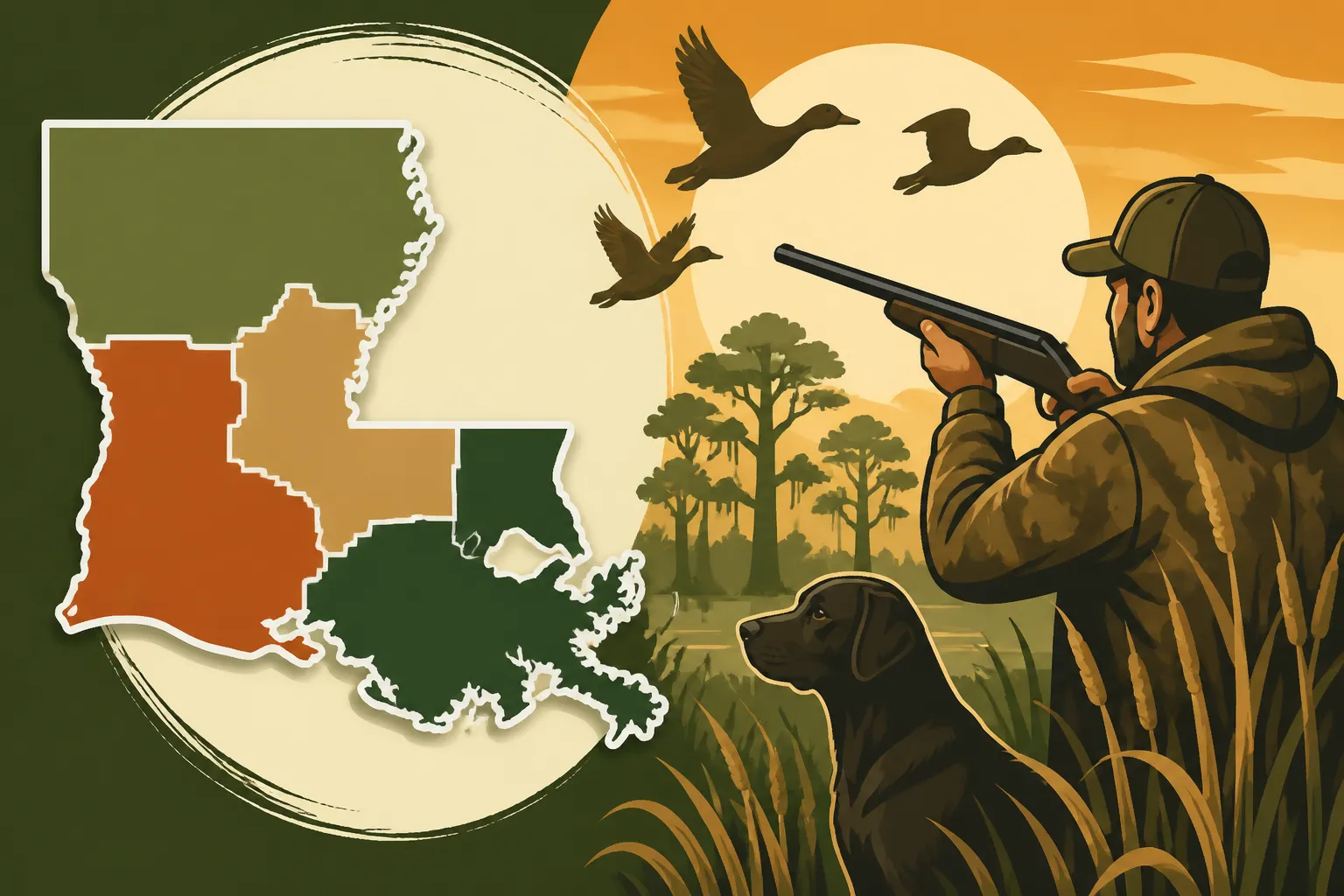
Louisiana is blessed with diverse habitats, from the sprawling coastal marshes to the piney hills and vast river bottomlands. To effectively manage the deer herd across these different landscapes and human population densities, the Louisiana Department of Wildlife and Fisheries (LDWF) divides the state into ten distinct deer hunting areas. This system allows for tailored regulations that reflect local deer populations, habitat conditions, and hunting pressure. While some areas boast lengthy "either-sex" windows and early archery starts, others are more restrictive, often due to population management goals or specific habitat types. Without a clear understanding of these nuances, hunters risk unknowingly violating regulations, which is the last thing anyone wants when out enjoying the woods. We've talked before about Louisiana's Ten Deer Hunting Areas Explained, but this dives deeper into a specific set of those.
Why Deer Areas Have Different Rules
The primary reason for varying regulations across deer areas boils down to biology and population dynamics. For instance, areas with abundant habitat and robust deer numbers might have longer seasons or more generous bag limits to help control herd size and prevent overbrowsing. Conversely, areas where deer populations are struggling or where specific management goals, such as increasing buck age structure, are in place, will often see more conservative regulations. Urban encroachment also plays a role, leading to archery-only zones in some areas to manage deer without the use of firearms near residential areas. Understanding this underlying rationale can help you appreciate why certain rules are in place, rather than just seeing them as arbitrary restrictions. It’s all about maintaining a healthy, sustainable deer population for future generations of hunters.
Key Factors Shaping Season Structure
Several factors heavily influence how a deer area's season structure is determined. Habitat quality is paramount; areas with rich food sources and cover can support more deer and thus longer seasons. Hunter density also plays a significant role; in areas with high hunting pressure, seasons might be adjusted to distribute harvest more evenly or to protect specific age classes of deer. Climate patterns, including drought or severe weather events, can impact fawn survival and overall herd health, leading to adjustments in subsequent seasons. Additionally, biological data, such as harvest reports, fawn recruitment rates, and buck-to-doe ratios collected by the LDWF, are constantly analyzed to make informed decisions about season lengths and bag limits. This data-driven approach ensures that regulations are scientifically sound and responsive to the needs of the deer herd.
Area 3: Season Dates, Methods, and Bag Limits
Deer Area 3 is a diverse region, encompassing parts of central and west-central Louisiana, and it’s known for its mixed pine and hardwood forests, agricultural lands, and some bottomland areas. Hunters in this area need to pay close attention, as the regulations can differ substantially from the more expansive windows found elsewhere. Knowing your dates here is crucial to a successful and legal hunt.
Archery Season Specifics in Area 3
Archery season in Area 3 typically kicks off in early October, offering hunters a fantastic opportunity to get into the woods before the main gun seasons begin. This early start provides an advantage, allowing archers to target deer before they become heavily pressured. The archery season usually runs continuously, extending through the end of January, encompassing the rut period in many parts of the area. This long window means you have ample time to scout, set up stands, and patiently wait for the right shot. It's a great time to implement strategies like rattling and grunting in Louisiana, especially as bucks start to chase. During archery season, the bag limit generally follows the statewide structure, allowing for up to six deer per season, with no more than four antlered bucks and two antlerless deer. However, always double-check the current year's LDWF regulations for any specific area-based antlerless deer days or restrictions, as these can vary slightly. You can often find great scouting intel for these areas by checking out Scouting Louisiana Public Land Before Season.
Primitive Firearms Opportunities in Area 3
For those who enjoy the challenge and tradition of primitive firearms, Area 3 usually offers a dedicated season in late October or early November. This primitive firearms season provides a unique hunting experience, bridging the gap between archery and modern firearms seasons. During this period, hunters are restricted to using specific types of primitive weapons, such as muzzleloaders, single-shot breech-loading rifles, or shotguns 10 gauge or smaller, loaded with a single projectile. The primitive firearms season in Area 3 is typically a short, focused window, often lasting just a week or two, which means timing your hunt perfectly is key. The bag limit during this season generally allows for one antlered or antlerless deer, contributing to your overall season bag limit. It's a prime opportunity to hunt deer during a less pressured time with a rewarding challenge.
Modern Firearms and Either-Sex Windows in Area 3
The modern firearms season is when the majority of hunters hit the woods in Area 3. This season typically opens in mid-November and runs into mid-January, providing a substantial period for hunters to pursue deer with modern rifles, shotguns, or pistols. Within this timeframe, the regulations will outline specific "either-sex" days, allowing hunters to harvest antlerless deer in addition to antlered bucks. These either-sex days are critical for managing the deer population and are often concentrated early in the season or during specific windows. Outside of these designated either-sex days, hunters are generally limited to antlered bucks only. For effective planning, especially if you're targeting specific parcels, digital mapping tools like GoHunt can be invaluable for identifying property lines and terrain features, helping you maximize your time during these critical windows. Always ensure you are aware of the legal antlered buck requirements, which often include a minimum number of points on one side.
Area 7: Season Dates, Methods, and Bag Limits
Area 7, primarily situated in the southeastern part of the state, including some of the Florida Parishes, presents its own set of rules and opportunities. This area is known for its diverse habitat, from vast timberlands to scattered agricultural fields and creek bottoms, offering excellent deer hunting potential. However, like Area 3, it requires careful attention to the LDWF regulations to ensure a compliant hunt.
Archery Season Specifics in Area 7
Much like Area 3, Area 7 generally opens its archery season in early October, allowing bowhunters to take advantage of the cooler weather and less pressured deer. This season typically extends through the end of January, offering a generous timeframe that covers pre-rut, rut, and post-rut periods. This long archery window is fantastic for dedicated bowhunters who want to spend as much time as possible in the stand. During this period, you'll want to be familiar with tactics like Rattling Volume in Thick Cover if you're in the denser timber. The general bag limit for archery season aligns with the statewide limits: six deer, with no more than four antlered bucks and two antlerless deer. However, it’s imperative to consult the official LDWF hunting guide for any specific nuances regarding antlerless harvest days, as these can sometimes be limited to certain periods or even suspended in areas with lower doe populations.
Primitive Firearms Opportunities in Area 7
Area 7 also offers a dedicated primitive firearms season, typically falling in late October or early November, similar to Area 3. This season is a cherished tradition for many, providing a chance to connect with hunting history while still pursuing game during a less crowded period. The regulations for primitive firearms remain consistent across the state, restricting hunters to specific types of weapons such as muzzleloaders, black powder rifles, or single-shot firearms. This short, often week-long, primitive season is a fantastic challenge and a great way to hunt deer before the full onset of modern firearms pressure. The bag limit for primitive firearms in Area 7 typically allows for one antlered or antlerless deer, counting towards your seasonal total. It's a unique opportunity to harvest a deer with a different kind of weapon, testing your skills in a more traditional manner.
Modern Firearms and Either-Sex Windows in Area 7
The modern firearms season in Area 7 generally commences in mid-November and continues through mid-January. This is typically the most popular hunting period, and understanding the specific dates for either-sex harvest is paramount. Area 7 often has structured either-sex days, where hunters can take an antlerless deer. These days are crucial for herd management, allowing for the harvest of does to keep the population in balance with the available habitat. Outside of these specific days, hunters are usually restricted to antlered bucks only. It's wise to use resources like GoHunt to scout and pinpoint prime locations on private lands that might see less pressure during these busy times. Knowing when and where you can legally harvest an antlerless deer can significantly impact your hunting strategy and success. Always confirm the current year's regulations for antler restrictions, as these can influence your decision to shoot or pass on a buck.
Area 8: Season Dates, Methods, and Bag Limits
Area 8 is situated in parts of northeastern Louisiana, a region well-known for its rich Mississippi River Delta soil, vast agricultural fields, and extensive bottomland hardwoods. This area is often characterized by large tracts of private land, but it also contains some excellent public hunting opportunities, such as WMAs. Hunting Area 8 can be incredibly rewarding, but understanding its specific season structure is key to navigating its unique hunting landscape.
Archery Season Specifics in Area 8
The archery season in Area 8 typically opens in early October, providing a generous window for bowhunters that often extends through the end of January. This extended season allows archers to hunt across various stages of the deer's annual cycle, from early season patterns to the peak of the rut, and into the late season. Given the agricultural influence in much of Area 8, early season archery can be productive along field edges, while later in the season, focusing on bedding areas within bottomland hardwoods can pay off. The bag limit adheres to the statewide regulations, allowing for up to six deer per season, with no more than four antlered bucks and two antlerless deer. However, pay close attention to the LDWF's specific guidelines for antlerless harvest days within Area 8, as these are critical for managing the local doe population. For those looking to optimize their archery setups, consider reading about Crossbow Rules During Louisiana Archery Season if that's your preferred method.
Primitive Firearms Opportunities in Area 8
Area 8 offers a specific primitive firearms season, generally occurring in late October or early November. This season is a great chance for hunters to embrace the challenge of traditional weapons, allowing for a unique experience before the full modern firearms pressure sets in. The regulations for primitive firearms are consistent statewide, permitting the use of muzzleloaders and single-shot breechloaders. This limited window for primitive firearms is often just a week or two, making strategic planning and scouting paramount to capitalize on the opportunity. The bag limit during this season is typically one antlered or antlerless deer, counting towards your total season limit. Many hunters find this period to be particularly exciting, as the deer are often less wary than during peak modern firearms season.
Modern Firearms and Either-Sex Windows in Area 8
The modern firearms season in Area 8 usually begins in mid-November and continues through mid-January. This period is the busiest for deer hunting, and successfully navigating it requires a thorough understanding of the either-sex regulations. Area 8 typically has specific either-sex days designated within the modern firearms season, allowing for the harvest of antlerless deer. These days are carefully set to manage the deer herd effectively, balancing hunter opportunity with population control. Outside of these designated days, only antlered bucks may be harvested. When planning your hunt, especially on large private tracts or some of the more expansive WMAs, using a mapping application like GoHunt can help you identify potential access points, property boundaries, and crucial habitat features that might concentrate deer. Always verify the current year's antler restrictions and the exact dates for either-sex harvest to ensure compliance and a successful hunt. Remember, Why Louisiana's Gun Opener Draws the Biggest Crowds applies heavily to areas like this one, so expect company.
Area 10: Season Dates, Methods, and Bag Limits
Area 10 covers parts of northwestern Louisiana, characterized by pine forests, mixed woodlands, and some agricultural landscapes. It offers distinct hunting challenges and rewards, with regulations designed to match its specific habitat and deer population dynamics. Hunters here need to be just as diligent in understanding the season structure as in any other part of the state.
Archery Season Specifics in Area 10
Archery season in Area 10 typically opens in early October and runs consistently through the end of January. This provides an excellent, long season for bowhunters, allowing them to pursue deer throughout the fall and winter months. The diverse terrain, from pine uplands to creek bottoms, means deer patterns can shift, making effective scouting crucial. Early season hunts might focus on food sources, while later in the season, understanding deer movement during the rut becomes paramount. The bag limit for archery season in Area 10 is consistent with the statewide limit of six deer, including no more than four antlered bucks and two antlerless deer. However, keep a close eye on the LDWF regulations for any specific antlerless harvest restrictions within Area 10, as these can be modified annually based on local herd conditions. If you're wondering When Louisiana's Archery Season Opens, it's typically a statewide early October kick-off, but the end dates and either-sex days vary by area.
Primitive Firearms Opportunities in Area 10
Hunters in Area 10 can also look forward to a primitive firearms season, typically scheduled for a brief period in late October or early November. This season offers a special challenge and a chance to experience deer hunting in a more traditional manner, using muzzleloaders or single-shot breech-loading firearms. This short, dedicated primitive firearms window is an ideal time to capitalize on deer movement before the heavier pressure of the modern firearms season. The bag limit during this period allows for one antlered or antlerless deer, contributing to your overall season bag limit. It's a fantastic opportunity to test your marksmanship and patience with gear that requires a different skill set than modern rifles. If you’re considering this, make sure your gear meets the Minimum Caliber for a Primitive Firearms Rifle or Maximum Gauge for a Primitive Firearms Shotgun.
Modern Firearms and Either-Sex Windows in Area 10
The modern firearms season in Area 10 usually kicks off in mid-November, extending through mid-January. This is the busiest time for deer hunting, and understanding the specific either-sex days is absolutely critical for compliance and success. Area 10 will have designated either-sex days within this period, allowing hunters to harvest antlerless deer to help manage the population. Outside of these specific dates, only antlered bucks may be harvested. It's vital to consult the official LDWF regulations to confirm the exact dates for either-sex opportunities, as these are often carefully timed with herd management goals. Utilizing digital tools like GoHunt for mapping and property identification, particularly in areas with mixed private and public land, can significantly enhance your hunting strategy and ensure you're hunting legally.
Comparing Season Structures: Areas 3, 7, 8, and 10
To make sense of all these details, let's look at a quick comparison of the general season structures for Areas 3, 7, 8, and 10. While specific dates can shift slightly year to year, the overall patterns for archery, primitive firearms, and modern firearms seasons tend to remain consistent. This table provides a useful overview, but always refer to the current LDWF regulations for precise dates before you head afield.
| Season Type | Area 3 (Central/West-Central) | Area 7 (Southeast/Florida Parishes) | Area 8 (Northeast/River Delta) | Area 10 (Northwest) |
|---|---|---|---|---|
| Archery Season | Early Oct – Late Jan | Early Oct – Late Jan | Early Oct – Late Jan | Early Oct – Late Jan |
| Primitive Firearms | Late Oct/Early Nov (Short) | Late Oct/Early Nov (Short) | Late Oct/Early Nov (Short) | Late Oct/Early Nov (Short) |
| Modern Firearms | Mid-Nov – Mid-Jan | Mid-Nov – Mid-Jan | Mid-Nov – Mid-Jan | Mid-Nov – Mid-Jan |
| Either-Sex Days | Specific Days Within MF Season | Specific Days Within MF Season | Specific Days Within MF Season | Specific Days Within MF Season |
| Bag Limit | 6 Deer (4 Antlered, 2 Antlerless) | 6 Deer (4 Antlered, 2 Antlerless) | 6 Deer (4 Antlered, 2 Antlerless) | 6 Deer (4 Antlered, 2 Antlerless) |
Note: This table provides a general overview. Always consult the official Louisiana Department of Wildlife and Fisheries (LDWF) Hunting Regulations for the current season's exact dates and specific rules.
Key Considerations for Hunting Areas 3, 7, 8, and 10
Beyond just knowing the dates, there are strategic and logistical considerations that can make or break your hunting trip in these specific areas. From understanding the ground you're on to reporting your harvest, a little extra planning goes a long way. This is where the experienced hunter's knowledge truly shines, and it’s something you definitely don’t learn from just reading a rulebook.
Navigating Public Versus Private Land Rules
Louisiana offers a mix of public and private hunting lands in Areas 3, 7, 8, and 10, and the rules can differ significantly. On private lands, assuming you have permission, you'll generally follow the specific area's season structure for dates, methods, and bag limits. However, public lands, such as Wildlife Management Areas (WMAs) and National Forests, often have additional restrictions or special hunt dates that supersede the general area rules. For example, some WMAs might have their own specific quota hunts, different primitive firearms dates, or even specific hunting methods not allowed elsewhere. It's absolutely crucial to check the specific WMA regulations for the public land you intend to hunt. Resources like the LDWF's online mapping tools or apps like GoHunt can help you identify land ownership and boundaries, as well as overlay WMA rules. Don’t get caught off guard by a rule you didn’t know because you didn’t check the WMA-specific pamphlet. It could mean the difference between a successful hunt and a citation. Before you head out, make sure you've also checked out Louisiana Hunting Licenses and What They Cost and understand Louisiana Hunter Education Requirements.
Understanding Bag Limits and Reporting Requirements
Across Areas 3, 7, 8, and 10, the statewide seasonal bag limit for deer generally stands at six deer per season, with no more than four antlered bucks and two antlerless deer. However, it's not enough to just know that number. You must also adhere to the daily bag limit, which is typically one antlered deer and one antlerless deer per day, but only on designated either-sex days. Harvesting an antlerless deer on a buck-only day, even if you’re within your season limit, is a violation. Furthermore, Louisiana has mandatory deer reporting requirements. Every deer harvested, regardless of where it was taken, must be reported to the LDWF within 72 hours of harvest. This can be done through the LDWF website or their mobile app. This data is vital for wildlife biologists to monitor herd health, harvest rates, and make informed management decisions for future seasons. Failing to report your harvest is not just against the law; it deprives wildlife managers of critical information. Make sure to understand Louisiana Deer Reporting Requirements thoroughly.
Strategic Planning and Scouting for Success
Hunting these diverse areas effectively requires more than just showing up on opening day. Strategic planning and thorough scouting are your best allies. Before the season, spend time using aerial photos and topographic maps to identify potential bedding areas, food sources, and travel corridors. Look for pinch points, funnels, and natural barriers that might concentrate deer movement. Tools like GoHunt can allow you to drop pins, mark observations, and track deer sign even when you're not physically in the woods. During the pre-season, focus on finding fresh sign—tracks, rubs, scrapes—to confirm deer presence and patterns. Consider the timing of the rut in your specific part of Area 3, 7, 8, or 10, as deer activity will heavily influence your hunting strategy. For instance, in areas like Area 8 with extensive agricultural lands, early season deer might be patterned on crop fields, while later in the year, they might shift to acorns in the bottomlands. Adapting your tactics to the specific conditions and deer behavior throughout the season, and across the varied terrain within these areas, will significantly increase your odds of success.
Disclaimer
Please remember that hunting regulations can change annually. While this guide provides a comprehensive overview of the typical season structures for Areas 3, 7, 8, and 10, it is crucial that you always consult the most current official Louisiana Department of Wildlife and Fisheries (LDWF) Hunting Regulations before planning and embarking on any hunt. This information is available on the LDWF website and in their printed hunting guides. Compliance with all state and federal hunting laws is your responsibility.