Airport Pickup and Lodging Logistics
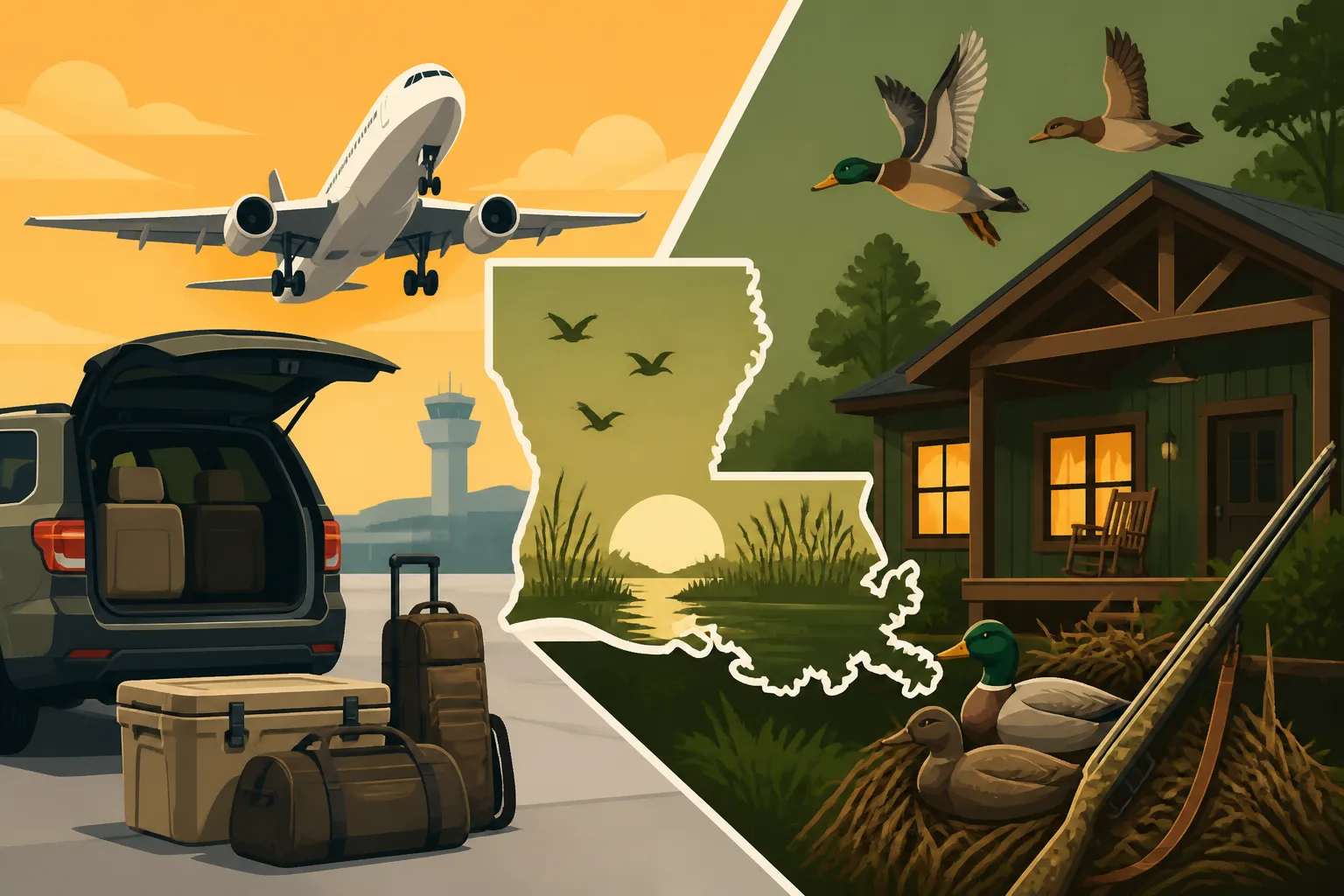
Planning a hunting trip to Louisiana can feel like a logistical puzzle, especially when you're traveling from out of state or simply don't want the hassle of driving your personal rig for days. The big questions always loom: How do I get myself and all my gear from the airport to the hunting camp, and where am I even going to lay my head at night? This guide is here to untangle the complexities of airport pickup and lodging logistics, ensuring your Louisiana hunting adventure starts and ends smoothly.
The Initial Hurdle: Getting to the Hunting Grounds
Stepping off a plane, often with oversized luggage containing rifles, bows, or even waders, can immediately put a damper on your hunting excitement if you haven't sorted out the next steps. Louisiana's hunting destinations are often nestled far from major airports, making the journey from tarmac to treestand a significant part of your planning.
Flying Into Louisiana's Major Airports
Louisiana has a few key airports that serve as common gateways for hunters, each offering different levels of convenience depending on your final destination. It's not always about landing at the biggest airport, but the one that puts you closest to your hunting adventure with the least amount of fuss.
For instance, if your sights are set on the sprawling piney woods of Kisatchie National Forest or the rich deer grounds of the upper parishes, you might consider flying into Shreveport (SHV) or Monroe (MLU). These airports are generally smaller, which can mean quicker baggage claim and rental car pickups, but they might have fewer direct flights. On the other hand, if you're heading to the famed coastal marshes for waterfowl or venturing into the mysterious Atchafalaya Basin, New Orleans (MSY) or Lafayette (LFT) are usually your best bets. MSY is a major international hub, offering more flight options but potentially longer waits for baggage and ground transportation. Lafayette, while smaller, is incredibly convenient for the central and southern parts of the state. Always weigh the convenience of a direct flight against the drive time and potential rental car costs from each hub. For hunters traveling with firearms, it's crucial to understand TSA regulations regarding locked, hard-sided cases and unloaded weapons, and to declare them with your airline upon check-in.
Planning Your Ground Transportation
Once your boots hit Louisiana soil, the next thought is often: "How do I get out of here?" Ground transportation is rarely a one-size-fits-all solution, and your choice heavily depends on whether you're joining a guided hunt or going it alone.
If you've booked with an outfitter, this is where their service truly shines. Many reputable Louisiana outfitters will explicitly state whether airport pickup is included in their package. Imagine the relief of having a friendly face meet you at baggage claim, ready to whisk you and your gear directly to camp. This service eliminates the stress of navigating unfamiliar roads, finding parking for a full-size truck, and dealing with rental car restrictions on muddy backroads. Always confirm these details with your outfitter well in advance. Don't assume anything. Ask specific questions like: "Which airport do you pick up from?" and "Is there an extra charge for this service?" If airport pickup isn't part of the deal, or if you prefer the freedom of your own wheels, then renting a suitable vehicle becomes paramount. You'll need something robust enough for potential gravel roads and with ample space for all your hunting equipment, not just your personal luggage.
Deciphering Your Lodging Options
Where you sleep at night can make or break a hunting trip, especially in a state like Louisiana where weather can be unpredictable, and comfort is king after a long day in the field. From rustic camps to full-service lodges, the options are as varied as the landscapes themselves.
Hunting Lodges and Outfitters
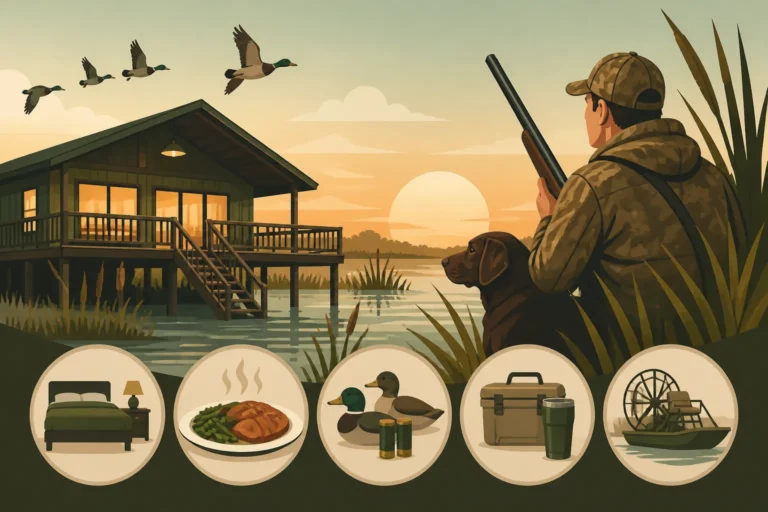
For many hunters, especially those new to Louisiana or seeking a truly immersive experience, booking with a hunting lodge or outfitter is the ultimate solution. These operations typically offer comprehensive packages that bundle lodging, meals, and guiding services. The convenience of having a warm bed, a hot meal, and often even a place to clean your game all under one roof is unparalleled. Many of these lodges are strategically located on or near prime hunting ground, meaning less travel time in the mornings and evenings.
These lodges vary widely in their offerings, from basic bunkhouses to luxurious accommodations with all the creature comforts. Some might offer communal meals, fostering a sense of camaraderie around a big table with fellow hunters, while others provide private dining or even chefs. When considering a lodge, make sure to ask about What's Included in an All-Inclusive Deer Package or What Lodge Meals Typically Include so there are no surprises. Services like game processing facilities, kennels for hunting dogs, and secure storage for firearms are common amenities to look for. Brands like BookYourHunt can be a great resource for finding and comparing various lodge options and reading reviews from previous clients, helping you vet your choice before committing. Understanding these details upfront helps manage expectations and ensures you're getting the experience you desire.
Hotels, Motels, and Short-Term Rentals
Sometimes, a guided lodge hunt isn't in the cards, or you might prefer a more independent approach. In these cases, traditional hotels, motels, and short-term rentals (like cabins or houses found on booking sites) become viable options. This path often appeals to self-guided hunters or those looking to hunt public lands like the extensive Wildlife Management Areas (WMAs) or Kisatchie National Forest.
Choosing this route gives you more flexibility and control over your schedule and budget. You can often find a motel in a small town near your chosen hunting area, providing a basic but comfortable place to rest. Short-term rentals offer the added benefit of privacy, often with kitchen facilities to cook your own meals, which can be a huge plus for controlling costs and ensuring you eat what you like. However, these options require more self-sufficiency. You'll be responsible for all your meals, game care, and often, quite a bit of driving to and from your hunting spots. When considering a hotel or rental, look for properties that are hunter-friendly. Do they have outdoor electrical outlets for charging boat batteries? Is there adequate parking for a truck and trailer? Are they understanding of hunters bringing in gear, and perhaps even a cooler with game? Always ask these questions when booking, as some establishments might have policies against firearms on premises or processing game.
Logistics for Self-Guided Hunters
For the intrepid self-guided hunter, the logistics amplify significantly. You are your own outfitter, guide, and camp cook all rolled into one. This means a deeper dive into vehicle choices and finding accommodations that truly support your independent hunt.
Renting a Vehicle That Can Handle the Gear
This is not the time to cheap out on a compact sedan. Louisiana's hunting country, especially near areas like the Atchafalaya Basin or many of the WMAs, can involve gravel roads, muddy tracks, and even some light off-roading. You'll need a vehicle that can not only handle these conditions but also comfortably transport all your essential gear. Think beyond just your suitcase. You'll have gun cases or bow cases, waders, boots, coolers for game, a backpack, and maybe even a portable treestand.
Consider a full-size pickup truck or a large SUV with four-wheel drive as your minimum. Ensure the rental company allows for travel on unpaved roads and inquire about their policy on potential mud or minor damage, just to be safe. Some rental companies have strict rules that could lead to unexpected charges. It’s also wise to check if the vehicle comes with a hitch if you plan on towing a small boat or ATV (though be sure to confirm ATV rules on Louisiana Public Land Hunting Hours where you plan to hunt). Before you even book, check availability and pricing for these larger vehicles, especially during peak hunting seasons, as they can be in high demand. It’s a good idea to book well in advance through a platform like GoHunt or other rental aggregators to secure the best rates and selection.
Finding Hunter-Friendly Accommodations
When you're not staying in a dedicated hunting lodge, finding accommodations that cater to hunters' unique needs is crucial. A standard hotel might work, but certain features can make your life much easier after a long day afield.
Look for motels or cabins that offer exterior access rooms, so you don't have to parade muddy boots and gear through a pristine lobby. Ask if they have hose hookups outside for rinsing off boots or even a muddy cooler. A mini-fridge and microwave in the room are invaluable for storing snacks, drinks, and potentially processing small game or keeping a few venison steaks fresh. Some smaller, independently owned motels in rural hunting towns are accustomed to hunters and might offer better understanding and flexibility. It's not uncommon for these establishments to have a designated area for cleaning small game or even a walk-in freezer for larger animals (though this is rare, it's worth asking). Always call ahead and speak to the front desk. Be upfront about your intentions – "I'm coming to hunt deer, and I'll have some gear and potentially a cooler with game. Is that okay?" – to avoid any misunderstandings upon arrival. Knowing What to Pack for a Guided Louisiana Hunt can also help you determine what facilities you'll need at your lodging.
Key Questions to Ask About Pickup and Lodging
Navigating the complexities of travel and accommodation requires proactive communication. Don't leave anything to chance, especially when it comes to your hard-earned hunting trip. A few well-placed questions can save you a world of headaches.
Clarifying Inclusions and Exclusions
This is where the devil truly is in the details, particularly if you're working with an outfitter or booking a package hunt. Never assume. Get a clear, written breakdown of what exactly is included in your booking.
Here's a table to help you categorize important inclusions and exclusions to verify:
| Category | Inclusions to Confirm | Exclusions to Watch For |
|---|---|---|
| Transportation | Airport pickup/drop-off, daily transport to hunting areas | Rental car costs, fuel for personal vehicle, tolls |
| Lodging | Type of room (private/shared), amenities (wifi, AC) | Extra fees for specific room requests, incidentals |
| Meals | Number of meals per day, beverages, dietary needs | Alcohol, snacks, off-menu items, restaurant meals |
| Hunting | Guiding services, stands/blinds, game retrieval | License/tag fees, weapon rentals, ammunition |
| Game Care | Field dressing, cold storage, basic processing | Full butchering, taxidermy services, shipping |
For instance, an "all-inclusive" package might cover your meals and guiding, but maybe not the drive from Lafayette to a duck lodge in Cameron Parish. Some outfitters might pick you up from a specific airport, but charge extra for a different one. When discussing with an outfitter, reference specific internal resources like Booking a Louisiana Hunt as a Nonresident or Questions to Ask Before Booking a Louisiana Hunt to ensure you're covering all your bases. Getting these details in writing, ideally in a booking confirmation or contract, is always a smart move.
Emergency and Backup Plans
Even the best-laid plans can go awry. Flights get delayed, vehicles break down, and unforeseen circumstances can always arise. A good outfitter will have contingency plans, but you should too, especially for self-guided trips.
Ask your outfitter: "What happens if my flight is significantly delayed, will someone still be there to pick me up?" or "If the weather makes our planned hunting area inaccessible, what's the backup plan?" For self-guided hunters, consider purchasing travel insurance that covers delays or cancellations. Have a backup plan for ground transportation – if your rental car breaks down, do you have roadside assistance, or is there a local taxi service you can call? Always have emergency contact numbers for your outfitter, lodge, or local services readily available, not just saved on your phone. It's also wise to research the nearest small-town mechanic or hardware store for any unexpected gear needs or repairs. Knowing Checking a Louisiana Guide's License Status can also give you confidence in their professionalism and ability to handle various situations. Having a plan B, C, and even D can turn a potential disaster into a minor inconvenience, keeping your hunting spirit alive and well.
Disclaimer
This article is for general informational purposes only and does not constitute professional advice. Laws, prices and regulations vary by location and change over time. Consult a qualified professional for guidance on your specific situation.