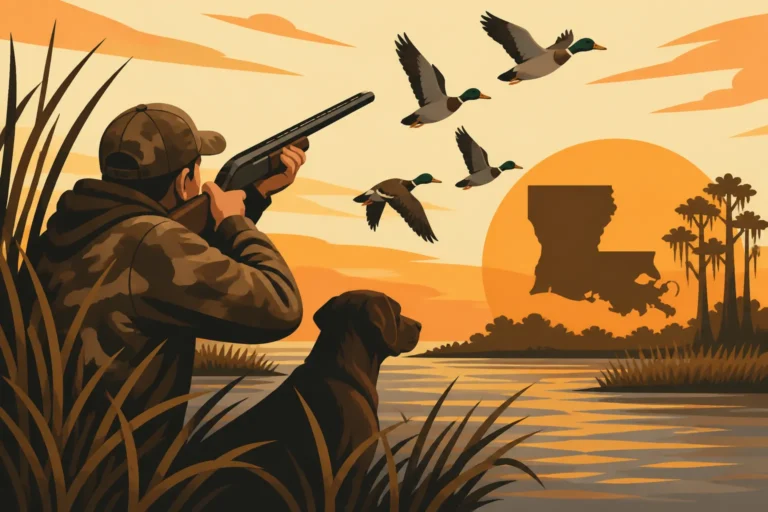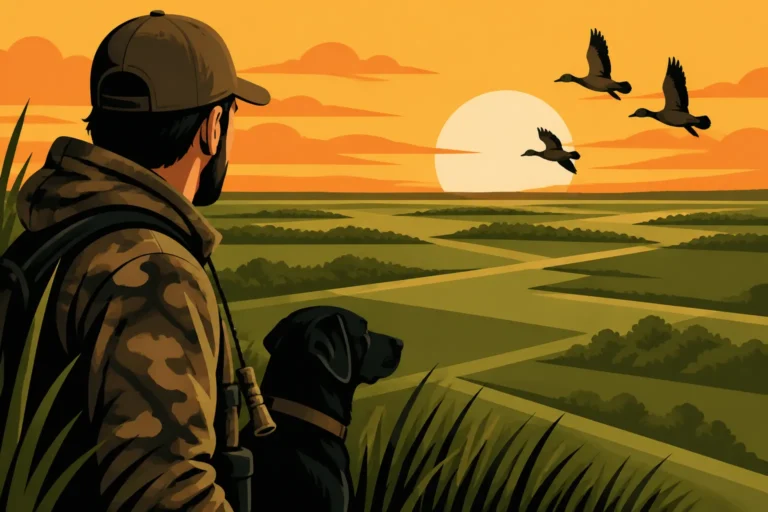
Specklebelly Guide Rates on Rice Fields
Few things get a waterfowler's heart pumping like the sight and sound of a flock of specklebellies, or white-fronted geese, locking up and descending into a spread. But if you've ever tried to chase these elusive birds on your own, especially on the vast, private rice fields of South Louisiana, you know it can be a monumental challenge. Finding the birds, getting access to prime fields, setting up decoys correctly, and mastering the complex calling can feel overwhelming. This guide is all about demystifying the process of hiring a guide for specklebelly hunts on Louisiana's famed rice fields, helping you understand what to expect from guide rates and services, so you can focus on the hunt itself.
Understanding the Allure of Specklebelly Hunting on Louisiana Rice Fields
Louisiana’s position on the Mississippi Flyway makes it a critical wintering ground for millions of waterfowl, and among them, the specklebelly goose holds a special place for many hunters. Unlike the often-chaotic and massive flocks of snow geese, specklebellies tend to travel in smaller, tighter groups and are known for their intelligent, wary nature, making them a truly rewarding quarry. And when it comes to habitat, the expansive rice fields that stretch across parishes like Cameron and Vermilion are absolute magnets for these birds.
Why Specklebellies are a Unique Challenge
Specklebellies are often considered one of the smartest birds in the waterfowl world. They don't decoy easily, and they respond best to very specific, nuanced calling. Unlike ducks or even snow geese, which might tolerate a bit of amateur calling or a less-than-perfect spread, specks will circle high, study your setup, and if anything feels off, they’ll be gone in a flash. Their distinctive "laughing" call is iconic, but mimicking it effectively to draw them in requires years of practice and a keen understanding of their behavior. Louisiana Waterfowl on the Mississippi Flyway details how these birds make their way to our state.
Furthermore, these birds often feed in open fields, making concealment paramount. It's not just about hiding; it's about blending into the natural environment of a stubble field or a freshly cut rice paddy. The slightest glint of sunlight off a face, a misplaced decoy, or a sudden movement can spook an entire flock. This level of detail and precision is why many hunters, even seasoned ones, turn to professional guides who specialize in these wary geese.
The Specialized Nature of Rice Field Hunting
Hunting specklebellies on rice fields isn't like jump-shooting wood ducks in a cypress swamp or setting a duck spread on a marsh pond. It requires a specific set of skills, gear, and, most importantly, access. The vast majority of prime rice fields are privately owned, leased by farmers who cultivate the land for crops. Gaining permission can be incredibly difficult, often requiring established relationships or substantial lease fees. This is where a guide truly shines, as they typically have long-standing agreements with landowners, granting them access to the best feeding grounds.
Guides also possess specialized equipment tailored for these hunts: large spreads of realistic specklebelly decoys, often hundreds strong, carefully placed to mimic a natural feeding flock. They'll have top-tier layout blinds or custom-built pits designed to offer maximum concealment in flat, open terrain. Their knowledge of the specific fields—which ones the birds are using, their flight patterns, and preferred entry routes—is invaluable. Layout Blind Hunting a Cut Rice Field covers some of the specifics of that gear.
Factors That Influence Guide Rates for Specklebellies
When you start looking into booking a guided specklebelly hunt on Louisiana's rice fields, you'll notice a range of prices. It's not arbitrary; several key factors play into what an outfitter charges. Understanding these can help you find a hunt that fits your expectations and your budget.
Duration and Timing of Your Hunt
The length of your hunt is a primary driver of the cost. You'll typically find options for half-day or full-day hunts. A half-day hunt usually focuses on the prime morning flight, but a full-day experience might allow for a morning duck hunt and an afternoon speck hunt, or simply more time to pursue geese as they shift locations throughout the day. Naturally, a longer hunt with more opportunities will command a higher rate.
The timing within the season can also subtly affect pricing. While most outfitters maintain consistent rates, some might offer slightly different packages during the peak migration periods when bird numbers are highest, or conversely, offer a discount during slower periods. Booking on weekends or during popular holidays often means less availability and potentially less flexibility in pricing compared to a weekday hunt.
Inclusions and Amenities
What exactly is included in your guide rate can vary significantly from one outfitter to another. Some guides offer a very basic "field fee" that covers access, decoys, and the guide's calling expertise, expecting you to bring everything else. Others provide an all-inclusive experience that might cover:
- Blinds: Whether it's a layout blind or a pit blind.
- Ammunition: Though this is less common, some higher-end packages might include it.
- Dogs: The guide's trained retriever, a huge asset for specklebelly hunting.
- Breakfast/Lunch: Often a warm breakfast in the blind or a hearty lunch afterward.
- Lodging: For multi-day packages, accommodation at a nearby lodge or camp.
- Bird Processing: Basic cleaning and bagging of your harvested birds.
Obviously, the more amenities and services bundled into the price, the higher the overall rate will be. When you see a significant difference in price between two outfitters, dig into their offerings to see what's included before making a judgment. A lower upfront cost might mean you're on the hook for more expenses later.
Guide Experience and Reputation
Just like in any profession, experience and a solid reputation come at a premium. A guide who has been successfully hunting Louisiana specklebellies for decades, who has established relationships with multiple landowners, and who consistently puts clients on birds, will likely charge more than a newer guide or someone still building their client base. Their expertise isn't just about calling; it's about weather patterns, bird behavior, scouting, and adapting to changing conditions on the fly.
Word-of-mouth and online reviews are crucial here. When researching, don't just look at the price; look at the guide's success stories, read testimonials, and check out photos of past hunts. Reputable platforms like BookYourHunt can help you find guides with established track records and client reviews. A seasoned guide often provides a more consistent, higher-quality experience, which for many hunters, is well worth the extra investment. Vetting a Louisiana Outfitter Before You Book provides excellent tips on how to properly research.
Group Size and Hunt Type
Most guided specklebelly hunts are priced per person, with a minimum group size often required to book a private field. If you're a single hunter, you might be paired with another small group to fill out a spread. Larger groups sometimes qualify for a slight per-person discount, or they might simply be booking the entire field for themselves.
Some outfitters also offer combination hunts, where you might spend the morning chasing ducks in the marsh and the afternoon targeting specklebellies in a rice field. These multi-species packages will have different pricing structures than a dedicated speck hunt. Be clear about your group size and your desired hunt type when inquiring about rates.
What to Expect from a Guided Specklebelly Hunt
If you've never been on a guided waterfowl hunt, especially for wary geese, you're in for a treat. A good guide takes care of so much of the logistical headache, allowing you to immerse yourself in the experience.
Decoys, Blinds, and Calling Expertise
When you arrive for your hunt, the decoys will likely already be set, meticulously arranged by your guide to create a realistic spread that fools the keen eyes of specklebellies. You'll settle into comfortable layout blinds that offer superb concealment in the open fields. These aren't just pop-up blinds; they're often brushed in with local vegetation to become virtually invisible from above. The guide will position you for optimal shooting lanes and sightlines.
The most crucial element a guide brings to a specklebelly hunt is their calling expertise. They've spent countless hours practicing and perfecting the nuanced "cluck" and "yodel" that draw these intelligent birds in. They'll know precisely when to call, how loud, and for how long, reading the birds' reactions and adjusting their cadence accordingly. This isn't just about making noise; it's about having a conversation with the birds. You'll likely learn a lot about calling just by observing them.
Dogs, Retrieval, and Field Processing
A well-trained retriever is an indispensable part of any goose hunt, and a good guide will almost always have one. Retrieving a downed specklebelly from a muddy rice field, especially if it falls far out into the spread, is tough work. A skilled dog makes quick, efficient work of it, minimizing lost birds and ensuring every bird is recovered. You'll get to enjoy watching these amazing canine athletes do what they love.
After the hunt, most guides will offer basic field processing of your birds. This typically means breasting them out and placing the meat in bags for your cooler. Some might offer more extensive processing for an additional fee, or direct you to local processors if you want full plucking or more intricate cuts. Always clarify what level of processing is included when you book.
Logistics and What You Need to Bring
Your guide will provide a detailed list of what to bring, but generally, expect to need:
- Hunting License & Stamps: Crucially, your Louisiana hunting license with state and federal duck stamps, and HIP certification. Louisiana Hunting Licenses and What They Cost and Louisiana Federal Duck Stamp Requirement are key resources.
- Non-toxic Shot: Steel or other approved non-toxic shot is mandatory for waterfowl. Your guide can advise on specific shot sizes for specklebellies.
- Warm, Layered Clothing: Early mornings can be cold, but temperatures can rise quickly. Layers are essential.
- Waterproof Gear: Boots (often chest waders are useful, even if you’re in a blind) and rain gear are critical.
- Cooler: To transport your processed birds home.
- Snacks and Drinks: While some guides include meals, it's always good to have your own provisions.
- Headlamp: For setting up or breaking down in the dark.
Your guide will handle transportation to and from the field, usually in an ATV or a well-equipped truck, ensuring you get to the hunting spot safely and efficiently.
Navigating the Booking Process and Vetting Your Guide
Finding the right guide is almost as important as the hunt itself. You want someone reliable, knowledgeable, and who prioritizes safety and ethical hunting practices.
Researching and Comparing Outfitters
Start your search well in advance, especially if you plan to hunt during peak season or popular weekends. Online resources are your best friend here. Websites like BookYourHunt allow you to filter by species, location, and read reviews from previous clients, giving you a good overview of available options and their general reputation. GoHunt also has a strong community aspect where you can often find recommendations and discussions about specific guides.
Look for outfitters that specialize in specklebelly hunting or at least have a strong track record with geese on rice fields. Don't be shy about contacting several guides to compare their offerings, availability, and how they communicate. A guide who is responsive and transparent from the outset is usually a good sign.
Questions to Ask Before You Book
Before putting down a deposit, have a detailed conversation with your prospective guide. Here's a table of important questions:
| Category | Key Questions to Ask |
|---|---|
| Hunt Details | What is the typical duration of the hunt (half-day/full-day)? What time do we meet? Where is the meeting point? How many hunters will be in our group? What is your typical shooting distance for specks? What is your success rate for specklebellies? |
| Inclusions | What exactly is included in the rate (decoys, blinds, dog, calls, breakfast/lunch, processing)? Are there any hidden fees or additional costs? Is ammunition provided or recommended? |
| Gear & Safety | What specific gear do I need to bring (clothing, waders, specific shotgun/choke)? What are your safety protocols in the field? What if there's inclement weather? |
| Logistics | What is your cancellation policy? How much is the deposit, and when is the full payment due? What are the options for processing birds after the hunt? Can you recommend local lodging if not included? |
| Experience | How long have you been guiding specklebelly hunts in this area? What makes your rice field access unique? Do you have references I can contact? |
Make sure you feel comfortable with their answers and that they align with your expectations. A reputable guide will be happy to answer all your questions thoroughly.
Making the Most of Your Guided Specklebelly Adventure
A guided hunt is more than just a way to fill your limit; it's an opportunity to learn, observe, and connect with the unique hunting culture of Louisiana.
The Value of Local Knowledge
The local knowledge a guide possesses is truly priceless. They spend their lives observing bird movements, studying weather patterns, and scouting fields. They know which rice fields are holding birds one day and where those birds are likely to move the next, based on changes in wind, temperature, or agricultural activity. This isn't something you can pick up in a weekend trip. Their insights into duck and goose migration timing through Louisiana, and how it impacts the rice fields, is critical.
This intimate understanding of the landscape extends beyond just the birds. They know the terrain, the best entry and exit routes, and how to navigate potentially tricky conditions like muddy fields or early morning fog. This deep local knowledge significantly increases your chances of a successful and enjoyable hunt. Hunting the Vermilion Parish Marsh and Hunting the Terrebonne Parish Marsh highlight just how localized and specific some of this knowledge can be.
Building Skills and Memories
Even if you're an experienced waterfowler, a guided specklebelly hunt can teach you a tremendous amount. Pay attention to how the guide calls, how they read the birds' reactions, and how they communicate with their dog. Ask questions! Most guides are passionate about their craft and eager to share their knowledge. This is a chance to refine your own calling, improve your shooting, and understand waterfowl behavior on a deeper level.
Beyond the harvest, these hunts create lasting memories. The camaraderie in the blind, the raw beauty of a Louisiana sunrise over a rice field, and the thrill of seeing those wary specks commit to the decoys are experiences you won't soon forget. It's an investment in an adventure, and for many, that experience is well worth the guide rates. Whether you're a seasoned pro or new to hunting in Louisiana, a guided specklebelly hunt offers a unique window into one of the state's most challenging and rewarding waterfowl pursuits.
Disclaimer
This article is for general informational purposes only and does not constitute professional advice. Laws, prices and regulations vary by location and change over time. Consult a qualified professional for guidance on your specific situation.