Iberia Parish Marsh Public Access
Hunting in Louisiana's coastal marsh presents a unique set of challenges, from navigating shallow, tidal waters to understanding the subtle movements of game in an expansive, often featureless landscape. If you're looking to explore the rich hunting opportunities available in the Iberia Parish marsh, it can feel like a daunting task to pinpoint exactly where you can go and how to make the most of your time. This comprehensive guide will break down the intricacies of accessing and hunting the public marshlands of Iberia Parish, helping you understand the terrain, the regulations, and the best strategies to find success in this truly special part of our state.
Understanding the Unique World of Iberia Parish Marsh Hunting
The Iberia Parish marsh is a dynamic, ever-changing environment, a true wilderness where the line between land and water blurs. For hunters, this means an experience unlike any other, demanding specific knowledge, preparation, and a deep respect for nature's rhythms. It's not like still-hunting a piney ridge or sitting over a food plot; this is a place where your boat is your truck, the tide is your trail, and the wind dictates your approach.
The Allure and Challenges of Coastal Marsh
There's an undeniable allure to hunting the coastal marsh. The sheer vastness, the dramatic sunrises and sunsets over endless grass, and the incredible abundance of waterfowl can be breathtaking. You're completely immersed in an ecosystem teeming with life, where the sounds of red-winged blackbirds and distant duck calls replace the hum of traffic. For many, it's the ultimate escape, a place where you truly feel connected to the wild.
However, these same qualities present significant challenges. The terrain is flat, with subtle changes in elevation that can be imperceptible to the untrained eye but critical to animal movement. Water levels fluctuate with the tide and wind, meaning an area that was navigable an hour ago might be a mudflat now, or vice versa. Getting lost is a very real concern without proper navigation, as every pond and bayou can start to look the same. Then there's the mud – oh, the mud! It's legendary, capable of swallowing boots, bogging down boats, and generally making travel difficult and exhausting. But for those willing to embrace these challenges, the rewards of a successful marsh hunt are truly profound. This is why understanding Hunting Louisiana's Coastal Marsh Parishes is so crucial, as many of the principles apply universally.
Key Geographic Features and Their Impact on Access
Iberia Parish sits squarely in the heart of Louisiana's coastal zone, bordering the vast waters of Vermilion Bay and West Cote Blanche Bay, and extending southward to include the expansive Marsh Island Wildlife Refuge. These bays act as massive highways for migratory waterfowl and provide vital estuaries for countless other species. The marsh itself is a labyrinth of shallow ponds, small bayous, and vast expanses of salt and brackish grass.
Access is almost exclusively by boat. Unlike many upland hunting areas where you might drive to a trailhead, in the Iberia marsh, your journey typically begins at a boat launch. The depth of the water is paramount; many areas are only a few inches deep, making shallow-draft boats or even pirogues essential. Wind can churn up the shallow water, making travel difficult and obscuring navigation. Knowing how to read the subtle currents and mud banks is an acquired skill that takes time and experience. The interplay between the Gulf's tides and the freshwater inputs from the Atchafalaya Basin also heavily influences water levels and salinity, which in turn dictate where different species of ducks will feed and roost.
Public Access Points and Opportunities in Iberia Parish's Coastal Zone
While Iberia Parish is home to significant private land holdings, there are crucial public access opportunities for hunters brave enough to tackle the marsh. These areas are typically managed by the Louisiana Department of Wildlife and Fisheries (LDWF) and offer excellent chances for waterfowl, hog, and even alligator hunting by lottery.
Navigating Potential Public Hunting Grounds
The most prominent public hunting opportunity directly within Iberia Parish's marsh is the Marsh Island Wildlife Refuge. This vast refuge, managed by the LDWF, is a prime example of coastal marsh habitat and offers excellent hunting for waterfowl and other species under specific regulations. It's not a free-for-all, though. Access to Marsh Island is often restricted to specific areas and periods, and hunters must be intimately familiar with the refuge's specific rules, which can include limits on boat motor size, hunting hours, and even areas where hunting is prohibited. You'll want to check the latest LDWF regulations booklet or their website for current information on seasons, bag limits, and any special permits required for Marsh Island.
Beyond Marsh Island, general public access exists in the vast open waters of the major bays and their associated state-managed waterbodies. While these aren't "WMAs" in the traditional sense, they are public waters where, with appropriate licenses and adherence to regulations, hunting is permitted. This often means hunting from boat blinds or laying out in open water, which requires a specialized approach. Adjacent parishes like Vermilion also offer extensive public marsh access, as detailed in Hunting the Vermilion Parish Marsh, which can provide alternative or supplementary opportunities for those exploring the region. It's about understanding the specific rules for public waters versus designated refuge areas.
Resources for Identifying Open Access and Boundaries
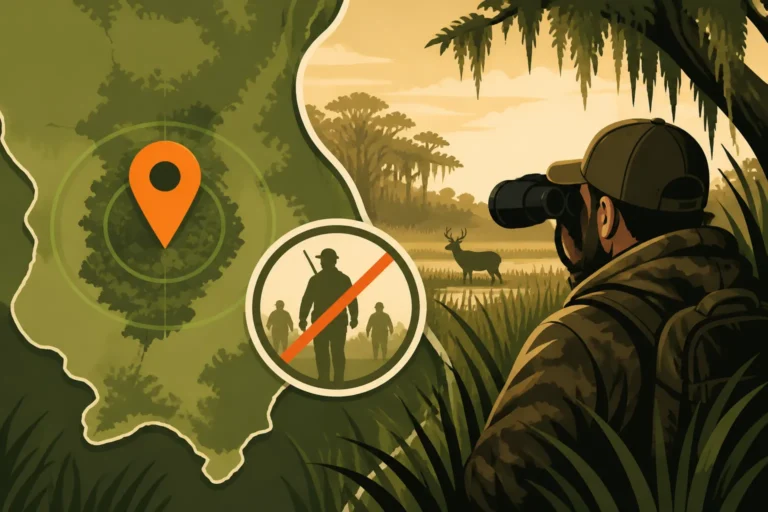
Finding exactly where public hunting is allowed can be one of the biggest headaches for new marsh hunters. Boundaries are rarely marked by fences, and distinguishing public water from private duck leases can be a nightmare without the right tools. Thankfully, modern technology has made this much easier.
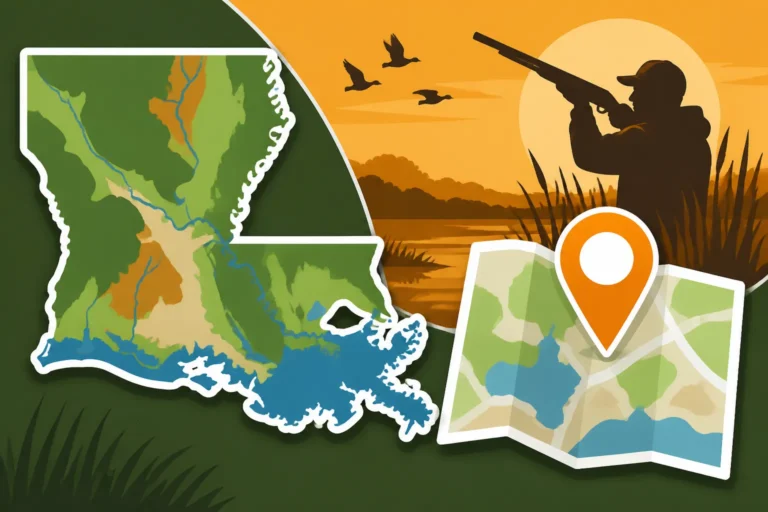
I highly recommend using mapping applications like onX Hunt or GoHunt. These tools are invaluable. They layer property lines over satellite imagery, clearly showing public land boundaries, private leases, and restricted areas. You can see waterfowl zones, WMA boundaries, and even historical aerial imagery that might reveal old cuts or ponds that are no longer visible on current maps. Before you even launch your boat, you can spend hours scouting from your couch, marking potential hunting spots, boat routes, and escape lanes. onX Layers for Louisiana Land Status can be a lifesaver in these situations, helping you avoid accidental trespass and making sure you're hunting legally.
Additionally, the LDWF website provides interactive maps and downloadable PDFs of wildlife management areas and refuges. These official resources are crucial for understanding specific regulations, such as designated hunting zones, no-wake areas, or restrictions on certain types of blinds. Always cross-reference your app data with the official LDWF maps, as regulations can change. Using the LDWF Map Tool is an absolute must for anyone planning a trip to a WMA or refuge.
Essential Gear and Practical Strategies for Marsh Hunters
Hunting the Iberia Parish marsh is a gear-intensive endeavor, and success often hinges on having the right equipment and the knowledge to use it effectively. Forget your heavy hiking boots; here, it's all about boats, waders, and precision navigation.
Boat Selection and Navigational Tools for the Shallow Waters
Your boat is your most critical piece of equipment in the marsh. Forget your deep-V bass boat or offshore rig; you need something designed for extreme shallows. Airboats are common for commercial guides due to their ability to run over virtually anything, but for most recreational hunters, a mud boat with a surface-drive or long-tail motor is the workhorse of the marsh. These boats can skim over inches of water, push through thick mud, and navigate vegetation that would foul a traditional outboard. Consider a hull made from aluminum for durability against submerged stumps and oyster shells. The size of the boat should balance capacity for hunters and gear with maneuverability in tight bayous and shallow ponds.
Navigation is paramount. A good GPS unit, whether a dedicated handheld device or your smartphone running a mapping app like onX Hunt, is absolutely essential. Don't rely solely on cell service; download offline maps before you leave the dock, as signals are spotty at best in remote marsh areas. Mark your launch point, your proposed hunting spots, and any key navigational hazards or channels. In low light or fog, the marsh can become disorienting very quickly. A compass and paper map are also wise backups, a true analog safety net. Scouting Louisiana Public Land Before Season isn't just about finding deer sign; in the marsh, it's about finding navigable water and safe routes.
Weather, Tides, and Staying Safe in the Shifting Landscape
The weather in coastal Louisiana can change on a dime, and the marsh offers little shelter. A calm morning can quickly turn into a wind-whipped, white-capped nightmare. Always check the marine forecast before heading out, paying close attention to wind speed and direction. Strong winds can make shallow bay crossings dangerous and stir up so much chop that your decoys are useless. Furthermore, prolonged strong winds from the north or south can literally push water out of or into the marsh, dramatically affecting depths and access.
Tides are another crucial factor. While the Gulf tide doesn't have the dramatic rise and fall seen on other coasts, it still influences water levels, especially in the shallower ponds and bayous. A low tide can strand your boat or make it impossible to reach your desired hunting spot. Familiarize yourself with local tide charts and plan your entry and exit accordingly. Reading a Marsh Pond for a Morning Flight will often involve understanding these tidal influences.
Safety should always be your top priority. Tell someone where you're going and when you expect to return. Carry a fully charged cell phone (in a waterproof bag!), flares, a whistle, a first-aid kit, and plenty of water. Wear your life vest, especially when traveling in rough water or unknown territory. Be mindful of wildlife; alligators are common, especially in warmer months, and their presence adds another layer of awareness to marsh operations. Getting stuck or breaking down miles from the launch can quickly become a serious situation, so preparing for the unexpected is key.
Target Species and Effective Tactics for the Iberia Marsh
While the coastal marsh is synonymous with waterfowl, it actually offers opportunities for a variety of game species. Knowing what you're hunting and the best way to pursue it in this unique environment is crucial for success.
Waterfowl: The Primary Draw of the Coastal Wetlands
Without a doubt, ducks and geese are the stars of the Iberia Parish marsh. Our position on the Mississippi Flyway means an incredible diversity and abundance of migratory birds. Gadwall, green-winged teal, wigeon, pintail, and various diving ducks are common, alongside resident mottled ducks. The strategy here often revolves around understanding Louisiana Waterfowl Zones and Seasons and finding areas with preferred food sources and undisturbed loafing areas.
Duck Hunting Tactics:
- Decoy Spreads: For shallow ponds, small spreads of a dozen or two decoys can be effective, mimicking small groups feeding. For open water, larger spreads might be needed to draw attention. Mix dabblers and divers if you expect both.
- Blind Placement: Natural blinds are often best. Tucking into a stand of roseau cane or a clump of grass can be incredibly effective. Portable layout blinds or boat blinds brushed in with marsh vegetation are also common.
- Calling: Soft, realistic calling is usually more effective than aggressive, loud calling in these close-quarter situations. Be ready for fast-moving birds that appear out of nowhere.
- Wind and Sun: Always try to set up with the wind at your back, pushing birds into your decoys. Also, consider the sun's position to avoid silhouetting yourself and to have the sun at your back for better visibility of incoming birds.
For those looking to target specific areas, tactics for Hunting Cameron Parish Marsh Ducks are often very similar to what you'd employ in Iberia, offering good transferable knowledge. And remember, the federal duck stamp and Louisiana Migratory Bird Certification are mandatory for waterfowl hunters.
Beyond Ducks: Exploring Other Opportunities
While ducks might hog the spotlight, the Iberia marsh offers other compelling hunting opportunities:
- Feral Hogs: These destructive invaders are present throughout the marsh, often seeking higher ground or dense vegetation. They don't have a closed season on private land and are a year-round target. Louisiana Feral Hog Regulations are very liberal, making them an excellent target for opportunistic hunters.
- Hog Hunting Tactics: Look for sign along cheniers (old shell ridges), levees, or any slightly elevated ground. They often root near freshwater sources. Spot-and-stalk can be effective from a boat during low tides, or setting up on a well-used trail in the few wooded pockets. Running dogs is another popular method where allowed.
- Alligators: Louisiana's gator population is thriving, and the state offers a recreational alligator lottery. If you're lucky enough to draw a tag for one of the zones that includes parts of Iberia Parish, hunting these prehistoric creatures is an unforgettable experience. Louisiana's New Recreational Alligator Season opened up this opportunity for residents.
- Alligator Hunting Tactics: This is highly specialized. Common methods include baited hook-and-line sets, as detailed in Hook-and-Line Alligator Setups, or bowfishing. It's often done at night, requiring proper lighting and extreme caution. Guides are commonly used due to the specialized equipment and inherent dangers.
- Small Game: While not as widespread as in upland areas, you can find small pockets of higher ground or cheniers in the marsh that hold rabbits and squirrels. These opportunities are generally incidental to other hunts but can provide a pleasant diversion. Keep an eye out for these rare, drier patches.
Table: Common Marsh Game and Hunting Considerations
| Game Species | Primary Season | Typical Habitat | Recommended Access | Key Hunting Considerations |
|---|---|---|---|---|
| Waterfowl | Fall/Winter (Migratory) | Shallow ponds, bayous, open bays | Mud boat, pirogue | Tides, wind, decoy placement, natural blinds, specific calling for marsh conditions. |
| Feral Hogs | Year-Round | Higher ground, cheniers, levees | Boat, foot (limited) | Look for rooting, wallows; opportunistic shooting; dog drives. |
| Alligators | Late Summer/Early Fall | Bayous, canals, deeper ponds | Boat (larger, stable) | Lottery tag required, specialized methods (hook-and-line, bowfishing), often guided. |
| Rabbits/Squirrels | Fall/Winter (Incidental) | Dry cheniers, wooded islands | Foot (limited), small boat | Usually opportunistic; requires finding rare patches of higher, wooded ground. |
No matter what you're targeting in the Iberia Parish marsh, the underlying principles remain the same: patience, adaptability, respect for the environment, and meticulous preparation. This isn't a place for the faint of heart or the underprepared, but for those who embrace its unique demands, it offers some of the most rewarding hunting experiences Louisiana has to offer. Remember to always check the most current Louisiana Wildlife Management Areas regulations and season dates before you head out.
Disclaimer
This article is for general informational purposes only and does not constitute professional advice. Laws, prices and regulations vary by location and change over time. Consult a qualified professional for guidance on your specific situation.