Vernon Parish Kisatchie Access
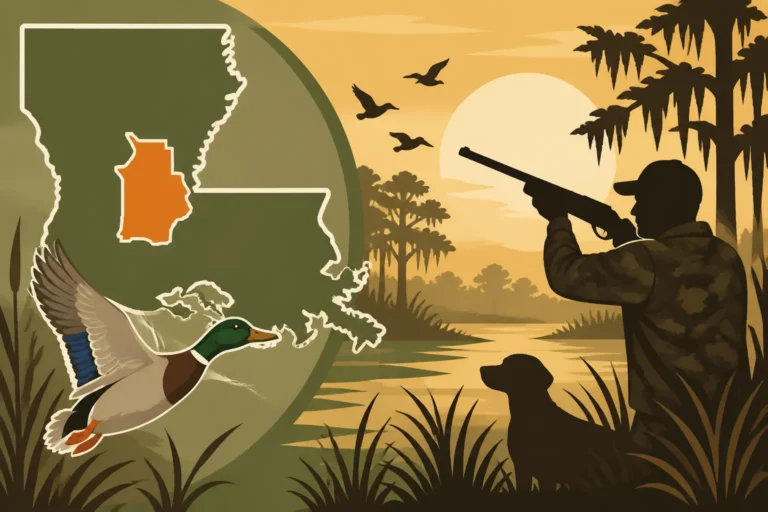
Hunting in Vernon Parish can feel like a maze, especially when you're trying to navigate the sprawling, yet often fragmented, sections of Kisatchie National Forest. It's a common frustration for many hunters, trying to figure out where public land actually begins and ends, and how to even get your boots on the ground in these incredible but sometimes confusing tracts. This guide is here to untangle that complexity, providing you with practical advice on how to access, understand, and successfully hunt the public lands within Vernon Parish's Kisatchie National Forest.
Understanding Kisatchie National Forest in Vernon Parish
Kisatchie National Forest isn't one monolithic block of timber; it's a patchwork quilt across central and northern Louisiana, with significant portions weaving through Vernon Parish. These are lands managed by the U.S. Forest Service, often surrounded by private timber company holdings or small private parcels, which can make drawing a clear line in the sand challenging for a hunter eager to explore.
Kisatchie's Presence in Vernon Parish
In Vernon Parish, you'll primarily be looking at sections managed by the Calcasieu Ranger District, though some areas might border or be influenced by other districts. This distinction is important because while the overall regulations for Kisatchie National Forest are consistent, local ranger districts sometimes have specific updates or points of contact. The terrain here is quintessential piney woods: rolling hills covered in loblolly and longleaf pine, interspersed with hardwood drains, creek bottoms, and occasional clearcuts in various stages of regrowth. It's a diverse landscape that offers a range of habitats for deer, hogs, squirrels, and even some turkeys.
The real challenge for hunters often isn't the terrain itself, but identifying the actual boundaries. You might find a beautiful pine ridge that suddenly turns into private timberland just over the rise, or a promising creek bottom that's only public for a short stretch. This fragmentation means you can't just drive down a forest road and assume everything on both sides is fair game. Understanding these nuances is crucial to avoid trespassing and to maximize your hunting time on legal public ground. It's a different beast than hunting a large, contiguous Wildlife Management Area (WMA), requiring a more strategic approach to scouting and access. If you're new to the area, it's wise to spend more time than usual on pre-season reconnaissance, as detailed in Scouting Louisiana Public Land Before Season.
Common Entry Points and Access Roads
Getting into Kisatchie in Vernon Parish typically involves a mix of state highways, parish roads, and designated Forest Service roads. Major highways like US-171 or LA-8 often serve as arteries, with smaller, often unpaved, parish roads branching off them and eventually leading into the forest land. Once you're on Forest Service roads, these can range from well-maintained gravel roads to two-track dirt paths that might require a high-clearance vehicle, especially after a good rain.
Many of these Forest Service roads are clearly marked with their road number, but signage can be sporadic, especially deeper within the forest. Hunters frequently use these roads to park and then walk in, though some areas allow ATV use on designated trails, so always check the specific rules for the area you plan to hunt, as ATV Rules on Louisiana Forest Roads explains. Identifying these entry points before you leave home is key. Look for areas where public land abuts a paved road or where a well-defined forest road penetrates deep into a Kisatchie tract. These are your starting lines. Remember that cell service can be spotty in many parts of the forest, so downloading offline maps is a must. Knowing the common approaches helps you narrow down your initial scouting efforts and focus on areas with viable access.
Navigating Public Access and Regulations
Hunting public land in Louisiana, especially within a National Forest, comes with its own set of rules and challenges. It's not just about finding game; it's about staying legal and respecting the land.
Using Mapping Tools for Kisatchie Access
The days of relying solely on paper maps are largely behind us, especially in a fragmented area like Kisatchie National Forest. Digital mapping tools have become indispensable for any serious public land hunter. Platforms like onX Hunt and GoHunt are game-changers for navigating Vernon Parish Kisatchie access. These apps provide detailed property line information, color-coding public land from private, clearly showing Forest Service roads, trails, and topographical features. This visual clarity is critical when you're on the ground, helping you know exactly where you stand and avoiding accidental trespass onto private property.
Imagine you're walking a promising ridge. With one of these apps, a quick glance at your phone tells you if that thick stand of pines just ahead is still public ground or if you're approaching a private land boundary. You can mark waypoints for your stand locations, potential bedding areas, or even where you parked your truck. The ability to download maps for offline use is incredibly valuable, as cell service can be unreliable in many remote parts of Kisatchie. Before you even set foot in the woods, you can use these tools at home to identify potential access points, scout pinch points, funnels, and remote corners that might hold less pressured deer. Pair this with aerial photos and topographic overlays, and you gain a massive advantage in understanding the terrain before you ever pull on your boots. For additional digital resources, remember that Scouting With the LDWF App can also be a helpful complement.
Specific Rules and Permits for Kisatchie Hunting
While the Louisiana Department of Wildlife and Fisheries (LDWF) sets statewide hunting seasons and bag limits, Kisatchie National Forest also has its own specific regulations you need to be aware of. These are often managed by the U.S. Forest Service and can cover things like vehicle access, camping, and stand placement. For instance, while you might be able to put up a temporary climbing stand on national forest land, permanent stands or those that damage trees are usually prohibited. You'll also need to understand any restrictions on motor vehicles, which are typically confined to designated roads and trails, unlike some private lands where you might have more freedom.
Unlike WMAs, Kisatchie National Forest generally doesn't require a separate WMA permit, but you absolutely still need all standard Louisiana hunting licenses and deer tags (if applicable). Always check the latest U.S. Forest Service regulations for the specific ranger district (e.g., Calcasieu Ranger District for much of Vernon Parish) in addition to the LDWF regulations. These can often be found on the Forest Service website or by contacting the district office directly. Ignoring these rules can lead to fines, loss of hunting privileges, and even confiscation of gear. It's not just about staying legal; it's about being a responsible public land user and ensuring these resources remain available for everyone. Information on general Treestand Rules on Louisiana Public Land is a good starting point, but always double-check the Kisatchie-specific nuances.
Strategies for Hunting Success in Vernon Parish Kisatchie
Once you've tackled the access and regulations, it's time to focus on putting those hunting skills to work within the unique environment of Kisatchie.
Scouting and Interpreting the Terrain
Hunting in Vernon Parish's Kisatchie requires a keen eye for terrain and habitat. The pine plantations, while sometimes seemingly barren, can offer incredible cover for deer, especially the younger, dense regrowth areas. Creek bottoms and hardwood drains, however, are often the true magnets, providing crucial food sources like acorns and softer browse, as well as water. When scouting, focus on these transition areas: where a pine plantation meets a hardwood bottom, or where a clearcut borders mature timber. These edges are natural travel corridors. Look for sign – tracks, rubs, scrapes – especially along the edges of thicker cover and near potential food sources. Reading Aerial Photos for Central Louisiana Deer can give you a bird's-eye view, helping you pinpoint these features before you ever step foot on the ground.
The rolling hills mean you'll have thermals to consider, especially in the mornings and evenings, pushing scent up or down the slopes. Understanding these subtle shifts in air current can be the difference between a successful hunt and alerting every deer in the area. Pay attention to bedding areas, which are often in the densest cover, whether it's a thicket of young pines or a particularly gnarly section of hardwood bottomland. You're not just looking for deer; you're looking for patterns in their movement, their feeding, and their bedding, all dictated by the diverse Kisatchie landscape. Knowing how to interpret Finding Sign in Big Kisatchie Timber is critical for unraveling these patterns.
Dealing with Hunting Pressure and Finding Seclusion
Let's be realistic: public land often comes with public pressure. During opening weekend, especially for firearms season, Kisatchie can see its fair share of hunters. But don't let that deter you. The key to finding success, and more importantly, seclusion, is often a willingness to walk further and to use your mapping tools to identify less obvious access points. Most hunters will stick close to roads and easily accessible areas. The deer know this, and they'll quickly move into thicker cover or deeper, more remote sections.
Use your onX Hunt or GoHunt app to look for those deeper pockets of public land that require a longer walk, or perhaps an unusual access route. Find finger ridges that extend out into creek bottoms, or areas where dense cover offers a sanctuary. Hunting mid-week, if your schedule allows, can also significantly reduce the pressure. Early season archery hunts or late-season firearms hunts after the initial rush can also be excellent times to find quieter woods. Remember, the goal isn't just to find deer, but to find deer that haven't been pushed and harassed by other hunters. Being able to adapt your strategy based on pressure, as discussed in Hunting Pressure on Louisiana Public Land, is a hallmark of a successful public land hunter.
Table: Key Considerations for Kisatchie Hunting in Vernon Parish
| Aspect | Description | Actionable Tip |
|---|---|---|
| Land Ownership | Kisatchie is fragmented; public land is intermingled with private. | Use onX Hunt or GoHunt to verify boundaries constantly. |
| Access Roads | A mix of paved, gravel, and dirt roads. Some may be rough or seasonally closed. | Scout roads beforehand, check Forest Service alerts, and have appropriate vehicle clearance. |
| Regulations | Both LDWF and U.S. Forest Service rules apply. | Review both agencies' websites for the Calcasieu Ranger District and statewide regulations before each hunt. |
| Terrain | Rolling pine hills, hardwood drains, creek bottoms, clearcuts. | Focus scouting on transition zones (pine to hardwood, clearcut edges) for sign and travel corridors. |
| Hunting Pressure | Can be high, especially on opening weekends and near easily accessible roads. | Walk further, hunt mid-week, or target less obvious entry points to find seclusion. |
| Mapping & Navigation | Cell service is often unreliable in remote Kisatchie areas. | Download offline maps on your onX Hunt or GoHunt app before you leave home. Carry a compass as backup. |
| Camping | Dispersed camping is often allowed, but specific rules exist. | Check Camping Rules on Kisatchie Forest Land and Forest Service regulations for fire, duration, and specific site restrictions. |
| Gear | Durable footwear, appropriate layered clothing, and reliable navigation tools are essential. | Pack for variable weather and be prepared for extensive walking through rugged terrain. Consider Louisiana Legal Firearms for Deer Hunting. |
Remember, hunting Kisatchie National Forest in Vernon Parish is an adventure. It demands preparation, a good understanding of the land, and respect for both the wildlife and the regulations. By utilizing modern mapping tools, staying informed on rules, and putting in the effort to scout and walk, you can unlock some fantastic public land hunting opportunities in the heart of Louisiana's piney woods, seeking out White-Tailed Deer Across Louisiana and other game.
Disclaimer
This article is for general informational purposes only and does not constitute professional advice. Laws, prices and regulations vary by location and change over time. Consult a qualified professional for guidance on your specific situation.