Squirrel and Small Game Hunting in Louisiana
The bayou state is renowned for its deer, ducks, and alligators, but many new hunters feel overwhelmed by the complexity, cost, and commitment these pursuits often demand. If you’re looking for a low-pressure, high-reward entry into the vibrant world of Louisiana hunting, small game is your answer. This comprehensive guide will equip you with everything you need to know to confidently pursue squirrels and rabbits across our diverse landscapes, from dense bottomlands to forgotten thickets.
Why Louisiana's Small Game Hunting is a Perfect Starting Point
For folks just getting their boots wet in the hunting world, or for seasoned veterans looking to reconnect with the simpler joys of the outdoors, small game hunting in Louisiana offers an unparalleled experience. It's often less about the expensive gear and more about the knowledge, the stealth, and the sheer delight of a crisp morning in the woods. Unlike the often solitary and intense nature of deer hunting, small game pursuits can be highly social, making them ideal for passing on traditions or just enjoying time with friends and family.
The Accessibility and Family-Friendly Nature
One of the biggest hurdles for new hunters can be the financial investment. High-powered rifles, specialized archery equipment, and extensive camo patterns can quickly add up. Small game, however, often requires very little beyond a reliable shotgun or a .22 rifle, some basic camouflage, and a willingness to walk. This low barrier to entry makes it incredibly accessible. Think about it: a simple single-shot .22 can bring hours of fun without breaking the bank. Furthermore, the action tends to be more consistent than big game, which is perfect for keeping younger hunters engaged. There's nothing quite like the excitement in a child's eyes when a bushytail barks or a rabbit suddenly jumps from cover. It's a fantastic way to teach woodcraft, tracking, and firearm safety in a less pressured environment.
The relaxed pace also means less pressure. You're not typically worried about disturbing a monster buck or spooking a flock of wary mallards. Instead, you're enjoying the rustle of leaves, the calls of birds, and the chance to hone your stalking skills. It's a great opportunity to connect with nature without the intense focus required for larger game. Plus, with generous seasons and bag limits for most small game species, you've got ample time to get out and enjoy the bounty Louisiana offers.
Bridging the Gap to Big Game Pursuits
While small game hunting might seem like a world apart from big game, it actually serves as an incredible training ground. The skills you develop while pursuing squirrels and rabbits directly translate to becoming a more effective deer or turkey hunter. Learning to move quietly through the woods, identifying game sign, understanding animal behavior, and accurately shooting on the move are all crucial elements that are sharpened during a small game hunt.
Imagine trying to slip through a dense cypress break in the Atchafalaya Basin to get on a deer. If you haven't practiced moving silently, understanding how to use cover, and reading the wind, your chances are slim. Small game hunting forces you to pay attention to these details. You learn to spot the flick of a tail, the subtle movement in the canopy, or the twitch of an ear that gives an animal away. These observational skills are priceless, whether you're trying to locate a hidden gobbler or decipher a fresh deer track. It's an outdoor classroom where every rustle and every shadow tells a story, preparing you for the challenges of bigger quarry down the line.
Deciphering Louisiana's Small Game Species and Their Habits
Louisiana is blessed with a diverse array of small game species, offering hunters a variety of experiences. While squirrels and rabbits are the primary focus for most, understanding their distinct habits is key to successful hunting. Knowing where they live, what they eat, and how they react to pressure will dramatically increase your chances of filling your vest.
The Elusive Gray Squirrel and Robust Fox Squirrel
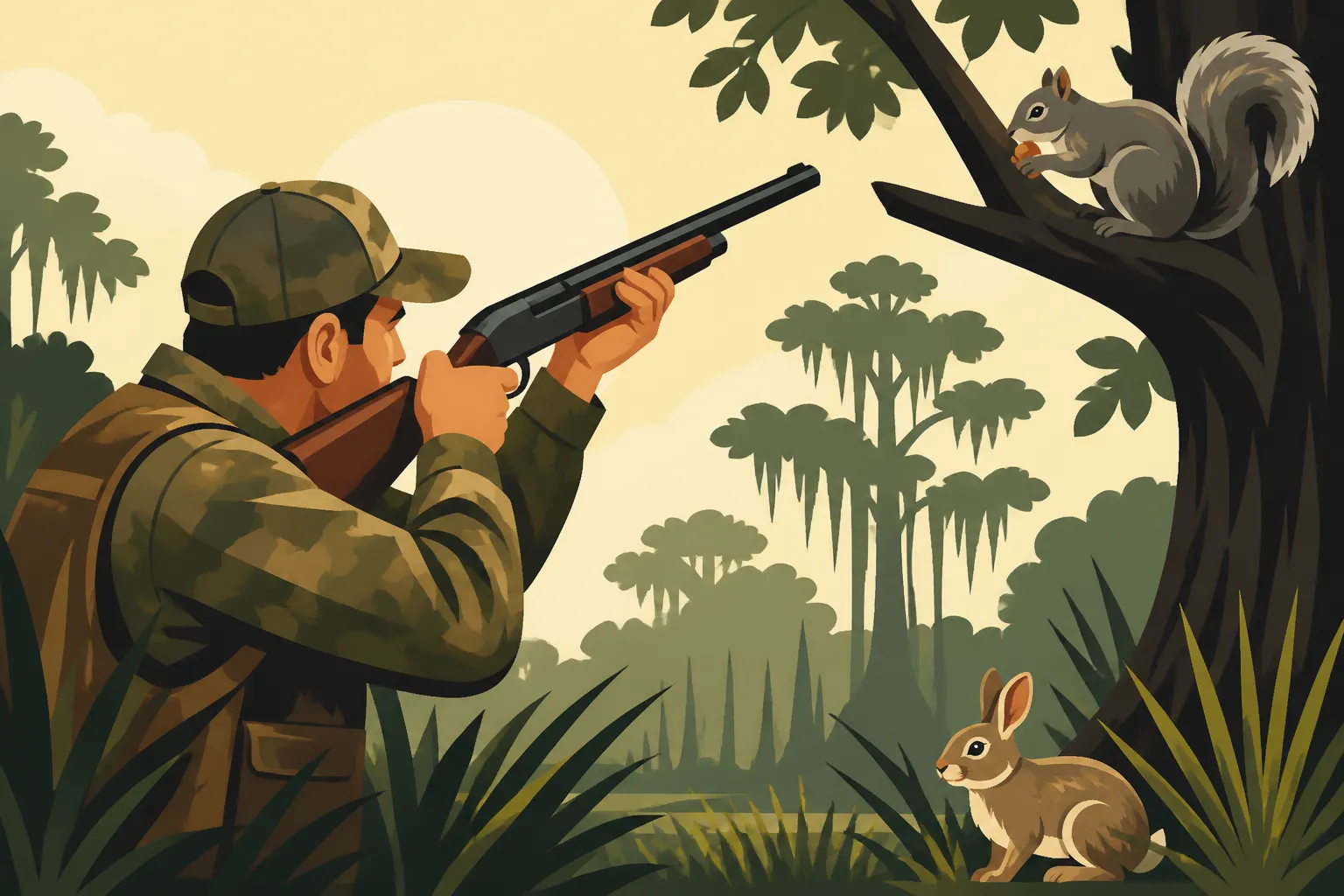
When we talk about squirrels in Louisiana, we're primarily focused on two species: the gray squirrel and the fox squirrel. Both are abundant, but they often prefer slightly different habitats and exhibit distinct behaviors. Gray squirrels, often referred to as "cat squirrels" by locals, are smaller, more agile, and tend to prefer dense bottomland hardwoods with a mix of mature timber and undergrowth. They are incredibly quick and can disappear into the canopy with astonishing speed, often circling a tree to keep it between themselves and the hunter.
Fox squirrels, on the other hand, are larger, often sporting a more reddish or yellowish tint, and prefer more open piney woods or mixed pine-hardwood forests. They are not quite as frantic as grays and sometimes present a slightly larger, slower target. Their size also means a bit more meat for the pot! Both species rely heavily on mast crops – acorns, pecans, hickory nuts, and even pine seeds. If you can find a good stand of mast-producing trees, especially in a year with a strong mast crop, you're likely to find squirrels. Their daily routine often involves a burst of activity at first light, a mid-day lull, and another flurry of feeding in the late afternoon.
Battling Bunnies: Cottontails and Swamp Rabbits
Louisiana is home to two main rabbit species that provide fantastic hunting opportunities: the Eastern Cottontail and the Swamp Rabbit (often called "cane cutters" or "swampers"). Cottontails are your classic backyard bunnies, favoring brushy fields, fencerows, clear-cuts, and the edges of timber. They are smaller and tend to run in tighter circles when pushed, making them ideal for dog hunting in more open terrain. They're also prolific breeders, meaning populations can rebound quickly even with heavy hunting pressure.
Swamp rabbits are larger, darker, and have a more robust build, perfectly adapted to their watery habitats. As their name suggests, they thrive in swamps, marshes, sloughs, and dense cane thickets along bayous. They are strong swimmers and will often take to the water to escape predators. When pushed, they tend to run in straighter lines than cottontails, often heading for the thickest, nastiest cover they can find. Hunting swamp rabbits usually means getting wet and dealing with dense vegetation, but the reward of a big, dark swamper for the stew pot is well worth the effort.
Other Opportunistic Small Game Species
While squirrels and rabbits are the main event, Louisiana offers other small game opportunities that can provide additional excitement and challenge. Doves, for instance, are migratory birds but offer fast-paced shooting, particularly around agricultural fields in early September. Quail, once more common, are still found in isolated pockets of suitable habitat, offering a more traditional upland bird hunting experience.
For those interested in fur-bearers, raccoons and opossums are abundant and can be hunted using methods similar to those for squirrels and rabbits, often at night with dogs. While not typically thought of as "small game" in the traditional sense, they do offer an extended season and different challenges. However, the focus for most small game hunters remains firmly on the bushy-tailed and long-eared residents of the Louisiana woods.
Navigating Louisiana's Small Game Seasons and Regulations
Understanding the seasons and regulations is absolutely critical before you head into the woods. The Louisiana Department of Wildlife and Fisheries (LDWF) sets these rules to ensure sustainable populations and safe hunting practices. Always consult the current year's hunting regulations booklet, which you can usually find online or at your local sporting goods store, as dates and rules can change annually.
Squirrel Season Specifics and Bag Limits
Louisiana's squirrel season is notably generous, often opening in October and running all the way through February, sometimes even into March, providing ample opportunities to pursue these acrobatic tree dwellers. This extended season allows hunters to experience squirrel hunting in varying conditions, from the crisp coolness of fall to the milder days of late winter. The daily bag limit for squirrels is usually 8 per person, per day, which means a successful outing can put a good amount of meat in the freezer. There's also a possession limit, typically three times the daily bag limit, which is important to remember if you're taking a multi-day trip or have accumulated a few days' worth of harvest.
It's vital to note that while the general statewide season is long, specific Wildlife Management Areas (WMAs) might have different dates or more restrictive bag limits. For example, some WMAs might close earlier or have specific archery-only periods for small game. Always check the individual WMA regulations before you plan your trip. You can also find information on topics like Louisiana Squirrel Season Opening Day which provides specific dates that might fluctuate slightly each year, or review the general Louisiana Small Game Season Rules for a broader overview of regulations.
Rabbit Season Windows and Daily Possessions
Rabbit season in Louisiana often coincides with a portion of the squirrel season, typically opening in October and running through February. This overlap allows for mixed-bag hunts, where you might target both species in the same outing if the habitat is suitable. The daily bag limit for rabbits is usually 8 per person, per day, mirroring that of squirrels. Like squirrels, the possession limit for rabbits is generally three times the daily bag limit.
Again, WMA regulations can differ from statewide rules. For instance, some WMAs might prohibit dog hunting for rabbits during certain periods or restrict hunting to specific days of the week. This is particularly relevant if you plan on participating in Rabbit Hunting Thick Louisiana Brush with a pack of beagles. It's also worth noting that while feral hogs are present year-round, most hunters pursue rabbits with traditional methods during the established season windows, as it’s a more structured and traditional pursuit. Check the specific Louisiana Squirrel Daily Bag Limit and rabbit limits in the current regulations to avoid any surprises.
Understanding Public Land Rules and WMA Permits
Hunting on public land, especially Louisiana Wildlife Management Areas (WMAs), comes with its own set of rules that often go beyond the statewide general regulations. Beyond seasons and bag limits, WMAs often have specific requirements regarding vehicle access, camping, weapons restrictions, and even the use of certain hunting methods like dog hunting. Many WMAs require a WMA Access Permit in addition to your basic Louisiana hunting license. These permits are typically inexpensive and can be purchased online or wherever licenses are sold.
It's also crucial to understand that certain WMAs may have designated "still hunt" areas where dogs are not allowed, or "dog hunt" areas where dogs are permitted. These distinctions are very important for rabbit and squirrel hunters, as dog hunting is a popular and effective method for both. Before heading out, use the LDWF's online mapping tools or consult their WMA section to get detailed information about the area you plan to visit. Understanding these nuances, as covered in topics like Louisiana Wildlife Management Areas, is key to a legal and enjoyable hunt. GoHunt, a popular outdoor mapping and planning tool, can be immensely helpful for overlaying WMA boundaries and regulations onto detailed topographical maps.
Essential Gear for a Successful Small Game Outing
One of the great appeals of small game hunting is that it doesn't require a fortune in specialized equipment. However, having the right basic gear can significantly enhance your comfort, safety, and success in the Louisiana woods. You want to be prepared for everything from damp conditions to a quick shot opportunity.
Firearms and Ammunition Choices for Small Game
For squirrels, the most common choices are a .22 caliber rifle or a shotgun. The .22 rifle, whether a bolt-action, semi-auto, or lever-action, is a classic for a reason. It's quiet, accurate, and the ammunition is inexpensive. Headshots with a .22 leave plenty of meat intact and are incredibly satisfying. Many hunters prefer a quality scope, even a low-power one, to pick out squirrels high in the trees. Brands like Ruger and Savage offer excellent, affordable .22 rifles that are perfect for this pursuit.
Shotguns, typically 20 gauge or 12 gauge, are also highly effective, especially for fast-moving squirrels or when hunting with dogs where shots might be quicker and closer. Light loads with small shot sizes, like 6 or 7.5, are ideal. For rabbits, shotguns are arguably the preferred tool, especially when busting thickets or hunting with dogs. The spread of a shotgun pattern increases your chances of connecting with a fast-moving bunny. While some hunters use .22s for rabbits, it requires much more precise shot placement on a moving target. Remember to always use the appropriate ammunition for your firearm and game species, prioritizing humane harvesting.
Dressing for Success: From Boots to Camo
Louisiana weather can be fickle, especially during hunting season. Layering is key. Start with moisture-wicking base layers, add insulating mid-layers, and finish with a waterproof and windproof outer layer. Even if it starts cool, midday can get surprisingly warm, so being able to shed layers is crucial. Camouflage is beneficial but not strictly necessary for small game; solid earth tones like greens and browns work just as well, as long as you blend with your surroundings. What is essential is durable, briar-resistant clothing if you plan on chasing rabbits through thick cover. A good pair of canvas or synthetic brush pants can save your legs from a lot of scratches and thorns.
Footwear is perhaps the most important item. Waterproof boots with good ankle support are a must, especially if you're hunting in bottomlands or swampy areas where you'll encounter standing water, dew, and mud. Muck Boots or similar rubber boots are often favored for their waterproof qualities. Comfort is paramount, as you'll be doing a lot of walking. Don't forget a sturdy hat to protect you from the sun, rain, and falling debris.
Crucial Accessories: Calls, Vests, and More
Beyond firearms and clothing, a few accessories can make a big difference. A good game vest or small backpack with game pouch is invaluable for carrying your harvest, extra ammunition, water, snacks, and any calls you might use. For squirrel hunting, a squirrel call can be very effective. There are various types, from bellows calls that mimic barks to shakers that replicate rustling leaves. Learning to use one can bring curious squirrels closer or encourage them to reveal their location.
A reliable compass or GPS device (like the kind you find on the GoHunt app) is also critical, especially if you're exploring unfamiliar public lands. A small knife for field dressing, a pair of binoculars for spotting game high in trees, and insect repellent (even in cooler months, Louisiana mosquitoes can be tenacious) round out the essentials. Don't forget a first-aid kit, a flashlight, and bright orange (blaze orange or blaze pink) clothing if hunting during firearms season, as required by law for safety.
Mastering Squirrel Hunting Tactics in the Bayou State
Squirrel hunting in Louisiana is a delightful pursuit, offering a blend of stealth, observation, and quick reflexes. Whether you prefer the quiet solitude of still hunting or the exciting commotion of a dog hunt, there's a method that will suit your style.
The Art of Still Hunting Louisiana Bottomland Hardwoods
Still hunting for squirrels is an exercise in patience and quiet movement. The idea is to move slowly, almost imperceptibly, through prime habitat, stopping frequently to scan the trees and listen for the telltale sounds of squirrels. Ideal terrain includes mature bottomland hardwoods along rivers and creeks, especially those with a good mix of acorn-producing oaks and pecans. Early morning is often the best time, as squirrels are most active just after daylight, foraging for nuts.
When still hunting, focus on movement – not just your own, but any subtle twitch or flick of a tail high in the canopy. Use the trees and undergrowth to break up your silhouette. Move 10-20 yards, then stop for several minutes, listening for barks, chattering, or the sound of falling nut husks. Binoculars are incredibly helpful for picking out a well-camouflaged squirrel against the bark. Be prepared for quick shots, as squirrels rarely hold still for long once they sense danger. This technique is extensively covered in resources like Squirrel Hunting Louisiana Bottomland Hardwoods, which provides deeper insights into specific tree species and terrain to target.
Unleashing the Hounds: Dog Hunting for Squirrels
For many, squirrel hunting with dogs is the quintessential Louisiana experience. It's a much more active and social pursuit, filled with the music of baying hounds. Squirrel dogs, typically curs, feists, or a mix of breeds, are trained to locate squirrels, bark "treed" when they find one, and then keep the squirrel busy while the hunter moves in for a shot. The dogs’ enthusiasm and relentless pursuit make this method incredibly effective, particularly when squirrels are less active or in very dense cover.
When dog hunting, the goal is often to surround the tree the dog has barked up, allowing hunters to get a clear shot. It requires good communication between hunters and dogs, and often involves navigating challenging terrain. This method is especially fruitful in areas with thick underbrush where still hunting would be difficult, as the dogs do all the heavy lifting of flushing and locating. It's a wonderful way to teach youngsters about hunting, as the constant action and dog work keep everyone engaged. Just remember to check WMA regulations regarding dog hunting, as some areas may have restrictions.
Reading the Woods for Squirrel Sign
Becoming a successful squirrel hunter means learning to "read the woods." This involves more than just spotting a squirrel; it's about understanding their habits and anticipating their movements. Look for cut nut husks on logs, stumps, or the forest floor, which indicate active feeding areas. The fresher the cuts, the more recently squirrels have been there. You can also look for gnaw marks on bark or even squirrel nests (dreys) high in the trees, though these only indicate presence, not necessarily current activity.
Beyond visual cues, listening is crucial. Squirrels are noisy eaters, and the sound of falling nut pieces or the constant chattering and barking can lead you right to them. Pay attention to specific tree species: oak trees, hickory groves, and pecan trees are absolute magnets for squirrels when their mast is ripe. Areas near water sources can also be productive, as squirrels need to drink regularly. By combining visual scouting for sign with careful listening and slow, deliberate movement, you'll dramatically increase your chances of finding and harvesting squirrels. For example, knowing how to identify productive Squirrel Hunting Louisiana Hickory Groves can be a real game-changer when scouting.
Effective Strategies for Hunting Louisiana Rabbits
Rabbit hunting in Louisiana, particularly with beagles, is a tradition deeply woven into the fabric of the state's hunting culture. It's an energetic pursuit that often involves navigating dense cover and enjoying the thrill of the chase.
Pushing Thick Cover and Brush Piles
One of the most effective ways to hunt rabbits, especially without dogs, is by actively pushing through their preferred habitat. Rabbits love dense, impenetrable cover – briar patches, honeysuckle thickets, fallen log piles, abandoned farm machinery, and overgrown fencerows. These spots provide both food and protection from predators. The strategy involves walking slowly and deliberately through or along the edges of this cover, forcing rabbits to break out. This is where durable brush pants and good boots become absolutely essential.
When pushing cover, it's often best done with a partner or small group. Station one or two hunters at the "exit points" of a thicket while others slowly walk through, making noise and kicking at brush piles. Rabbits will often hold tight until the very last second before bursting out. Be ready for quick, close-range shots. Pay particular attention to areas where different types of cover meet, such as the edge of a timber stand next to a clear-cut, as these "transition zones" are rabbit magnets.
The Thrill of the Chase with Beagles
Dog hunting for rabbits with a pack of beagles is arguably the most popular and exciting method in Louisiana. The dogs' keen noses and tireless energy are perfectly suited for rooting out rabbits from the densest cover. Once a rabbit is jumped, the beagles will give chase, their distinctive baying cries echoing through the woods. Rabbits, when chased, typically run in circles, eventually returning near their starting point. This gives the hunter time to position themselves for a shot when the rabbit comes back around.
The key to a successful beagle hunt is patience and good listening skills. Position yourself in an area where you have good visibility and shooting lanes, usually an open area adjacent to a thicket. Listen to the dogs; their change in tone or pace can tell you if the rabbit is close, speeding up, or has gone into a hole. It's a highly social hunt, often involving a group of friends, and the camaraderie and the music of the hounds make for an unforgettable experience. However, be mindful of Hunting With Dogs Where Louisiana Allows It to ensure you are compliant with local and WMA regulations.
Early Morning and Late Evening Ambush Points
While rabbits can be found at any time of day, they are often most active during the cooler hours of early morning and late evening, particularly during feeding periods. During these times, you might find rabbits moving out of their dense bedding cover to feed in more open areas, such as grassy clearings, field edges, or along logging roads. Setting up an ambush point in these transition zones can be a highly effective tactic, especially if you're hunting without dogs.
Look for fresh droppings or tracks that indicate a well-used travel corridor. Position yourself downwind, concealed by natural cover, and remain still and quiet. Be ready to take a shot as rabbits emerge to feed. This method requires excellent camouflage and patience, similar to still hunting for squirrels, but it can be incredibly rewarding. On days with poor weather, such as light rain or heavy overcast skies, rabbits might be active for longer periods throughout the day, offering additional opportunities.
Locating Prime Small Game Habitat in Louisiana
Finding where the small game lives is half the battle. Louisiana's diverse landscape, from the piney hills to the coastal marshes, offers a variety of habitats, and understanding which ones hold squirrels and rabbits is crucial.
Identifying Productive Public Lands and WMAs
Louisiana boasts a substantial amount of public hunting land, including numerous Wildlife Management Areas (WMAs) and portions of Kisatchie National Forest. Many of these areas are fantastic for small game. When evaluating a WMA, look for diversity in habitat: areas with mature bottomland hardwoods for squirrels, and dense clear-cuts or brushy edges for rabbits. The LDWF website and their mobile app are invaluable resources, offering detailed maps, habitat descriptions, and specific regulations for each WMA. Tools like the GoHunt app are excellent for scouting public land boundaries and identifying potential hotspots from home.
For example, WMAs like Pearl River WMA or Sherburne WMA, with their extensive bottomland hardwoods and cypress-tupelo swamps, are phenomenal for squirrels and swamp rabbits. Upland WMAs in the piney hills, with their mixed timber and regeneration areas, will hold more fox squirrels and cottontails. Don't be afraid to do some Scouting Louisiana Public Land Before Season to identify promising areas, looking for mast trees, thickets, and game trails. Remember that hunting pressure can be higher on public lands, especially on opening weekend, so finding less-traveled areas can make a big difference. This often means walking a bit further than other hunters might.
Securing Private Land Access for Small Game
While public lands offer great opportunities, private land can often provide less pressured hunting and excellent habitat. Gaining permission to hunt private land requires a bit of effort and courtesy, but it can pay huge dividends. Start by knocking on doors in rural areas, particularly around farms, timber company lands, or even small landowners with overgrown acreage. Present yourself politely, dressed neatly, and be clear about your intentions – that you're seeking permission to hunt small game.
Offer to share some of your harvest or help with small tasks around the property. Always respect the landowner's wishes, leave no trash behind, and close all gates. A good relationship with a landowner can lead to years of enjoyable hunting. Many farmers are happy to have hunters help control rabbit and squirrel populations, especially if they are impacting gardens or crops. This personalized approach to Getting Private Land Permission in Louisiana can unlock some of the best small game hunting Louisiana has to offer.
Key Habitat Features for Squirrels and Rabbits
When you're out scouting, either on public or private land, keep an eye out for specific habitat features that scream "small game!" For squirrels, prime habitat includes mature hardwood forests, especially those with oak, pecan, and hickory trees that provide essential mast crops. Look for large, mature trees with den cavities, which offer shelter. Areas with broken timber or blowdowns can also be productive, as they create natural funnels and cover. Understanding their preferred food sources is key; a poor acorn year, for instance, can drastically alter squirrel distribution.
For rabbits, focus on areas with dense, tangled cover. Think briar thickets, honeysuckle patches, overgrown clear-cuts, old fencerows, abandoned building sites, and areas with brush piles or downed timber. Rabbits rarely venture far from thick cover, as it's their primary defense against predators. They also need access to tender young vegetation for food, so look for edges where thick cover meets open grassy areas or young growth. Water sources, like small ditches or sloughs, are also attractive to both species. Recognizing these key habitat components will guide you to where you need to be.
From Field to Table: Processing Your Small Game Harvest
The hunt doesn't truly end until your game is properly processed and ready for the plate. Small game, particularly squirrels and rabbits, offers some of the finest wild eating, but proper field dressing and butchering are essential for quality.
Field Dressing Techniques for Freshness
Field dressing is the first crucial step to ensure the quality of your small game meat, especially in Louisiana's often warm climate. For both squirrels and rabbits, the goal is to remove the internal organs as quickly as possible to allow the carcass to cool down.
Squirrels: Once harvested, make a small incision near the anus and carefully cut forward, opening the body cavity. Reach in and remove all internal organs. Some hunters prefer to wear gloves for this. Be sure to check for any ticks, especially in warmer months. If you plan on skinning immediately, you can also remove the head and feet at this stage.
Rabbits: Field dressing a rabbit is very similar to a squirrel. Make a cut from the sternum to the pelvis, open the cavity, and remove all entrails. It's also a good idea to remove the scent glands located in the armpits and groin areas, as these can impart an off-flavor if left in. Many hunters prefer to take these steps within minutes of the harvest. After field dressing, wiping the cavity clean with a damp cloth or a handful of leaves and allowing it to air dry will help cool the meat. In warmer weather, get the carcass on ice or into a cooler as quickly as possible.
Simple Skinning and Butchering at Home
Skinning small game can seem daunting at first, but with a little practice, it becomes quick and easy.
Squirrels: A common method is the "tail-pull" technique. Make an incision across the base of the tail, cutting through the hide but not the bone. Stand on the tail, pull firmly on the hind legs, and the hide will often peel down like a glove. Then, simply cut the hide from the front legs and head. Once skinned, you can separate the squirrel into legs, saddles, and backbone sections with a sharp knife or game shears.
Rabbits: The "pants-off" method works well for rabbits. Make a cut around the rabbit's middle, effectively cutting through the hide all the way around. Grab the hide on one side of the cut and pull it down towards the hind legs, then repeat for the other side, pulling it towards the head. The hide should peel off relatively easily. Once skinned, quarter the rabbit into four legs and a saddle. Always use a sharp knife for clean cuts and remove any visible fat or connective tissue.
After butchering, rinse the meat thoroughly, pat it dry, and place it in an airtight container or vacuum seal it for freezing. Proper handling, as touched upon in Field Dressing a Deer in Warm Weather (though for deer, principles apply to all game), is paramount to preserving the delicate flavor of wild meat.
Delicious Ways to Cook Louisiana Squirrel and Rabbit
The real reward of small game hunting is enjoying the delicious meat. Both squirrel and rabbit are lean, flavorful, and incredibly versatile in the kitchen.
Squirrel: Squirrel meat is often compared to dark-meat chicken, but with a richer, wilder flavor. It's excellent braised, stewed, or fried. A classic Louisiana preparation is squirrel and dumplings, where the meat is slow-cooked until tender, then served with fluffy dumplings in a savory gravy. Fried squirrel is also a beloved dish; simply dredge the pieces in seasoned flour and pan-fry until golden brown. For a truly hearty meal, consider adding squirrel to a gumbo or a fricassee. The slow cooking helps break down tougher muscle fibers, resulting in melt-in-your-mouth tenderness.
Rabbit: Rabbit meat is similar to chicken or veal, with a delicate, slightly sweet flavor. It shines in stews, fricassee, or braised dishes. Rabbit and sausage gumbo is a staple in many Louisiana kitchens, offering a robust flavor profile that warms the soul. Fried rabbit, much like fried chicken, is also a favorite; a good soak in buttermilk before dredging and frying ensures tenderness and a crispy crust. For something different, try braising rabbit in white wine and herbs, or even grilling marinated rabbit pieces. The key is often slow, moist cooking to prevent the lean meat from drying out. Don't overlook the joy of Cooking a Wild Turkey Breast for other wild game culinary inspiration after your successful small game hunts.
| Species | Preferred Habitat | Key Hunting Methods | Typical Bag Limit (Daily) | Meat Flavor Profile |
|---|---|---|---|---|
| Gray Squirrel | Dense bottomland hardwoods, mature timber | Still hunting, dog hunting | 8 | Rich, dark meat, similar to dark-meat chicken |
| Fox Squirrel | Open piney woods, mixed pine-hardwoods | Still hunting, dog hunting | 8 | Rich, dark meat, slightly bolder than gray squirrel |
| Cottontail Rabbit | Brushy fields, fencerows, clear-cuts, field edges | Pushing cover, dog hunting (beagles) | 8 | Mild, delicate, lean, similar to chicken or veal |
| Swamp Rabbit | Swamps, marshes, dense cane thickets, sloughs | Pushing cover, dog hunting (beagles) | 8 | Richer, darker, slightly gamier than cottontail |
Disclaimer
Hunting is an inherently dangerous activity. Always prioritize safety, understand and follow all Louisiana Department of Wildlife and Fisheries regulations, and obtain appropriate licenses and permits before heading afield. The information provided in this guide is for informational purposes only and should not replace official regulations or professional safety instruction.